
Lemon Balm: 12 Reasons to Grow It (and One Reason to Pot It)
Lemon balm (Melissa officinalis) is the rare plant whose Latin name tells you its whole resume before you ever touch it. Melissa is Greek for bee — the flowers are a bee magnet, and beekeepers have known it for centuries. Officinalis means “of the workshop,” the old botanical stamp for plants kept in the apothecary’s workshop because they were that useful. So before you plant a single leaf, the name has already promised you two things: bees will come, and you will find uses for it. Both promises hold up. There is just one more thing the name doesn’t warn you about, and it’s the reason for the parenthesis in this title: lemon balm is a mint, and mints do not respect boundaries. Grow it, love it, use it constantly — but grow it in a pot, or in a bed you are prepared to defend. Everything below is true. The pot advice is the most important sentence in the guide.
If you want the growing details first — sun, spacing, zones, how to keep it from taking over — the companion Lemon Balm growing guide has them in one tight page. This guide is the other half: why this plant earns its space, what to actually do with a harvest, and where the honest limits are. Because lemon balm comes with a long list of traditional health claims, and this guide treats those the way it treats everything else on this site: what’s traditional, what’s actually studied, and what’s just wishful thinking get three different labels, and you’ll always be able to tell which is which.
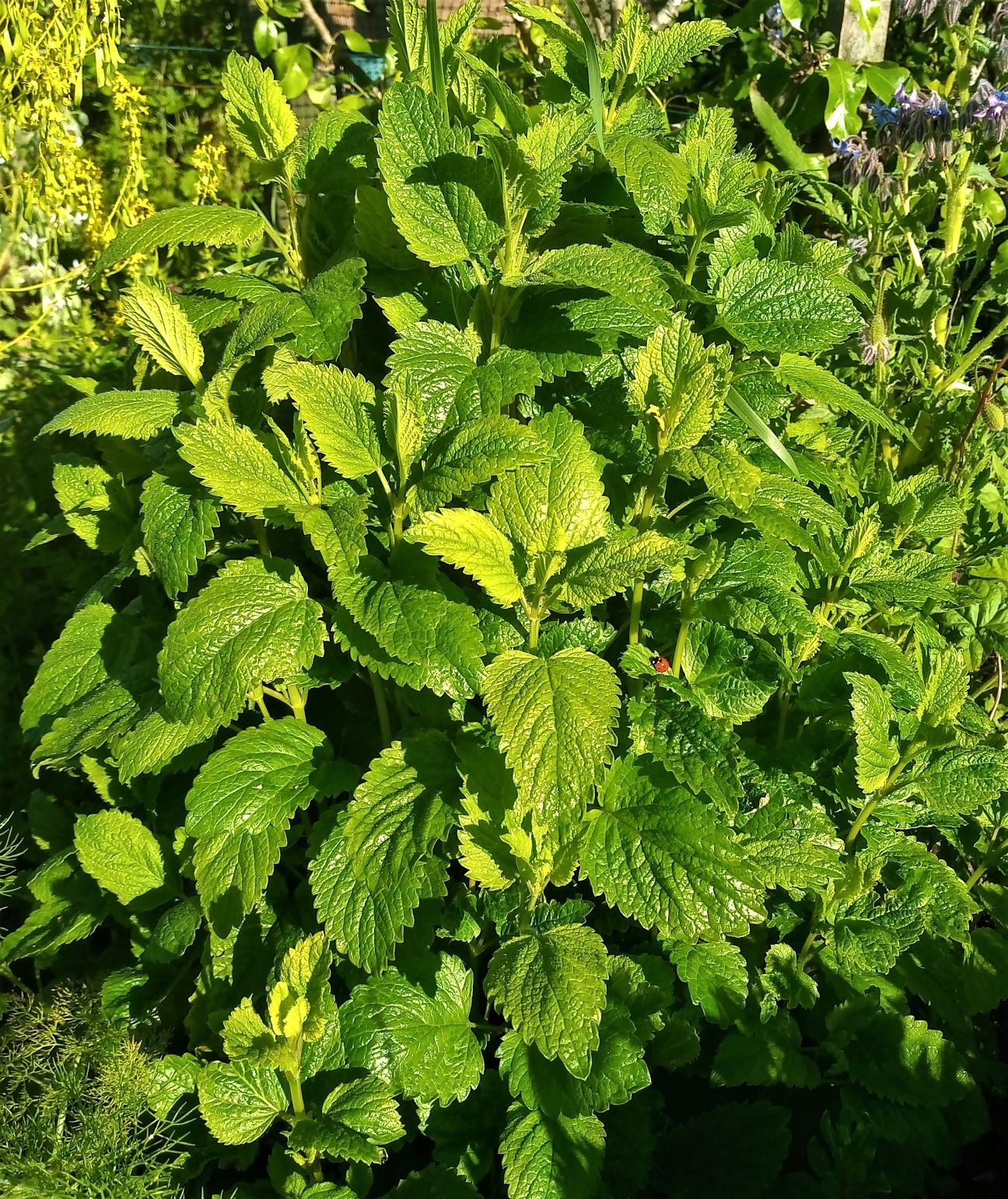
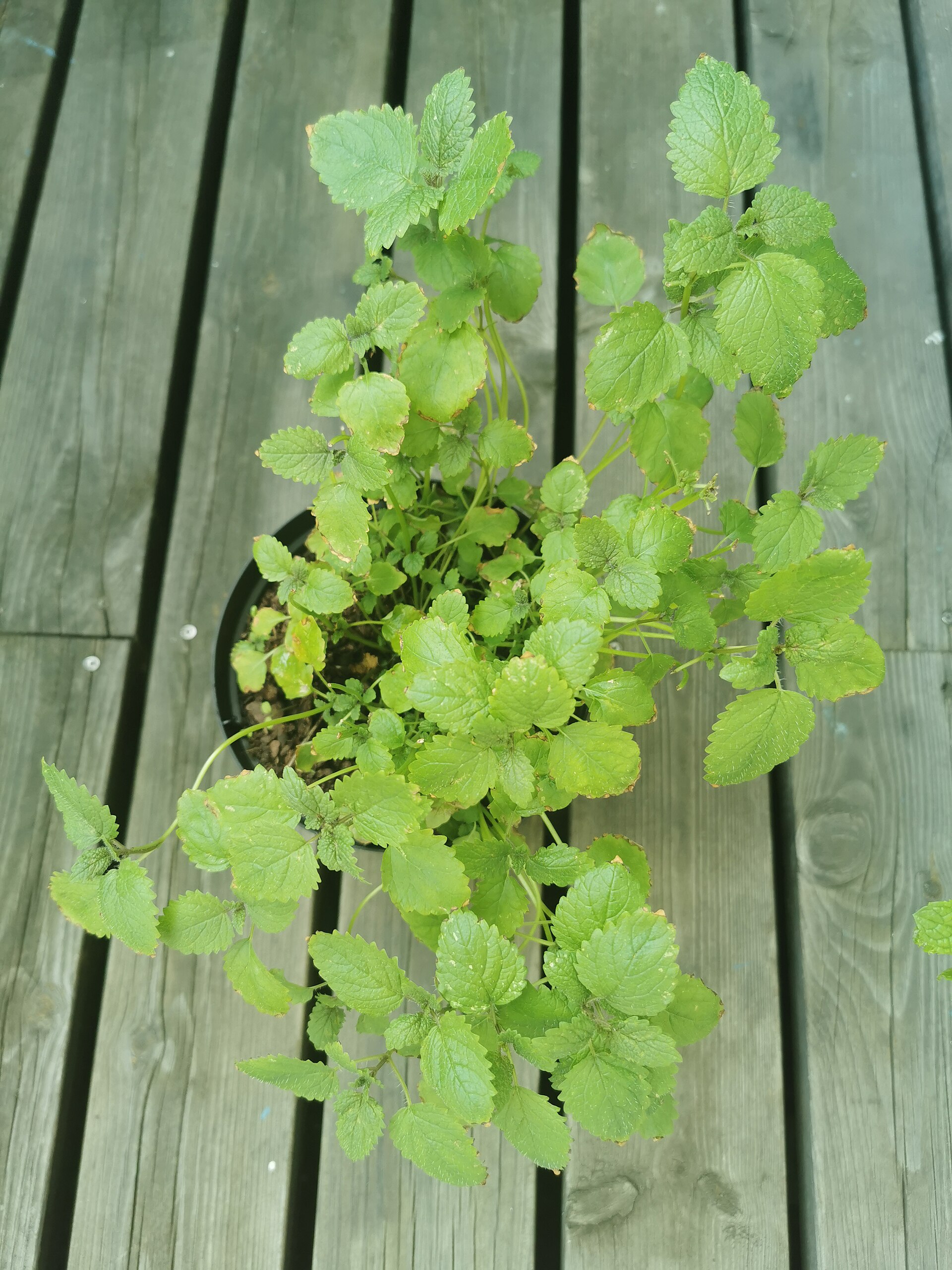
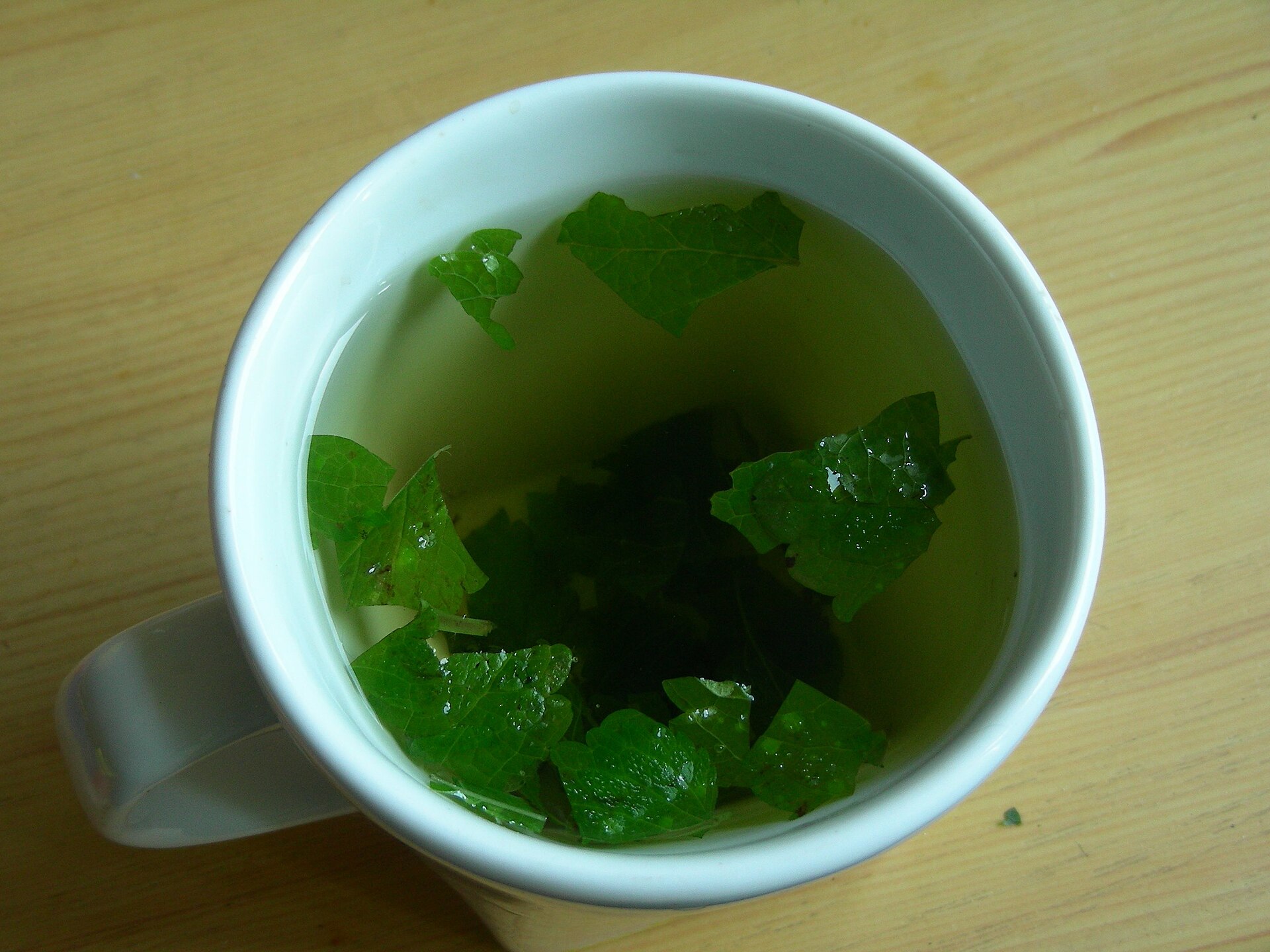
1. It Is Absurdly Easy to Grow
Lemon balm is a beginner herb in the best sense: it tolerates poor soil, partial shade, and watering schedules that would kill fussier plants. Start it from a nursery plant, a cutting, or a division, and it forms a lush, fragrant mound that you can start harvesting within weeks. It is a perennial in zones 4 through 9, which covers most of the country, and it grows fast in warm weather. It will grow in beds, raised beds, containers, hanging baskets, and indoor pots — genuinely one of the least demanding plants you can own.
Florida changes the easy rating by one notch, and it’s worth knowing before you plant. In Florida’s heat, lemon balm wants afternoon shade — full blazing sun scorches its leaves — and it can struggle through peak summer in the hottest zones, where the growing guide frankly calls it an annual. Treat it as a cool-season perennial here: plant in fall or early spring, give it shade and steady water, and expect it to sulk in August. It will come back. And wherever you grow it, the pot rule applies: lemon balm spreads by runners and by seed, less aggressively than true mint but aggressively enough that a small bed forgotten for a season becomes a lemon balm bed with some other plants in it. A pot is not a punishment. It’s a leash, and this plant needs one.
2. It Genuinely Helps With Mosquitoes (Within Reason)
The citrus scent comes from compounds including citronellal, the same family of chemistry that makes citronella plants smell the way they do, and mosquitoes genuinely dislike it. Planting lemon balm near doorways, patios, and seating areas puts that scent where you sit, and it makes a real difference to how pleasant an evening outside feels. As a companion plant, it pulls its weight.
Here is the honest limit, because this claim gets oversold everywhere: a plant sitting in a pot is not a forcefield. Crushing leaves and rubbing them on your skin is an old folk practice, and it does give you a short burst of scent-based protection — but it is not a replacement for a real repellent when mosquitoes are thick or disease is a concern. Think of lemon balm as the first layer, not the only layer: the plant near the patio, the screen door, and the citronella candle are all doing the same job, which is making your yard slightly less attractive to bugs. Used that way, it earns its spot. Believed as magic, it will disappoint you.
3. The Calm Is Traditional, and the Science Is Catching Up Slowly
Lemon balm has been used since the Middle Ages to lift mood and ease nervousness, and it is still one of the first herbs herbalists reach for when someone says they feel wound up. The modern research exists, but it is small and preliminary: some studies suggest lemon balm can ease feelings of restlessness and support a calmer mood, likely through its interaction with GABA, the brain’s main calming signal. That is a plausible mechanism with early evidence behind it — not a proven treatment, and not a reason to stop anything a clinician prescribed you.
What you can say with confidence is the part nobody needs a study for: the ritual works. A cup of lemon balm tea in the evening, made from leaves you grew and crushed yourself, is a genuinely calming end to a day — the warmth, the scent, the ten quiet minutes. Herbalists often pair it with chamomile or lavender, and those blends taste wonderful. If anxiety or low mood is a real problem in your life rather than a rough week, the plant is a complement to real care, not a substitute for it. That sentence matters more than any claim in this section.
4. It Helps You Wind Down for Sleep
The same calming tradition makes lemon balm a classic evening tea, and it pairs beautifully with the other sleep-garden herbs: valerian root, passionflower, chamomile. The honest version of the claim is that it gently supports relaxation without the morning grogginess that stronger sleep aids can leave behind — which is exactly what you’d expect from a mild calming herb, and exactly why people have used it this way for centuries. It will not knock you out. It is not a sleeping pill grown in a pot. What it does is lower the volume on the day, and for a lot of people, that is the whole problem with falling asleep in the first place.
5. Your Stomach Already Knows This Plant
Lemon balm is a carminative herb, which is the herbalist’s word for a plant that helps with gas, bloating, cramping, and that overfull feeling after a heavy meal. Its mild bitterness is part of the mechanism — bitter flavors wake up digestion, including bile flow, which is how your body breaks down fats. A cup of lemon balm tea after dinner is one of the oldest uses of this plant, and it’s one of the most defensible: it soothes, it settles, and it tastes good doing it. If rich meals or nervous stomachs are a pattern for you, this is the use to try first, because it’s the one where tradition, mechanism, and your own experience will agree fastest.
6. The Brain Claims: Promising, Preliminary, Don’t Throw Out Your Planner
Some small studies have suggested lemon balm may support memory, focus, and mental clarity, again likely through that GABA connection, and a few have looked at mild cognitive decline with early, interesting, very preliminary results. Here is the correct way to hold that information: it is a reason to be interested, not a reason to make promises. The studies are small, the effects are modest, and “may help with focus” is a long way from “sharpens your brain.” Students and professionals who drink lemon balm tea while working are mostly getting a pleasant ritual and a calm nervous system, and a calm nervous system does think more clearly than a frazzled one. That’s real, it’s just not magic. Keep your planner.
7. Cold Sores: The Best-Studied Use, Still Not a Cure
If one medicinal use of lemon balm has the most research behind it, it’s this one: applied topically, lemon balm has shown antiviral activity against herpes simplex virus type 1, the cold sore virus, and creams and infused oils made from it may help cold sores heal faster and hurt less. This is the use where “traditional” and “studied” overlap most convincingly. It is still not a cure — nothing you grow in a pot cures herpes, and anyone selling you that is selling something else — but as a topical comfort measure with real evidence behind it, it earns its reputation. The infused oil in section 10 is how you make it at home.
8. The Tea Is the Flagship
Everything above mostly comes down to one preparation: tea. Lemon balm tea is naturally caffeine-free, light, lemony, and soothing, and it is the best place to start with this plant because it is nearly impossible to get wrong. Fresh leaves, a handful per cup, steeped in hot (not boiling) water for five to ten minutes; dried leaves, about a teaspoon per cup, five to eight minutes. Drink it plain, or blend it with mint, lavender, or chamomile. Serve it iced in summer. This is also the use that connects lemon balm to the rest of this site’s kitchen: if you want to go deeper on tea plants, Grow Your Own Tea Garden covers yaupon and the whole tea-garden idea, and lemon balm belongs in that garden.
9. Your Skin Likes It Too
Lemon balm contains rosmarinic acid, an antioxidant, and its antimicrobial and anti-inflammatory properties make it a genuinely useful topical plant: infused oil or salve for bug bites, minor rashes, and irritated skin; a gentle toner in hydrosols and infused waters. The usual honest caveats apply: patch-test any new topical on a small area first, don’t put it on broken or infected skin, and if a rash is spreading, painful, or not improving, that’s a clinician’s job, not a plant’s. Within those bounds, a jar of lemon balm oil is one of the most-used things in an herbal household.
10. Bees Love It (Which Is Why Its Name Means Bee)
While lemon balm discourages the bugs you don’t want, its small white flowers are a magnet for the ones you do — especially bees, along with hoverflies and other pollinators. Beekeepers have used it for centuries to attract swarms and calm hives, which is presumably how a plant gets named after bees. Planting it near fruit trees and vegetable beds supports pollination, and in a food garden that translates to better fruit set. If you want to go deeper on the beekeeping side, Beekeeping for Florida Gardeners is the guide.
One catch, and it’s the pot rule again: flowers become seeds, and seeds become new lemon balm plants in places you didn’t choose. If your plant lives in a pot, let it flower for the bees and then deadhead before it sets seed. You get the pollinators and keep the plant. If it lives in a bed, deadheading is not optional — it’s the rent you pay for the bee traffic.
11. Small Spaces Are Its Natural Habitat
No backyard? Lemon balm might be the best small-space herb there is. It thrives on balconies, windowsills, and countertops, tolerates a bit of neglect, and only asks for drainage and a few hours of sun. Frequent pruning keeps it compact and bushy, and pruning is harvest — every snip is tea. For an apartment gardener, a pot of lemon balm plus a pot of mint is a whole herb garden that fits on a railing and perfumes the entire balcony when you brush past it. This is also the safest way to grow it, because a pot on a balcony cannot stage a takeover of your yard.
12. One Plant, a Whole Pantry
Here is where lemon balm stops being a single-use herb and becomes a pantry. Fresh leaves go into salads, smoothies, fruit bowls, chicken and fish dishes, lemonade, and cocktails. Dried leaves become tea, potpourri, sachets, and bath soaks. Infused, the leaves make herbal oils (for skin and cold sores), vinegars (a digestive tonic base and a salad dressing star), syrups, and honey infusions — bruise fresh leaves, cover with raw honey, wait two to four weeks, and you have a calming honey for tea and sore throats. Simmered on the stove with lemon peels and cloves, it becomes a natural home fragrance. Frozen into ice cubes with water or lemonade, it makes summer drinks look like you planned them. The flowers can join herbal blends. Even the stems carry a mild lemony aroma into broths and infused waters. Very few plants repay a pot this many ways, and that is the real argument for growing it: not any single miracle, but the sheer number of small, daily uses.
The Florida Rules, All in One Place
Because Florida changes the deal for this plant, here is the whole Florida version in one paragraph. Lemon balm is a perennial in zones 4 through 9; in Florida’s warmer zones it behaves more like a cool-season plant that struggles through peak summer heat. Give it afternoon shade — full sun scorches it here — steady water, and rich soil with a castings top-dress at the site’s published ¼-inch rate when you pot it up. Grow it in a container, or in a bed you deadhead ruthlessly before it seeds. Cut it back hard a few times a season; it regrows fast and bushier, and cutting before it flowers is how you keep it from self-seeding across the bed. Plant in fall or early spring for the best establishment, and expect August to be its least impressive month. It will forgive you in September.
The Honest Fine Print
Every guide on this site that touches traditional medicine carries a version of this section, and lemon balm has earned a thorough one. Lemon balm is a food herb and a traditional remedy, not a medicine. Its best-supported uses are the gentle ones — tea for calm and digestion, topical oil for skin and cold sores — and even those are “may help,” not “will cure.” It is not a substitute for care for anxiety, insomnia, digestive disease, or viral illness. Two specific cautions herbalists routinely flag: if you take thyroid medication, ask your clinician before using lemon balm regularly, because it has a traditional reputation for interacting with thyroid function; and if you are pregnant, nursing, or giving herbs to children, the same ask-a-clinician rule applies with extra force. None of this makes lemon balm dangerous — it is one of the gentlest herbs in the garden, and its long history of food use is the reason for that reputation. It just makes it a plant to use with the same good sense you’d use for anything that affects your body: enjoy it, respect it, and don’t let it replace a professional when a professional is what’s needed.
Start This Weekend
Buy one nursery plant and one pot with drainage holes — that is the entire shopping list. Pot it in decent soil with a castings top-dress, put it where it gets morning sun and afternoon shade, and water it in. Then make your first cup of tea from its leaves that same day: a handful of fresh leaves, hot water, five minutes, honey if you like. You will have used the plant within an hour of planting it, which is more than you can say for almost anything else in the garden. From there, the plant takes over the job: snip it often, deadhead it before it seeds, cut it back hard when it gets leggy, and dry or freeze the trimmings so the harvest never stops. By next season you will have tea, oil, honey, and a pot that smells like a lemon grove every time you brush past it — and a garden bed that, thanks to the pot, still belongs to everything else.
🌱 Keep learning
Growing details live in the Lemon Balm growing guide — and the uses go further: Grow Your Own Tea Garden for the tea-garden idea, Kitchen Apothecary and Grow Your Own Medicine for the remedy tradition, The Big List of Herbs and Their Traditional Medicinal Uses for the wider herb cabinet, and The Garden Bar Cart plus Compound Butter Flight for what to do with a fresh harvest in the kitchen.
🪱 Your Soil Needs This
Reading about healthy soil is great. Growing in it is better. Our small-batch, traceable worm castings are the shortcut your garden deserves.
Shop Worm Castings Subscribe & SaveEvery bag comes with a lot certificate. Know what's in your soil.