
🌿 Lemon Balm
What it looks like
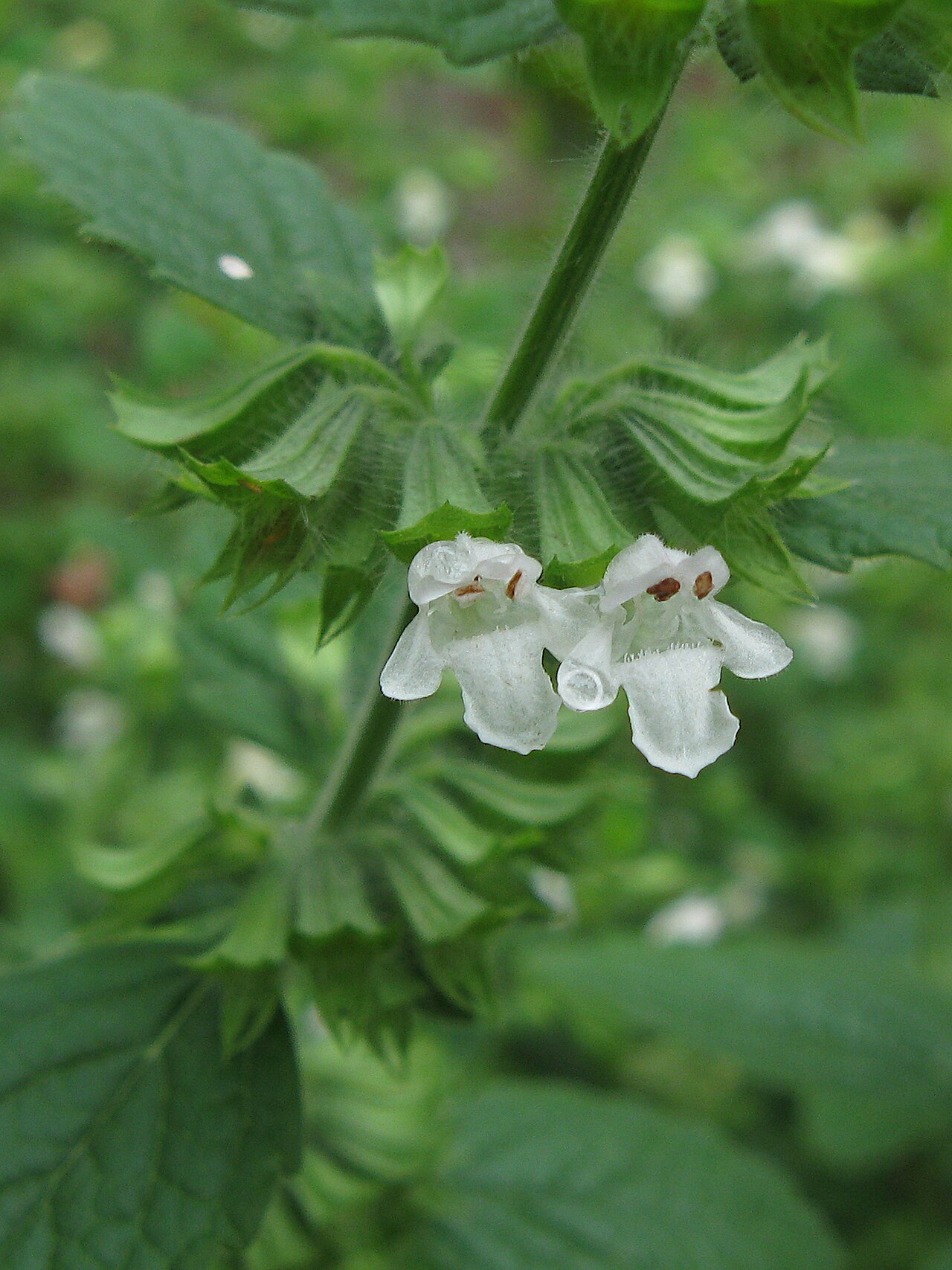
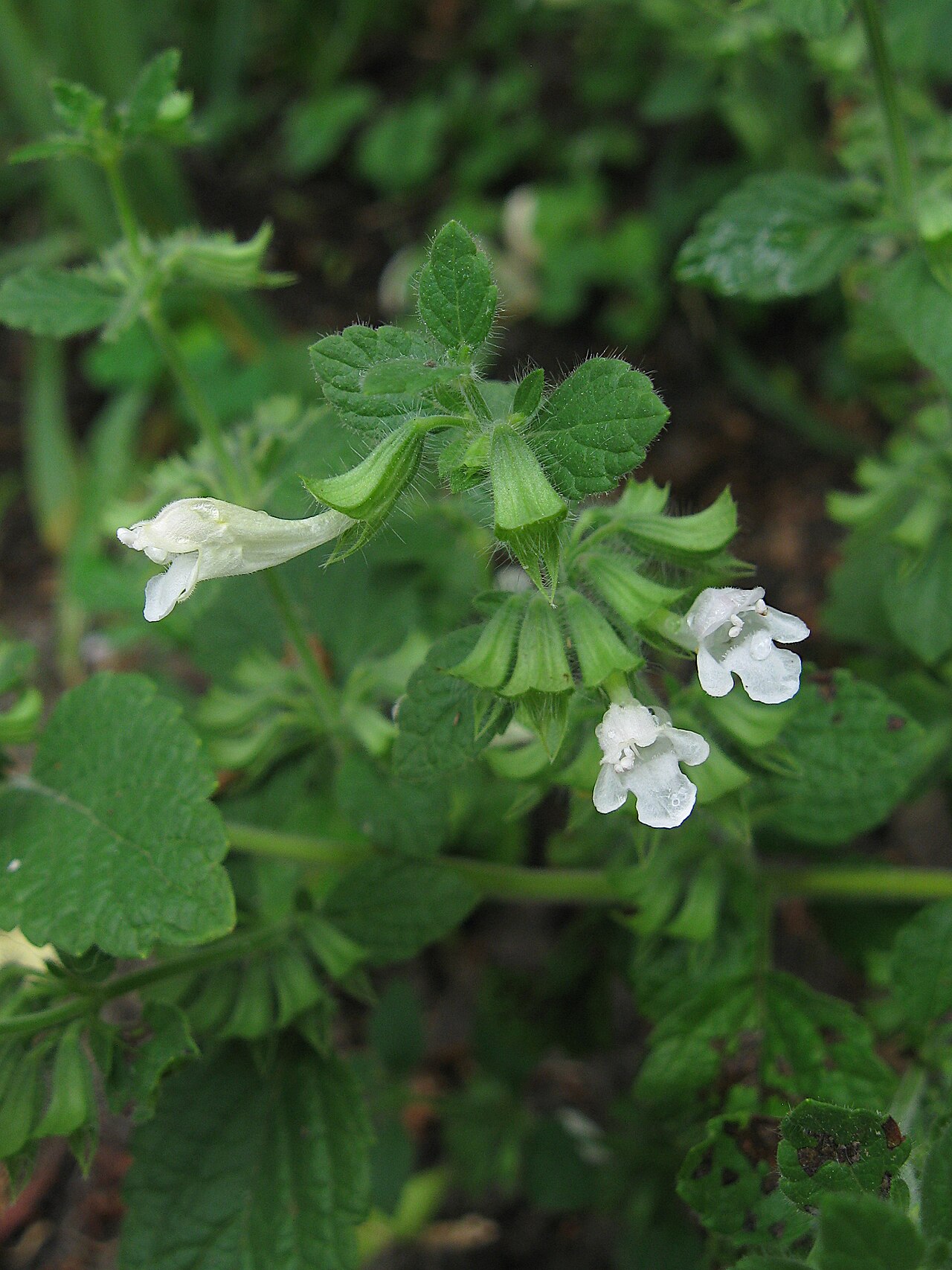
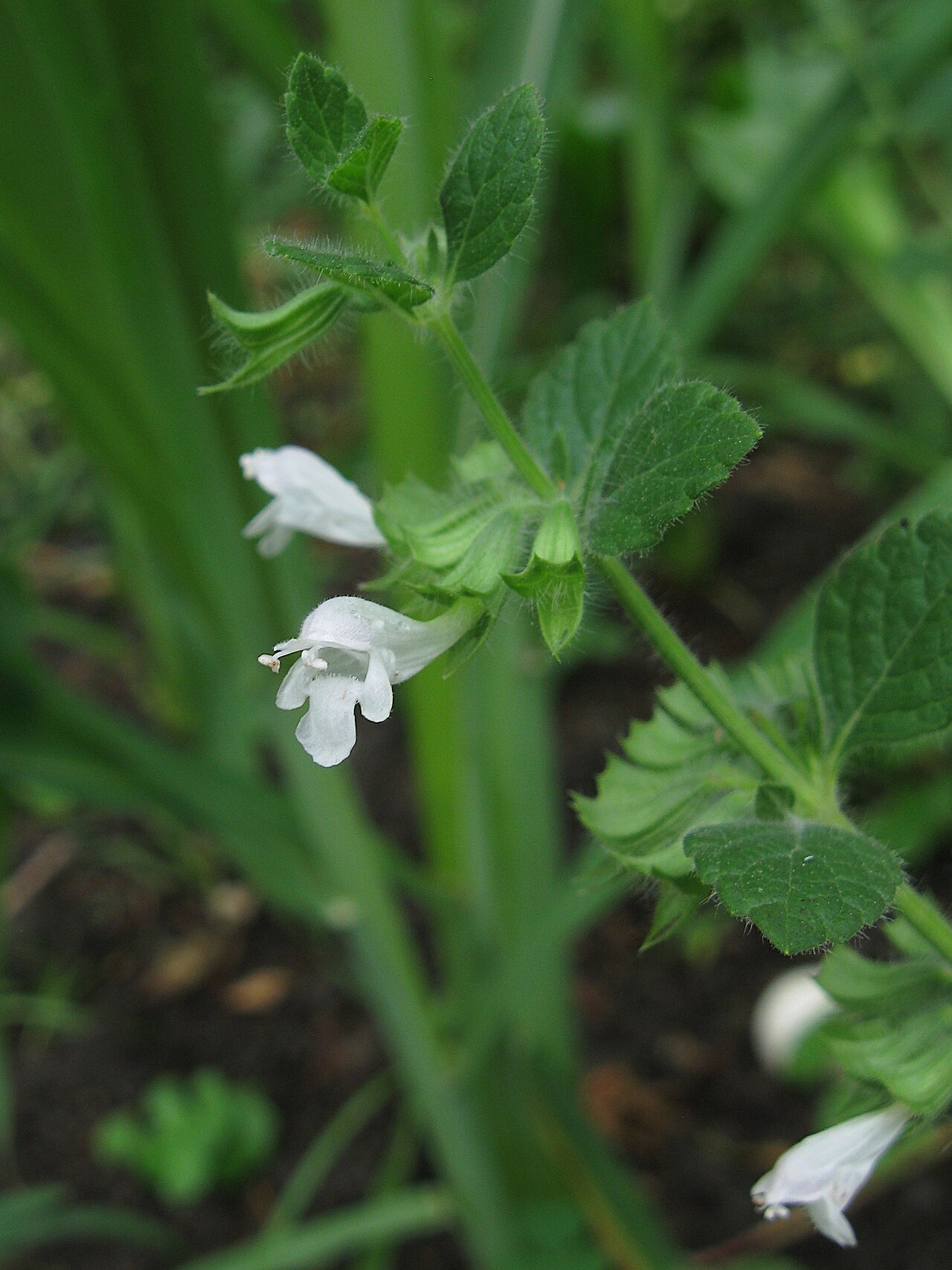
How to grow
Lemon balm is a mint-family perennial with soft, lemon-scented leaves that make excellent tea, flavor fish and fruit salads, and calm a garden's edges with a citrusy perfume when brushed. It is also, like all mints, a vigorous spreader by seed and runner — less aggressive than true mint, but still not a plant to set loose in a small bed and forget. Grow it in a pot, or in a bed you are willing to deadhead before it seeds. Start from nursery plants, cuttings, or division; seed is easy but variable. Lemon balm tolerates shade better than most herbs and actually prefers afternoon shade in hot climates, where full sun scorches its leaves. Cut plants back hard a few times a season — they regrow fast and bushier, and cutting before flowering prevents the self-seeding that makes gardeners regret their life choices. In cold zones it dies back in winter and returns from roots in spring; in mild climates it can grow nearly year-round.
Water & feeding
Keep soil evenly moist — lemon balm wilts in drought and loses its lemony punch. About an inch a week, more in containers. It is a moderate feeder: worm castings at planting and a light spring top-dress keep it lush without pushing soft, flavorless growth.
Common problems
- Self-seeding everywhere — deadhead before seeds ripen, or grow in a pot.
- Powdery mildew in humid, crowded conditions — space for airflow, water at soil level, and cut back affected growth.
- Leaf scorch in hot sun — give afternoon shade in zones 8 and warmer.
- Aphids on new growth — blast with water; plants usually outgrow them.
Harvest
Snip leaves and tender stems as needed, taking no more than a third at once. Morning harvest has the strongest scent. Lemon balm dries poorly compared with other mints — it loses much of its lemon note — so use it fresh when possible, or freeze chopped leaves in water in ice cube trays for tea. For the best tea, steep fresh leaves for 5-10 minutes.
Saving seeds
Here is the first thing to know about lemon balm seed: the plant is already saving it for you, everywhere, all the time. Lemon balm self-seeds with cheerful abandon, and a single plant allowed to flower can scatter enough seed to start a small colony by next spring. So seed saving here is less about coaxing seed into existence and more about catching it before it redecorates the whole bed. If you do not want volunteers, deadhead the flower spikes before they set seed — that one habit is the difference between a lemon balm patch and a lemon balm takeover.
To collect seed on purpose, let a few flower spikes go brown and dry on the plant, then snip them into a paper bag. A good shake and a rub between your palms frees the tiny, dark seeds from the spikes, and a fine sieve takes out the chaff. The seeds are small, so work over a tray — a sneeze at the wrong moment can undo the whole harvest.
Sowing is simple, with one rule: lemon balm seed needs light to germinate, so surface-sow it. Press the seed onto damp mix and do not cover it, or cover it with only the finest dusting of mix. Start it indoors a few weeks before the last frost, or direct-sow after frost when the soil is warm; seedlings usually appear within a week or two. Keep the mix moist until they sprout, then thin to give each plant room, because those innocent little seedlings grow fast.
The species comes fairly true from seed, but the F1 rule still applies: named varieties will not come true, so if you want a particular cultivar — a compact form, a variegated form, a specific scent — divide the plant or take cuttings instead. Division is the instant, exact route: lift a clump in spring or fall, pull it apart into pieces with roots attached, and replant.
For storage, dry the seed thoroughly before it goes into a jar. Florida humidity is the enemy of stored seed, and damp lemon balm seed molds fast in a closed container. Spread it on a plate in a dry, airy spot for several days, then store it in a paper envelope inside a cool, dry jar. Kept cool and dry, the seed stays usable for a couple of years — though with a plant this eager to reseed itself, you may find you never need the jar at all.
Browse all plant & pest guides
Varieties
Every named variety of Lemon Balm with its own growing guide:
- Citronella Lemon Balm — Lemon balm turned up to eleven: an extra-strong citrus scent, mildew resistance, and the same mint-family vigor — in a pot, please.
- Aurea Lemon Balm — Golden lemon balm: variegated gold-splashed leaves with a milder lemon flavor — the ornamental lemon balm for pots and path edges.
- Quedlinburger Lemon Balm — The commercial lemon balm: the German cultivar bred for higher essential oil content, with sturdier, more rigid leaves — the tea-garden workhorse.
- Compacta Lemon Balm — The tiny lemon balm: a 6-inch dwarf that does not flower or set seed — all the lemon scent, none of the takeover, in a pot that fits the windowsill.