
🌿 Citronella Lemon Balm
What it looks like
Why this variety
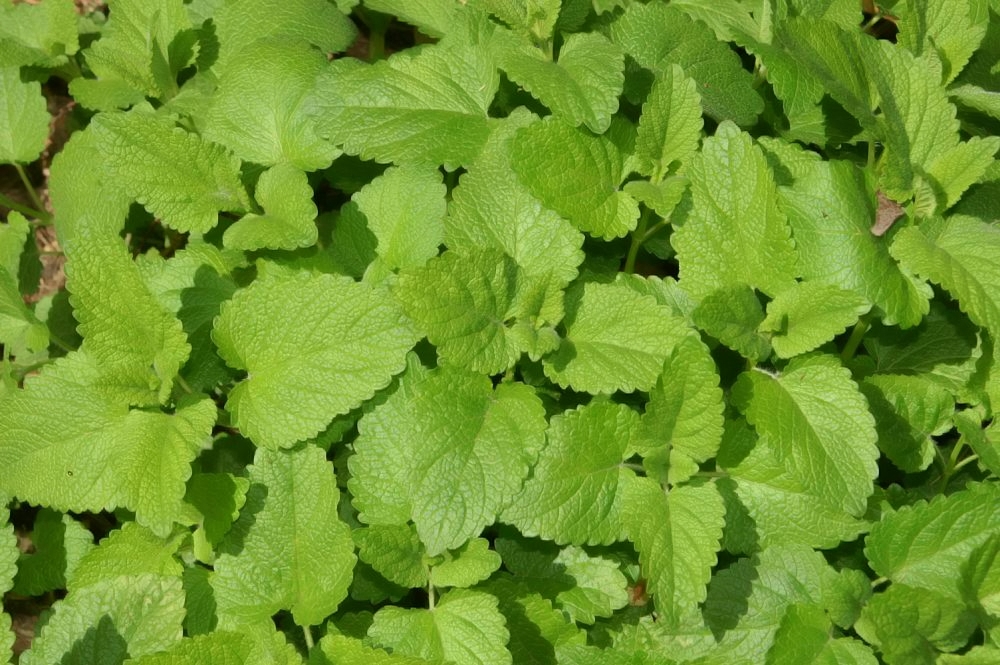
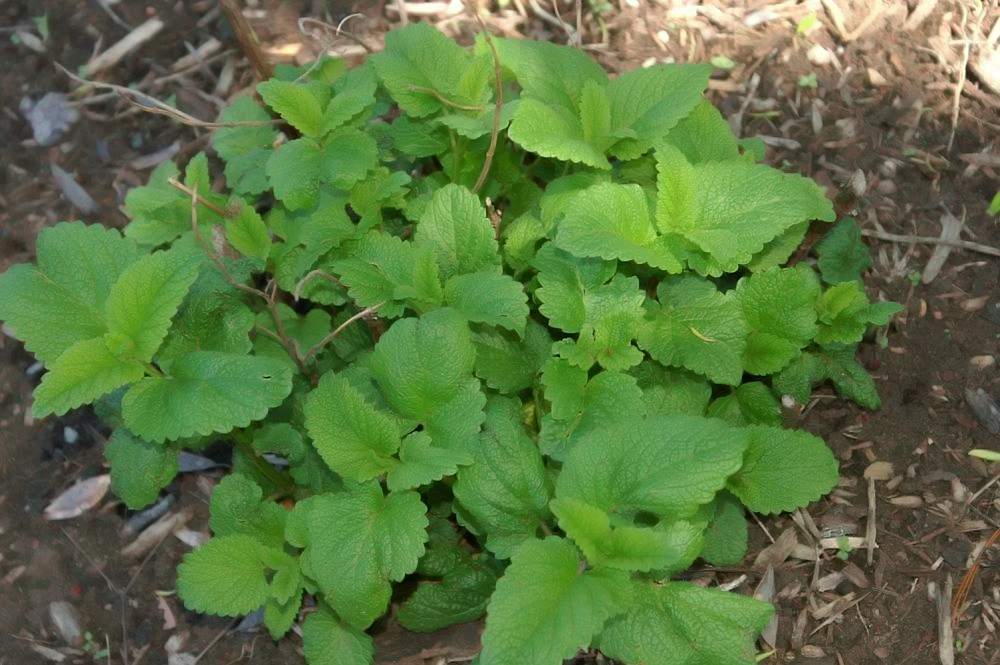
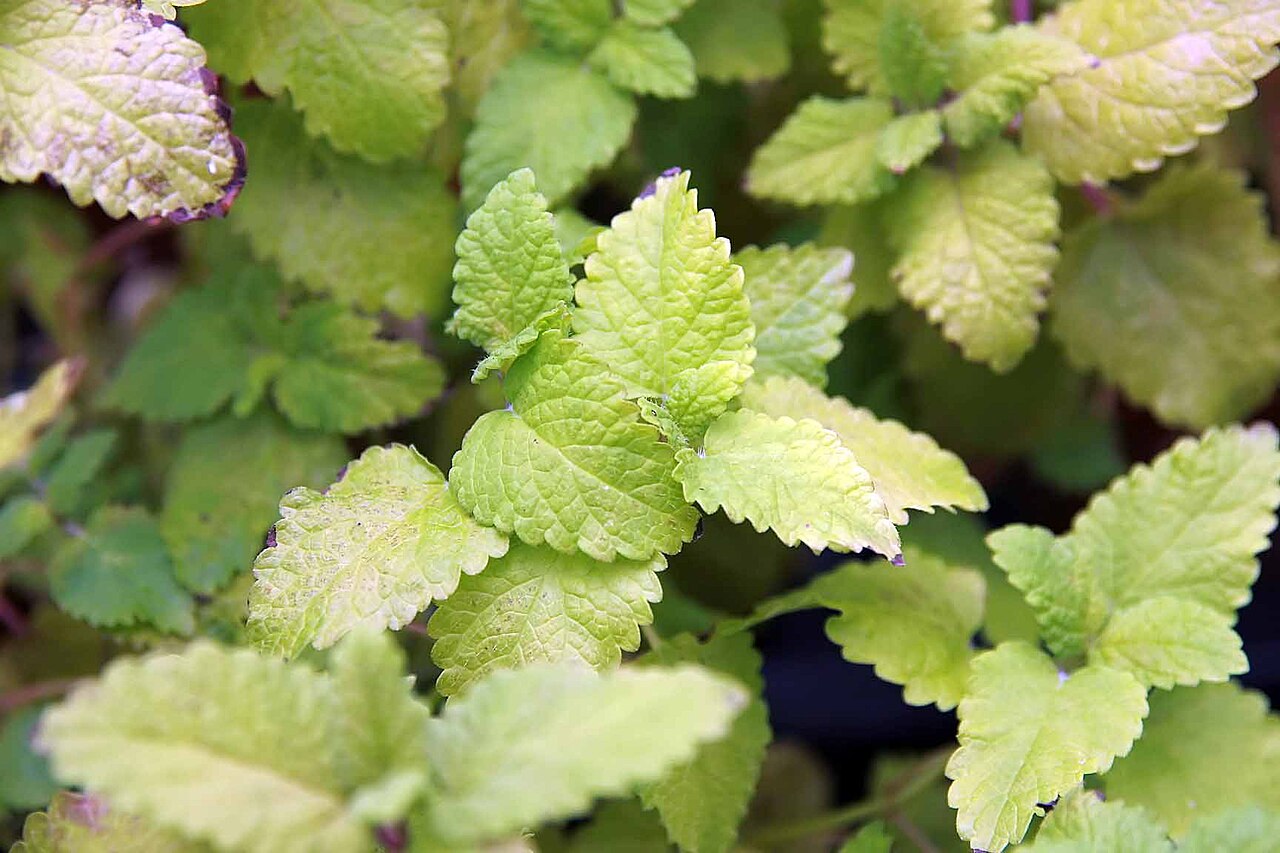
Citronella is lemon balm with the volume knob broken off at maximum. It is a selection of Melissa officinalis noted for high essential-oil content, mildew resistance, and a strong citronella-like lemon scent — stronger than the species, with a slightly rougher leaf texture — which makes it the lemon balm to plant when scent is the point: patio pots, path edges, and anywhere brushing the plant should release a citrus cloud.
It is still a mint-family spreader, so the pot rule applies with full force: plant Citronella in a container, or in a bed you deadhead ruthlessly before it seeds, or it will share itself with the neighborhood. The mildew resistance is a genuine Florida advantage, since ordinary lemon balm mildews readily in humid summers, but heat still slows it — afternoon shade and steady water keep it productive through the warm months.
How to grow
Start from transplants or divisions to hold the Citronella character; seed-grown lemon balm varies in scent. Plant in spring in a pot with rich, moist, well-drained mix, or in a contained bed, in full sun to part shade with afternoon shade in Florida. Space 18–24 inches apart if planting more than one.
Pinch tips often to keep plants bushy and delay flowering, and deadhead flower spikes before they seed — lemon balm seeds everywhere, and Citronella is no exception. Cut plants back by half after the first flush for fresh, strongly scented regrowth, and divide every few years if a pot gets crowded.
Water & feeding
Water regularly, keeping soil lightly moist but never soggy. Lemon balm wants more water than most Mediterranean herbs and wilts fast in drought; in Florida’s dry cool season, a pot may need water every few days, while summer rain usually handles it.
Feed lightly with castings at planting and a modest side-dress in spring. Rich soil suits lemon balm, but heavy nitrogen pushes soft growth that mildews more readily — moderate fertility, steady water, and airflow are the balance.
Common problems
- Spreading by seed and runners — the mint-family signature. Pots, deadheading before seed ripens, and prompt pulling of volunteers are the whole control plan.
- Powdery mildew in humid, still air — Citronella resists it better than the species, but crowded, shaded plants still mildew. Space for airflow and water at the base.
- Heat stress in deep summer — afternoon shade, steady water, and a mid-summer cutback revive plants that go ragged in August; fall regrowth is usually the best of the year.
- Aphids on tender tips — a water jet clears them; overfed, soft plants attract them first.
Harvest
Pick leaves from 6–8 weeks after planting, taking top sets and leaving plenty behind; Citronella’s leaves are at their most powerfully scented just before flowering, so harvest heavily then and cut back for regrowth. Use fresh in teas, drinks, fruit salads, and desserts, or dry on a screen out of direct sun.
Dry leaves keep a good lemon scent if dried quickly in a warm, airy spot; store in sealed jars away from light. A pot of Citronella cut back twice a season yields more usable leaf than a bed left to flower and seed itself into oblivion.
Browse all plant & pest guides
Saving seeds
Citronella is a lemon balm selection, and seed-grown lemon balm varies in scent — start from transplants or divisions to hold the Citronella character. The Saving seeds section of the Lemon Balm guide covers seed for the straight species.