
🌿 Quedlinburger Lemon Balm
What it looks like
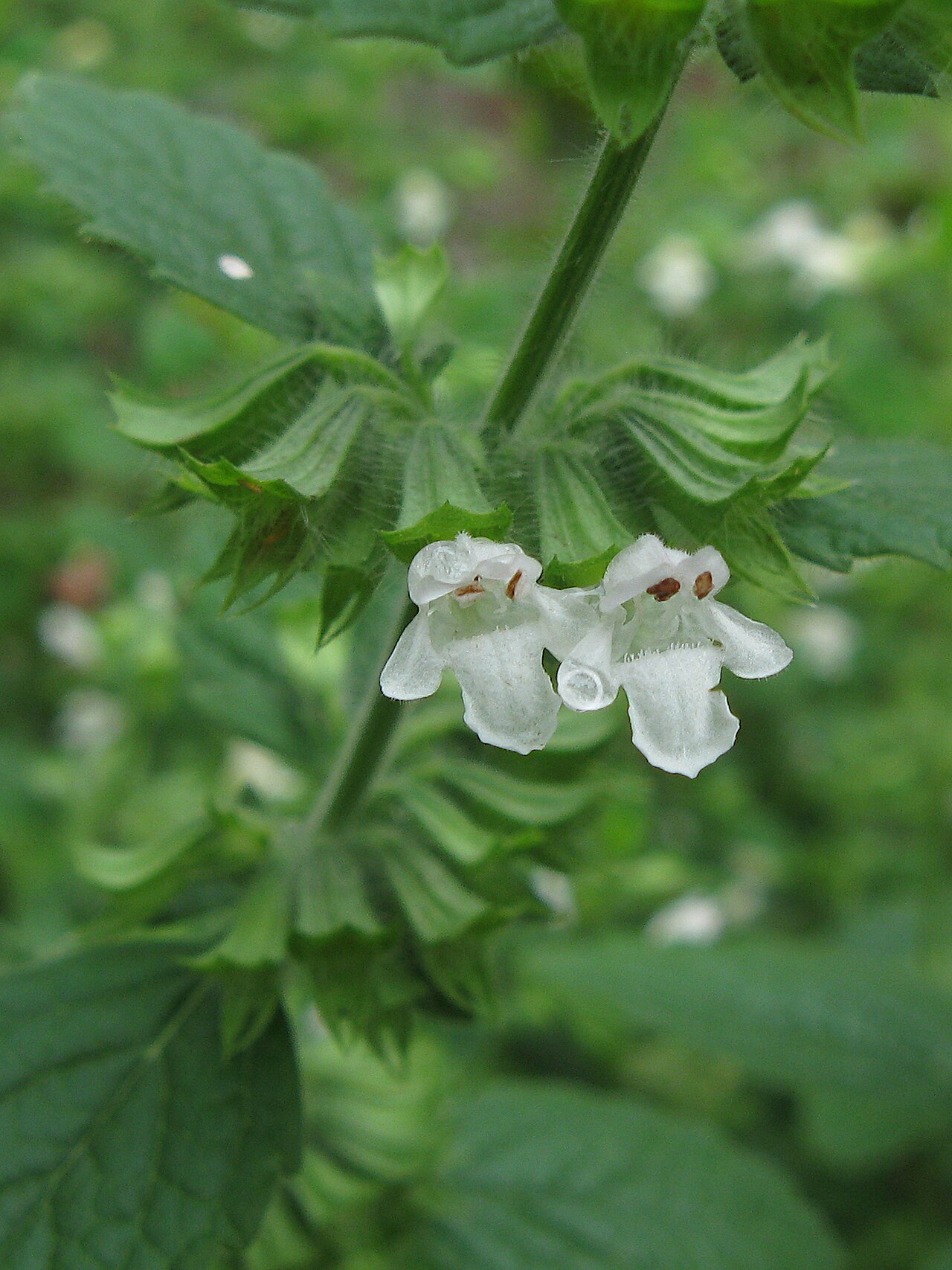
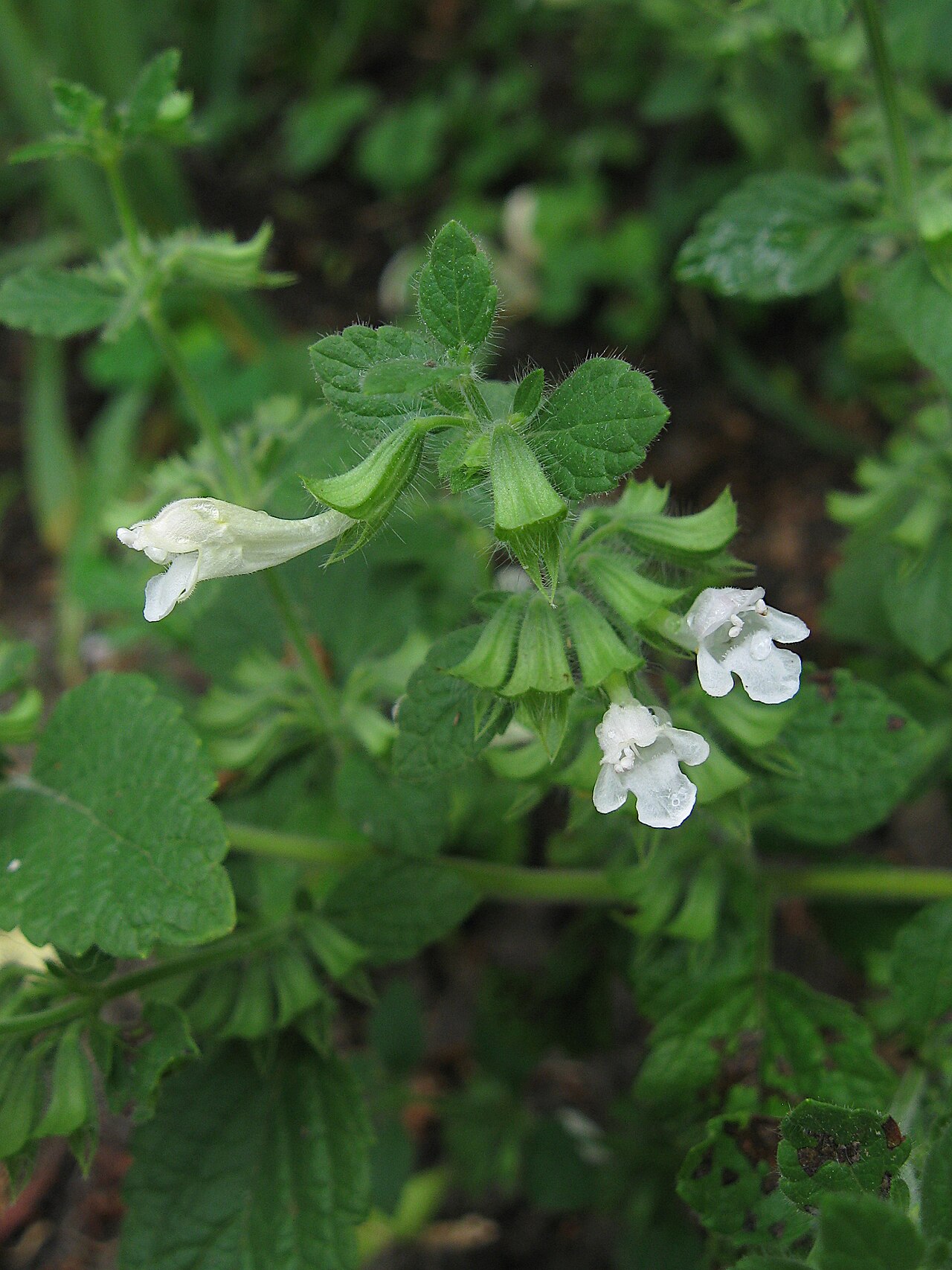
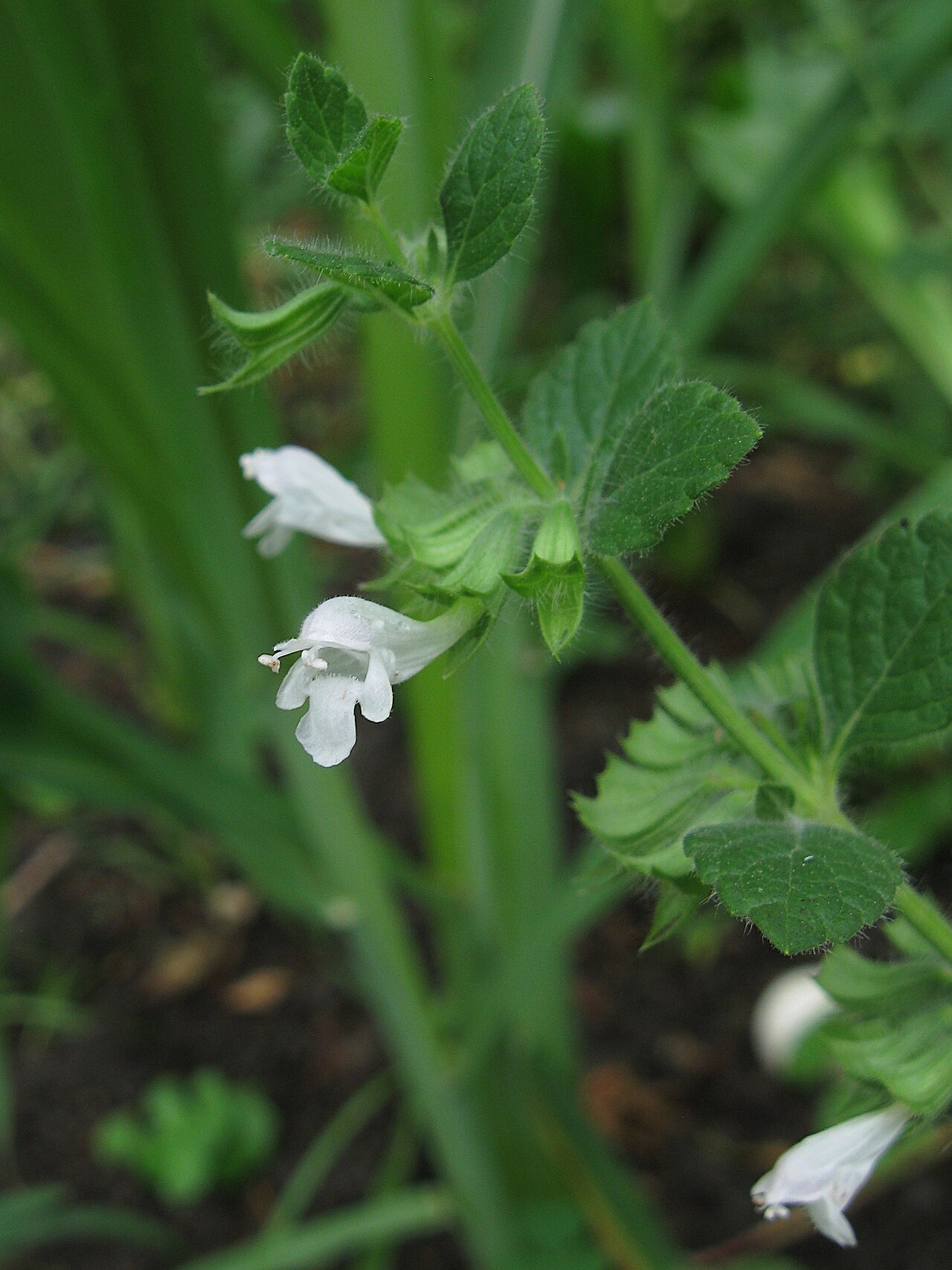
Why this variety
Quedlinburger — full name Quedlinburger Niederliegende, after the German town of Quedlinburg, where niederliegende means ‘procumbent’ or low-lying — is the lemon balm that commercial growers plant when oil content matters. It is the most valuable lemon balm variety for commercial cultivation, with a notably higher essential oil content than other cultivars, and its leaves are more rigid than most, which gives it a slightly different garden presence as well as a stronger tea.
In habit it starts low-growing in its first year and becomes more upright later, and unlike many lemon balms it can come true from seed if isolated — a practical virtue for a gardener who wants more of it without buying more of it. If Citronella Lemon Balm is the loudest lemon balm, Quedlinburger is the most serious: less show, more oil, and a harvest that punches above its leaf count.
How to grow
Grow it in a pot. Lemon balm is a mint, and mints do not respect boundaries: runners plus seed mean a small bed forgotten for a season becomes a lemon balm bed with some other plants in it. A pot is not a punishment, it is a leash, and this plant needs one. Start from seed (it germinates best uncovered or lightly covered with vermiculite at 65–70°F in 5–9 days) or from nursery plants, divisions, or cuttings.
In Florida, treat it as a cool-season perennial: plant in fall or early spring, give it afternoon shade — full blazing sun scorches its leaves — and steady water, and expect it to sulk in August. It will come back. Cut it back hard after flowering to keep it leafy and to stop the seed from volunteering everywhere.
Water & feeding
Keep soil evenly moist; lemon balm tolerates poor soil and imperfect watering schedules better than fussier plants, but steady water plus shade is what keeps it lush through a Florida spring instead of crispy by May.
Feed lightly: worm castings at planting and a light top-dress in spring are plenty. Rich feeding pushes soft growth that flops and seeds harder, and on an oil cultivar, the goal is concentrated leaves, not maximum leaf tonnage.
Common problems
- Taking over the garden — pot it, deadhead before seed sets, and cut back hard after flowering; seed plus runners is a two-front invasion.
- Scorch in full Florida sun — afternoon shade is not optional here; scorched leaves still smell fine but look miserable and dry out faster.
- Summer sulk in peak heat — normal in the hottest zones; keep watering, don’t fertilize it into growth it can’t sustain, and wait for the fall flush.
- Mint rust and mildew in humid, crowded pots — improve airflow, space plants, and remove affected leaves.
Harvest
Harvest leaves as needed once plants are established, taking no more than a third at once. For tea, use fresh or dried leaves: Quedlinburger’s higher oil content means its dried leaves keep more scent than most lemon balms, so dry in a dark, airy spot and store airtight.
Cut whole stems before flowering for the best flavor, and keep cutting through the season — frequent harvest is what keeps lemon balm leafy instead of leggy, and a well-cut pot gives tea all season from a plant that asks for almost nothing.
Browse all plant & pest guides
Saving seeds
Quedlinburger — full name Quedlinburger Niederliegende, after the German town of Quedlinburg, where niederliegende means ‘procumbent’ or low-lying — is the lemon balm that commercial growers plant when oil content matters. It is the most valuable lemon balm variety for commercial cultivation, with a notably higher essential oil content than other cultivars, and its leaves are more rigid than most. Unlike many lemon balms it can come true from seed if isolated — a practical virtue for a gardener who wants more of it without buying more of it. As an open-pollinated lemon balm it comes true from seed when isolated: grow it in a pot — lemon balm is a mint, and mints do not respect boundaries. Start from seed (it germinates best uncovered or lightly covered with vermiculite at 65–70°F in 5–9 days) or from nursery plants, divisions, or cuttings. The full method is in the Saving seeds section of the Lemon Balm guide.