
🫘 California Blackeye Cowpea
What it looks like
Why this variety
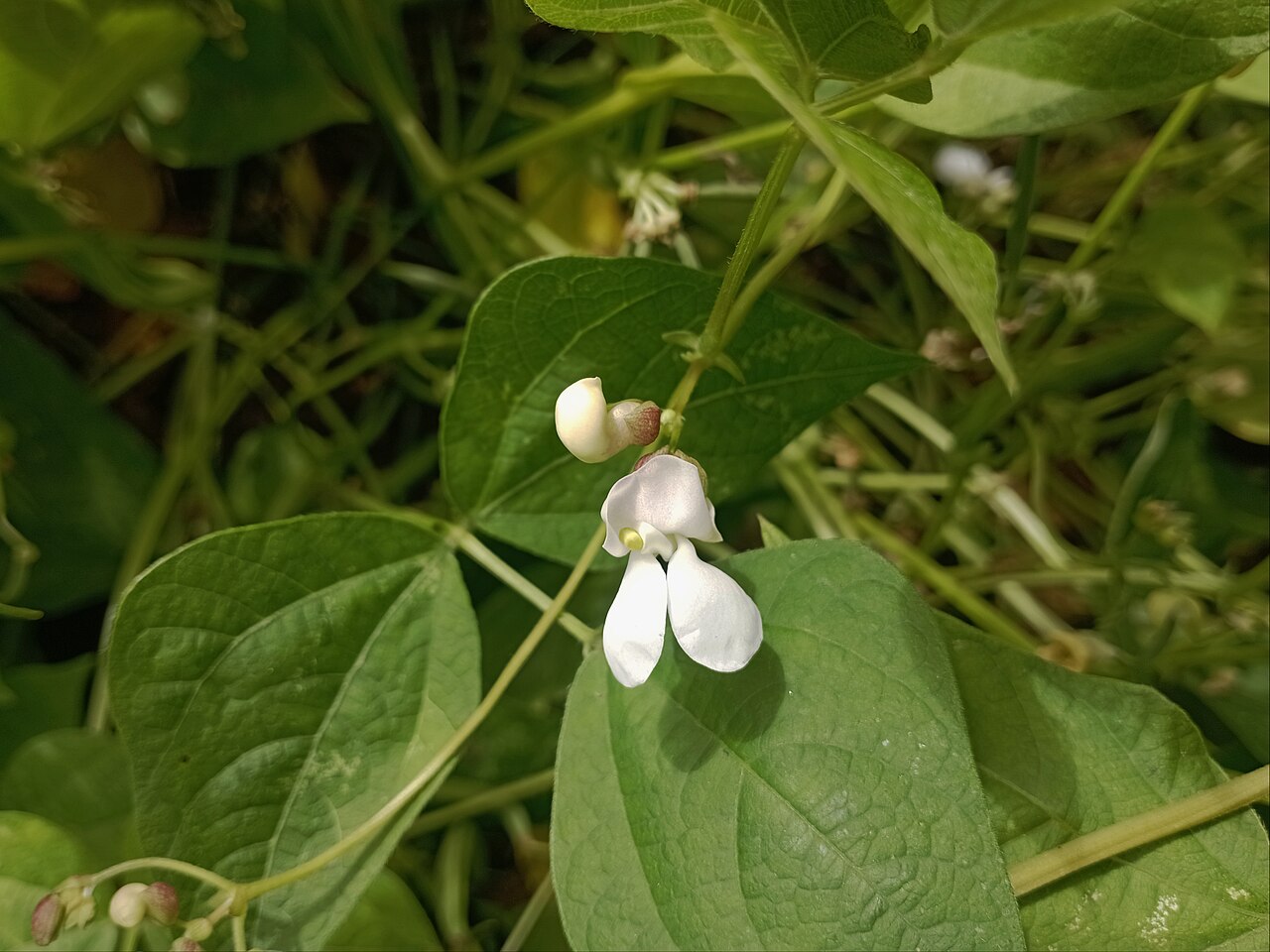
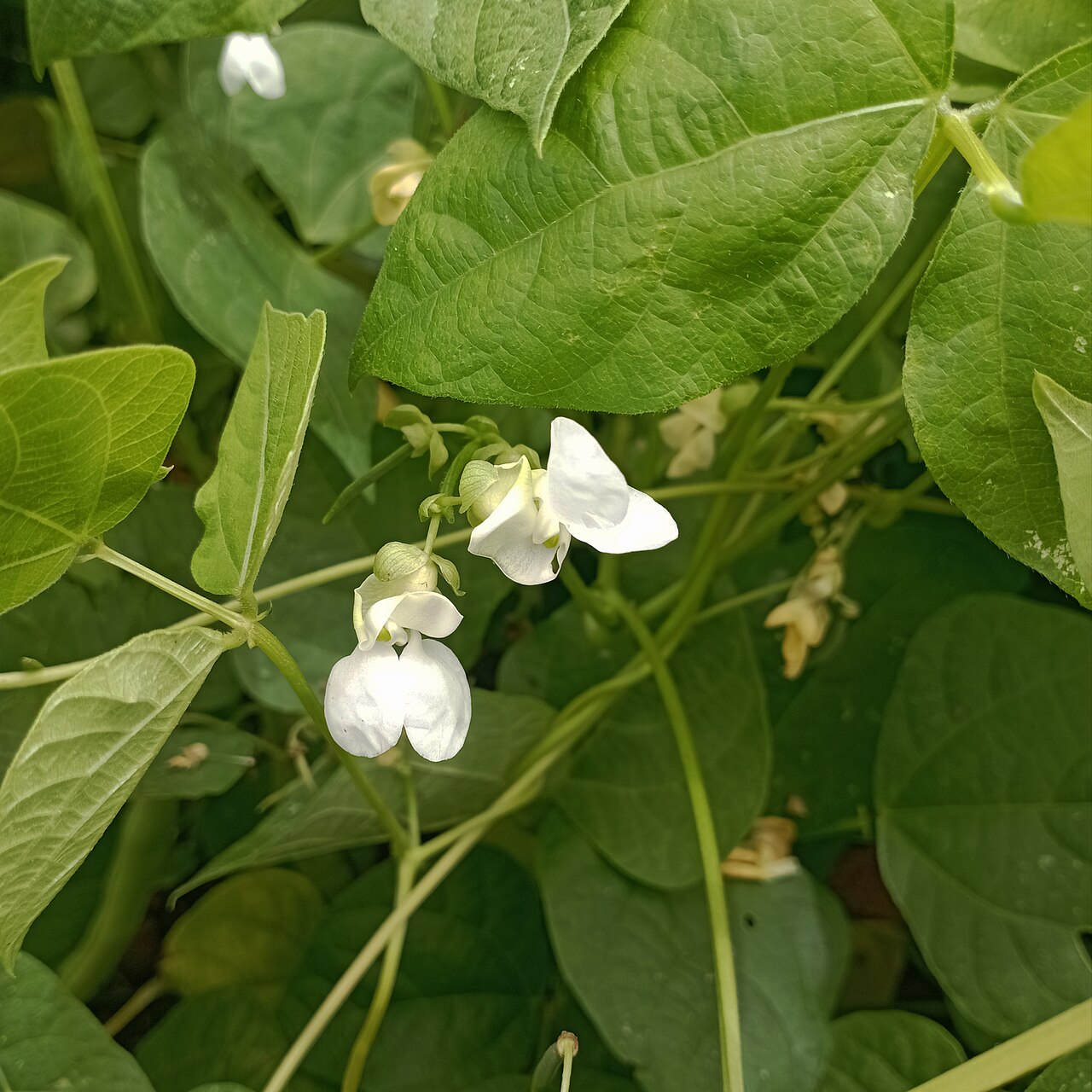
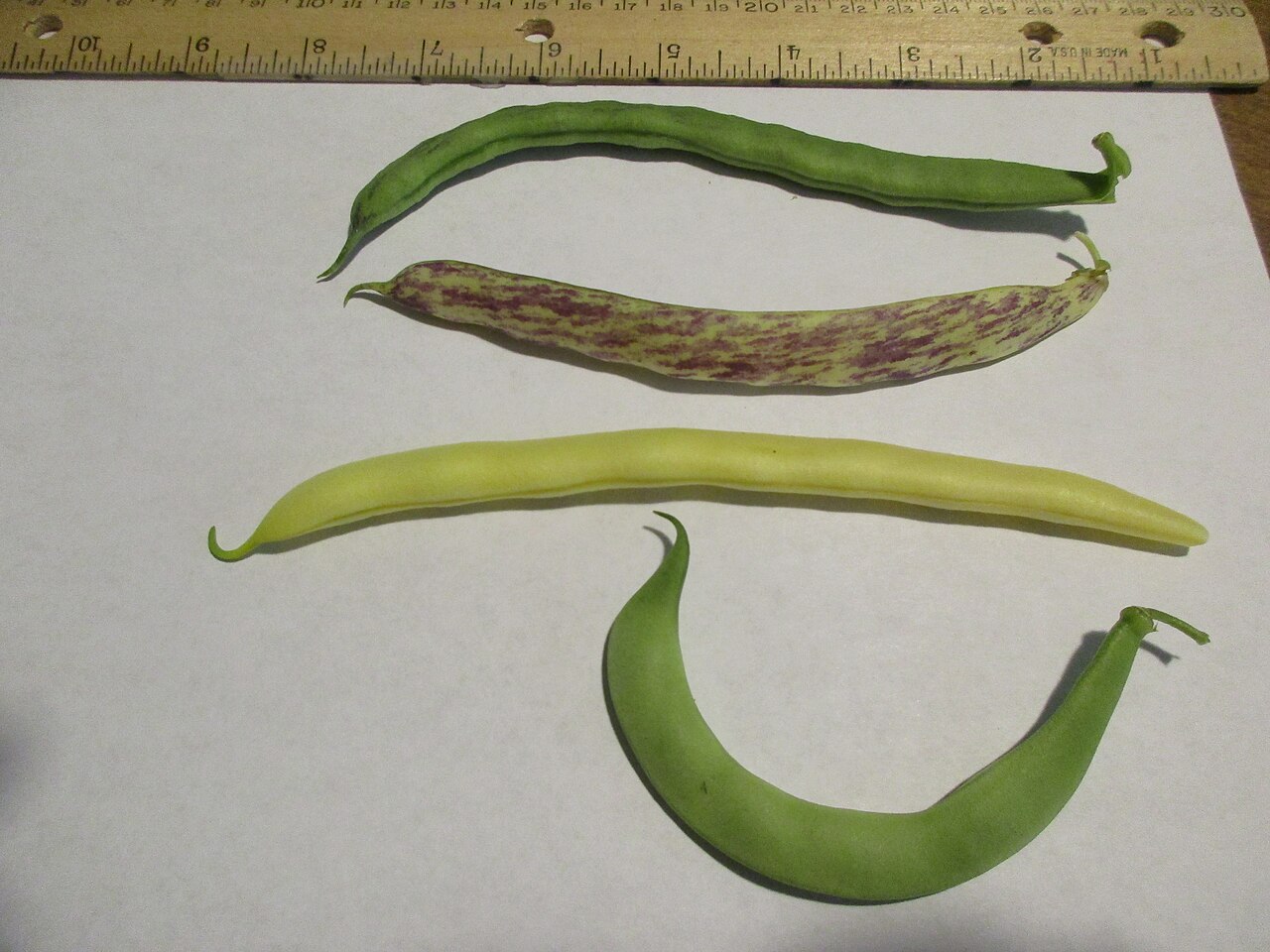
California Blackeye is the answer to the question every Florida gardener asks in July: what actually grows now? It is a cowpea, Vigna unguiculata, not a Phaseolus bean at all — a species domesticated in Africa and bred in California’s Central Valley into the commercial blackeye standard, also sold as California Blackeye No. 5. Bushy, upright plants about 14-18 inches tall carry 6-8 inch pods at the crown of the plant, each holding cream-colored peas with the famous black ‘eye’ — the hilum scar, darkened, like a tiny punctuation mark.
Heat is not a problem for this plant; heat is the job description. Cowpeas produce in higher heat, humidity, and drier conditions than snap beans, and California Blackeye carries resistance to fusarium wilt and root-knot nematodes, two of the exact soil problems that make Florida gardeners weep. It also fixes nitrogen aggressively, so a summer bed of blackeyes leaves the soil better than it found it — plant it as a cover crop and eat the cover crop.
The honest trade-off: these are shelling peas, not snap beans, so there is no eating the pod. You shell fresh peas for cooking, or let pods dry on the plant for storage peas. The flavor payoff is real — creamy, earthy, quick-cooking peas that need no soaking if fresh — and the plant is open-pollinated, so saved seed breeds true. If you wanted a snap bean in July, this is not it; if you wanted beans in July, this is how.
If you are new to choosing between cultivars, the Varieties Matter guide explains why the name after the plant matters as much as the plant itself: two plants sold under the same common name can behave like entirely different plants in your soil.
How to grow
Beans are warm-season legumes, and they sulk in cold soil the way the rest of us sulk in a cold shower — so wait until the soil is reliably 65-70°F before direct-sowing, about an inch deep. Beans fix their own nitrogen through root nodules hosting Rhizobium bacteria, which is why a bed that grew beans last season often grows everything else better this season; the nodules are tiny pink factories, and pink inside means they are working.
In Florida, beans are a spring and fall crop, not a deep-summer one — except for the heat-lovers in this group, which is exactly why they earned their pages. For ordinary snap beans, aim for late February through March in North Florida and February through April farther south for spring, then August through September for fall. Summer sowings of cool-season snap beans mostly produce blossom drop and disappointment, so save the July bed for cowpeas and yardlongs.
Work worm castings into the bed at planting and mulch to hold moisture, but go easy on high-nitrogen fertilizer: too much nitrogen gives you a magnificent leafy plant with very few beans, which is the legume equivalent of buying a sports car and only using it to drive to the mailbox.
California Blackeye is a bush-type cowpea, so no trellis is needed, though plants may send out a few semi-vining runners late in the season. Direct-sow 1 inch deep in warm soil, 70°F and up — cowpeas planted in cold soil rot before they sprout, so patience in spring pays. In Florida, sow April through August for summer and fall harvests; this is the crop that fills the bed between spring snap beans and fall plantings.
Water & feeding
Keep soil evenly moist, about an inch of water a week, and water at the base rather than overhead — wet foliage in humid air invites rust and bacterial blight. Beans are light to moderate feeders; castings at planting plus a side-dress of compost at first bloom is plenty. Letting the soil dry out between waterings during pod-fill gives you tough, stringy pods, so steady moisture matters more than heroic watering.
Common problems
- Blossom drop in heat — ordinary snap beans abort flowers above roughly 85-90°F; plant in spring/fall windows, or switch to heat-tolerant cowpeas and yardlongs for summer.
- Mexican bean beetles — yellow-orange, ladybug-lookalike beetles whose larvae skeletonize leaves; hand-pick, and note that ladybugs themselves are allies, not the culprit.
- Rust and bacterial blight in humidity — avoid overhead watering, space for airflow, rotate beds, and remove affected leaves promptly.
- Bean common mosaic virus — spread by aphids; control aphids with a strong water blast and pull severely mottled plants so aphids cannot spread it further.
Harvest
For fresh shelling peas, pick pods when they are plump but still green and the peas inside are full-sized. For dry peas, leave pods on the plant until they turn straw-colored and rattle, then shell and dry fully before storing in airtight jars — properly dried blackeyes keep for a year or more. Picking fresh pods regularly extends the harvest; plants can be picked three or four times.
Browse all plant & pest guides
Saving seeds
California Blackeye is a cowpea — a southern pea, not a true bean — so it comes true from seed — save seed from your best pods and let them dry fully before storing. The full method is in the Saving seeds section of the Southern Pea guide.