
🫘 Texas Cream 40 Southern Pea
What it looks like


Why this variety
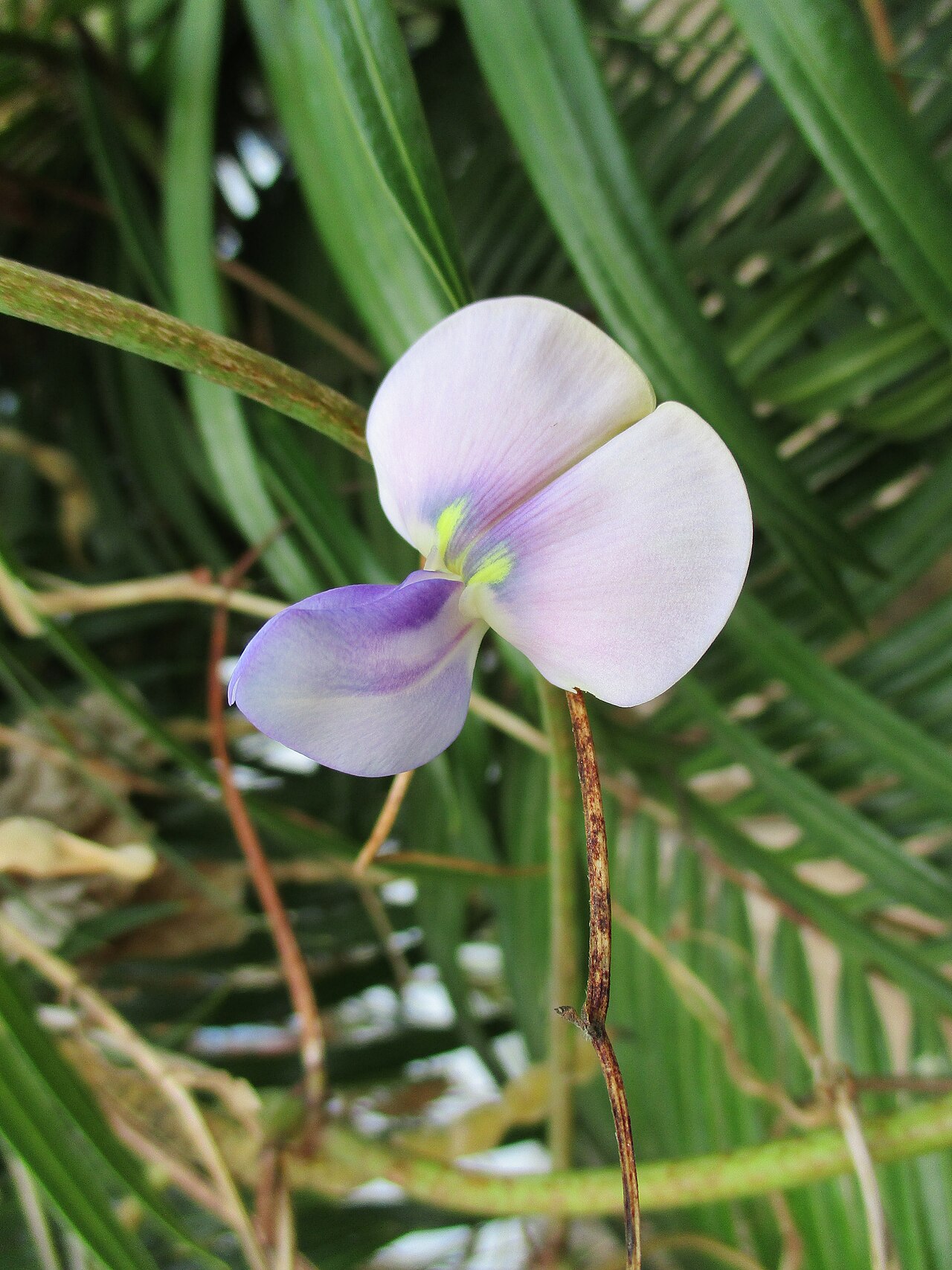
Texas Cream 40 is the cream pea to grow when you want the mildest, creamiest southern pea in the catalog. It is a semi-bush plant from a Texas breeding program, listed by extension sources as a tall, determinate bush, and it makes 6- to 8-inch pods full of small, light-colored peas that cook up tender and mild. Cream peas are the gentle branch of the southern pea family — no dark eye, no strong earthiness, just a clean, buttery pea flavor — and Texas Cream 40 is one of the most widely grown of them, because it delivers that flavor on a compact, productive plant.
Sources disagree on its days to maturity — seed houses say about 65 days, extension tables say 80 — so this guide gives the range honestly and calls the crop ready when the pods tell you it is, not when a calendar does. The peas are excellent fresh, freeze well after blanching, and dry into a creamy storage pea, which makes one planting do triple duty. If your household includes anyone who claims not to like field peas, a cream pea is the diplomat to send first: mild, tender, and almost impossible to object to.
If you are new to choosing between cultivars, the Varieties Matter guide explains why the name after the plant matters as much as the plant itself. And if you want the whole clan at a glance, the broader Southern Pea guide covers southern peas generally.
How to grow
Southern peas are the crop that laughs at a Florida summer while everything else files a complaint — they want heat, they tolerate poor sandy soil, and they fix their own nitrogen while they are at it. Sow directly once the soil is warm, well past any frost danger, and keep sowing successions through summer for a long picking season. They are not peas in the garden-pea sense at all: they are tropical beans, cousins of the black-eyed pea, and they treat a hot, humid garden the way a beachgoer treats a heat wave, as the entire point. Give them full sun, decent drainage, and room to bush or sprawl according to type, and they will feed you through the months when cool-season crops have long since given up.
Direct-sow in warm soil, an inch deep, 4 to 6 inches apart in rows two to three feet apart, after frost danger has passed and the soil has genuinely warmed. This is a determinate bush type, so plants stay compact and set a concentrated crop — no trellis needed, and picking is straightforward. Water through flowering and pod-fill, mulch to hold moisture, and go easy on nitrogen fertilizer, because southern peas fix their own and extra nitrogen grows leaves instead of peas.
Water & feeding
Southern peas are drought-tolerant once established, which is not the same as drought-loving: give them about an inch of water a week while they flower and fill pods, because dry plants drop blossoms and make thin pods. Work worm castings into the bed at sowing, and go easy on nitrogen fertilizer — these plants make their own nitrogen with the help of root bacteria, and extra nitrogen just grows leaves at the expense of peas. Mulch to hold moisture and smother weeds, water at soil level to keep foliage dry, and back off once pods start drying if you are saving dry peas.
Common problems
Cowpea curculio is the pest to watch: it stings pods and spoils peas for fresh use, so pick as soon as pods fill and destroy damaged pods. Aphids can carry mosaic virus, so check young growth and remove sick plants early rather than hoping they recover. Root-knot nematodes stunt plants in sandy soil; rotation and organic matter are the long-term answers, and this variety’s vigor helps in the meantime. Wet, crowded foliage invites blight, so space properly, water at soil level, and keep mulch off the stems.
Harvest
Shell fresh when pods are full and peas are plump and pale, cooking them the same day for the best flavor, or leave pods to dry on the vine for storage peas. Texas Cream 40’s small peas cook quickly and turn creamy without falling apart, which makes them ideal for simple preparations — a little butter, a little salt, and nothing else competing for attention. Freeze blanched surplus in meal-sized bags, and save a jar of dry peas for winter, when a pot of cream peas tastes like summer kept its promise.
Nerdy fact: Cream peas are called creams because their seeds are pale and unmarked — no black eye, no pink eye, no speckles — and their cooking water stays clear, which old-timers considered a mark of a fine pea.
Saving seeds
Texas Cream 40 is the cream pea to grow when you want the mildest, creamiest southern pea in the catalog. It is a semi-bush plant from a Texas breeding program, listed by extension sources as a tall, determinate bush, and it makes 6- to 8-inch pods full of small, light-colored peas that cook up tender and mild. Cream peas are the gentle branch of the southern pea family — no dark eye, no strong earthiness, just a clean, buttery pea flavor — and Texas Cream 40 is one of the most widely grown of them, because it delivers that flavor on a compact, productive plant. Sources disagree on its days to maturity — seed houses say about 65 days, extension tables say 80 — so this guide gives the range honestly and calls the crop ready when the pods tell you it is, not when a calendar does. The peas are excellent fresh, freeze well after blanching, and dry into a creamy storage pea. As a popular heirloom, open-pollinated cowpea variety developed by Texas A&M University in the early 1950s — Reimer Seeds lists it as open pollinated, USDA PI 293577 — saved seed comes true. Southern peas are self-pollinating, so a saved crop stays true with only modest isolation. Southern peas are the crop that laughs at a Florida summer while everything else files a complaint — they want heat, they tolerate poor sandy soil, and they fix their own nitrogen while they are at it. Sow directly once the soil is warm, well past any frost danger, and keep sowing successions through summer for a long picking season. Give them full sun, decent drainage, and room to bush or sprawl according to type, and they will feed you through the months when cool-season crops have long since given up. The full method is in the Saving seeds section of the Southern Pea guide.