
🥒 Big Top Bitter Melon
What it looks like
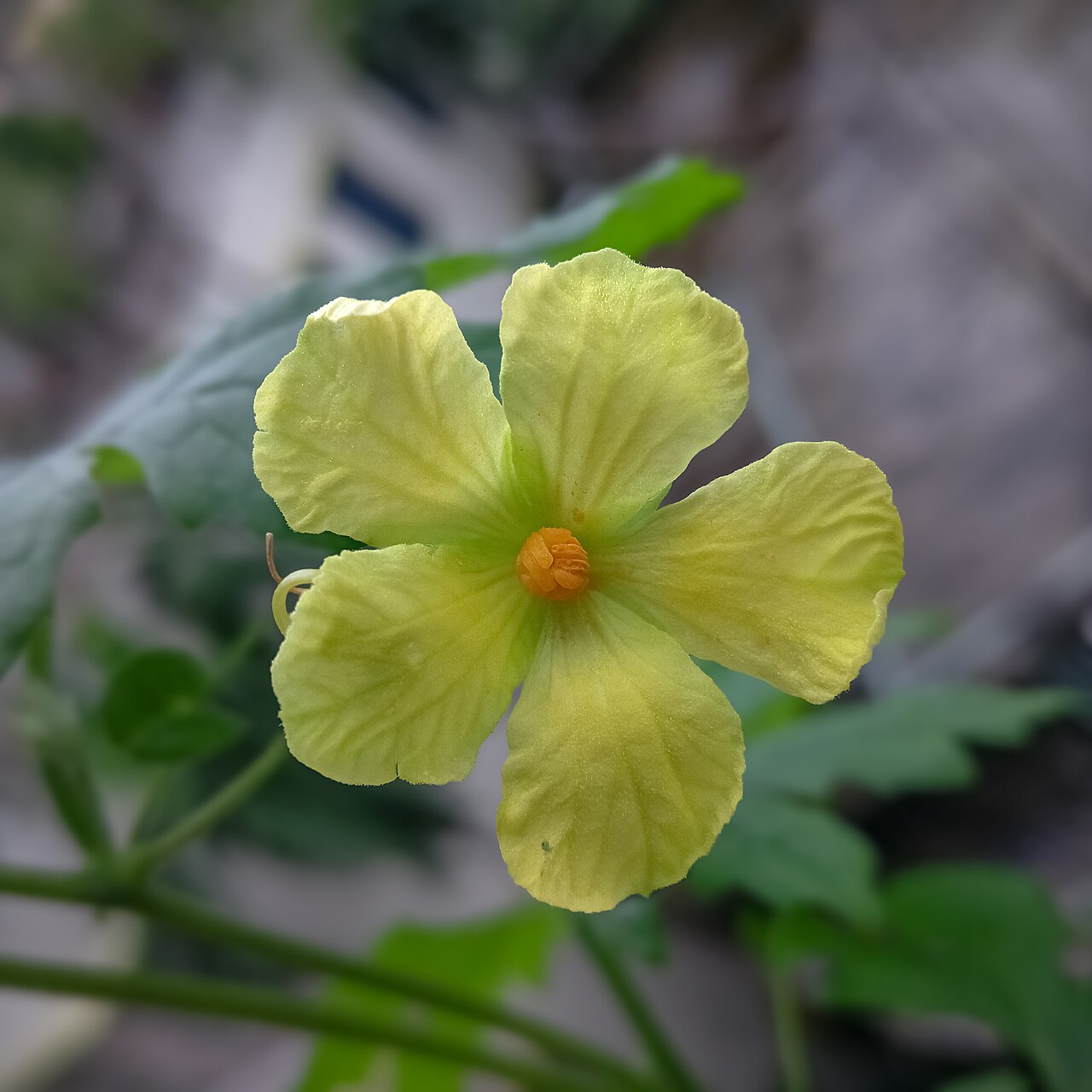
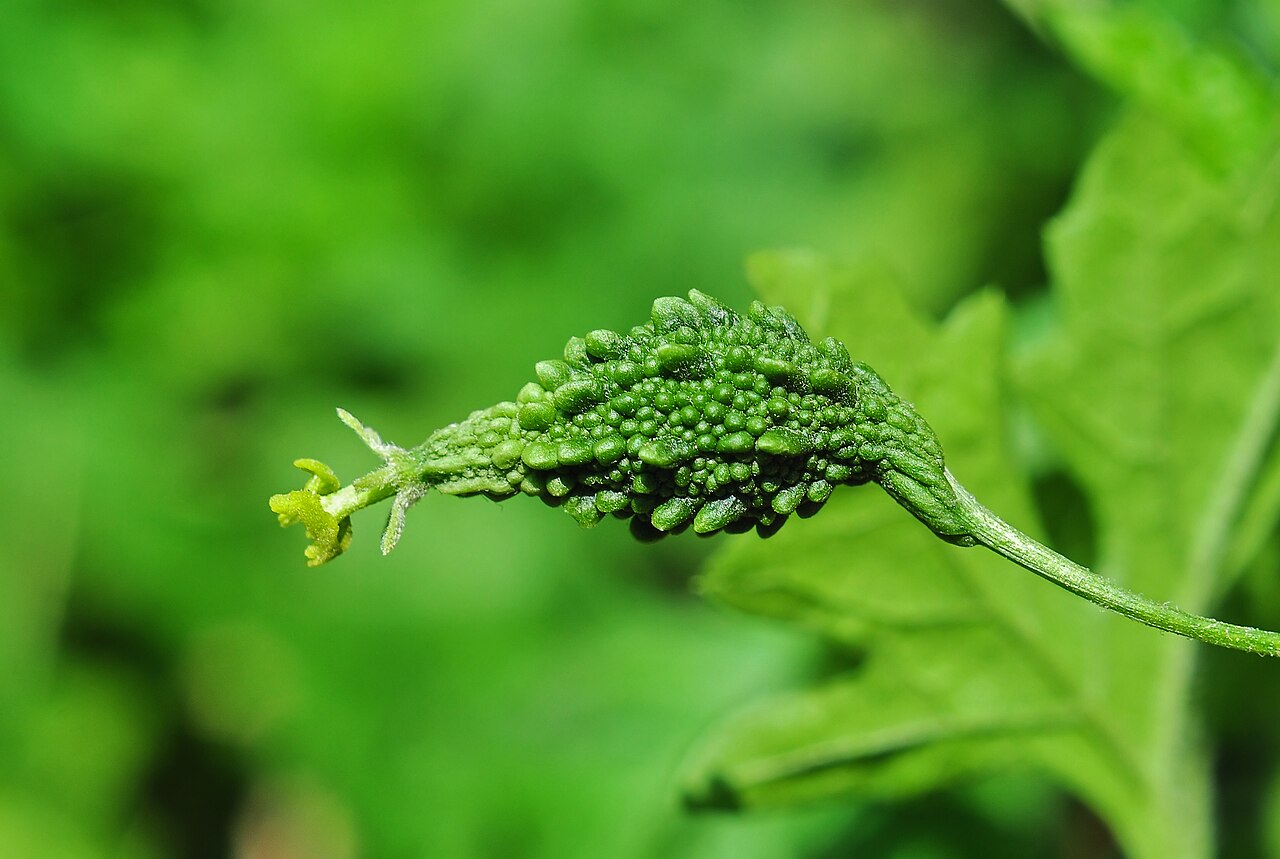
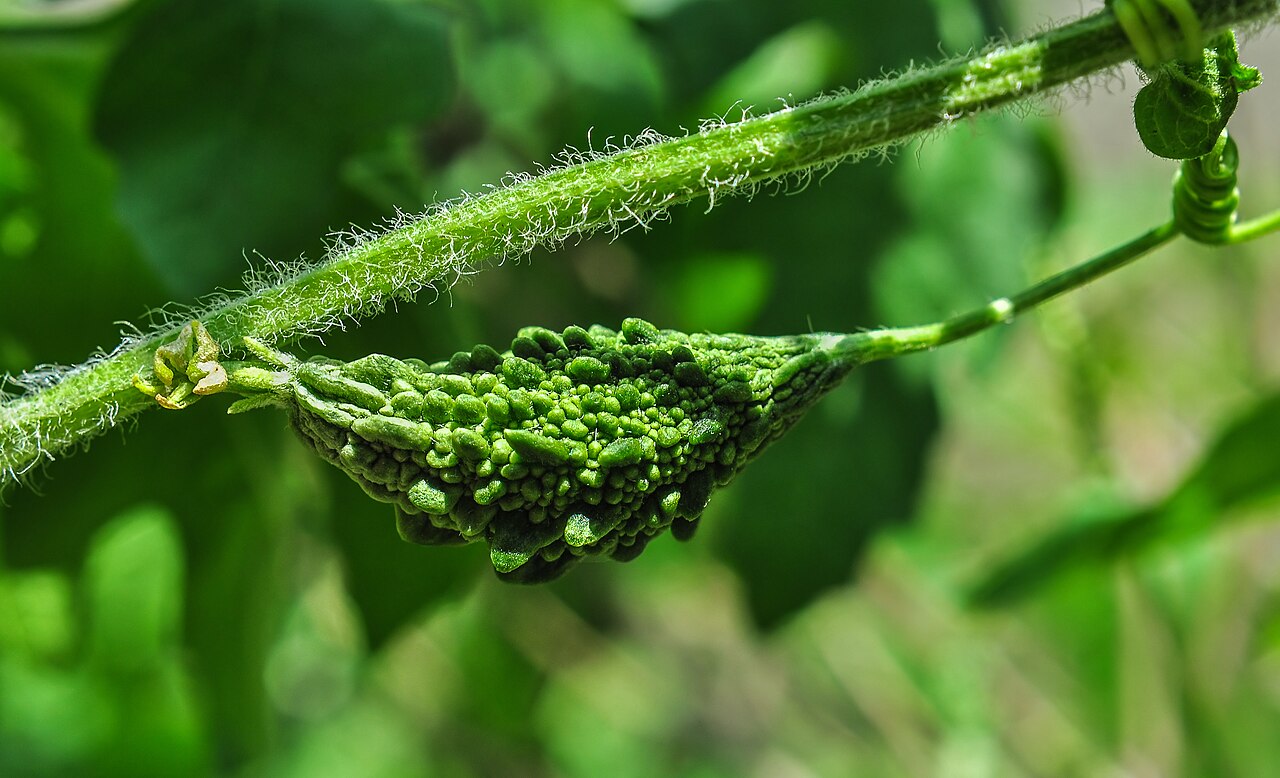
Why this variety
Most bitter melons are long and warty; Big Top breaks the mold. Its fruit is round to heart-shaped, smooth-skinned, and dark green — the size of a softball and a favorite for stuffing, because a round fruit holds a filling the way a long one never will. Baker Creek lists it as a Chinese heirloom and an early producer, and the flavor is milder than the spiky Indian types, which makes it the friendliest bitter melon for a first-time grower.
It is also a genuinely productive vine. The long, rambling vines set heavily once they get going, and because the fruit is picked young and green, you get a steady harvest rather than one big glut. If bitterness has scared you off this crop before, Big Top is the variety that talks you back in.
If you are new to choosing between cultivars, the Varieties Matter guide explains why the name after the plant matters as much as the plant itself. And if you want the whole clan at a glance, the broader Bitter Melon guide covers bitter melon generally.
How to grow
In Florida, bitter melon is in its element: give it a strong trellis, full sun, and the hottest months, and it will out-produce almost anything else on the vine. Plant after the soil is warm, and let it run — a single vine can cover a fence.
Start seed indoors 4–6 weeks before your last frost, or direct-sow once the soil is reliably above 70°F — bitter melon sulks in cool soil. Plant at the base of a strong trellis; the vines run long and the fruit hangs heavy. Thin to the strongest seedling per spot, and train the vine up early so the fruit hangs straight and clean.
Water & feeding
Bitter melon is a thirsty vine in summer heat. Water deeply and consistently, mulch heavily to hold moisture, and feed every few weeks with a balanced fertilizer or a good dose of compost. Uneven watering gives you misshapen, extra-bitter fruit, so do not let the bed dry out between waterings.
Common problems
Fruit flies and cucumber beetles are the usual suspects, and powdery mildew can show up late in the season. A trellis with good airflow helps more than any spray, and picking fruit young and often keeps the vine producing instead of shutting down to ripen seed.
Harvest
Pick while the fruit is still bright green and firm, before it starts to yellow — a yellowing bitter melon is past eating and heading for seed. Cut with a knife or pruners rather than twisting, and harvest every few days at the peak of the season; the more you pick, the more the vine sets.
Nerdy fact: The bitterness in bitter melon comes largely from momordicin, a compound in the same bitter family as the quinine in tonic water — which is why cooks balance it the same way, with salt, fat, and strong flavors.
Saving seeds
Big Top is a Chinese heirloom, so it comes true from seed — save seed from your best fruit, and keep it away from other bitter melons to avoid crossing. The full method is in the Saving seeds section of the Bitter Melon guide.