
🥒 Bitter Melon
What it looks like
How to grow
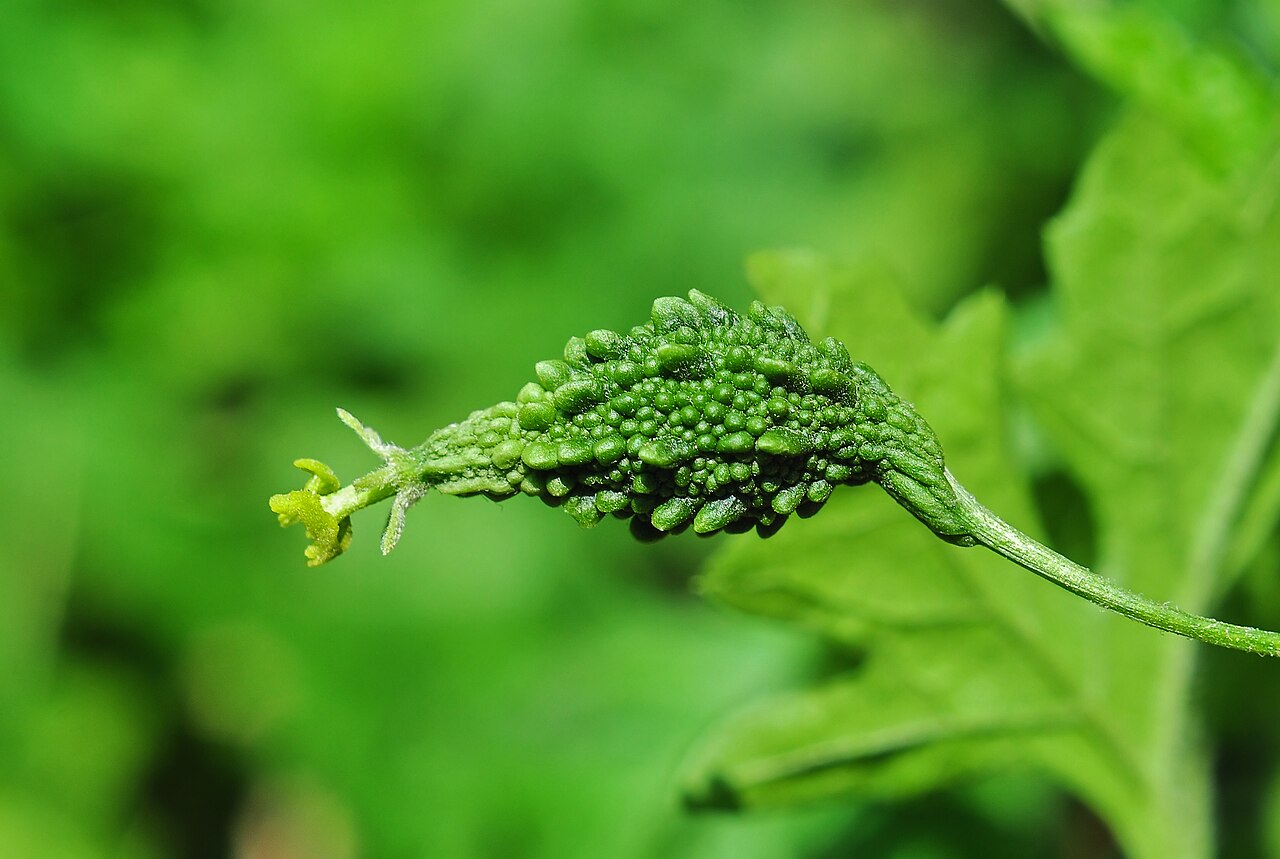
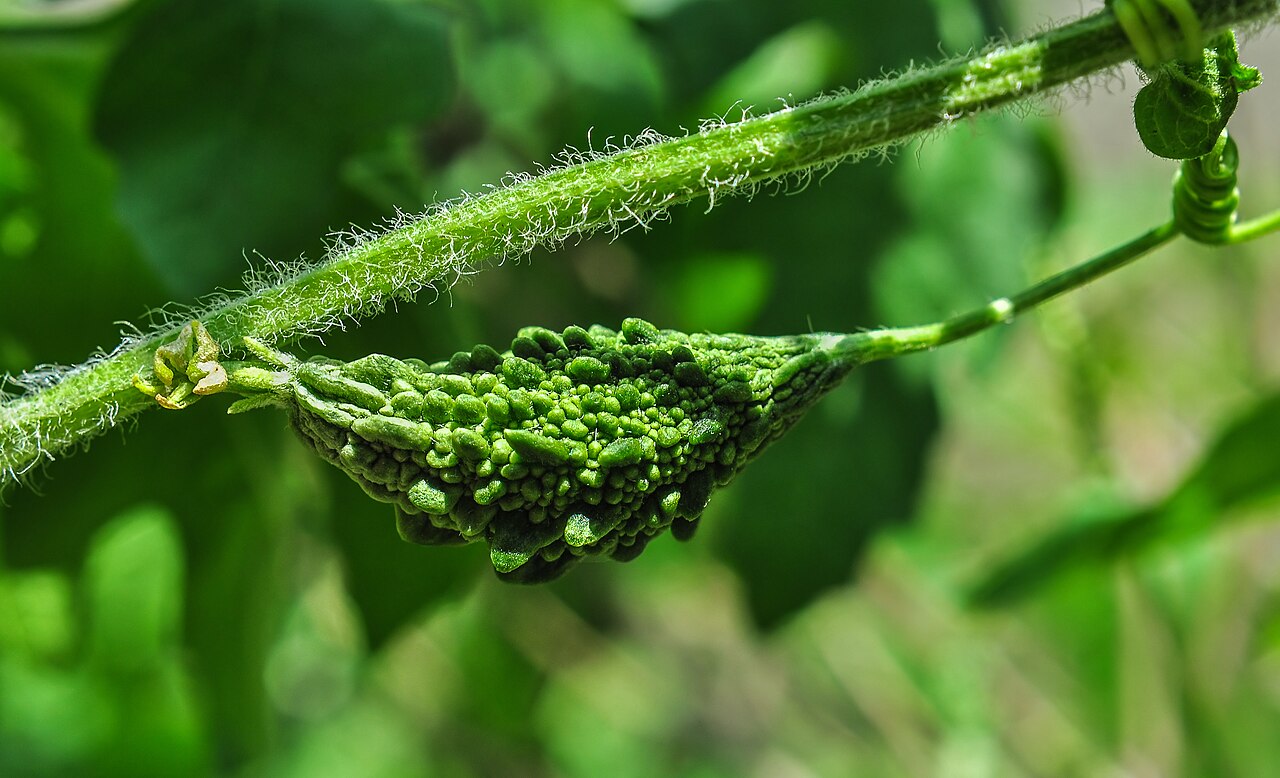
Bitter melon (bitter gourd, karela) is a cucurbit grown for its warty green fruit, and the bitterness is the point — cooks balance it with salt, fat, and strong flavors, the way grapefruit bitterness is a feature, not a flaw. If you have never cooked it, try it before planting a whole fence of it; enthusiasm for bitter melon is genuine but not universal.
Start indoors 3–4 weeks before last frost or direct-sow when soil is 70°F or warmer; nicking or soaking seed overnight speeds germination, which can otherwise be slow and uneven. Trellis it — vines are vigorous, fruit hangs cleaner and straighter on a fence or arch, and a vertical vine takes a fraction of the ground space of a sprawling one.
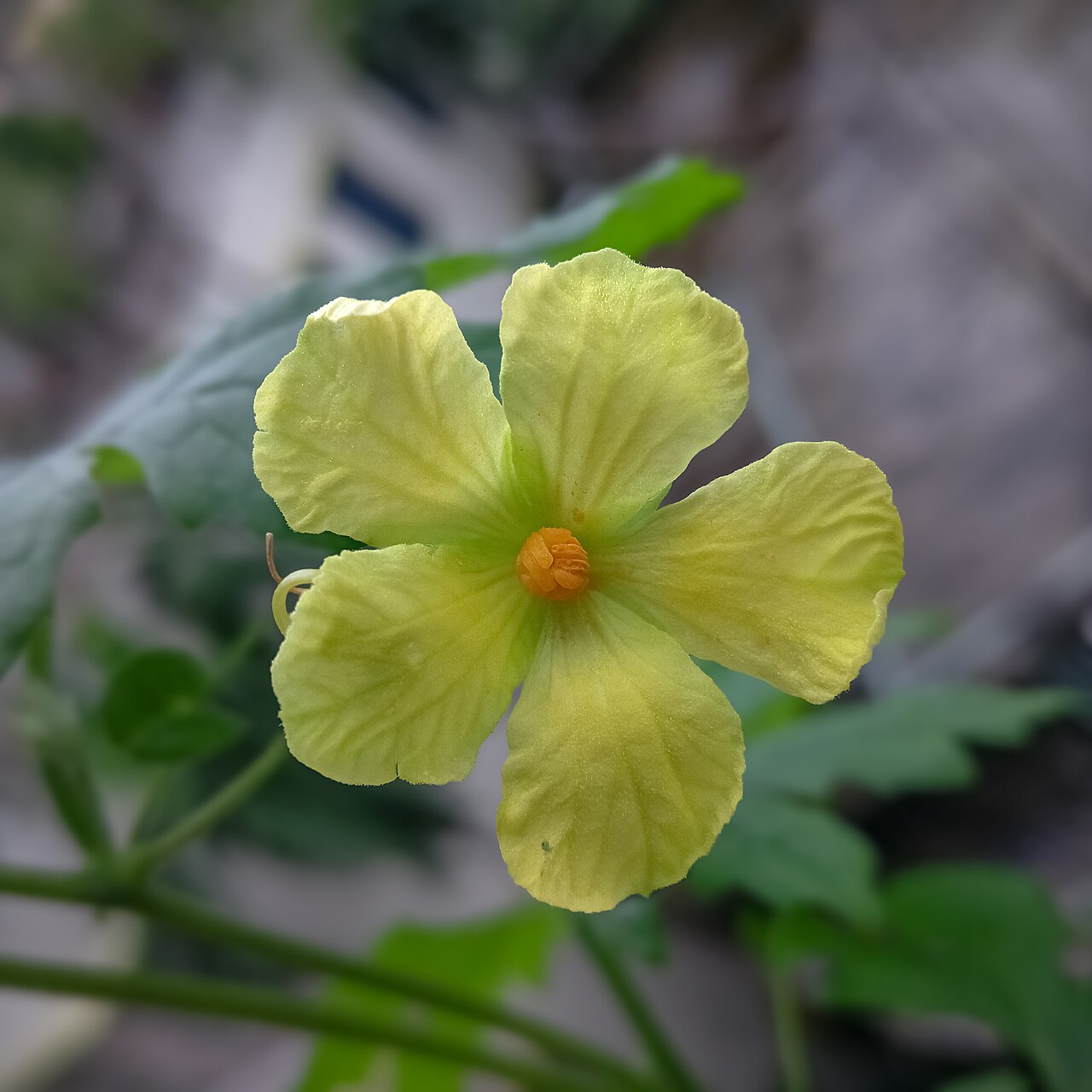
Like cucumbers, bitter melon has separate male and female flowers and needs bees; hand-pollinate morning flowers if fruit fails to set. Pick young and often: the plant produces continuously in heat, and neglected fruit turns yellow-orange, splits, and gets dramatically more bitter.
Water & feeding
Deep, regular water — 1–2 inches a week — at the base; drought makes fruit smaller and more bitter, and stress can cause misshapen fruit. Work worm castings into the planting hole and side-dress monthly in a long season; castings carry a low burn risk and support continuous fruiting without a nitrogen surge that grows vine at the expense of fruit.
Common problems
- Poor germination: old seed or cool soil — use fresh seed, soak overnight, and wait for warm soil.
- Fruit flies and melonworms in warm zones: bag individual fruit in small paper or mesh bags once set — a common and effective practice.
- Powdery mildew late in the season: water at the base, improve airflow on the trellis, and accept late-season decline.
- Fruit turning yellow and splitting: left too long — pick green and firm, every few days at peak.
Harvest
Pick when fruit is green, firm, and full-sized (6–12 inches depending on variety) but before it yellows. Cut with a short stem. To cook: halve, scoop seeds, slice, salt for 20–30 minutes, rinse, and squeeze dry — this tames (not removes) the bitterness — then stir-fry, stuff, or add to soups and curries. Ripe yellow fruit with red seed coats is ornamental, not dinner.
Browse all plant & pest guides
Saving seeds
Bitter melon (Momordica charantia) makes seed saving gloriously obvious, because the fruit tells you when it is ready by ruining itself for dinner. The green, warty fruit you cook is unripe. The seed fruit is the one you left on the vine past that stage until it turned yellow, then orange, then split open to show seeds in bright red coats. That split, overripe fruit is not a failure. It is the seed crop, and you should plan for it: leave a few of the best fruits on each vine untouched while you harvest the rest for the kitchen, and let them go fully, almost embarrassingly ripe.
Scoop the seeds and their red arils into a bowl, rub and rinse them in water until the slippery red coating and pulp are gone, and spread the clean seeds in a single layer to dry in the shade with good airflow for a week or two. In Florida humidity, shade-drying outdoors can stall, so finish the job indoors — a mesh tray near a fan, turned daily — and do not seal seed away until it snaps rather than bends and feels completely dry. Store it in a labelled, airtight jar with a desiccant packet, cool and dark. Well-dried bitter melon seed commonly stays viable for a couple of seasons, so a packet saved this year is next year’s planting, not an heirloom to be hoarded indefinitely.
Pollination is where honesty matters most. Bitter melon has separate male and female flowers on the same vine and is insect-pollinated, so bees will happily carry pollen from one bitter melon variety to another. Commercial seed production uses very large isolation distances — around a thousand metres is the figure often cited — which no home garden can provide, so do not pretend your packet is isolated if it is not. The home-garden methods that actually work are simpler: grow only one variety for seed, or, if you grow several, hand-pollinate a few female flowers and bag them before and after so no bee gets there first, marking those fruits with a tag. Open-pollinated and heirloom varieties grown in isolation will grow true from saved seed; seed from an F1 hybrid variety will not, and will give you a mixed bag of offspring that may look nothing like the parent. If the variety name on your packet ends in F1, enjoy the fruit and buy fresh seed.
When sowing time comes, remember the seed coat is thick: soaking overnight in warm water, or lightly nicking the coat away from the seed’s eye, speeds germination, which can otherwise be slow and uneven. Sow into warm soil, well after frost, and keep it moist. And one last plain warning: the overripe seed fruit is for seed, not for eating. Ripe fruit and seeds can be mildly toxic in excess, so the seed harvest goes into the packet and the kitchen harvest stays green, firm and picked young — two different fruits from the same vine, and never confuse them.
Varieties
Every named variety of Bitter Melon with its own growing guide:
- Big Top Bitter Melon — The heart-shaped Chinese heirloom — big, smooth-skinned, softball-sized fruit with a milder bite.
- Taiwan Large Bitter Melon — The long, light-green Chinese type — a proven performer in variety trials, built for big fruit.
- Hong Kong Green Bitter Melon — The smaller, darker green type from the same trials — a favorite of tasters who like their bitter melon bold.
- White Pearl Bitter Melon — The white bitter melon: pale, warty, and noticeably milder — the bitter melon for people who are bitter-curious.
- Indian Green Bitter Melon — The small, spiky, dark-green Indian bitter melon: intensely bitter, intensely loved, and the one for serious curry cooks.
- Abashi Bitter Melon — The Okinawan heirloom with deep-green, mild fruit that tolerates heat up to 100 degrees and means it.
- Ganjyu Bitter Melon — The extra-large, light-green Okinawan goya: uniform, great-flavored, and a staple of the island's famous diet.
- Green Skin Bitter Melon — The smooth-warted green heirloom: a classic bitter gourd shape, widely grown, and ready in about 60 days.
- White Apple Bitter Melon — The round, apple-shaped white bitter melon with pearl-like skin — a hybrid that looks like jewelry and cooks like dinner.
- Common Foo Gwa Bitter Melon — The traditional Chinese bitter melon: warty green fruit, centuries of kitchen use, and the baseline every other type is measured against.