
🥒 Indian Green Bitter Melon
What it looks like
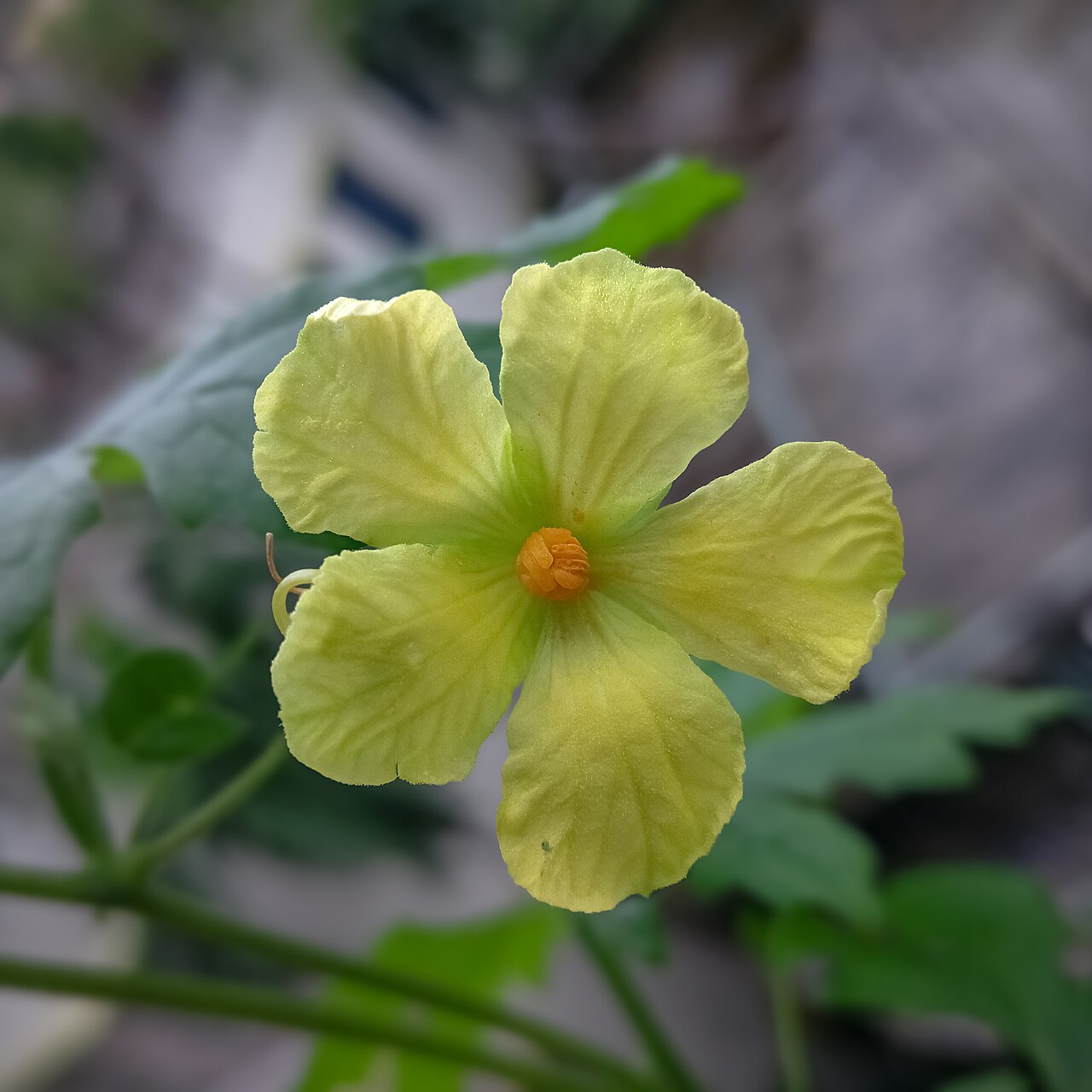
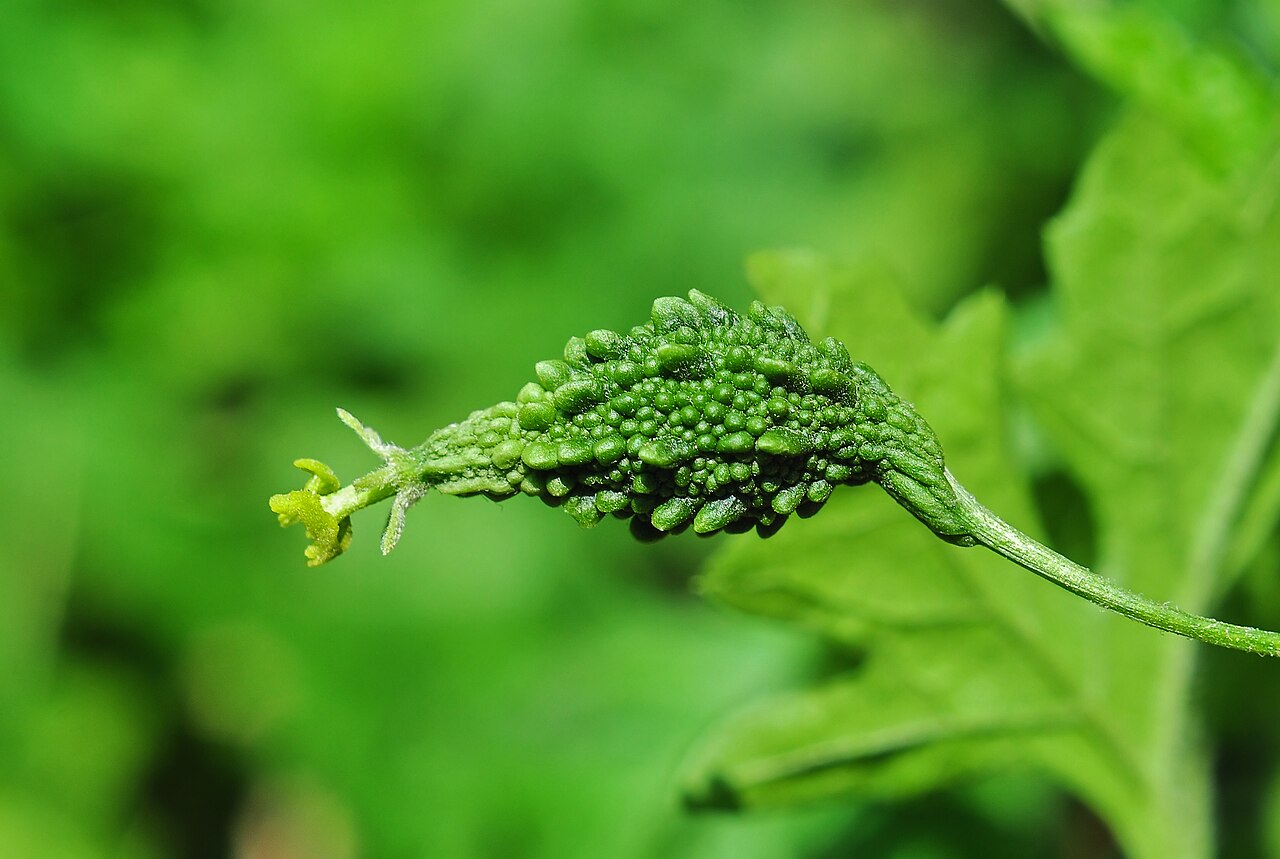
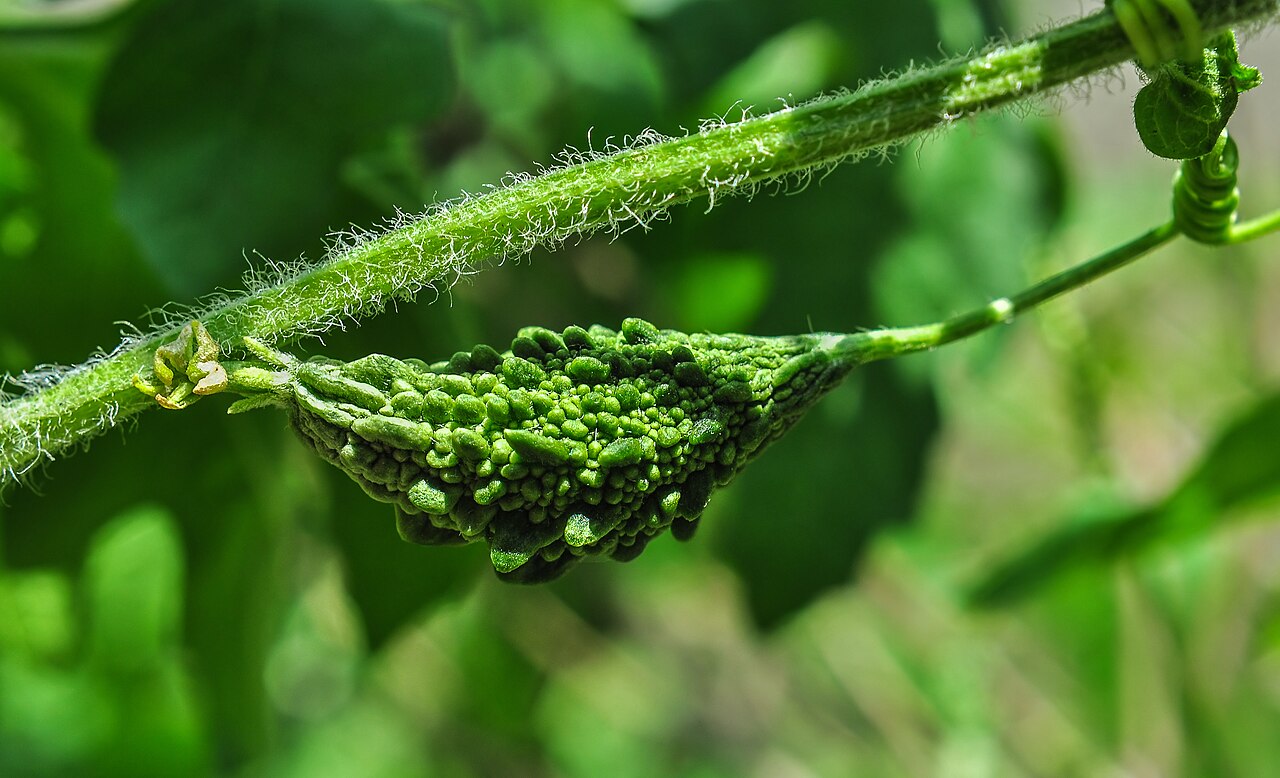
Photos show the species, bitter melon (Momordica charantia), since no cultivar-specific photo verified for this variety — the species photos above are already hosted on this site and attributed as on the species guide.
Why this variety
Indian Green is the bitter melon of Indian cooking: small, dark-green, densely spiky fruit, 4-6 inches long, with the most intense bitterness of any bitter melon type — and a devoted following to match. It is the karela of curries, stuffed dishes, and stir-fries, where bitterness is not a flaw to hide but a flavor to balance with spice, sour, and salt.
Indian and Chinese bitter melons are the same species, Momordica charantia, selected in different directions: Chinese types are larger, paler, smoother, and milder; Indian types are smaller, darker, spikier, and far more bitter, because Indian cooking built dishes around that bitterness instead of around avoiding it. That is a useful lesson in how cuisine shapes crops — the same plant, two philosophies, and both are correct in their own kitchens.
Florida translation: Indian Green thrives in Florida heat and produces heavily on a trellis — small fruit ripens fast, so pick every few days at peak before fruit yellows and splits. Bag fruit once set against fruit flies and melonworms, water at the base to limit mildew, and cook it the Indian way: slice, salt 20-30 minutes, rinse, squeeze dry, then fry with onion, spice, and something sour — the bitterness becomes a bass note instead of a shout.
How to grow
Soak seed overnight and sow after soil is thoroughly warm. Spacing follows the species standard: 12-18 inches apart on a strong trellis. Work worm castings into the bed at planting and side-dress at running and first fruit set. Because fruit is small and fast, check vines every two to three days at peak — a small fruit left too long yellows and splits quickly in warm weather.
If you are new to choosing between cultivars, the Varieties Matter guide explains why the name after the plant matters as much as the plant itself. For the general picture, start with the Bitter Melon growing guide, then use this guide for the details that make Indian Green Bitter Melon different.
Water & feeding
Water deeply and evenly — bitter melon vines are vigorous and thirsty, about an inch a week, delivered at the base so leaves stay dry. Mulch to hold moisture and suppress weeds, and feed with worm castings at planting plus a side-dress once vines start running and again at first fruit set. A hungry vine makes small, extra-bitter fruit; a fed vine makes the big, full-sized fruit the variety is known for.
Common problems
- Poor germination — old seed or cool soil. Use fresh seed, soak overnight, and wait for warm soil.
- Fruit flies and melonworms in warm zones — bag individual fruit in small paper or mesh bags once set, a common and effective practice.
- Powdery mildew late in the season — water at the base, improve airflow on the trellis, and accept late-season decline.
- Fruit turning yellow and splitting — left too long. Pick green and firm, every few days at peak.
Harvest
Pick when fruit is green, firm, and full-sized (size depends on the variety) but before it yellows. Cut with a short stem. To cook: halve, scoop seeds, slice, salt for 20-30 minutes, rinse, and squeeze dry — this tames (not removes) the bitterness — then stir-fry, stuff, or add to soups and curries. Ripe yellow fruit with red seed coats is ornamental, not dinner.
Browse all plant & pest guides
Saving seeds
Indian Green is the bitter melon of Indian cooking, small, dark-green, densely spiky fruit with the most intense bitterness of any bitter melon type, so saved seed comes true — soak seed overnight and sow after soil is thoroughly warm, on a strong trellis. The full method is in the Saving seeds section of the Bitter Melon guide.