
🥒 Ganjyu Bitter Melon
What it looks like
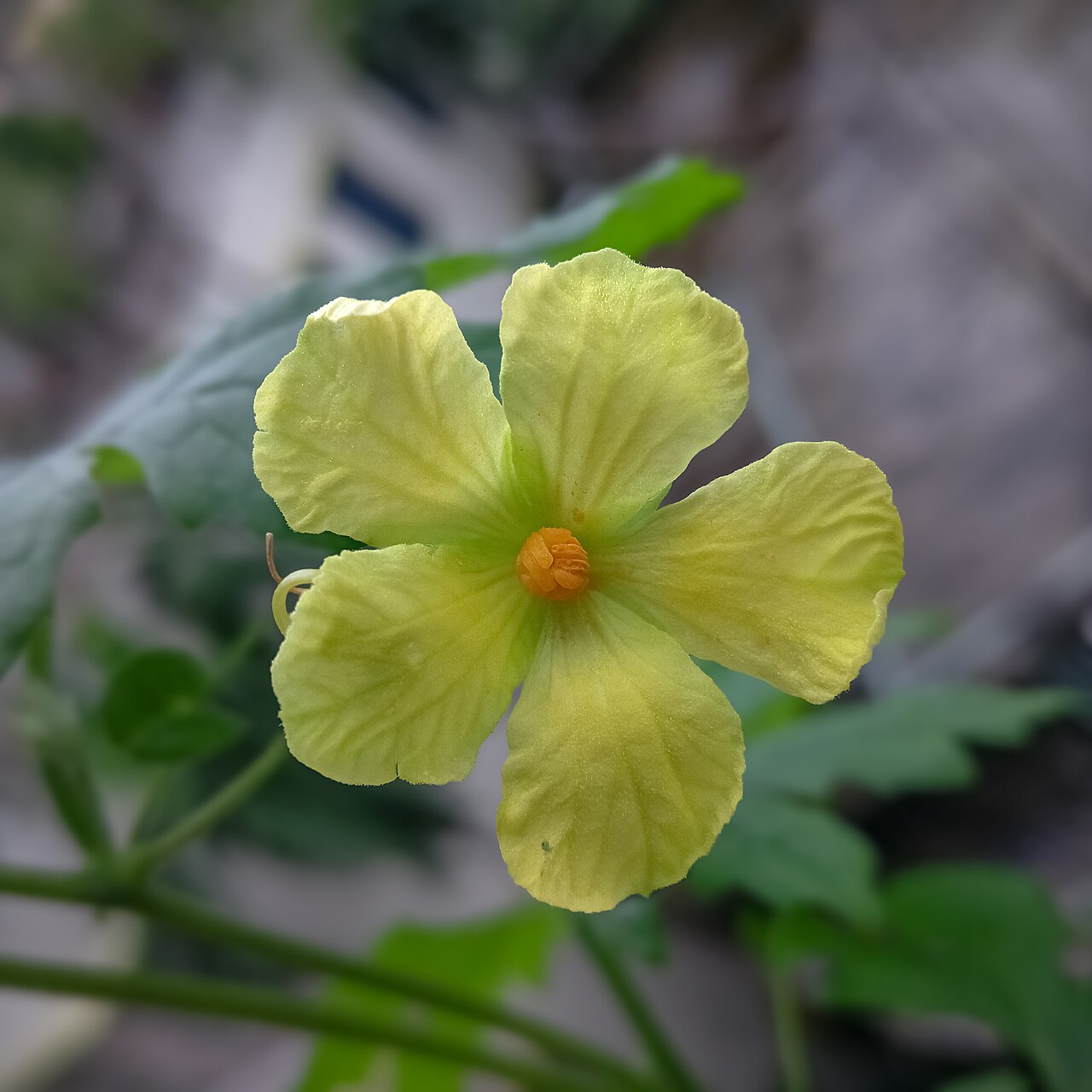
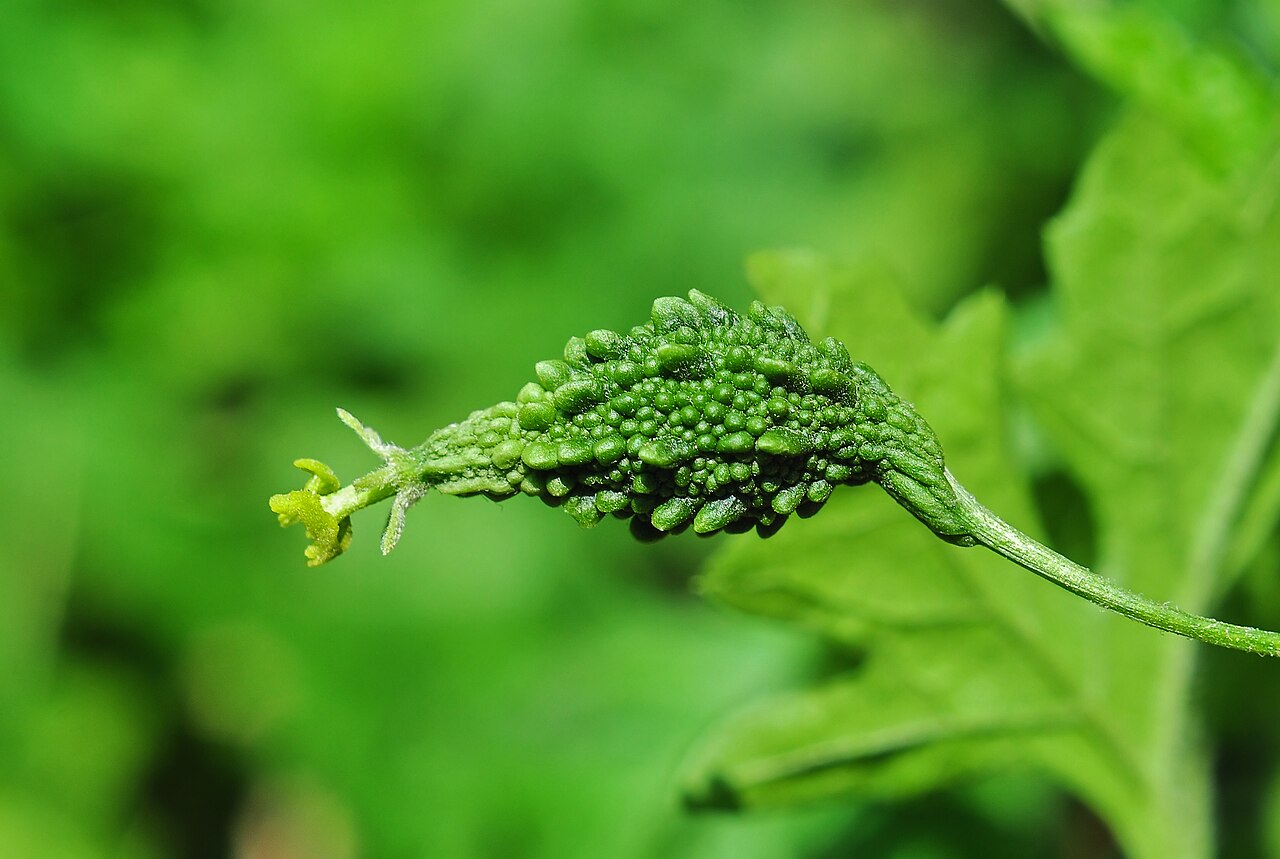
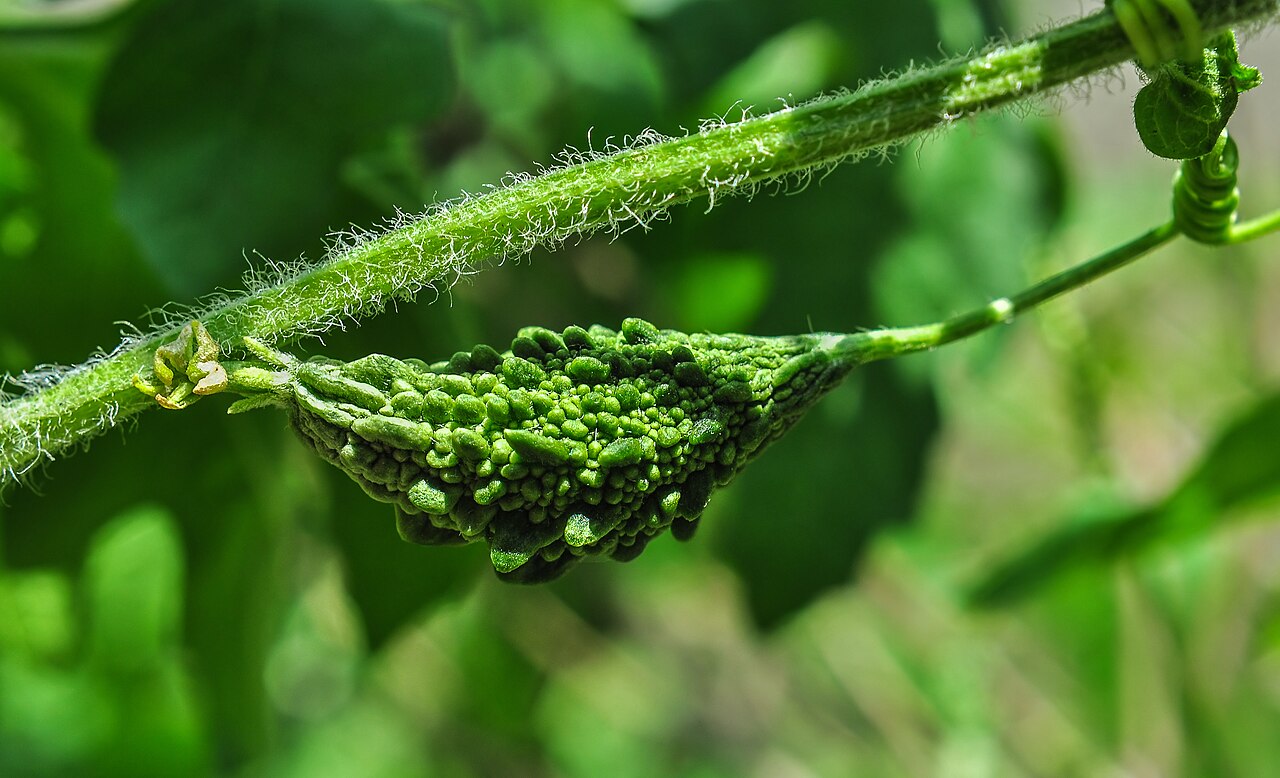
Photos show the species, bitter melon (Momordica charantia), since no cultivar-specific photo verified for this variety — the species photos above are already hosted on this site and attributed as on the species guide.
Why this variety
Ganjyu is the big, gentle goya. It is an extra-large, light-green heirloom from Japan, with uniform, great-flavored fruit — the kind of bitter melon that shows up in Okinawan cooking as a staple, not a dare. Light-green fruit is typically milder than dark-green, spiky Indian types, and Ganjyu leans into that mildness with a clean, fresh flavor that takes well to stir-frying.
Pick it young, while the skin is still light green, for the best texture and the mildest bitterness. A Ganjyu left to mature fully will yellow, soften, and split — at which point it has become a seed-saving project, not dinner. The vine needs a long, warm season, about 75-85 days to maturity, and a trellis strong enough for extra-large fruit.
Florida translation: Ganjyu’s Okinawan heritage is a climate match for Florida — heat, humidity, and a long season are its native conditions. In the Okinawan longevity diet, bitter melon is an everyday food, not a supplement, and Ganjyu’s size and mildness make it the easiest variety in this collection to cook with regularly. Slice, salt, rinse, stir-fry with egg and tofu, and you have goya champuru.
How to grow
Bitter melon is a tropical vine and it acts like one: give it heat, sun, and something tall to climb, and it will take the rest from there. Start indoors 3-4 weeks before warm weather or direct-sow once soil is warm, spacing plants 24 inches apart on a trellis; vines run 10-15 feet. A sturdy trellis is not optional decoration — fruits hanging free grow straighter, stay cleaner, and are far easier to spot before they over-ripen.
Work compost and castings into the bed, mulch to hold moisture, and train the vine up early. Male flowers appear first; female flowers, with a tiny fruit behind the petals, follow. If pollinators are scarce, hand-pollinate in the morning with a small brush — the difference between a vine full of flowers and a vine full of fruit is often one bee.
If you are new to choosing between cultivars, the Varieties Matter guide explains why the name after the plant matters as much as the plant itself. For the general picture, start with the Bitter Melon growing guide, then use this guide for the details that make Ganjyu Bitter Melon different.
Water & feeding
Even moisture, about 1-1.5 inches per week, at the soil line — wet leaves in humid air invite mildew, and dry roots invite dropped flowers. Feed at planting with compost and castings, then side-dress monthly while the vine is fruiting; a heavy-bearing vine is a hungry vine. Mulch thickly, but keep mulch off the stem.
Common problems
- Powdery mildew — white dust on leaves in humid weather. Give the vine air, water at the soil line, and remove badly affected leaves rather than spraying the whole plant into submission.
- Cucumber beetles — striped or spotted, chewing leaves and flowers. Row cover until flowering, then uncover so pollinators can work.
- Poor fruit set — usually heat, drought, or a lack of pollinators. Keep water even, plant flowers nearby, and hand-pollinate in the morning if bees are scarce.
- Fruit left too long — a bitter melon that turns yellow-orange on the vine has gone past eating and into seed-saving. Pick green and firm, and pick often.
Harvest
Pick while the fruit is firm, glossy, and still green — or white for white types — at full size but before it softens or yellows. Cut with a short stem. Use within a few days, refrigerated and wrapped to hold moisture. The classic move is to halve, scoop the seeds, slice, salt briefly, and rinse to tame the bitterness before stir-frying, stuffing, or adding to soup.
Browse all plant & pest guides
Saving seeds
Ganjyu is an extra-large, light-green heirloom bitter melon from Japan, so saved seed comes true — let a fruit mature fully on the vine until it yellows and splits, and isolate it from other bitter melons, which cross readily. The full method is in the Saving seeds section of the Bitter Melon guide.