
🥒 Hong Kong Green Bitter Melon
What it looks like
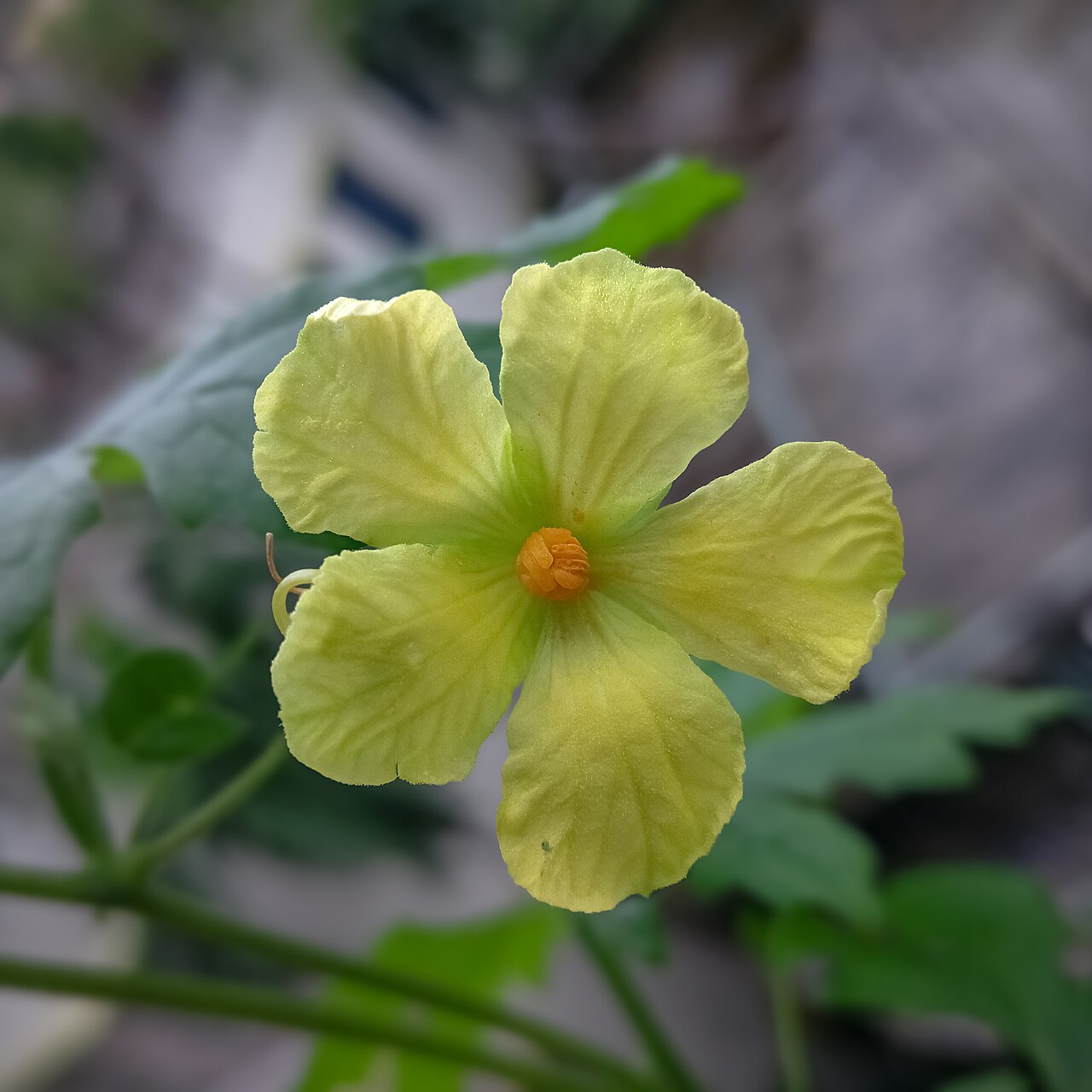
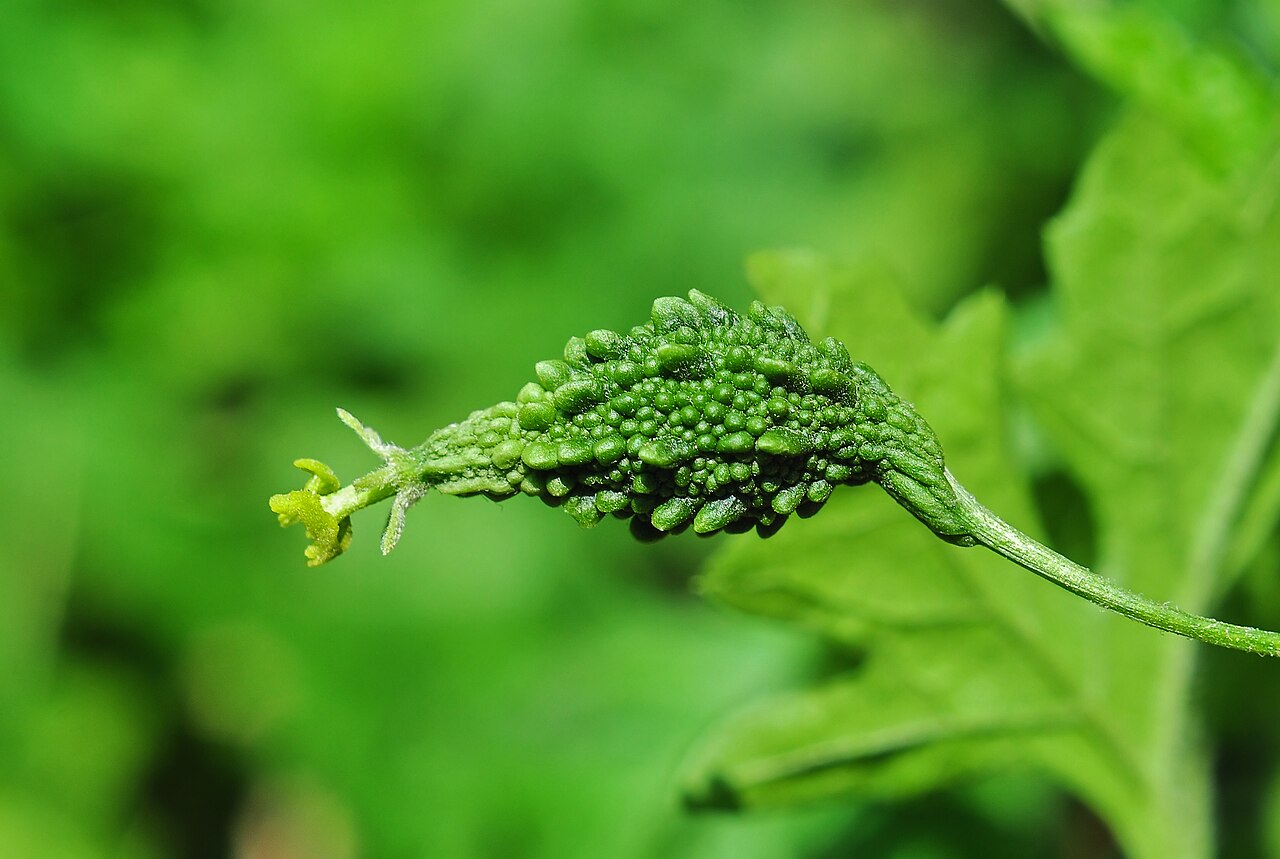
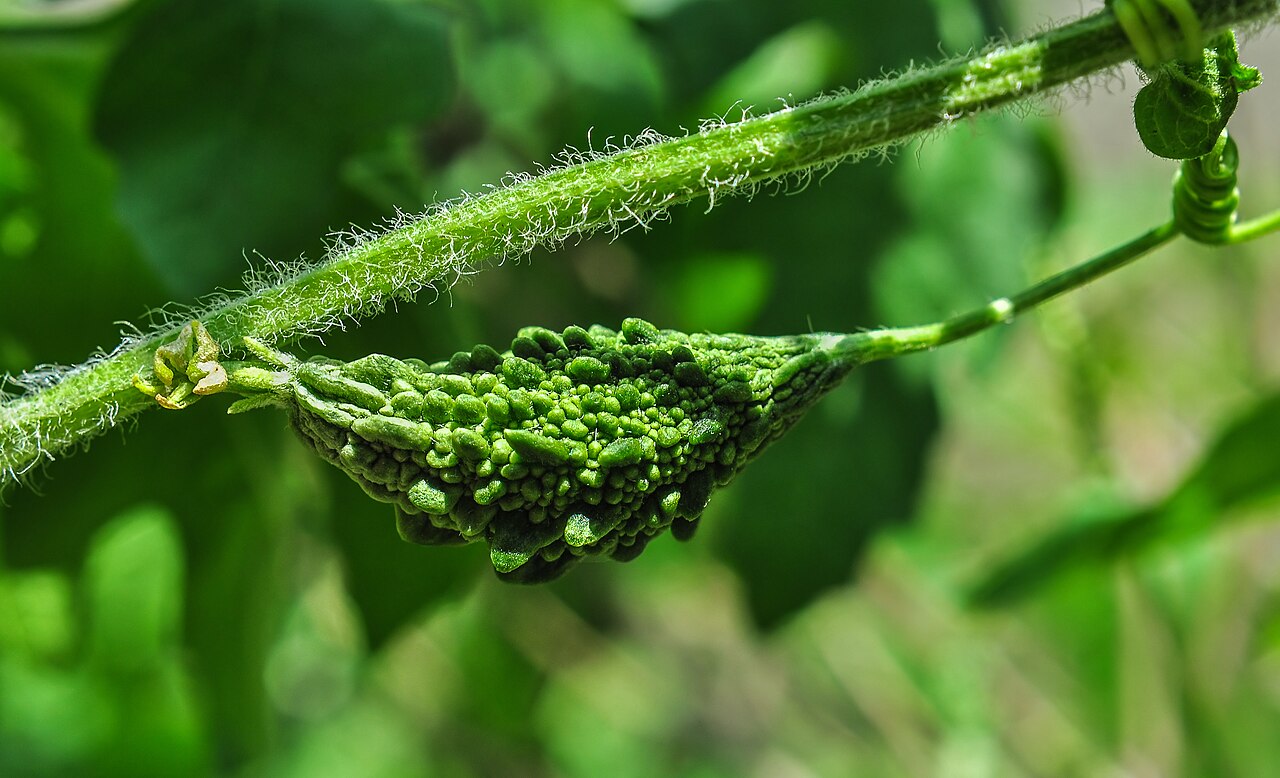
Why this variety
Hong Kong Green is the other side of the bitter melon family: smaller, darker green, and more intensely bitter than the long Chinese types. It was grown in the same SARE variety trial as Taiwan Large, and the tasters who preferred smaller fruits picked this style — proof that bitterness is a matter of taste, not a defect.
Smaller fruit has a practical advantage too: it matures a little faster in a picking sense, it is easier to use up in one meal, and a vine carrying many small fruit keeps producing steadily. If you grew up eating karela or you like your bitter melon to announce itself, this is your variety.
If you are new to choosing between cultivars, the Varieties Matter guide explains why the name after the plant matters as much as the plant itself. And if you want the whole clan at a glance, the broader Bitter Melon guide covers bitter melon generally.
How to grow
In Florida, bitter melon is in its element: give it a strong trellis, full sun, and the hottest months, and it will out-produce almost anything else on the vine. Plant after the soil is warm, and let it run — a single vine can cover a fence.
Culture is the same as for other bitter melons: warm soil, full sun, strong trellis, consistent water. Start seed indoors where the season is short, or direct-sow into warm soil. Scarifying or nicking the hard seed coat can speed germination, which is otherwise famously slow and uneven.
Water & feeding
Bitter melon is a thirsty vine in summer heat. Water deeply and consistently, mulch heavily to hold moisture, and feed every few weeks with a balanced fertilizer or a good dose of compost. Uneven watering gives you misshapen, extra-bitter fruit, so do not let the bed dry out between waterings.
Common problems
Cucumber beetles, fruit flies, and late-season mildew are the main troubles. Pick fruit before it yellows — once a fruit ripens and splits open to show its red arils, the vine’s energy shifts to seed and production drops.
Harvest
Pick young, green, and firm, and use the fruit the same day if you can — bitter melon is best fresh. The red arils around the seeds of an overripe fruit are sweet and edible, a strange little bonus, but the flesh itself is past its prime by then.
Nerdy fact: The seed of a ripe bitter melon is wrapped in a bright red, sweet aril — the plant’s way of bribing birds to spread its seed, and a reminder that bitterness and sweetness can live in the same fruit.
Saving seeds
Hong Kong Green is a smaller, darker green, more intensely bitter melon, so saved seed comes true — let a fruit mature fully on the vine and collect the seed, and give it a strong trellis in the hottest months. The full method is in the Saving seeds section of the Bitter Melon guide.