
🥒 Taiwan Large Bitter Melon
What it looks like
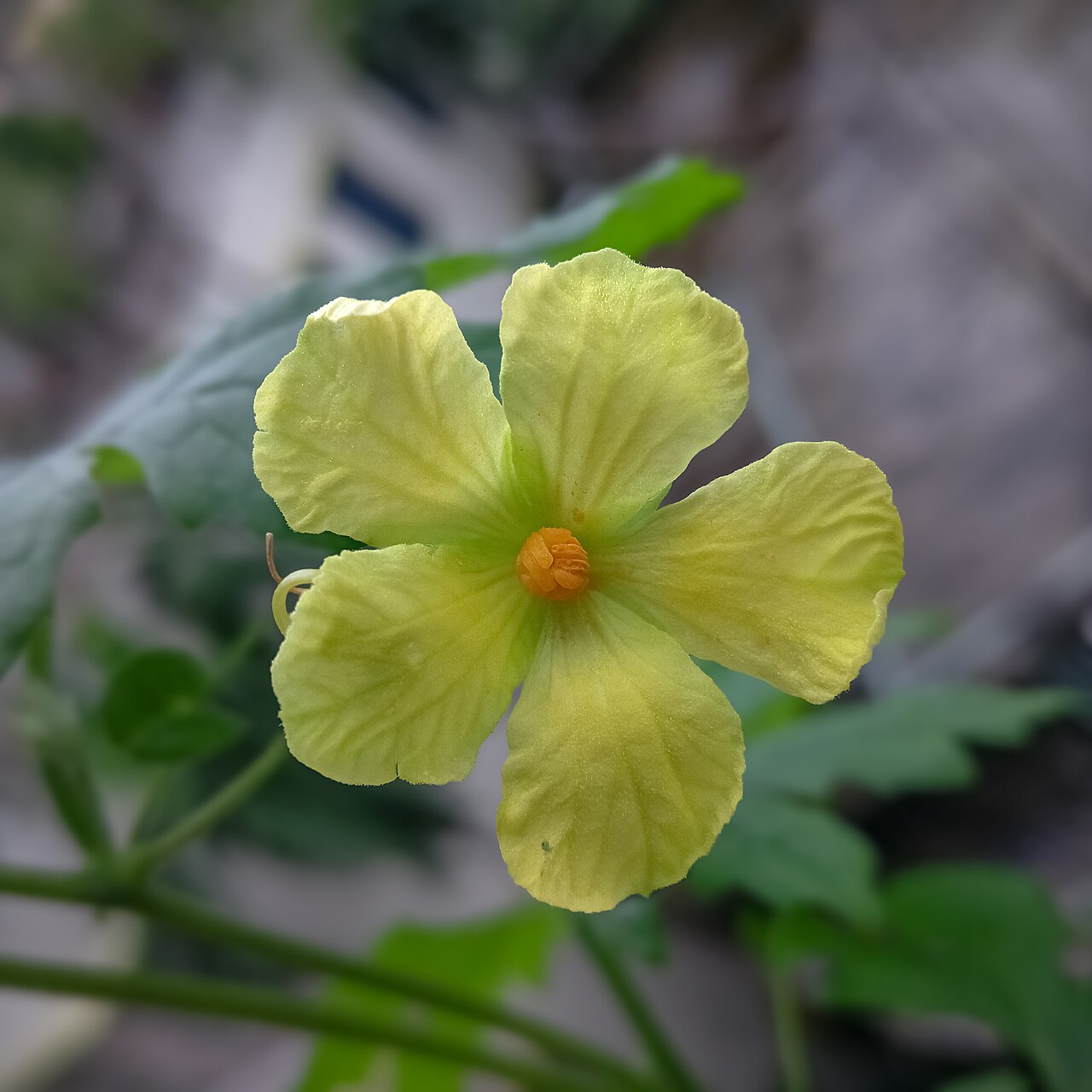
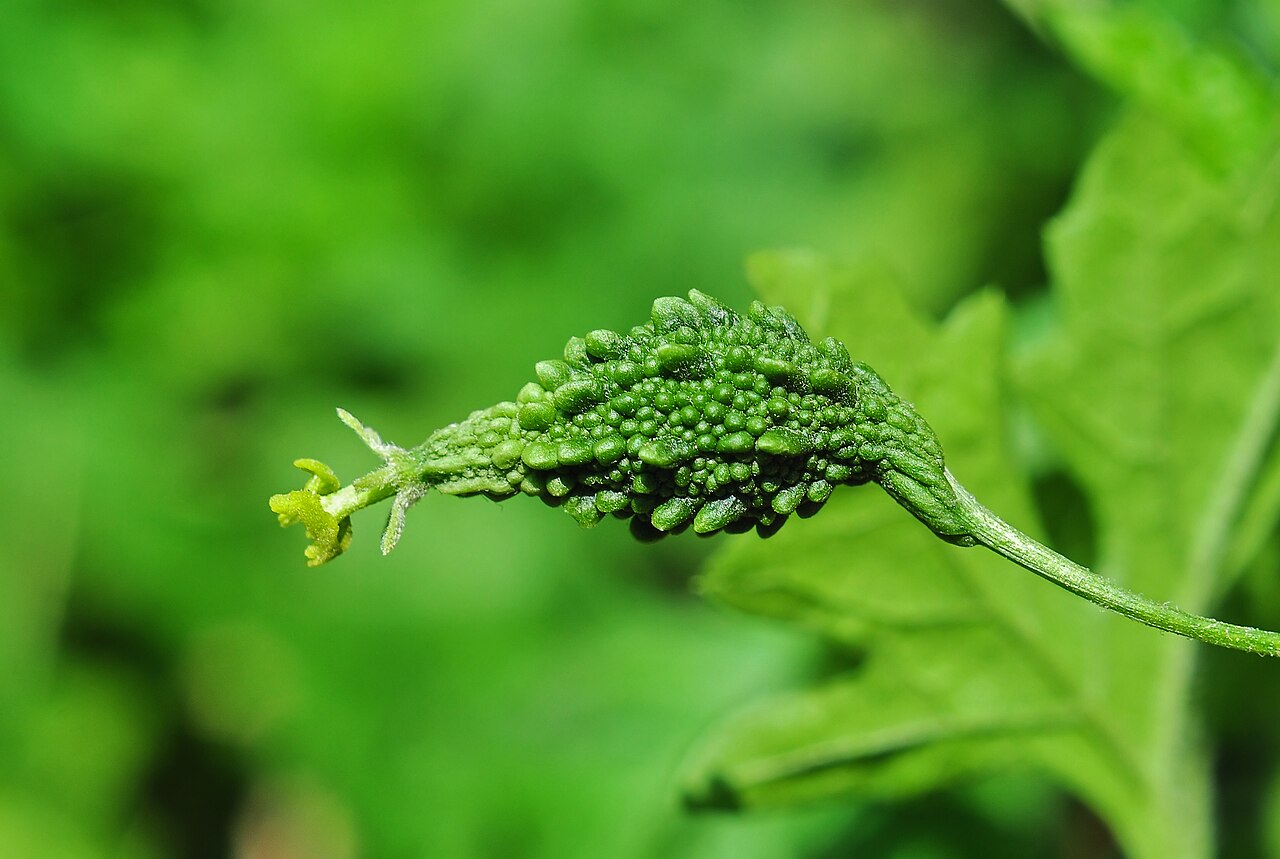
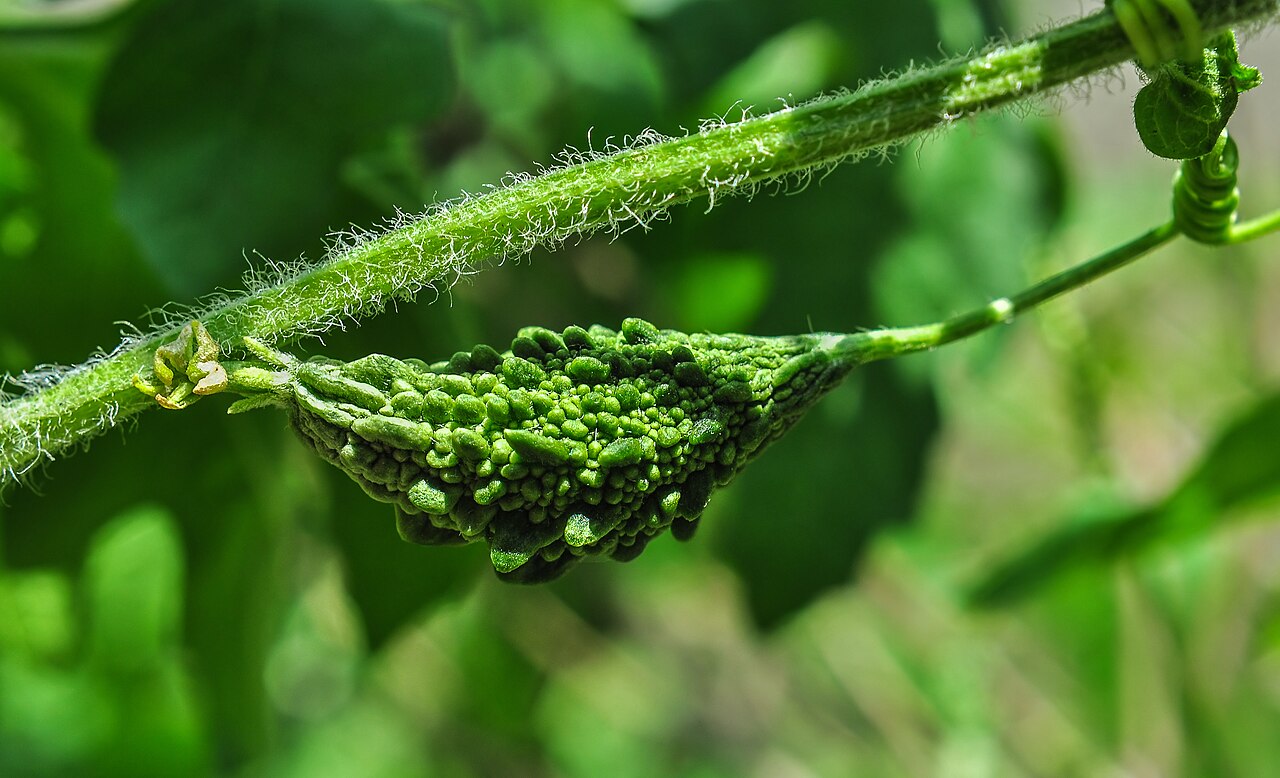
Why this variety
Taiwan Large is the classic long Chinese bitter melon: pale to light green, lightly ridged, and long — the kind of fruit you slice into rounds for stir-fries and soups. It earned its place here the honest way, in a SARE-funded variety trial that grew it alongside other named varieties and found it holding its own for yield and customer preference, with tasters splitting between the long, larger fruit and the smaller types.
For the cook, the Chinese types are the milder end of the bitter melon spectrum: less spiky, less aggressively bitter than the small Indian types, and with a cleaner crunch. If your household eats bitter melon in soups and stir-fries rather than stuffed and fried, this is the shape and flavor you want.
If you are new to choosing between cultivars, the Varieties Matter guide explains why the name after the plant matters as much as the plant itself. And if you want the whole clan at a glance, the broader Bitter Melon guide covers bitter melon generally.
How to grow
In Florida, bitter melon is in its element: give it a strong trellis, full sun, and the hottest months, and it will out-produce almost anything else on the vine. Plant after the soil is warm, and let it run — a single vine can cover a fence.
Grow it like any heat-loving cucurbit: warm soil, full sun, and a trellis that can hold real weight. Start indoors or direct-sow after the soil warms, space generously, and water consistently. The vines are vigorous, so give them a fence or an overhead arbor rather than a flimsy tomato cage.
Water & feeding
Bitter melon is a thirsty vine in summer heat. Water deeply and consistently, mulch heavily to hold moisture, and feed every few weeks with a balanced fertilizer or a good dose of compost. Uneven watering gives you misshapen, extra-bitter fruit, so do not let the bed dry out between waterings.
Common problems
Watch for cucumber beetles early and powdery mildew late; good airflow on a trellis is your best defense. Fruit that is allowed to ripen to yellow and split will stop the vine’s production, so pick young and pick often.
Harvest
Harvest when the fruit is full-sized but still green and firm, with the ridges well defined. Slice, salt lightly, and let it sit a few minutes before cooking if you want to tame the bitterness a notch — or skip the salting if your household likes it bold.
Nerdy fact: Bitter melon is one of the few vegetables whose bitterness is the selling point rather than a flaw: in much of Asia it is eaten precisely because it is bitter, the way some people drink their coffee black.
Saving seeds
Taiwan Large is the classic long Chinese bitter melon: pale to light green, lightly ridged, and long — the kind of fruit you slice into rounds for stir-fries and soups. It earned its place here the honest way, in a SARE-funded variety trial that grew it alongside other named varieties and found it holding its own for yield and customer preference, with tasters splitting between the long, larger fruit and the smaller types. For the cook, the Chinese types are the milder end of the bitter melon spectrum: less spiky, less aggressively bitter than the small Indian types, and with a cleaner crunch. If your household eats bitter melon in soups and stir-fries rather than stuffed and fried, this is the shape and flavor you want. Whether Taiwan Large comes true from seed is not pinned down in the sources I checked — no seed house states open-pollinated or F1 for this named variety, and bitter melon does have named F1 hybrids in the trade — so do not count on saved seed giving you the same long, mild fruit. Buy fresh seed and grow it like any heat-loving cucurbit: warm soil, full sun, and a trellis that can hold real weight, because in Florida a single vine can cover a fence. Start indoors or direct-sow after the soil warms, space generously, and water consistently. The full method is in the Saving seeds section of the Bitter Melon guide.