
🥬 Joi Choi Bok Choy
What it looks like
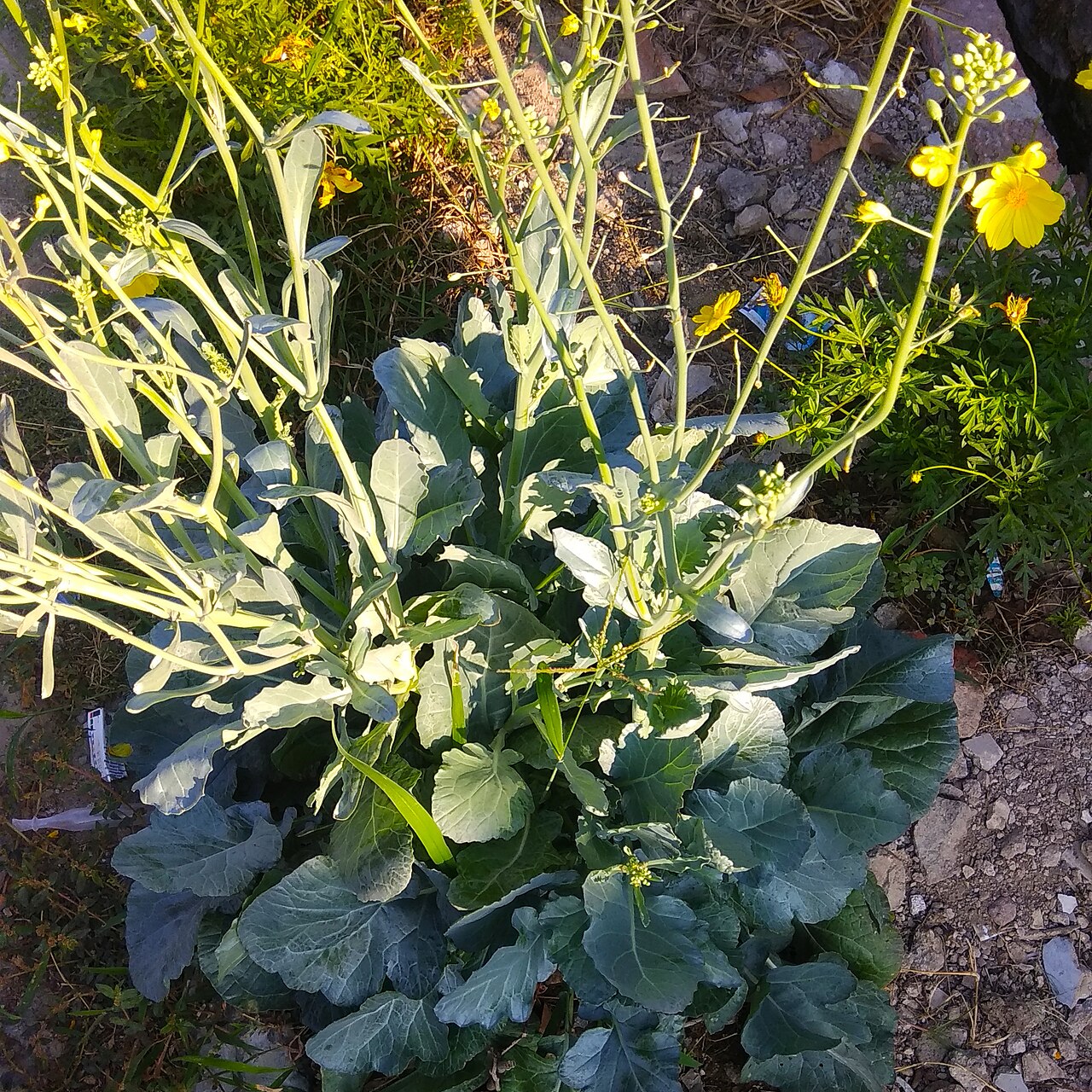
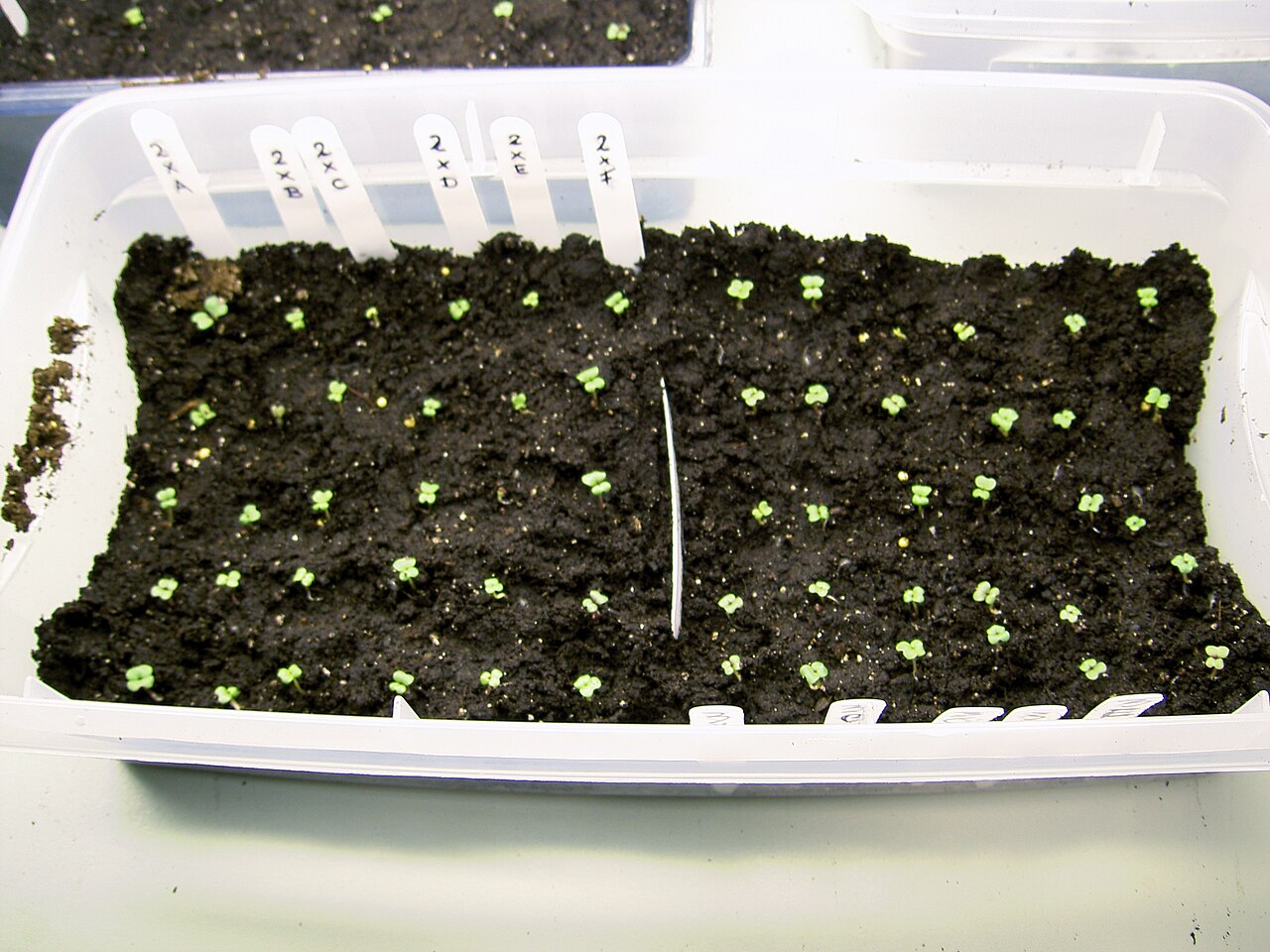
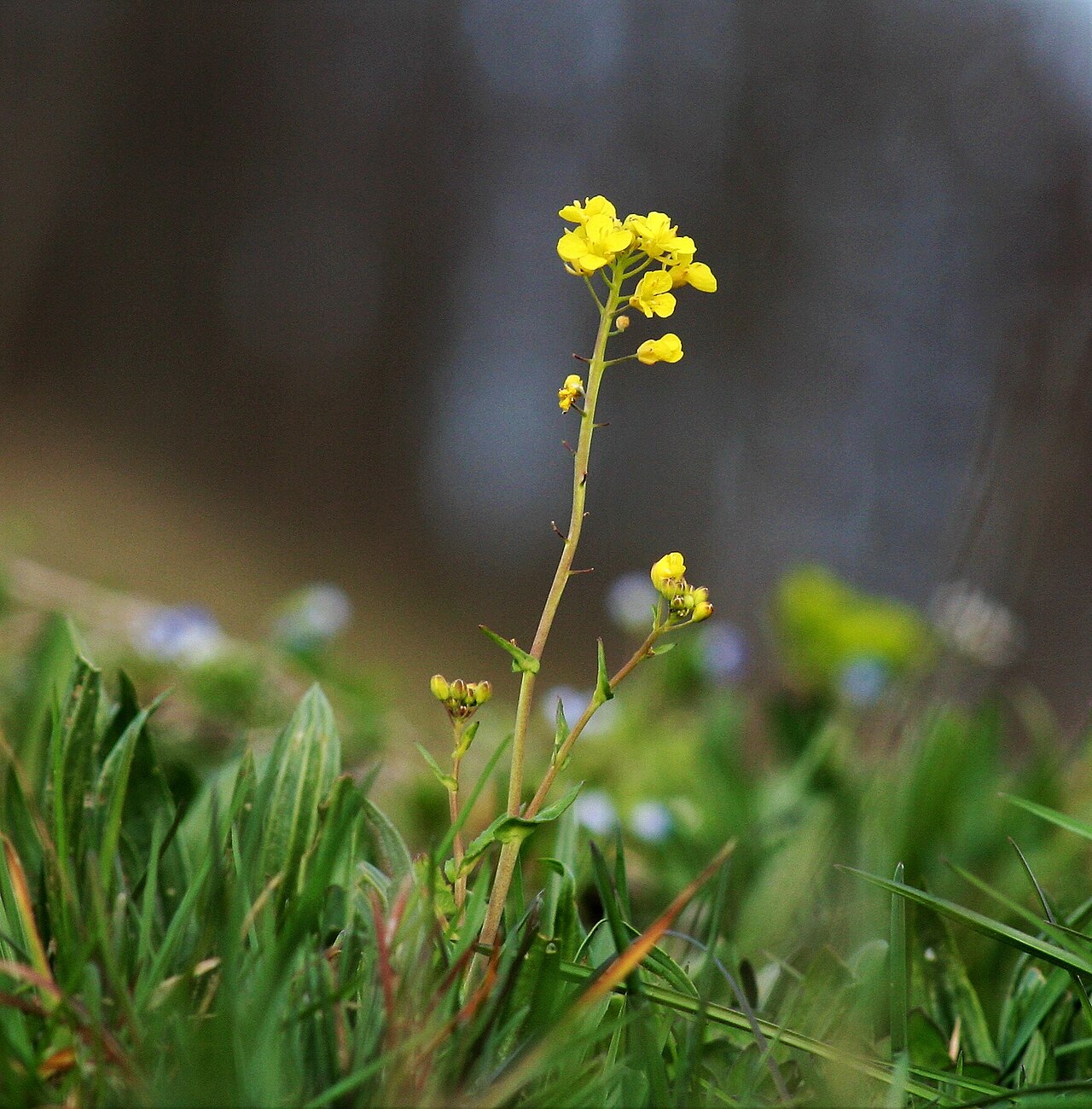
Why this variety
Joi Choi is the full-size bok choy most growers reach for first, and Johnny’s comparison chart explains why: a 50-day hybrid with thick, crisp white stalks, dark green leaves, and a well-earned reputation for being slow to bolt. In a crop where bolting is the number-one heartbreak, slow to bolt is not a minor trait — it is the whole game.
Full-size means full-size: plants reach 12–15 inches tall with broad, vase-shaped heads that hold up in stir-fries and soups without collapsing into mush. If you want one bok choy that does everything — baby harvest, full heads, fall crop, spring crop — Joi Choi is the safe, generous pick.
If you are new to choosing between cultivars, the Varieties Matter guide explains why the name after the plant matters as much as the plant itself. And if you want the whole clan at a glance, the broader Bok Choy guide covers bok choy generally.
How to grow
In Florida, bok choy is a cool-season star: sow it from fall through early spring, give it afternoon shade if a warm spell hits, and harvest before the heat turns it to flower. A spring sowing that bolts is not a failure — it is a lesson in timing, and the fall sowing will forgive you.
Sow directly or transplant, spacing 10–12 inches apart for full heads. In warm climates, give afternoon shade and keep the soil moist; a stressed bok choy bolts, and a bolted bok choy is compost. Succession-sow every two weeks for a steady supply rather than one giant glut.
Water & feeding
Bok choy grows fast and drinks steadily. Keep the soil evenly moist, mulch to hold that moisture, and feed with compost or a balanced fertilizer at planting and again halfway to harvest. Dry soil plus heat is the recipe for bolting, so water before the leaves wilt, not after.
Common problems
Flea beetles love brassica seedlings, and cabbage worms love the leaves. Row cover over young plants solves most of it, and hand-picking handles the rest. Bolting is the other enemy: plant for cool weather and water before stress, not after.
Harvest
Cut the whole head at the base when it is full and firm, before a flower stalk appears. Or harvest outer leaves as needed and let the center keep growing — bok choy is forgiving that way. Baby Joi Choi, cut young, is tender enough for salads.
Nerdy fact: Bok choy and pak choi are the same plant — the difference is transliteration, not botany. Brassica rapa subsp. chinensis has been grown in China for well over a thousand years, which makes your stir-fry older than most countries.
Saving seeds
Joi Choi is the full-size bok choy most growers reach for first, a 50-day hybrid with thick, crisp white stalks, dark green leaves, and a well-earned reputation for being slow to bolt, so saved seed won’t grow true — buy fresh seed each season. The Saving seeds section of the Bok Choy guide covers seed for the species generally.