
🥬 Bok Choy
What it looks like
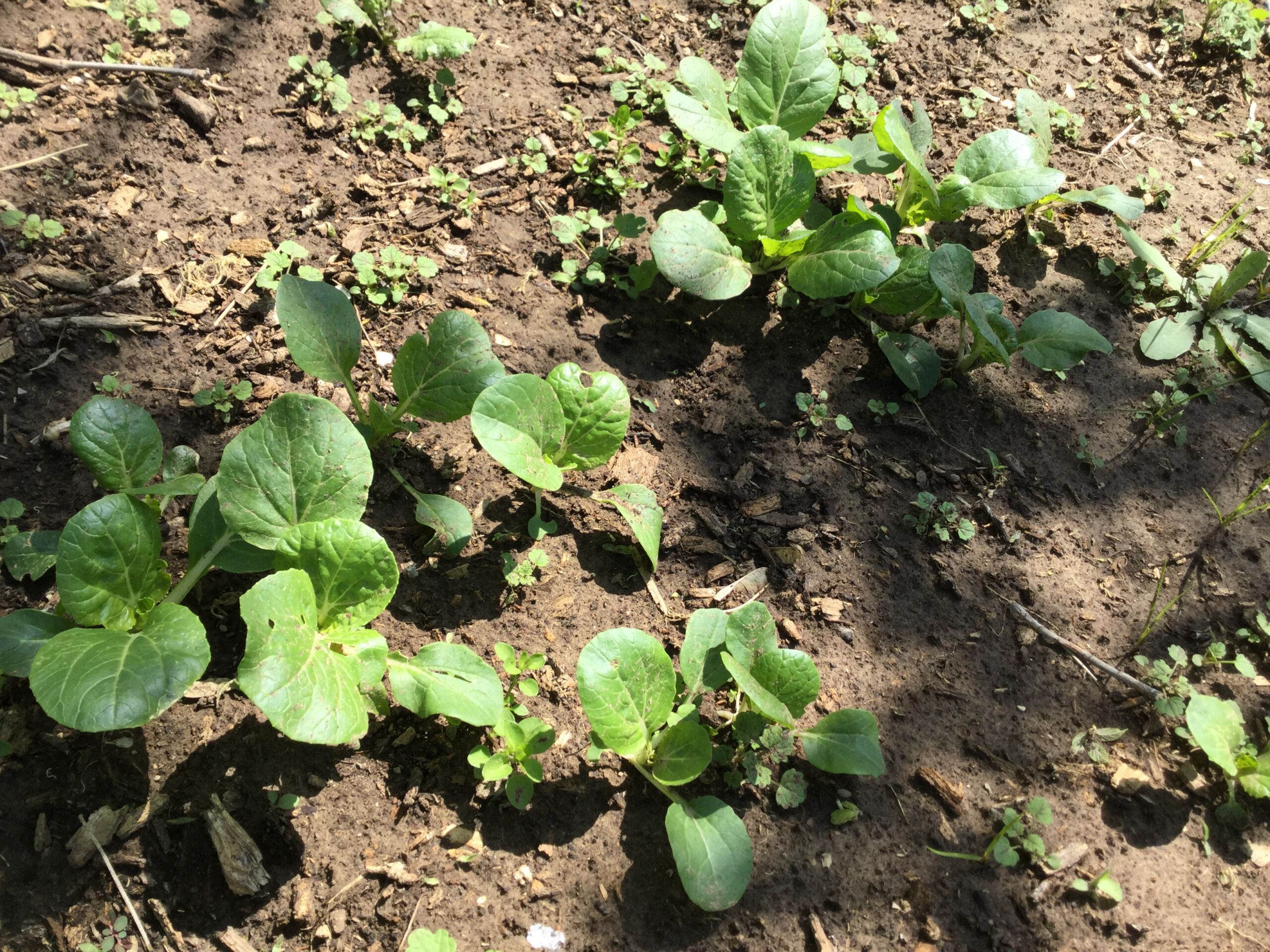
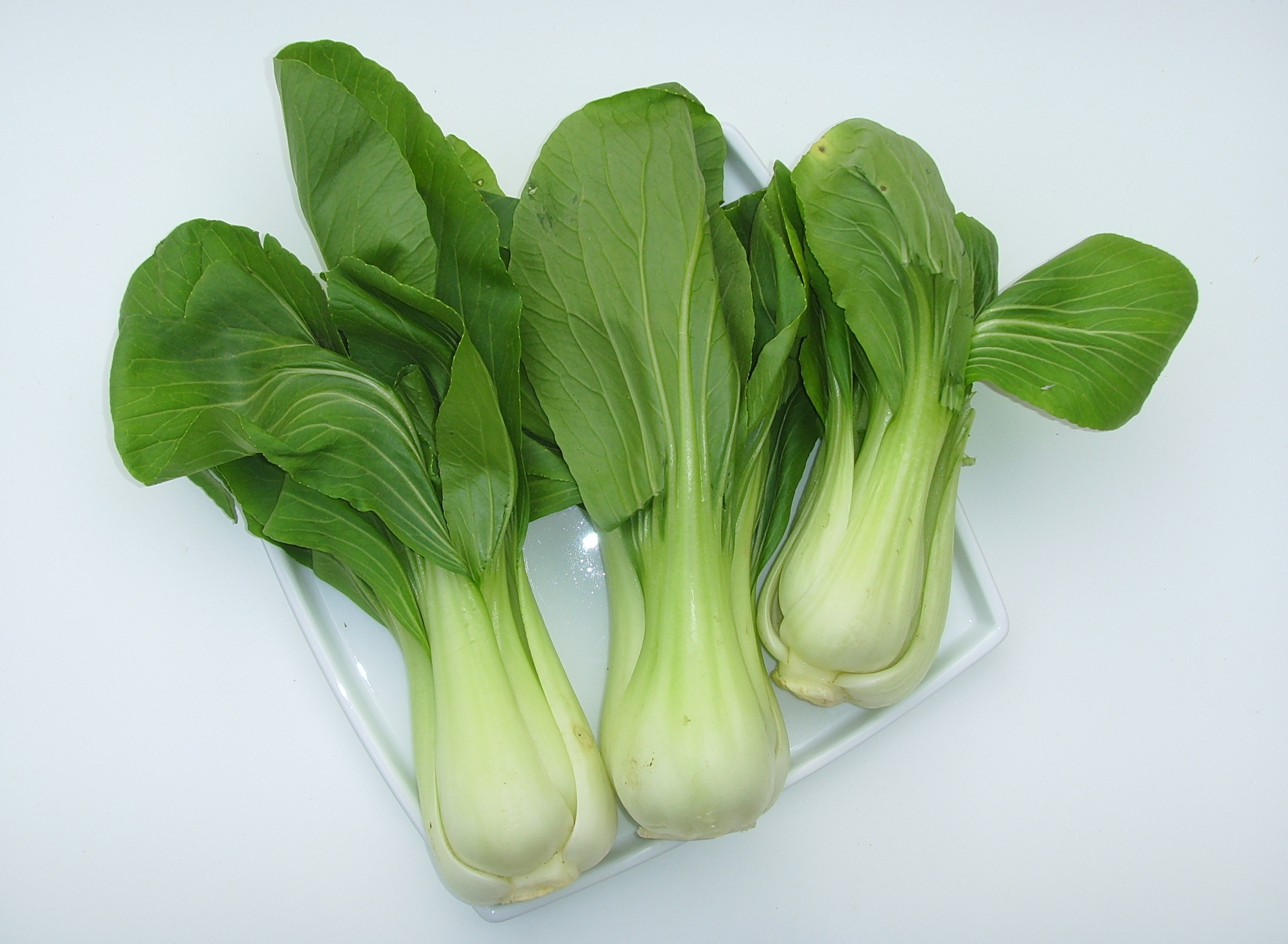
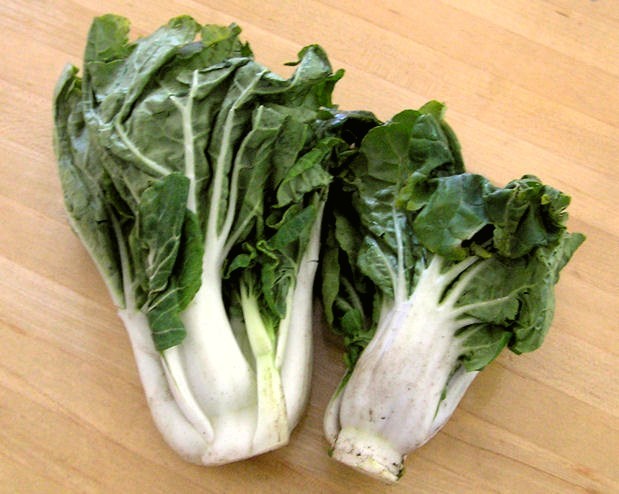
How to grow
Bok choy (also sold as pak choi — same plant, different transliteration) is a loose-headed Asian green: crisp white stalks, tender dark leaves, no head to wait for. That makes it one of the fastest brassicas you can grow, and one of the most forgiving for small beds and containers.
Sow 1/4–1/2 inch deep, either direct or started indoors for transplanting. For spring, sow a few weeks before last frost; for fall — the better crop in most zones — sow in late summer so plants mature in cooling weather. Bok choy bolts when days get long and hot, so in warm zones treat it as a fall-through-winter crop and skip the middle of summer entirely.
Thin ruthlessly: crowded bok choy stays small and invites aphids. Keep the bed evenly moist and mulch to hold soil cool. A fall planting that catches a light frost actually tastes better — cold sweetens the leaves, the same trick that improves kale.
Water & feeding
About 1 inch a week, consistently — dry spells make stalks tough and push plants toward bolting. Work worm castings into the bed at planting and side-dress once for full-size heads; castings carry a low burn risk and keep growth steady rather than forcing soft, pest-prone leaves with a nitrogen spike.
Common problems
- Bolting (flower stalk shoots up): heat or long days — sow for fall harvest, choose bolt-resistant varieties, and harvest promptly.
- Flea beetles (tiny shot holes in leaves): row cover on young plants; mature plants usually outgrow the damage.
- Cabbage worms (velvety green caterpillars): hand-pick or spray Bt (Bacillus thuringiensis), which targets caterpillars and spares everything else.
- Aphids on crowded plants: blast with water and check leaf undersides; spacing is the real prevention.
Harvest
Cut baby plants whole at 6 inches, or let them reach 12–15 inches and cut the whole head at the base — or pick outer stalks as needed and let the center keep growing. Harvest in the morning when leaves are crisp, and use within a few days; bok choy wilts faster than heading cabbage. Stir-fry stalks first, leaves second — the stalks need a minute more.
Browse all plant & pest guides
Saving seeds
Here is the beautiful catch with bok choy: the plant that bolts on you in a heat wave is also the plant handing you next season’s seed for free — you just have to decide which betrayal to forgive. Let a few of your best plants bolt on purpose. The ones that bolt first in spring are not your seed plants; saving from them breeds a line that bolts even earlier, which is the opposite of what anybody wants. Pick sturdy, slow-bolting plants with the thick white stalks and dark leaves you actually liked eating, and let them run.
The flower show is pure brassica: a tall stalk of small yellow four-petaled flowers that bees work over with great enthusiasm, followed by slender pods called siliques. This is where the Latin matters. Bok choy is Brassica rapa, and it will happily cross-pollinate with anything else in the same species that happens to be flowering at the same time — turnips, tatsoi, mizuna, napa cabbage, and field mustard are all B. rapa. It will not cross with cabbage, broccoli, kale, or cauliflower, which are Brassica oleracea, a different species entirely. So the home-garden rule is simple: let only one B. rapa type go to seed at a time, or stagger your plantings so their bloom windows do not overlap. Commercial seed savers use very large isolation distances, often around half a mile, because bees travel; in a backyard, one-flowering-type-at-a-time is the realistic version of that rule, and it works.
Let several plants flower together rather than a lone stalk, since brassicas set much better seed when pollen moves between plants. Watch the pods: harvest when they turn tan and papery and the seeds rattle inside, but before they split — brassica pods shatter with very little provocation, and a gusty afternoon can scatter your whole crop across the bed. Cut the stalks, finish drying them indoors in a paper bag for a week or two, then crush the pods and winnow away the chaff. The seeds are small, round, and reddish-brown to dark brown.
Florida note: humidity is the enemy of stored seed. Dry your seed until it feels hard and snaps rather than dents, then store it airtight — a small jar with a desiccant packet — somewhere cool and dark. Properly dried bok choy seed stays viable for several years, though germination fades gradually rather than falling off a cliff, so sow a few extra if your batch is getting old. One last honesty clause: seed saved from an F1 hybrid variety will not grow true to its parent — you will get bok choy, but not necessarily the bok choy on the packet. Open-pollinated and heirloom varieties, kept isolated as above, will come back looking like themselves.
Varieties
Every named variety of Bok Choy with its own growing guide:
- Joi Choi Bok Choy — The big, slow-bolting white-stemmed hybrid — the standard full-size bok choy.
- Mei Qing Choi Bok Choy — The compact baby bok choy — pale green stems, mild flavor, ready in 45 days.
- Toy Choy Bok Choy — The miniature bok choy — just 5 inches tall, ready in 30–35 days, and almost too cute to eat.
- Shanghai Green Bok Choy — The green-stemmed, slow-bolting standard — large hearts, jade stems, and a forgiving nature.
- Green Fortune Bok Choy — The slow-bolting baby bok choy: compact green-stemmed mini-heads, mild and tender, bred to hold when spring warms up.
- Purple Lady Bok Choy — The purple bok choy: deep violet leaves on green stems that cook to tender green — the prettiest stir-fry green in the bed.
- Li Ren Choi Bok Choy — The dwarf baby bok choy: tiny, tender, pale-green heads ready in about 37 days — a whole head per serving.
- Win-Win Choi Bok Choy — The full-size hybrid that wins twice: slow to bolt and fast to size up — big white-stemmed heads for soups and stir-fries.
- Win-Win Bok Choy — The vigorous hybrid: thick white stems, big reliable heads, and a slow-bolting nature that forgives warm spells.
- Canton White Bok Choy — The classic white-stemmed bok choy: thick, crunchy, juicy white stalks with dark-green, shiny leaves, ready in about 50 days.