
🥬 Win-Win Choi Bok Choy: Growing Guide
What it looks like
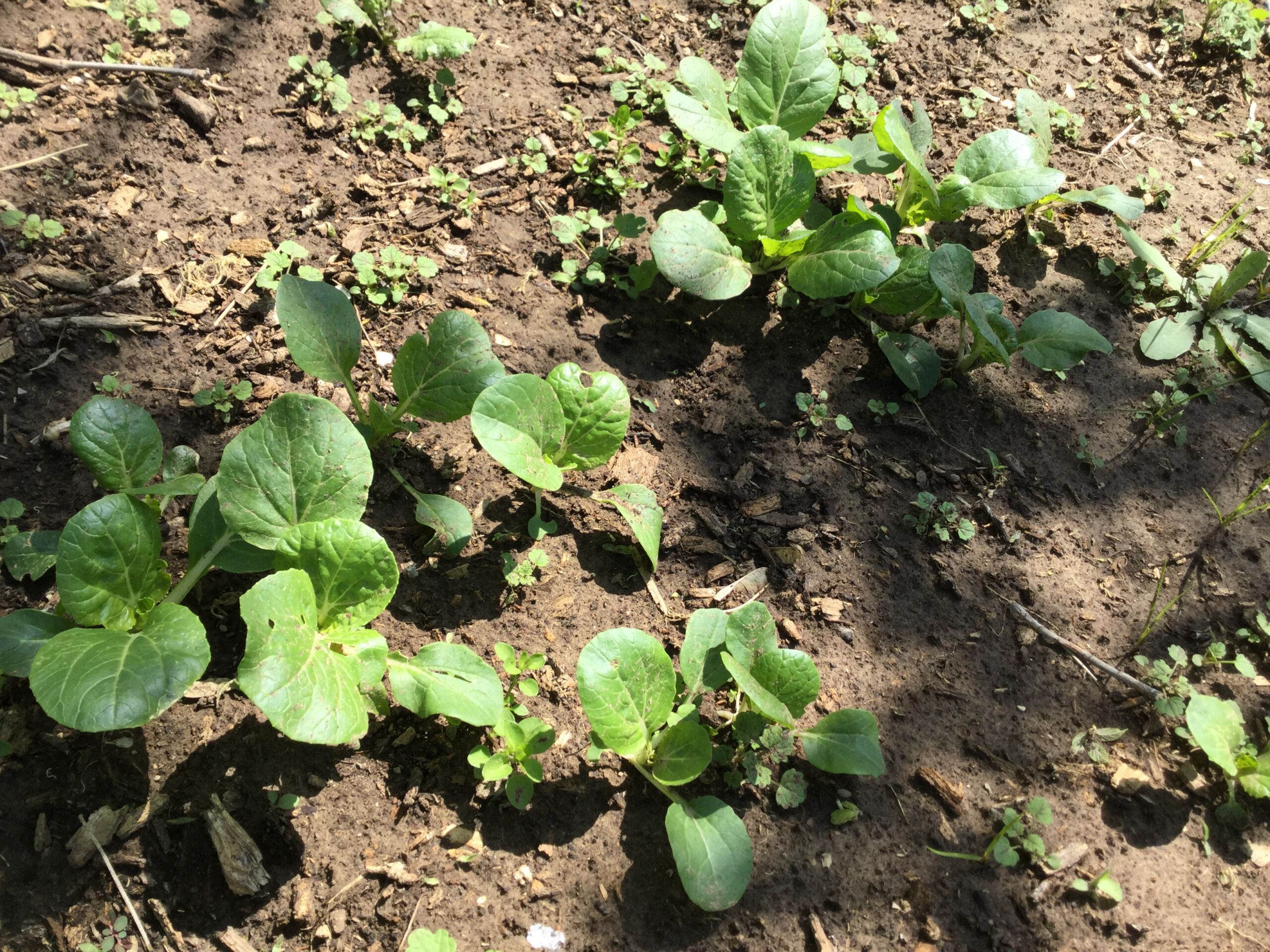
Why this variety
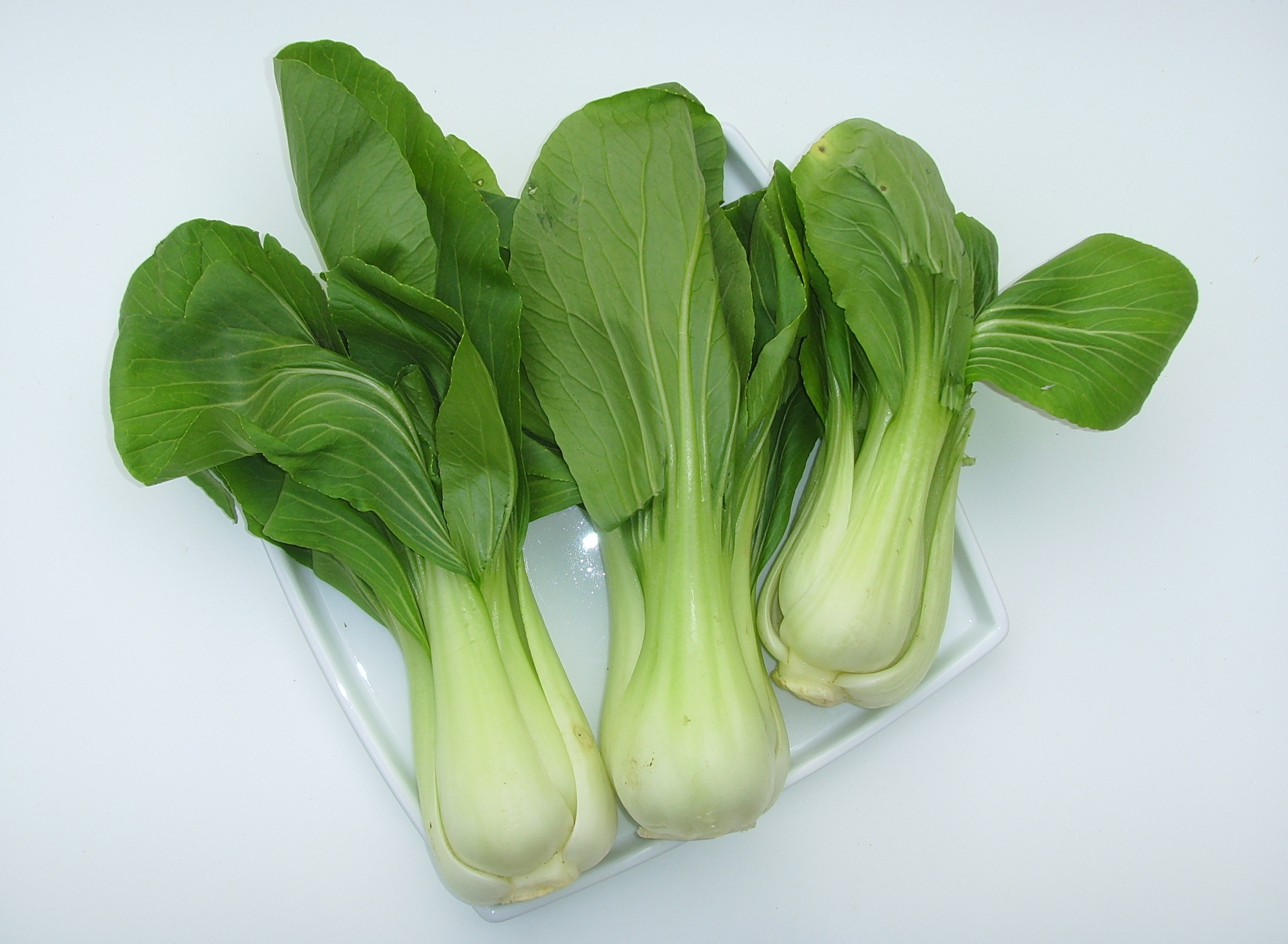
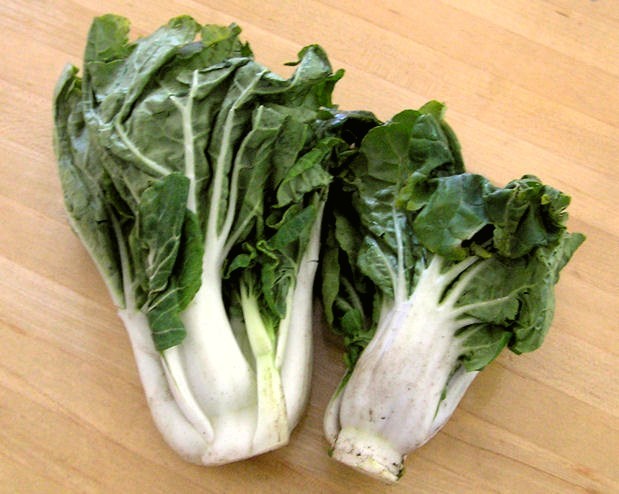
Win-Win Choi is the full-size bok choy hybrid for gardeners who want it all: a bulky, uniform, white-stemmed, vase-shaped head, 12 to 15 inches tall, that is both slow to bolt and quick to size up. The name is a promise — win on bolting, win on size — and it delivers both, which is why it is a market-garden staple as well as a home-garden one.
Full-size bok choy hybrids like Win-Win Choi earn their keep in the kitchen: thick, crisp white stalks that hold up in soups and braises, dark green leaves that wilt in a minute, and a head big enough to feed a family. Hybrid vigor shows up as uniformity — heads that size up together, so a row planted on the same day harvests on the same day, which is exactly what a cook planning a stir-fry wants.
Florida translation: Win-Win Choi is a fall-through-spring bok choy here, and its bolt resistance is the trait that matters most in a Florida spring, when a warm week can end a lesser bok choy overnight. Give it room, water evenly, mulch to keep roots cool, and harvest whole heads when they feel full and firm — or cut baby heads early for a tender bonus crop.
How to grow
Sow Win-Win Choi Bok Choy directly or transplant, spacing as listed in the hero block. Full-size types need room; baby types can tuck in closer. Bok choy is a cool-season Asian green: in Florida, sow from fall through early spring, give afternoon shade if a warm spell hits, and succession-sow every two weeks for a steady supply rather than one giant glut.
Work worm castings into the bed at planting. Bok choy grows fast and shallow, so a fine, firm seedbed and steady moisture from day one matter more than fancy feeding — a checked seedling bolts, and a bolted bok choy is compost.
Water & feeding
Bok choy grows fast and drinks steadily. Keep the soil evenly moist, mulch to hold that moisture, and feed with compost or a balanced fertilizer at planting and again halfway to harvest. Dry soil plus heat is the recipe for bolting, so water before the leaves wilt, not after.
Common problems
Flea beetles love brassica seedlings, and cabbage worms love the leaves. Row cover over young plants solves most of it, and hand-picking handles the rest. Bolting is the other enemy: plant for cool weather, keep soil moist, and harvest promptly when heads size up — a warm week can push a mature head to flower in days.
Harvest
Cut Win-Win Choi Bok Choy whole at the base when heads are full and firm, before a flower stalk appears — or harvest outer leaves as needed and let the center keep growing. Baby heads, cut young, are tender enough for salads; full heads are made for stir-fries, soups, and braising, stalks first into the pan, leaves a minute later.
Nerdy fact: Win-Win Choi’s hybrid vigor is the same phenomenon that makes mules strong and seedless watermelons possible: cross two inbred lines and the offspring outgrows both parents, which in bok choy terms means a bigger, more uniform head from the same bed.
Saving seeds
Win-Win Choi is the full-size bok choy hybrid for gardeners who want it all: a bulky, uniform, white-stemmed, vase-shaped head, 12 to 15 inches tall, that is both slow to bolt and quick to size up. The name is a promise — win on bolting, win on size — and it delivers both, which is why it is a market-garden staple as well as a home-garden one. Hybrid vigor shows up as uniformity — heads that size up together, so a row planted on the same day harvests on the same day, which is exactly what a cook planning a stir-fry wants. It is an F1 hybrid — “the full-size bok choy hybrid” per the guide — so seed saved from it will not come true to Win-Win Choi. For Win-Win Choi itself, buy fresh seed each season, sow from fall through early spring, and succession-sow every two weeks for a steady supply rather than one giant glut. The full method is in the Saving seeds section of the Bok Choy guide.