
🥬 Win-Win Bok Choy
What it looks like
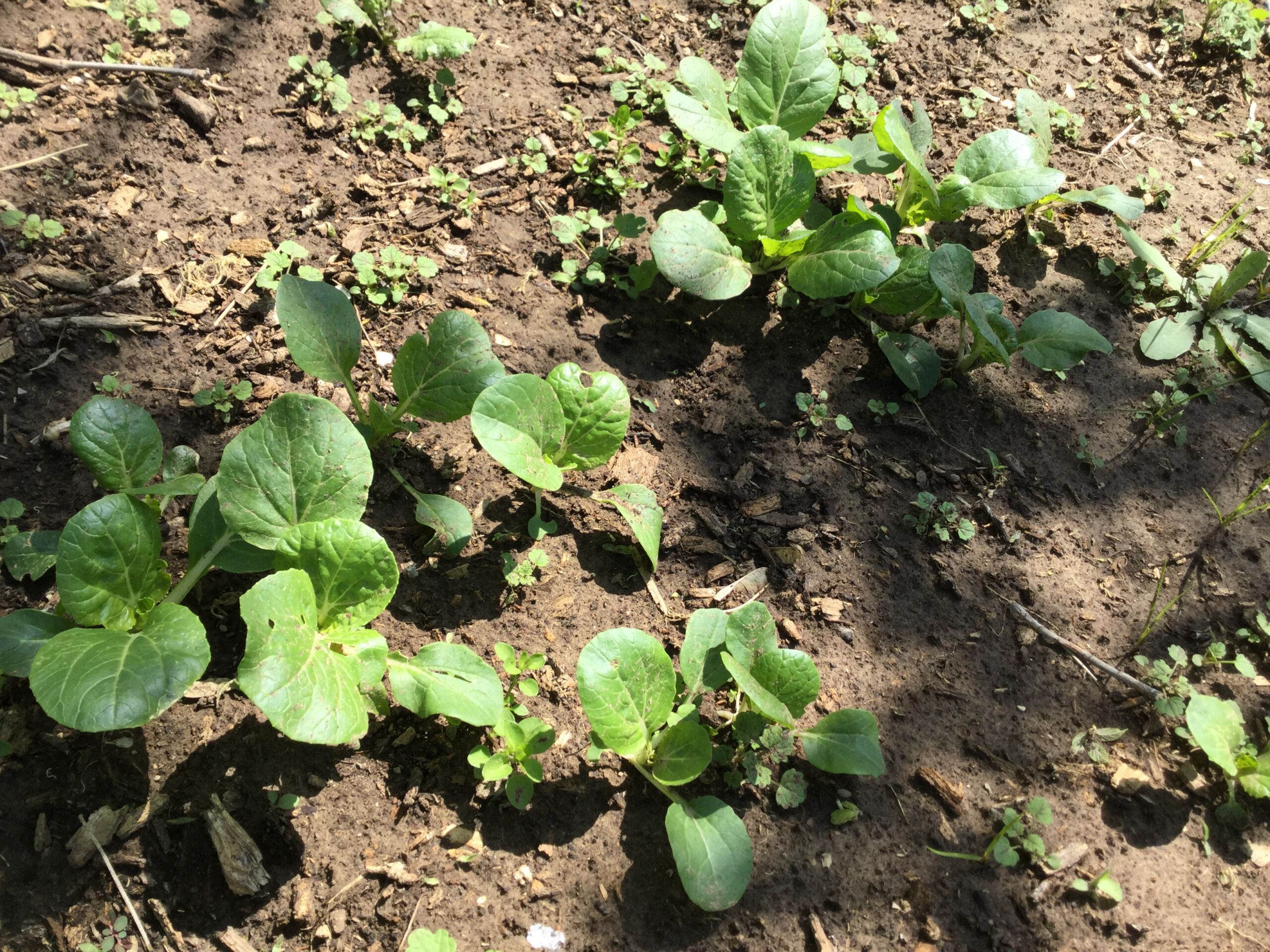
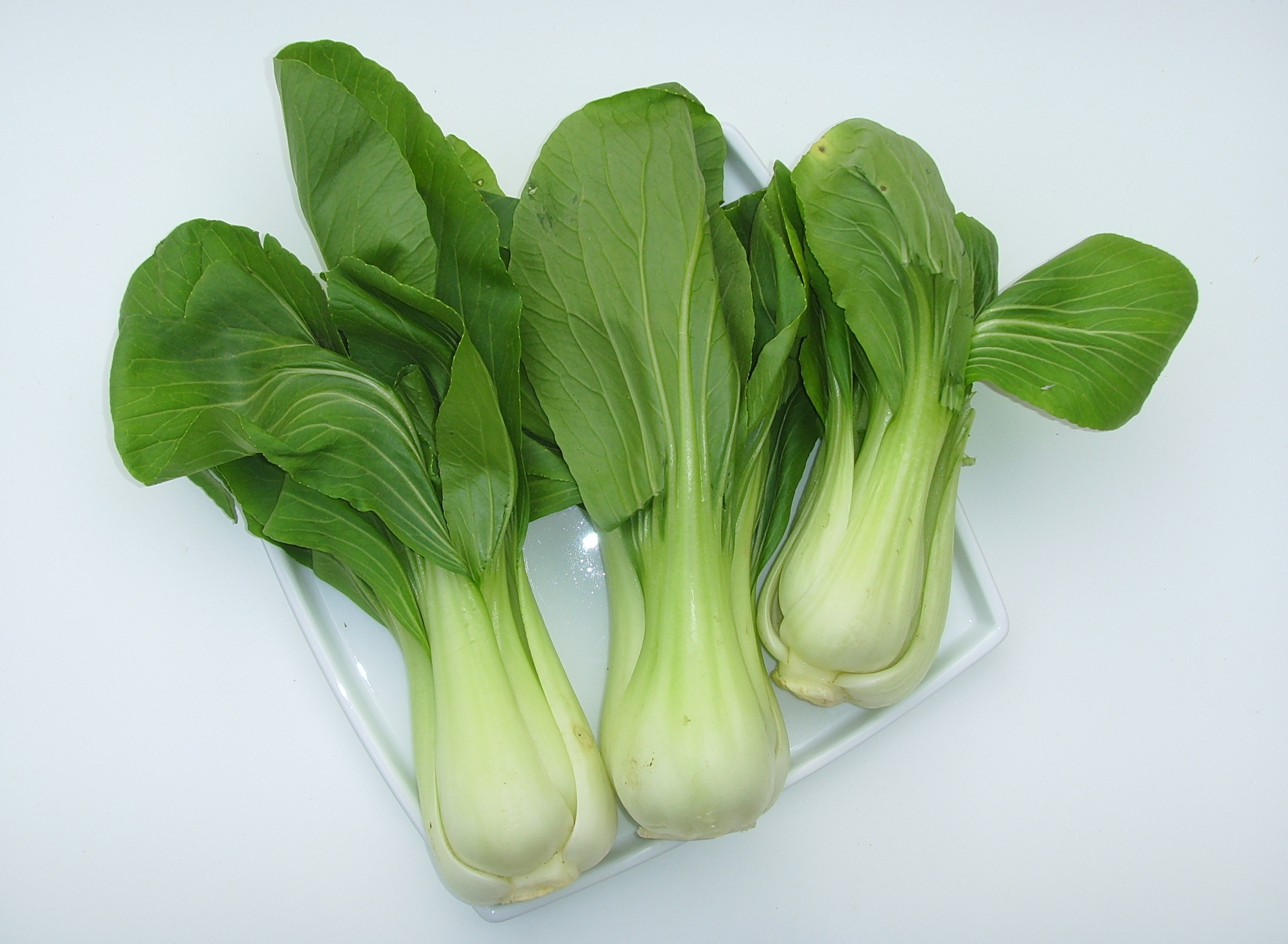
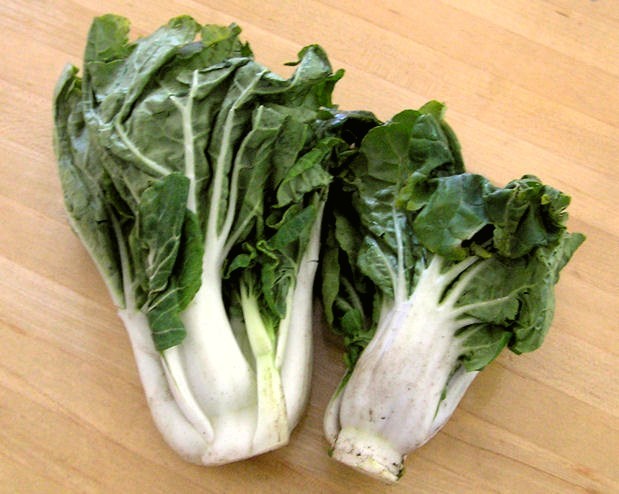
Why this variety
Win-Win is the full-size bok choy for gardeners who want reliability: a vigorous hybrid with thick white stems, dark-green leaves, and large, uniform heads that actually fill out instead of bolting at the first warm day. It is one of the most widely grown hybrid bok choys, and its reputation rests on two things — size and patience.
The slow-bolting habit is the real selling point in Florida, where a warm week can end a bok choy crop overnight. Win-Win buys you extra days, sometimes an extra week, which is often the difference between a harvest and a flower stalk. Give it room — 12 inches — and it rewards you with heads worth showing off.
How to grow
Sow seeds 1/4 to 1/2 inch deep, direct in the bed or started indoors and transplanted at 3–4 weeks. Thin baby types to 6–8 inches and full-size types to 12 inches, with rows 18 inches apart. Bok choy grows fast — most types are ready in 30–50 days — so succession-sow every two to three weeks for a steady supply.
In Florida, bok choy is a fall-through-spring crop. It bolts when a cold snap is followed by warmth, or when sustained heat arrives, so the sweet spot is the cool months with afternoon shade at the warm edges. Rich, moist soil is non-negotiable: bok choy in poor, dry soil bolts small and bitter instead of forming a head.
Water & feeding
Bok choy wants about an inch of water a week, delivered at the base, with mulch to hold it. It grows so fast that a dry spell shows up almost immediately as tough leaves and early bolting. Feed with worm castings at planting and one light side-dress as heads start to fill; bok choy is a moderate feeder, and over-fertilizing grows a jungle of leaves with loose, floppy heads. In sandy soil, split the feed into two small doses so it doesn’t wash straight past the roots.
Common problems
- Bolting — the number-one bok choy complaint. A cold snap followed by warmth, or plain summer heat, sends up a flower stalk and ends the harvest. Plant in the cool season, choose slow-bolting types, and harvest promptly when heads fill.
- Flea beetles — tiny shot-holes in young leaves. Row cover at sowing is the simplest fix; vigorous plants outgrow light damage.
- Cabbage loopers and imported cabbageworms — green caterpillars chewing holes in leaves. Hand-pick, or use Bt spray, which targets caterpillars and nothing else.
- Slugs and snails — ragged holes and slime trails, worst in wet weather. Beer traps and boards flipped in the morning help; keep mulch pulled back from stems.
- Aphids — clusters on undersides and in the heart. Blast with water or use insecticidal soap; check hearts before cooking.
- Clubroot — swollen, distorted roots and wilting plants in acidic, wet soil. Rotate out of brassicas for several years, lime acidic soil toward neutral, and improve drainage.
Harvest
Cut baby plants whole at 6 inches, or let them reach full size and cut the whole head at the base — or pick outer stalks as needed and let the center keep growing. Harvest in the morning when leaves are crisp, and use within a few days; bok choy wilts faster than heading cabbage. Stir-fry stalks first for a minute, then add leaves — the stalks need a head start, and the leaves wilt in seconds.
Browse all plant & pest guides
Saving seeds
Win-Win is the full-size bok choy for gardeners who want reliability: a vigorous hybrid with thick white stems, dark-green leaves, and large, uniform heads that actually fill out instead of bolting at the first warm day. It is one of the most widely grown hybrid bok choys, and its reputation rests on two things — size and patience. The slow-bolting habit is the real selling point in Florida, where a warm week can end a bok choy crop overnight. It is an F1 hybrid — “a vigorous hybrid” per the guide — so seed saved from it will not come true to Win-Win. For Win-Win itself, buy fresh seed each season, sow in the cool months, and succession-sow every two to three weeks for a steady supply. The full method is in the Saving seeds section of the Bok Choy guide.