
🥬 Canton White Bok Choy
What it looks like
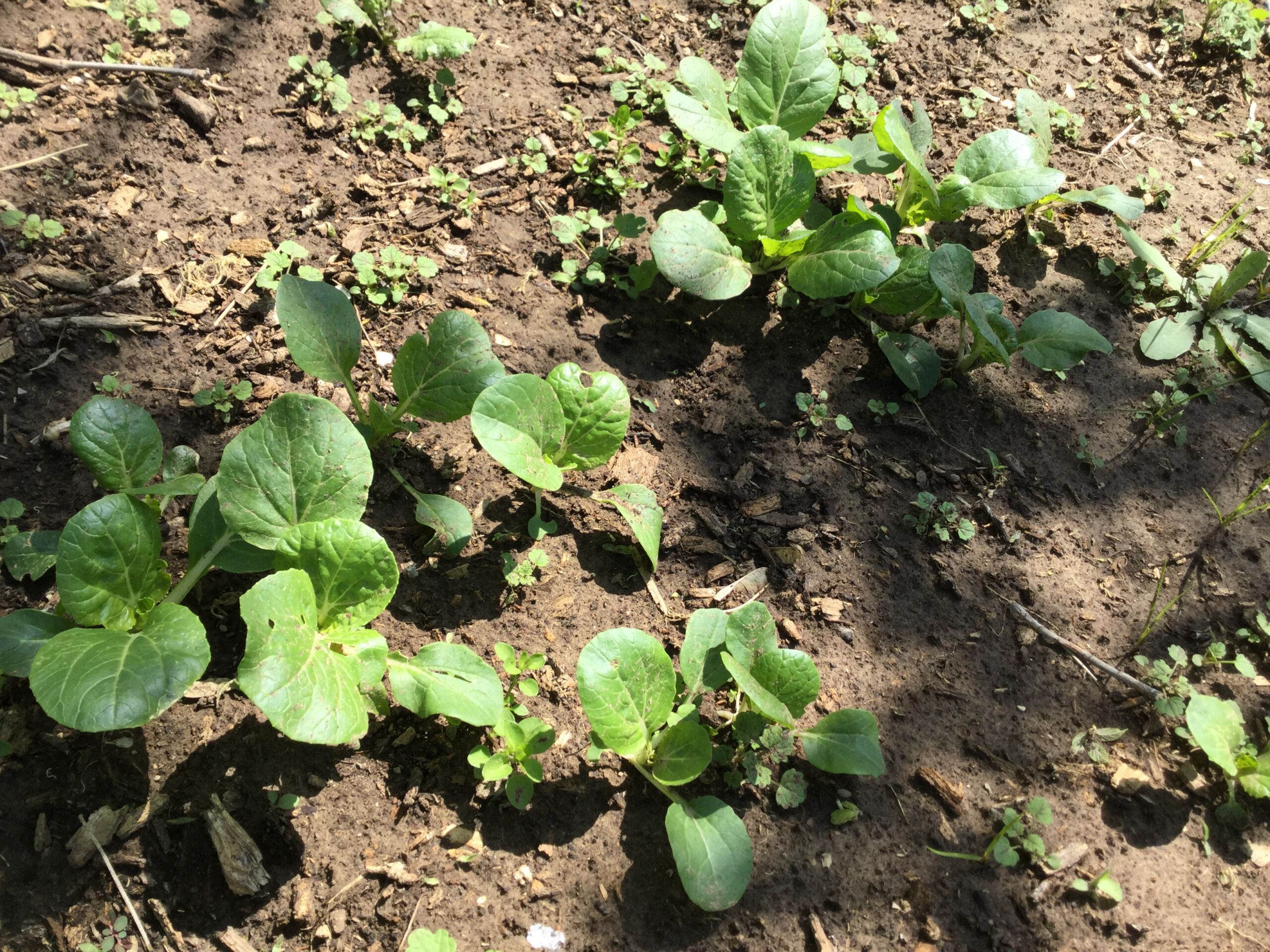
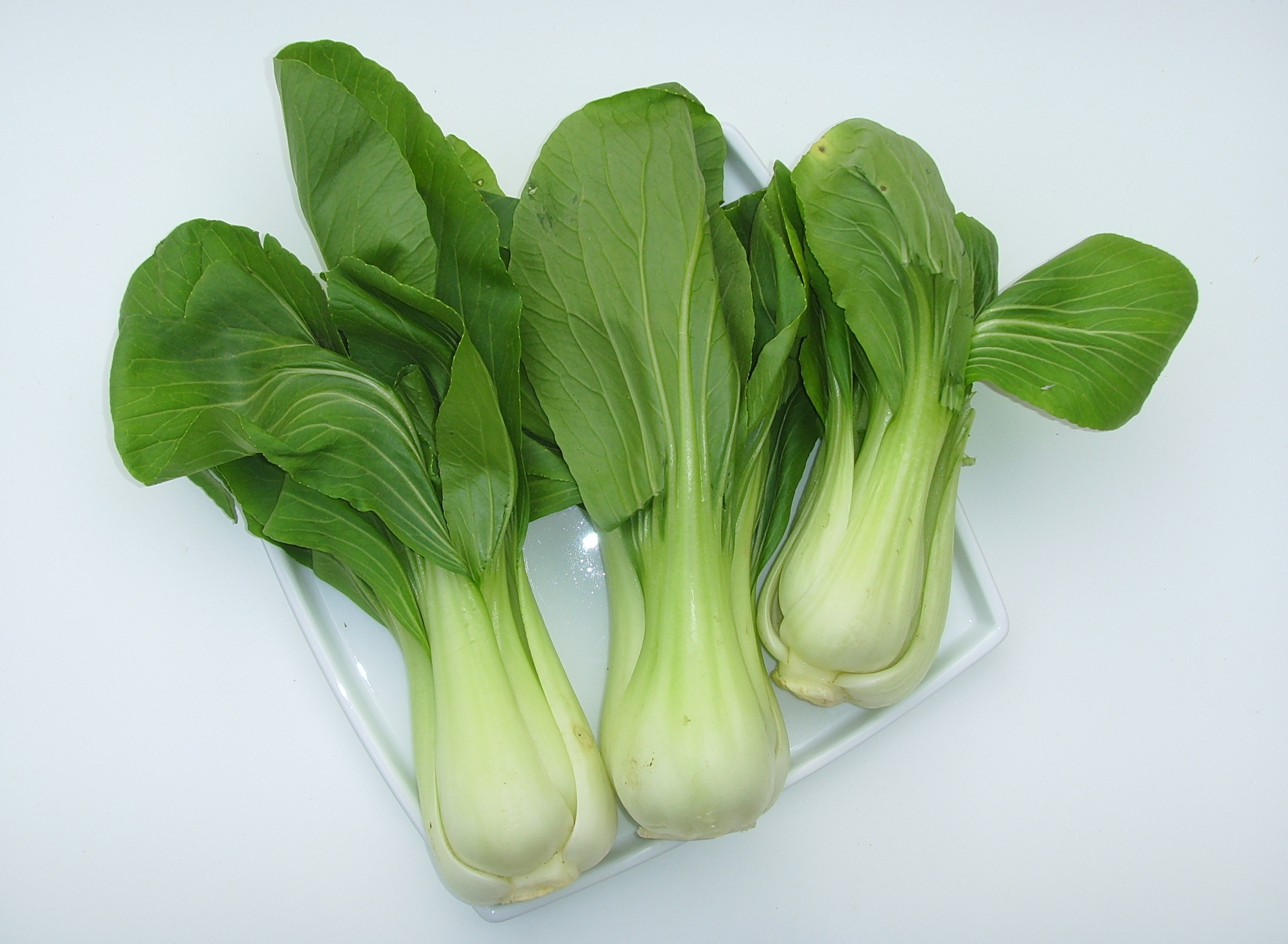
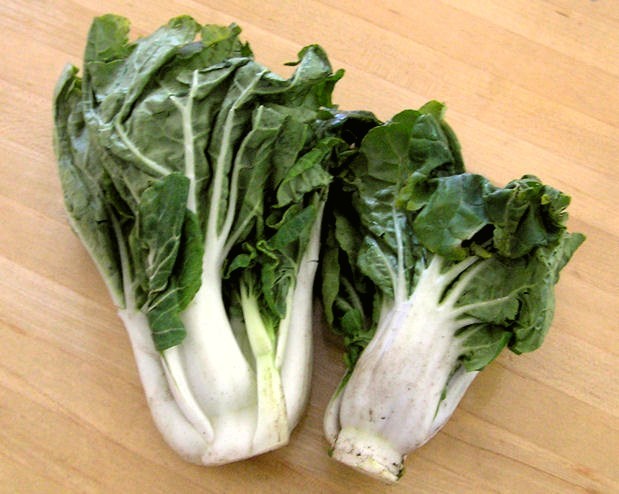
Photos show the species (Brassica rapa subsp. chinensis), since no cultivar-specific photo verified for this variety — the species photos above are already hosted on this site and attributed as on the species guide.
Why this variety
Canton White is the bok choy most cooks picture when they say bok choy: a Canton-type pak choi with thick, crunchy, juicy white stems and dark-green, shiny leaves, one of the smallest and most classic types of pak choi available. It is the bok choy of the stir-fry pan and the soup pot, not the salad bowl — the white stalks stay crisp when cooked, the leaves wilt silky, and the whole head cooks in minutes, which is why bok choy is a weeknight vegetable in a way most brassicas are not.
It also fills a plain gap in the site’s bok choy guides: Joi Choi, Mei Qing Choi, Toy Choy, Shanghai Green, Green Fortune, Purple Lady, Li Ren Choi, and Win-Win Choi are all already guided, but the classic white-stemmed Canton type was not. Shanghai Green is the green-stemmed cousin; Canton White is the white-stemmed original, and the difference is visible at a glance in the market — white stalks, dark leaves, crisp bite. Harvest it at any stage, from microgreens at 10–15 days to baby leaves at 28 days to full heads at 50 days, which makes it three crops in one packet.
How to grow
Sow from September through February in Florida, direct, in succession every two weeks. Bok choy bolts fast in summer heat, so the Florida window is the cool season, and succession sowing is how you keep a supply without a glut. Thin to the hero spacing — baby harvests can stay denser, full heads need the full 12 inches or they stay small and bolt sooner.
Work compost and castings into sandy beds first, mulch to hold moisture and keep soil off the low leaves, and water evenly; bok choy grown dry turns sharp and bolts early, which wastes the crisp, mild flavor that is the whole point. Give afternoon shade as days lengthen, and row cover early to keep flea beetles and cabbage worms off the tender leaves.
Water & feeding
Water evenly and keep the bed moist; bok choy leaves are mostly water and a dry check makes stalks stringy instead of juicy. Morning watering keeps heads crisp for picking.
Feed with compost at planting and a light side-dress if growth stalls. Bok choy is a fast crop and heavy nitrogen makes it soft and pest-prone; steady compost nutrition grows the crisp stalks.
Common problems
- Flea beetles — pepper young leaves with shot-holes; row cover from sowing is the most reliable defense.
- Cabbage worms and loopers — chew leaves and hide in the head; hand-pick or use Bt, and check inside the rosette weekly.
- Aphids — cluster on undersides and in the heart; blast with water before heads close tight.
- Bolting in heat — bok choy bolts fast when warm days arrive; harvest promptly, succession-sow, and do not nurse a bolted head.
Harvest
Pick microgreens at 10–15 days, baby bok choy at about 28 days, or full heads at about 50 days, cutting at the base when the head feels firm and before a central flower stalk appears. Use baby heads whole in stir-fries and soups, and full heads sliced — stalks and leaves together, stalks in the pan a minute before leaves, since stalks take slightly longer to cook.
Bok choy keeps several days in the fridge in a bag, but it is best within a few days of picking, when the stalks are still juicy and crisp. A bolted head is not wasted — the flower stalks are edible and tasty, like a mild broccoli raab — but it is no longer a bok choy head, so harvest on time.
Browse all plant & pest guides
Saving seeds
Canton White is the classic white-stemmed bok choy type, so it comes true from seed — save seed from your best plants and let them dry fully before storing. The full method is in the Saving seeds section of the Bok Choy guide.