
🫐 Nero Aronia
What it looks like
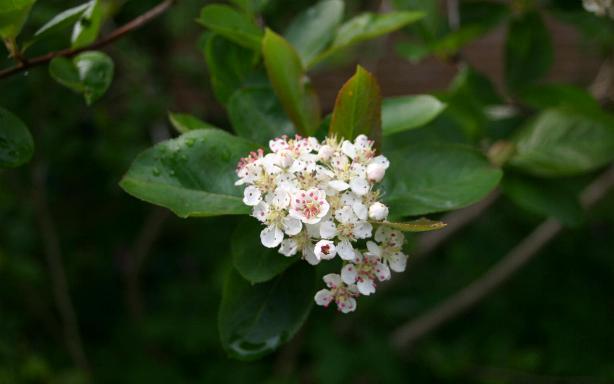
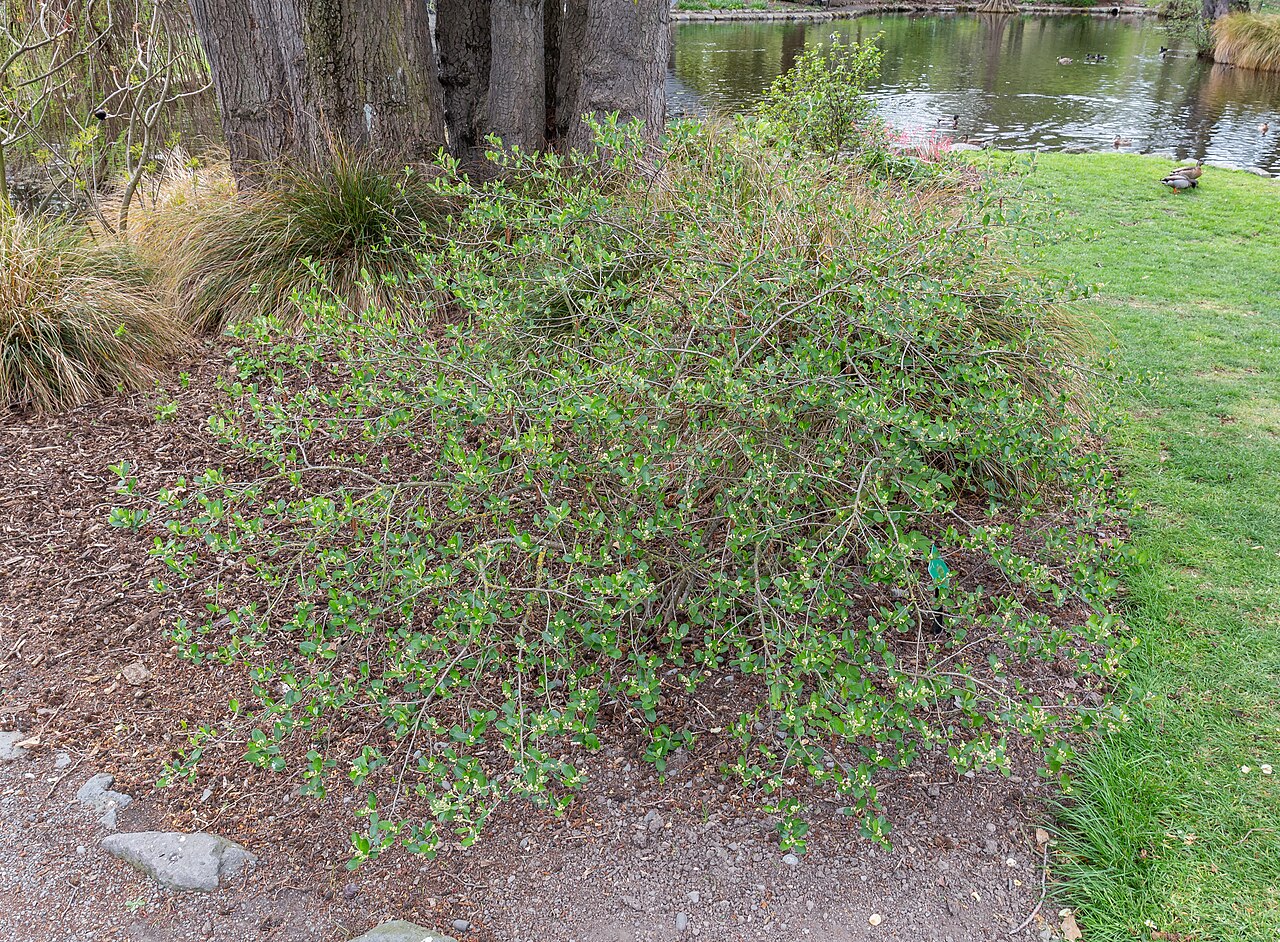
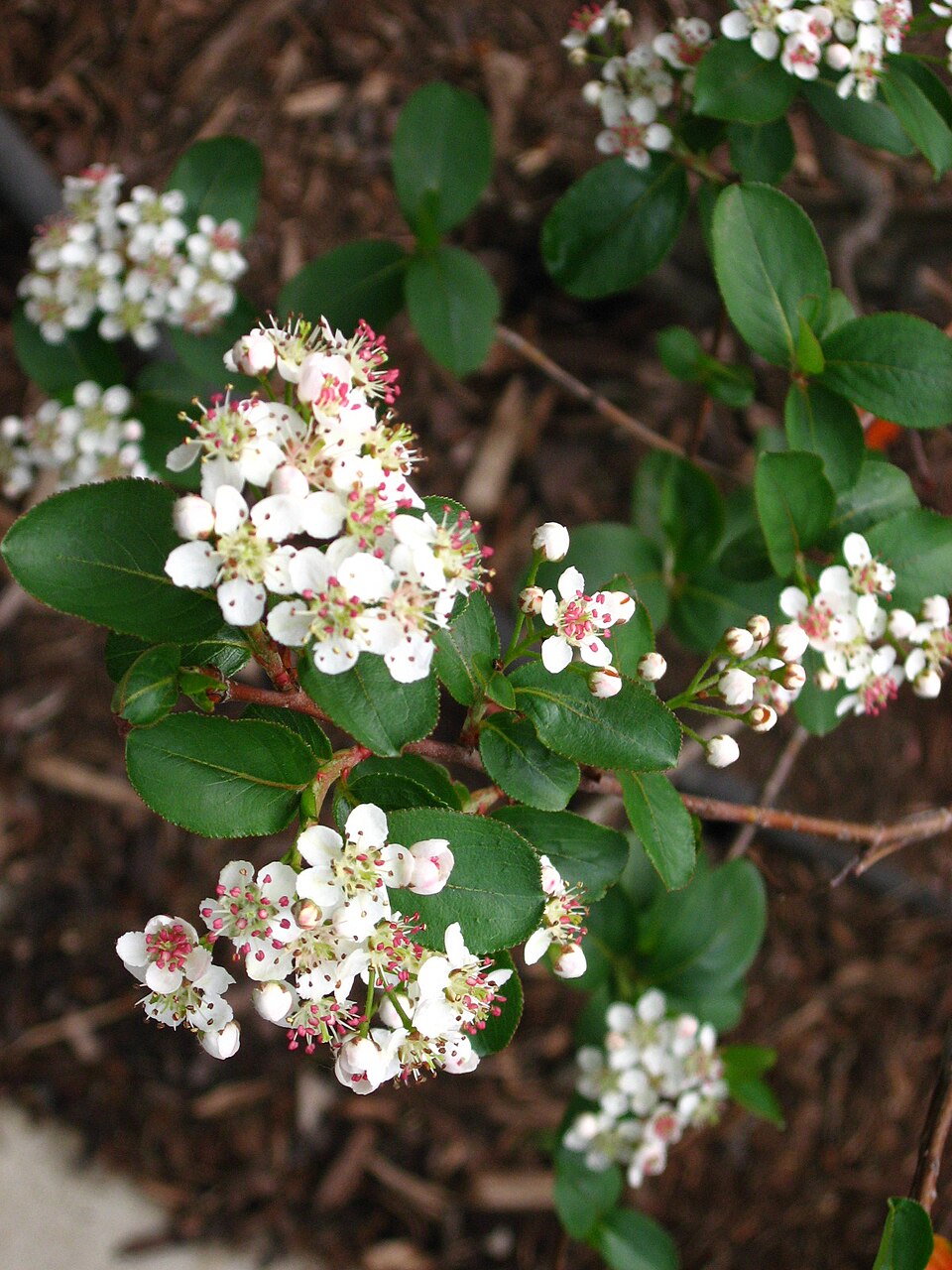
Why this variety
Nero is the aronia for gardens that do not have room for a Viking-sized shrub. This Czech selection stays compact — sources list it anywhere from 3–4 feet to 4–6 feet tall depending on site — while matching Viking’s productivity and fruit quality, which is a combination that sounds too good until you remember that breeders select exactly for that. The berries are dark blue-black, glossy, and borne in heavy clusters, and the shrub’s denser, smaller habit makes it the better choice for a mixed border, a hedge, or a bed where a 6–8 foot bush would stage a takeover.
Flavor-wise, Nero sits in the same camp as Viking: tannic, tart, and built for processing rather than grazing. Where it earns its place is manageability — netting a 4-foot bush is a job, netting an 8-foot bush is a project — and fall color that rivals any ornamental shrub. It is self-fertile, long-lived, and about as low-maintenance as a fruiting shrub gets, which is why it is the variety most often recommended to home gardeners who are planting their first aronia.
How to grow
Here is the honest Florida part first: aronia is a zones 3–8 shrub, so in Florida it is a north-Florida trial, not a statewide promise. The northern part of the state can give it the winter chill it expects, while central and south Florida generally cannot, and summer humidity is a second strike. Plant it where afternoon shade breaks the worst heat, keep the roots cool and moist, and judge it over two full seasons before deciding whether it earns its spot.
Plant in fall or early spring in full sun to part shade, in moist, well-drained soil enriched with compost. Space 4–5 feet apart, mulch thickly, and water through the first season until established; after that Nero tolerates short dry spells, though fruit size suffers if it goes thirsty while berries are filling. Prune lightly, removing dead or crossing wood and a few of the oldest stems each winter, and let the bush keep its naturally rounded shape.
Water & feeding
Feed as you would Viking: worm castings or compost in spring, no heavy nitrogen, and about an inch of water a week during fruiting. In a north-Florida trial, afternoon shade and a deep mulch layer are the two things that buy this northern shrub a Florida summer — cool roots and less direct heat stress — and a drip line beats overhead watering, which keeps foliage wet in humidity that already invites leaf spots.
Common problems
- Birds will strip an unnetted bush with impressive speed, so net before berries fully color.
- Rust and leaf spot appear in wet seasons but seldom threaten the crop; remove affected leaves and improve airflow rather than reaching for sprays.
- As with all aronia in Florida, the honest failure mode is climatic: a mild winter or brutal summer can leave a healthy-looking bush nearly fruitless, and that is a site-climate mismatch, not a gardening failure.
Harvest
Harvest clusters when berries are fully dark and slightly soft, late summer, and process promptly — juice, jam, syrup, or the freezer. Nero’s smaller bush means a smaller absolute crop than Viking, but the fruit is easier to reach, easier to net, and easier to pick clean, which for most home gardens is the more useful kind of abundance.
Browse all plant & pest guides
Saving seeds
Nero is the aronia for gardens that do not have room for a Viking-sized shrub. This Czech selection stays compact — sources list it anywhere from 3 to 4 feet to 4 to 6 feet tall depending on site — while matching Viking’s productivity and fruit quality. The berries are dark blue-black, glossy, and borne in heavy clusters, and the shrub’s denser, smaller habit makes it the better choice for a mixed border, a hedge, or a bed where a 6 to 8 foot bush would stage a takeover. As a named selection it is kept true by cuttings, not by seed — seedlings would not hold the compact habit. Plant in fall or early spring in full sun to part shade, in moist, well-drained soil enriched with compost, and space 4 to 5 feet apart. The full method is in the Saving seeds section of the Aronia guide.