
🔴 Phoenix Tears Goji Berry
What it looks like
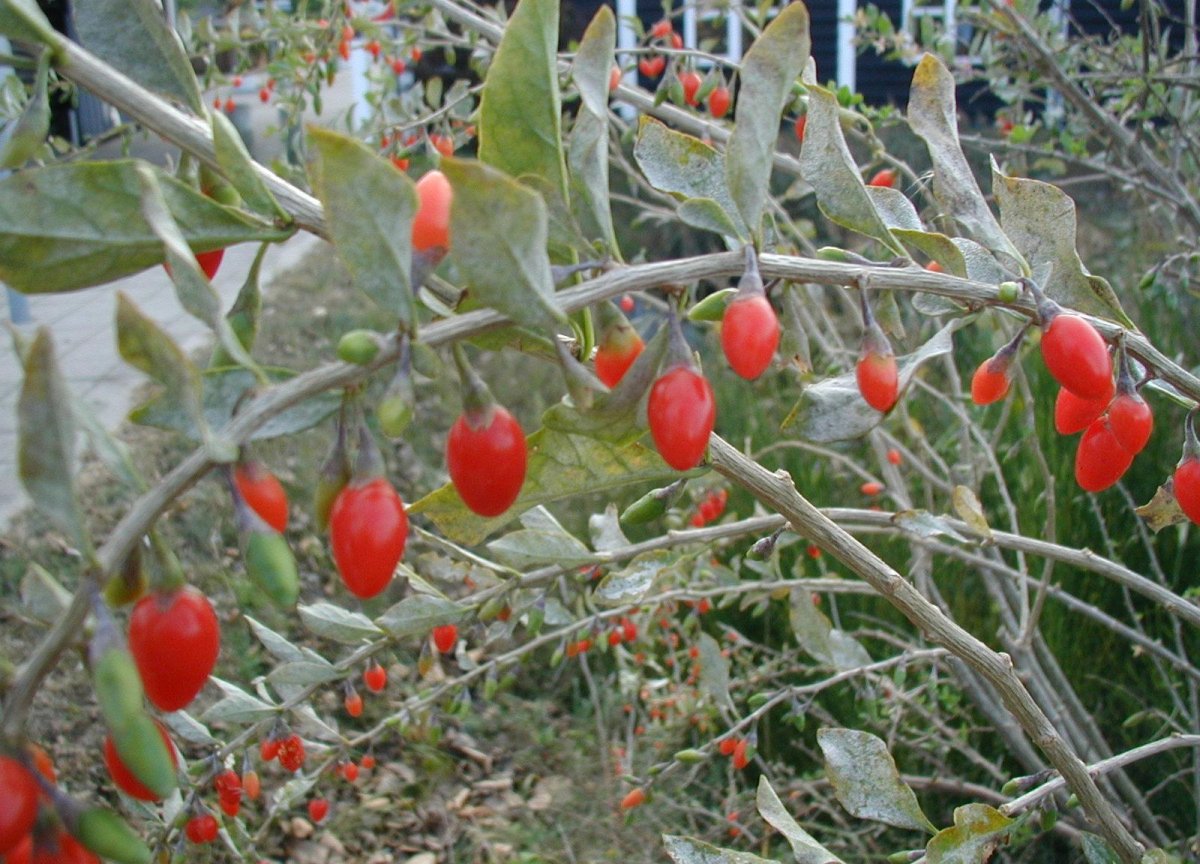
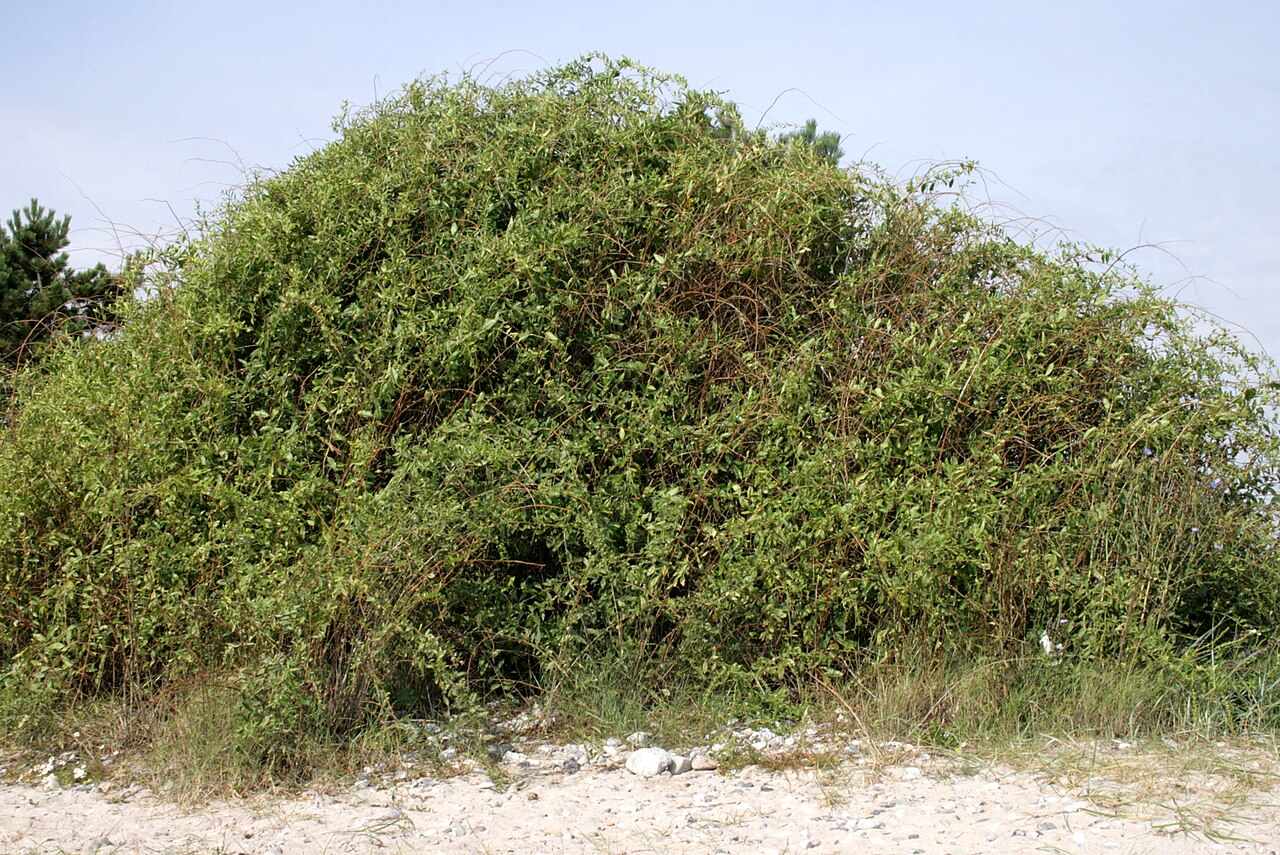
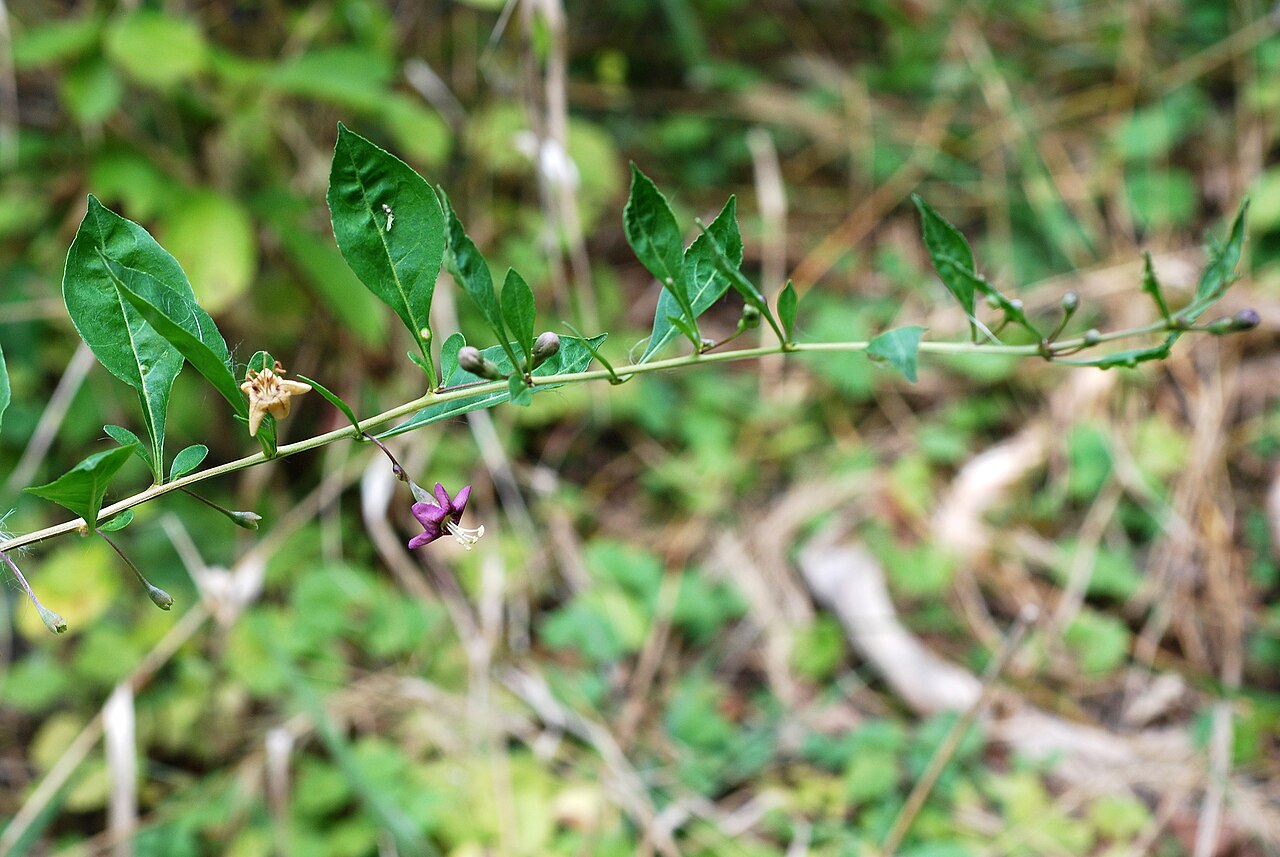
Why this variety
Phoenix Tears is, with Crimson Star, one of the only two named goji varieties long described as widely available in North America, and it comes from the other end of the story: a western United States selection, associated with Utah breeding, rather than a Chinese commercial line. It produces the same kind of fruit — small, red, sweet-tangy berries on a vigorous, arching, self-fertile shrub — and it exists in this guide for a practical reason: if you grow two gojis side by side, you learn which one likes your soil, your humidity, and your pruning habits, and that knowledge is worth more than any catalog description.
Flavor and use are the same as Crimson Star’s: fresh when fully ripe, dried for storage, cooked into teas and dishes, and harvested in quantity once the plant is established. The differences between Phoenix Tears and Crimson Star in a home garden are modest — vigor, berry size, and mildew behavior vary more by site than by variety — so treat this variety as a trial partner rather than a rival, and let your own bushes settle the argument.
How to grow
Here is the honest Florida part first: goji is listed for zones 5–10, which puts north and central Florida in play and the far south on the edge. It tolerates heat and drought once established, but Florida humidity invites powdery mildew, and its suckering habit means you should plant it where a wandering shrub is welcome, not in a tight bed you want to keep tidy. Treat the first year as establishment and judge fruiting from year two on.
Plant and manage exactly as Crimson Star: full sun, well-drained soil on the alkaline side of neutral, 5–6 feet apart or trellised, hard winter pruning to control size and suckering. In Florida, give it the same treatment — sun, airflow, deep but infrequent watering once established, and a first summer of regular watering while roots establish in sand.
Water & feeding
Feed lightly in spring with compost or castings, water about an inch a week while establishing and less once mature, and mulch without burying the crown. Goji’s drought tolerance is real, but a newly planted shrub in Florida sand is not drought-tolerant yet — that trait is earned in year two, not granted at planting.
Common problems
- Powdery mildew, aphids, suckering, and birds are the same four problems as for Crimson Star, in the same order of annoyance.
- Prune for airflow, blast aphids, dig suckers, net for a serious harvest — and note which of your two varieties mildews first in your garden, because that is genuinely useful local information.
Harvest
Harvest fully ripe, soft, red berries from summer into fall, shaking branches over a sheet or picking by hand, and dry promptly for storage. As with all goji, underripe fruit is bitter, so wait for full color and softness; the berries that fall with a gentle shake are the ones that are ready.
Browse all plant & pest guides
Saving seeds
Phoenix Tears is, with Crimson Star, one of the only two named goji varieties long described as widely available in North America, and it comes from the other end of the story: a western United States selection, associated with Utah breeding, rather than a Chinese commercial line. It produces the same kind of fruit — small, red, sweet-tangy berries on a vigorous, arching, self-fertile shrub — and it exists in this guide for a practical reason: if you grow two gojis side by side, you learn which one likes your soil, your humidity, and your pruning habits. As a named goji selection it is kept true by cuttings and suckers, not by seed: plant and manage exactly as Crimson Star — full sun, well-drained soil on the alkaline side of neutral, 5 to 6 feet apart or trellised, hard winter pruning to control size and suckering. The full method is in the Saving seeds section of the Goji Berry guide.