
🔴 Goji Berry
What it looks like
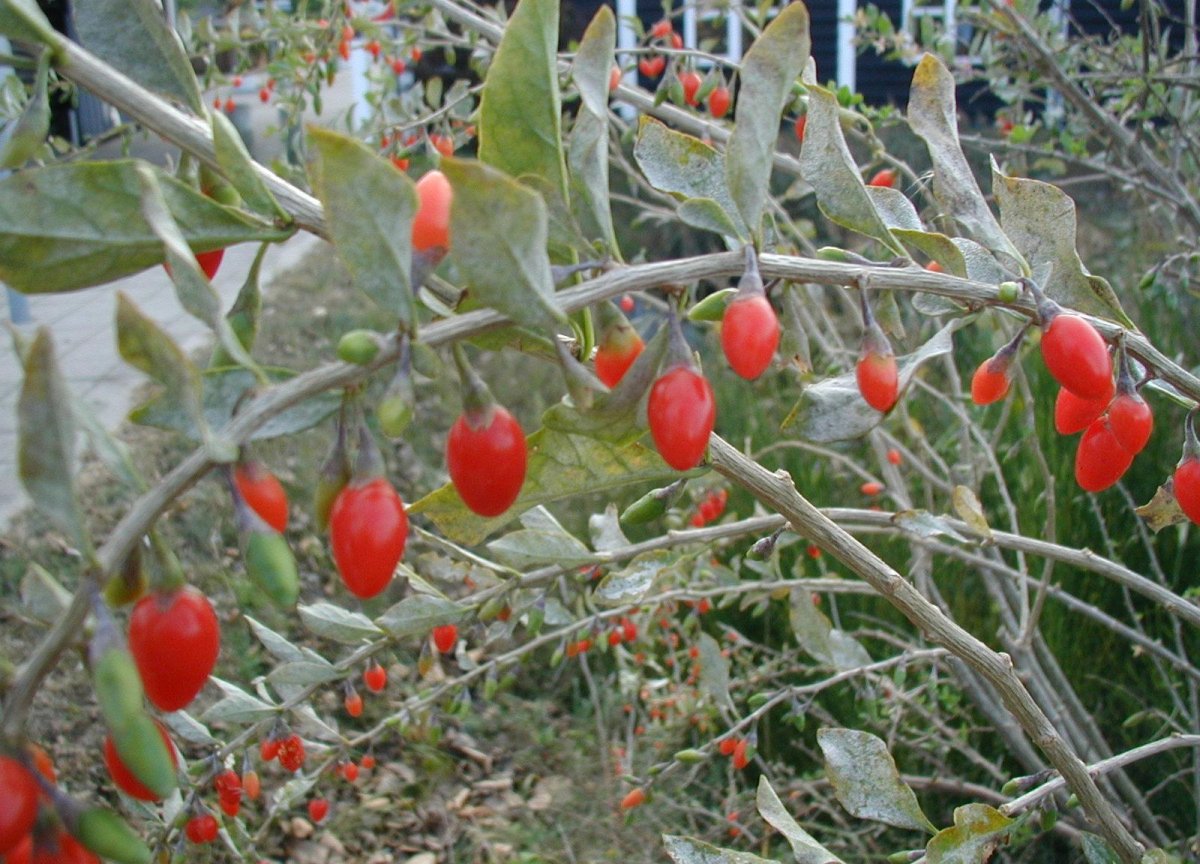
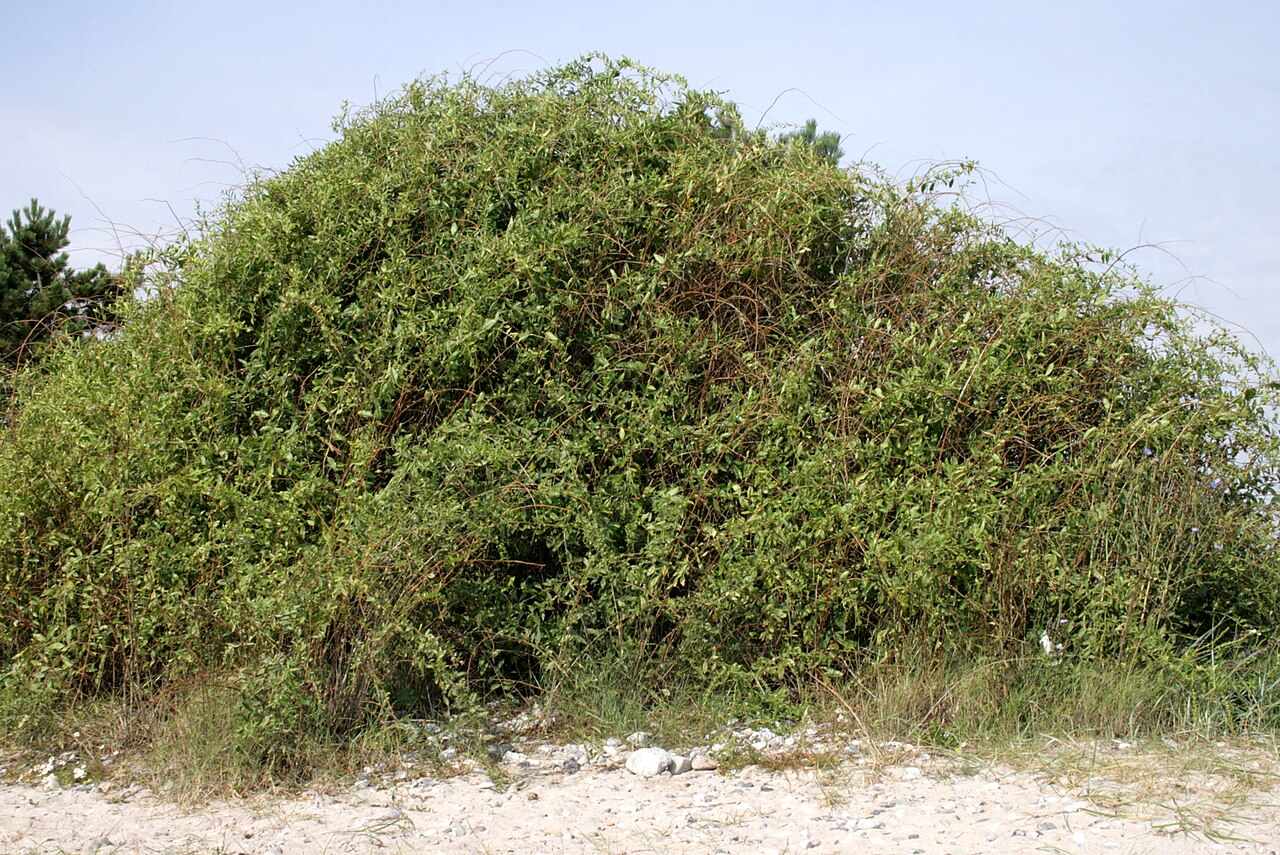
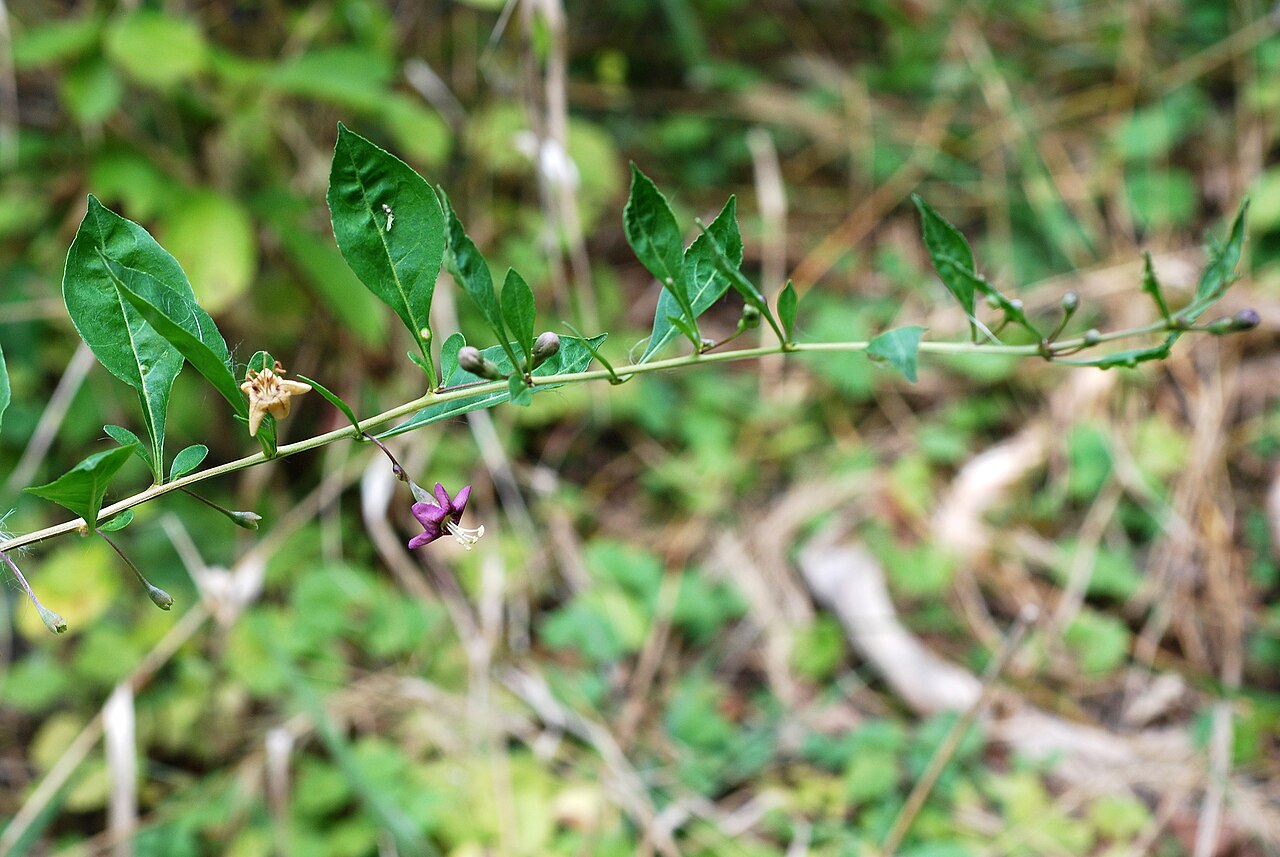
How to grow
Goji berries are arching, somewhat unruly shrubs that reward a gardener who gives them sun, drainage, and a trellis or fence to lean on. They are self-fertile, so one plant fruits, and they are far tougher than their health-food reputation suggests — hardy to cold winters and tolerant of heat, drought, and alkaline soil once established. Plant in spring in well-drained soil (wet feet are the main enemy), train the long canes to a support, and prune in winter to keep the shrub open and pickable. Gojis sucker and arch, so give them room or be prepared to prune — a neglected goji becomes a thicket with berries in the middle that only the birds can reach.
Water & feeding
Water during establishment and dry spells; mature plants are drought-tolerant but fruit better with steady moisture. Mulch to hold water and suppress weeds. Feed lightly in spring; heavy nitrogen produces canes, not berries.
Common problems
- Unruly growth and suckering — prune annually or the shrub takes the bed
- Birds — net if you want a serious harvest rather than a bird buffet
- Powdery mildew in humid, crowded plantings — space for airflow and prune for light
- Root rot in poorly drained soil — the one soil condition gojis genuinely dislike
Harvest
Pick when the berries are fully bright red-orange and soft — they are sweet-tart fresh, and many growers prefer them dried, which concentrates the flavor. Harvest over weeks as berries ripen unevenly, and dry extras in a dehydrator or low oven for storage.
Browse all plant & pest guides
Saving seeds
Goji berries are refreshingly cooperative about seed saving, which is more than you can say for most shrubs with a superfruit marketing department. The plants are self-fertile, so a single shrub sets fruit on its own, and the seed needs no winter chilling at all. What it does need is ripe fruit, clean seed, and a gardener willing to wait, because a seed-grown goji is a long game: expect the first berries in the second or third year, and full, shrub-covering crops later still.
Start by leaving a few berries on the shrub until they are fully ripe, soft, and deeply red — the shrivelled, under-ripe ones at the end of a cane are not your seed stock. Mash the berries in a little water and let the pulp ferment for a day or two, which helps break down the germination-inhibiting compounds in the fruit, then rinse everything through a fine sieve. Keep the seeds that sink and discard the floaters and hollow ones; floaters are usually empty promises. Spread the keepers on paper to dry for several days until they feel hard and papery. If you are tempted to shortcut this with dried berries from a shop, it can work, but only if the fruit was not heavily processed: soak the berries soft, wash away every trace of pulp, and sow only the seeds that sink, knowing germination will be a gamble rather than a guarantee.
To sow, soak the dry seed in room-temperature water for about a day to soften the coat, then surface-sow or barely cover it in a well-drained seed mix and keep it warm — roughly 70 to 80 degrees Fahrenheit — and lightly moist. Seed needs light to get going, so do not bury it deep. Sprouts typically appear in one to three weeks, though some stragglers take longer, and seedlings are ready to pot on once they have a few true leaves. Grow them on in full sun and harden them off before they move outside.
Now the honesty clause, because it matters more here than with most fruit. Seed from an open-pollinated, unnamed goji comes largely true to type, with the normal variation any seed-grown plant shows in berry size and sweetness — and that variation is actually useful, since you can pick out the plants that thrive in your soil and keep those. But a named cultivar will not come true from seed. If your shrub is a named variety with particular fruit size, sweetness, or thornlessness you want to keep, take cuttings instead: a four- to six-inch semi-hardwood cutting with a few nodes, rooted in moist mix, is a genetic photocopy of the parent and will usually fruit sooner than a seedling. Seed is for adventure and for hedges; cuttings are for keeping a winner.
For storage, keep fully dry seed in a labelled envelope in a cool, dark, dry place. Fresh seed germinates best, and viability tapers over the following few years, so a quick test — ten seeds on a damp paper towel in a sealed bag, checked over a couple of weeks — is worth doing before you commit a whole tray to an old batch. In Florida, dry the seed until it is truly papery before it goes anywhere airtight, and add a desiccant packet to the jar; humid air is the quiet killer of stored seed. One stewardship note to finish: goji suckers freely from the roots, so plant seed-grown shrubs where wandering shoots are welcome, or be ready to mow or pull the strays.
Varieties
Every named variety of Goji Berry with its own growing guide:
- Crimson Star Goji Berry — The commercial-standard goji — large, sweet-tangy red berries, self-fertile and early to fruit.
- Phoenix Tears Goji Berry — The Utah-bred goji — a second widely available named variety for gardens that want a comparison.
- Sweet Lifeberry Goji Berry — The Proven Winners goji — bred for sweeter fruit on a garden-sized, thornless-ish shrub.