
🔴 Crimson Star Goji Berry
What it looks like
Why this variety
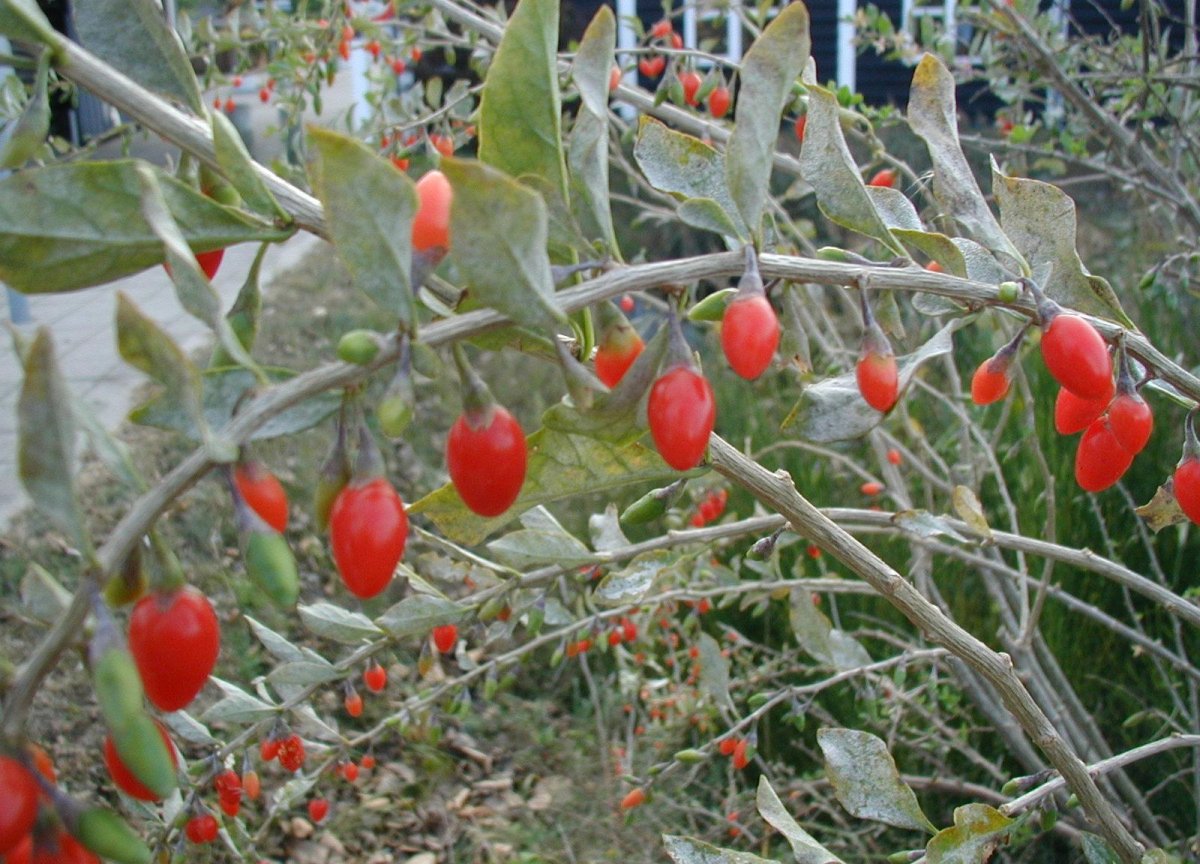
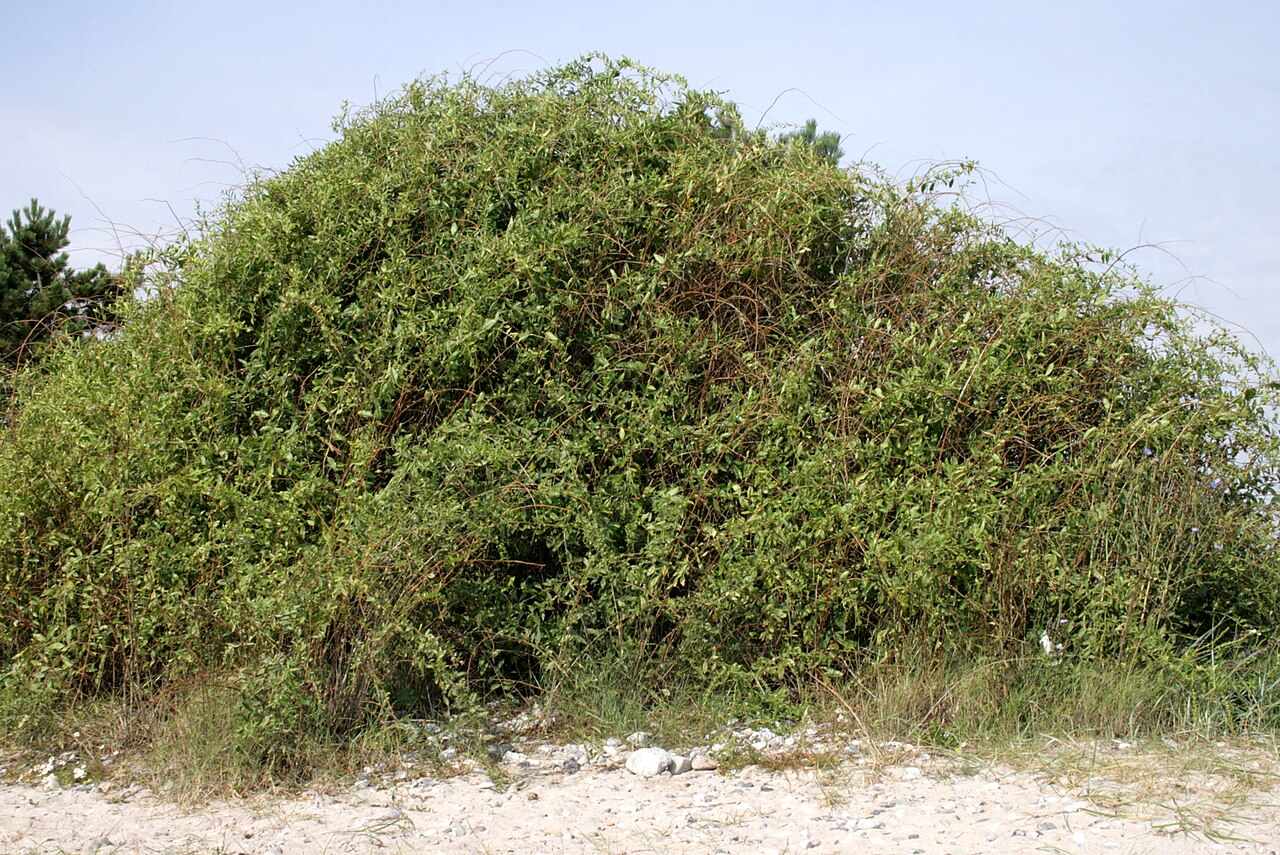
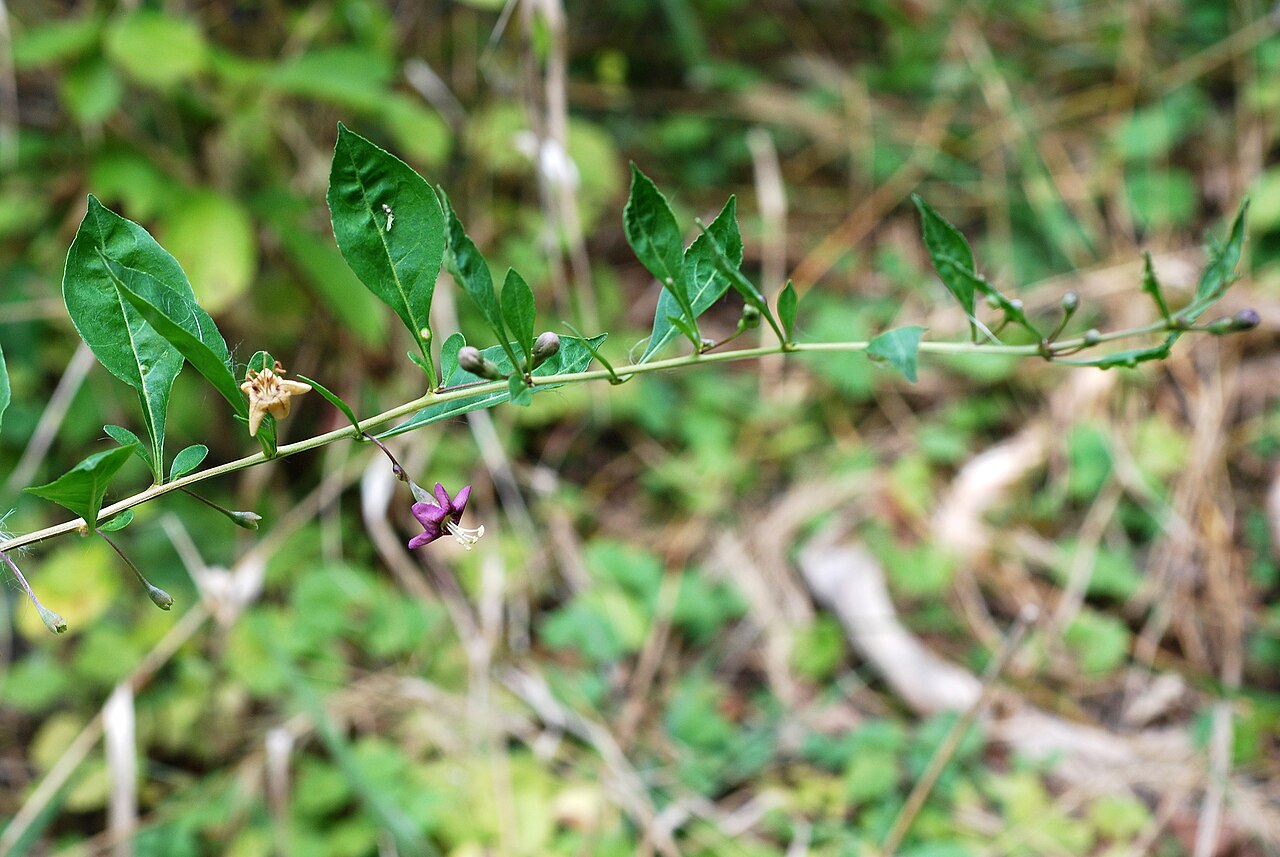
Crimson Star is the goji most often named when growers are asked which one to plant first. It is the Chinese commercial selection also known as Ningxia No. 1, widely available in North America, self-fertile, and productive even on young plants, with large, bright red, sweet-tangy berries that ripen from mid-summer into fall. The plant is a vining, arching shrub, 6–10 feet if left alone, with light purple flowers in spring that turn into berries the size of raisins — small fruit, but produced in remarkable quantity.
The case for Crimson Star is reliability: it fruits young, it fruits without a pollinator partner, and its berries are good both fresh when fully ripe and dried, which is how most people actually use goji. Dried goji is where the famous ‘superfruit’ reputation lives, but fresh berries, fully ripe and soft, are a different and better thing than the dried ones most people have tried — sweet, earthy, and mildly tangy rather than leathery and faintly bitter.
How to grow
Here is the honest Florida part first: goji is listed for zones 5–10, which puts north and central Florida in play and the far south on the edge. It tolerates heat and drought once established, but Florida humidity invites powdery mildew, and its suckering habit means you should plant it where a wandering shrub is welcome, not in a tight bed you want to keep tidy. Treat the first year as establishment and judge fruiting from year two on.
Plant in fall or spring in full sun, in well-drained, even slightly alkaline soil — goji prefers a pH around 6.8–8.1, which is unusual for a berry and worth noting, since most berries demand acid soil. Space 5–6 feet apart, or trellis it like a vine, and prune hard each winter to keep it in bounds: goji grows fast, suckers freely, and will happily become a thicket if you let it. Remove first-year flowers if you want a stronger plant, though Crimson Star will fruit in year one if you let it.
Water & feeding
Water deeply but infrequently once established — goji is drought-tolerant and hates wet feet — and feed lightly with compost or castings in spring; overfeeding and overwatering both produce leafy growth and fewer berries. In Florida, the watering rule flips in one way: sandy soil dries fast, so water new plants weekly through the first summer, then back off. Mulch to hold moisture but keep mulch away from the crown, where it invites rot.
Common problems
- Powdery mildew is the signature goji problem, and Florida humidity makes it worse: give plants sun and airflow, prune for an open center, and accept some mildew late in the season without panic.
- Aphids cluster on new growth; blast them off.
- Suckers are the management problem — mow or dig them where they are not wanted, and never plant goji where a thicket would be a disaster.
- Birds take ripe berries, so net if you want a serious dried-berry harvest.
Harvest
Pick when berries are fully red, soft, and slipping easily from the stem, from mid-summer into fall, shaking branches over a sheet for a fast harvest. Eat fresh within a day or two, or dry them: spread in a single layer in a dehydrator or low oven until leathery, and store airtight. Fully ripe is the key — underripe goji is bitter in a way that has turned many people off the fruit entirely, and the difference between underripe and ripe is about a week of patience.
Browse all plant & pest guides
Saving seeds
Crimson Star is a named commercial goji selection, so seedlings won’t hold its form — buy it named from a reputable nursery, or grow it from cuttings. The Saving seeds section of the Goji Berry guide covers seed for the straight species.