
🔴 Sweet Lifeberry Goji Berry
What it looks like
Why this variety
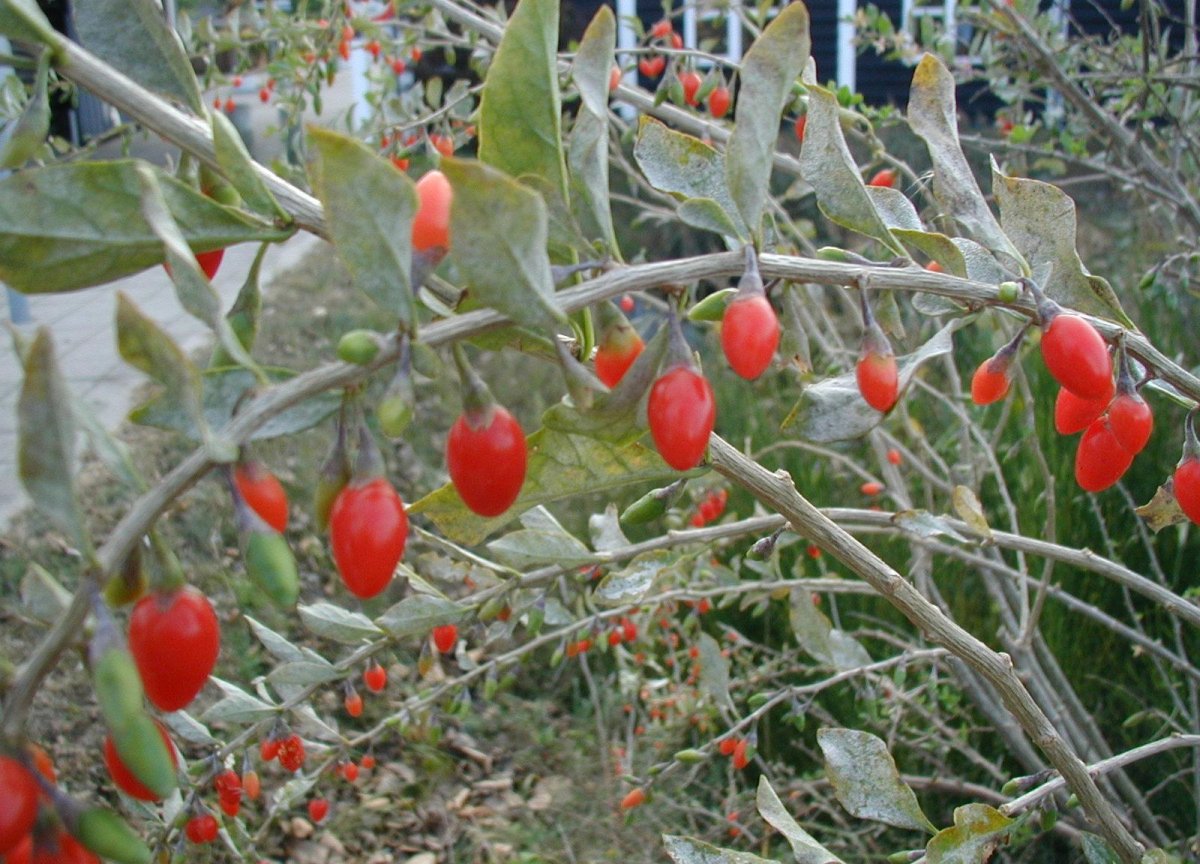
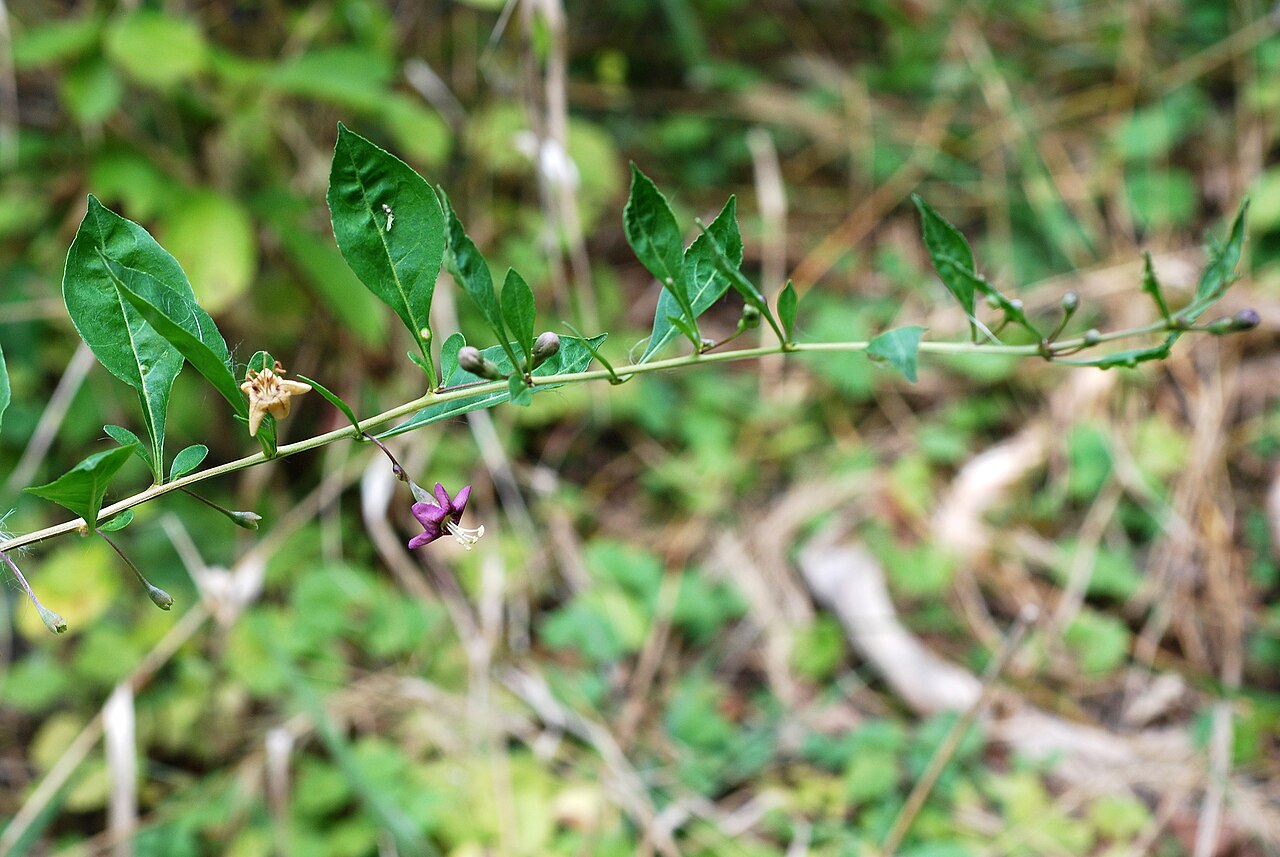
Sweet Lifeberry is the goji for gardeners who tried goji once, found it bitter, and want a second opinion. It is a Proven Winners selection (Lycium barbarum ‘SMNDSL’), sold specifically for sweeter fruit than older goji types, on a more compact, garden-sized shrub with fewer thorns than species goji. The berries are still small and red and still best fully ripe, but the flavor emphasis is different: sweet first, tangy second, bitter only if you pick too early.
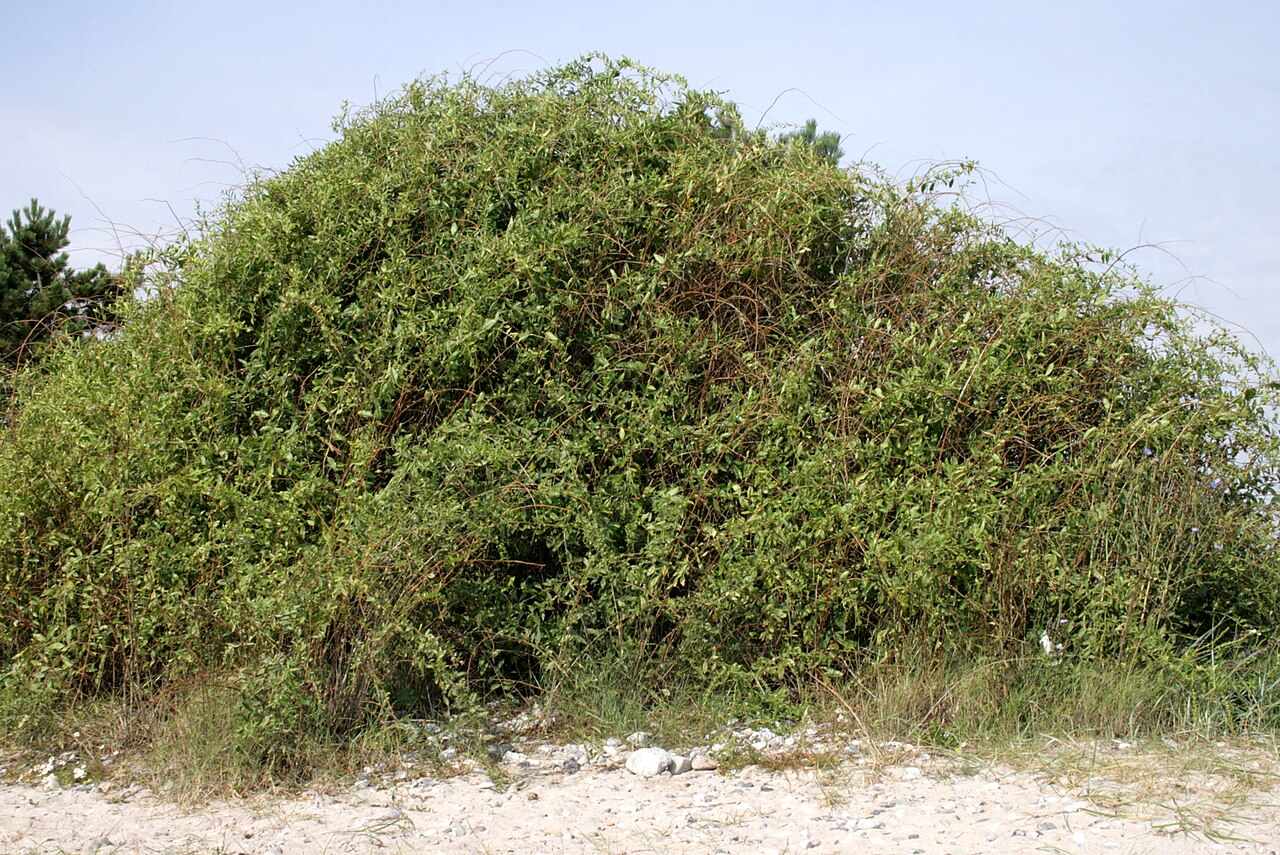
The plant habit is the other selling point. Species goji can be a thorny, sprawling thicket; Sweet Lifeberry is bred to be more restrained and more presentable in a mixed border, which matters if your goji is going in a front garden rather than a back-corner fruit patch. It is self-fertile, productive, and — like all goji — a plant that rewards hard pruning with better fruit, not worse.
How to grow
Here is the honest Florida part first: goji is listed for zones 5–10, which puts north and central Florida in play and the far south on the edge. It tolerates heat and drought once established, but Florida humidity invites powdery mildew, and its suckering habit means you should plant it where a wandering shrub is welcome, not in a tight bed you want to keep tidy. Treat the first year as establishment and judge fruiting from year two on.
Plant in full sun in well-drained soil, spacing 4–5 feet apart, and prune hard each winter: remove weak, crossing, and oldest wood, and keep the center open for airflow. In Florida, plant in fall or early spring, water weekly through the first summer, and give it the sunniest, airiest spot you have — humidity is the enemy, and a sheltered, damp corner is where mildew moves in first.
Water & feeding
Feed lightly with compost or castings in spring, water deeply but infrequently once established, and mulch without smothering the crown. Sweet Lifeberry’s compact habit means less pruning than a species goji, but it still suckers, so check the base each spring and remove shoots where they are not wanted.
Common problems
- Powdery mildew in humid weather, aphids on new growth, suckers at the base, and birds at harvest: the familiar goji quartet.
- Airflow and pruning handle the first, water handles the second, a spade handles the third, and netting handles the fourth.
- The sweet-fruit promise depends on ripeness — pick underripe and even Sweet Lifeberry will taste like the goji you did not like, so wait for full red softness.
Harvest
Pick fully ripe, soft berries from summer into fall, eat fresh or dry promptly. Sweet Lifeberry’s sweeter fruit is at its best fresh, eaten the day it is picked, which is an argument for planting it near a path you actually walk every day.
Browse all plant & pest guides
Saving seeds
Sweet Lifeberry is the goji for gardeners who tried goji once, found it bitter, and want a second opinion. It is a Proven Winners selection (Lycium barbarum ‘SMNDSL’), sold specifically for sweeter fruit than older goji types, on a more compact, garden-sized shrub with fewer thorns than species goji. The berries are still small and red and still best fully ripe, but the flavor emphasis is different: sweet first, tangy second, bitter only if you pick too early. The plant habit is the other selling point. Species goji can be a thorny, sprawling thicket; Sweet Lifeberry is bred to be more restrained and more presentable in a mixed border, which matters if your goji is going in a front garden rather than a back-corner fruit patch. It is self-fertile, productive, and — like all goji — a plant that rewards hard pruning with better fruit, not worse. As a named goji selection it is kept true by cuttings, not by seed — take softwood cuttings in summer or hardwood cuttings in winter, and root them in a moist mix. Plant in full sun in well-drained soil, spacing 4–5 feet apart, and prune hard each winter: remove weak, crossing, and oldest wood, and keep the center open for airflow. In Florida, plant in fall or early spring, water weekly through the first summer, and give it room — its suckering habit means you should plant it where a wandering shrub is welcome, not in a tight bed you want to keep tidy. Goji is listed for zones 5–10, which puts north and central Florida in play and the far south on the edge; Florida humidity invites powdery mildew, so airflow is the defense. The full method is in the Saving seeds section of the Goji Berry guide.