
🌱 Takinogawa Long Burdock
What it looks like
Why this variety
Takinogawa Long is the burdock: the standard Japanese gobo variety, listed by Fedco at 120 days and by Cornell’s variety database with roots of 1 to 4 feet. It is open-pollinated, late-maturing, and rich-flavored — the burdock essential to classic Japanese dishes like kimpira, the sautéed burdock and carrot that shows up on every washoku table.
The root is the point: long, slender, creamy-fleshed, with a mild, earthy, slightly sweet flavor and a crunch that survives cooking. It is also, frankly, a project — a 3-foot root does not dig itself, and growing it well means preparing soil the way you would for parsnips, only deeper.
If you are new to choosing between cultivars, the Varieties Matter guide explains why the name after the plant matters as much as the plant itself. And if you want the whole clan at a glance, the broader Burdock guide covers burdock generally.
How to grow
In Florida, burdock is best treated as a cool-season root crop: sow in fall, let the rosette grow through winter, and dig the roots before the plant bolts in spring heat. Give it the deepest, loosest soil you have — a burdock root in compacted ground is a burdock root you will never fully dig out.
Direct-sow in spring into soil worked as deeply as you possibly can — a raised bed with loose, deep soil is ideal, and some growers use a trench filled with loose mix. Thin to 3–6 inches apart. Do not transplant: the taproot resents it and forks.
Water & feeding
Water deeply and steadily while the root is sizing up; a checked, drought-stressed root turns woody and forked. Mulch to keep the soil cool and loose, and feed lightly — burdock is not a heavy feeder, but it rewards rich, well-worked ground.
Common problems
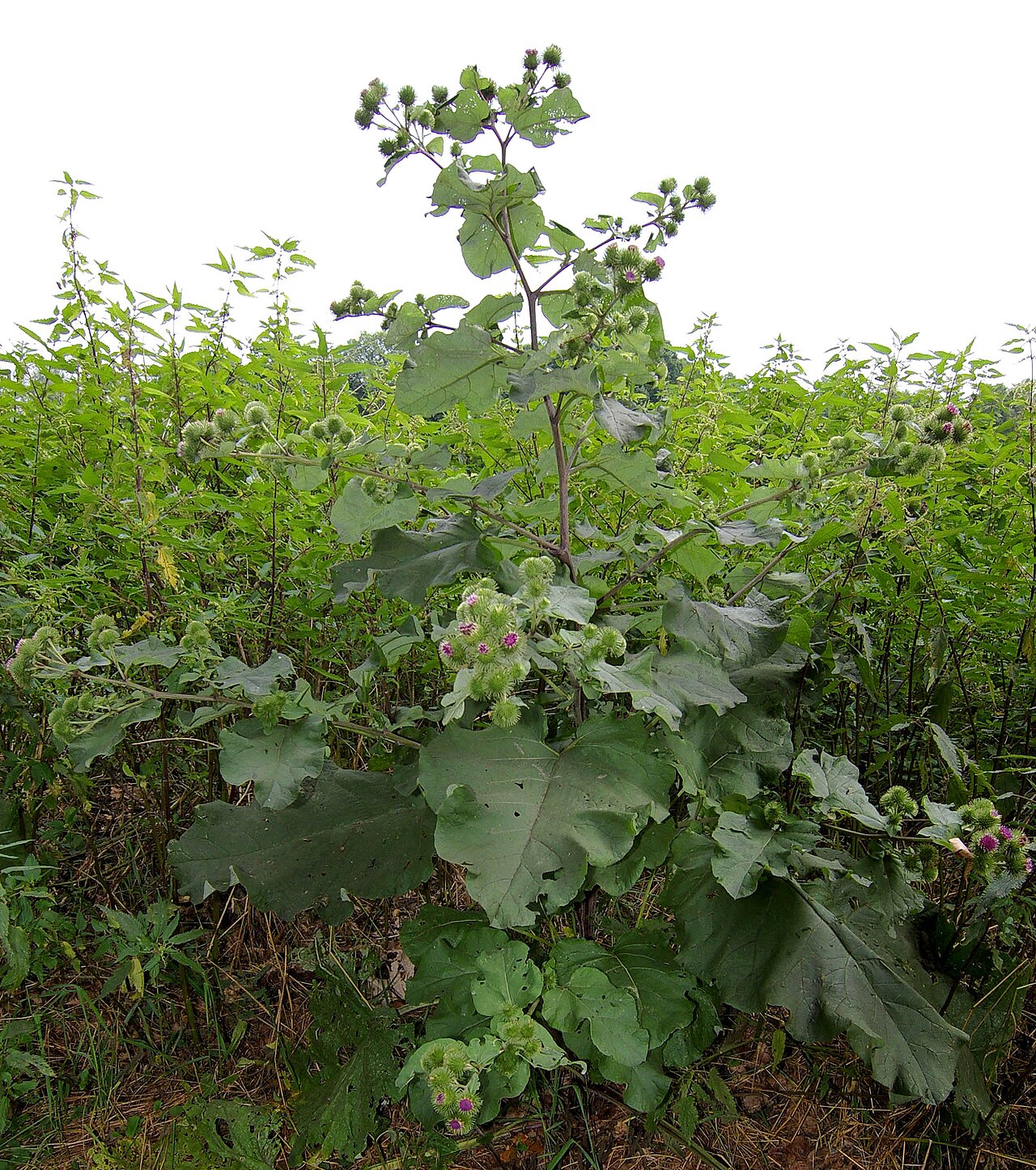
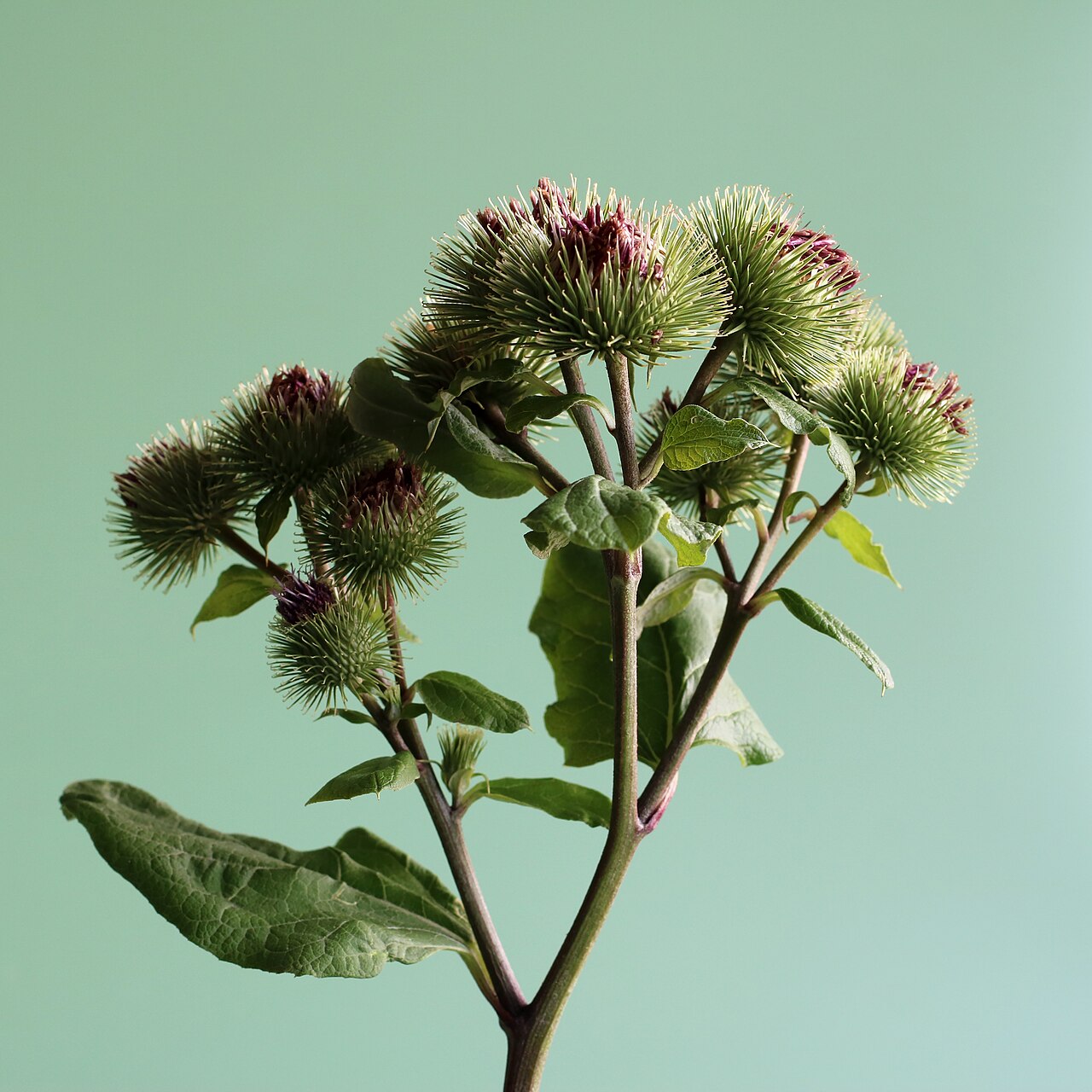
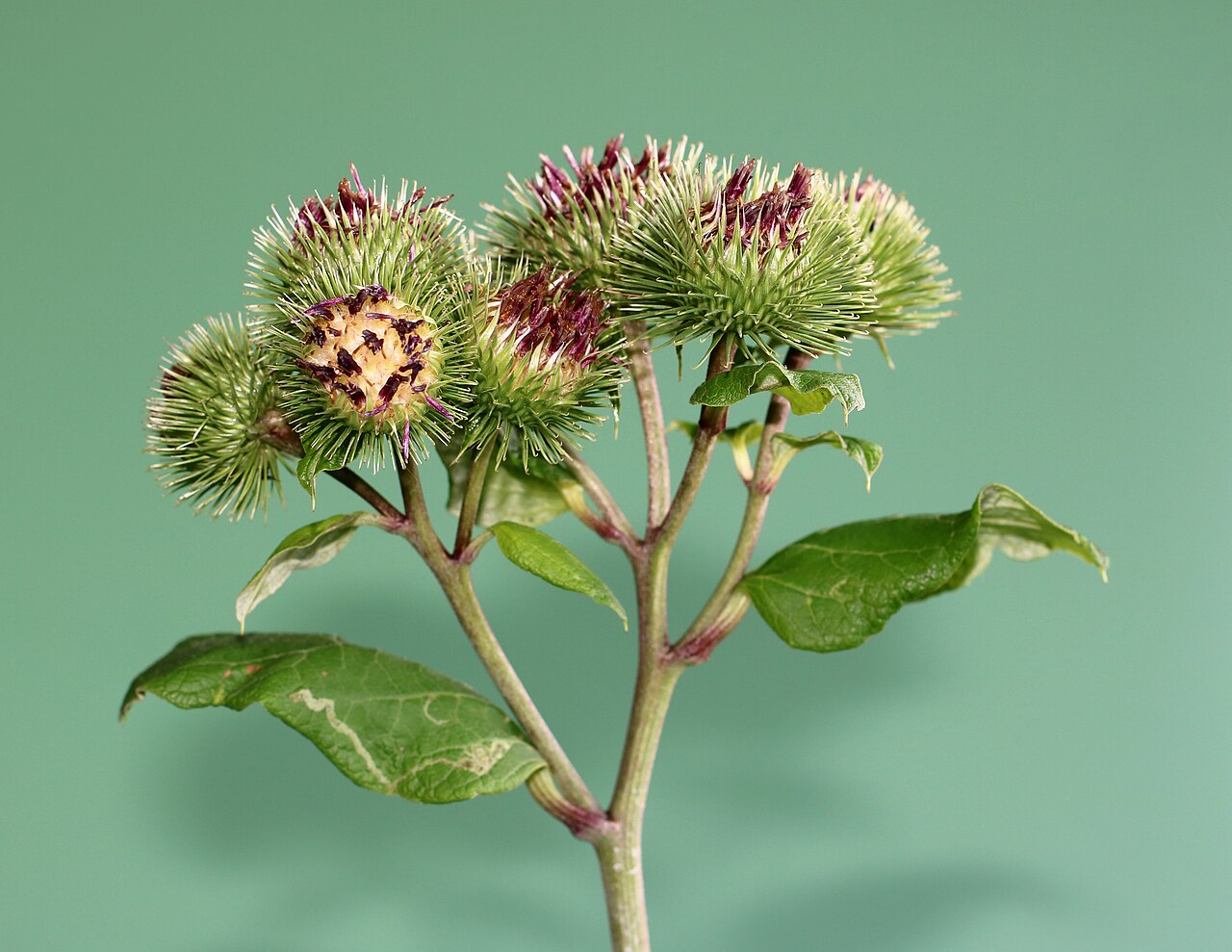
Forked, stubby roots are the main disappointment, and they come from compacted or stony soil, not from the variety. Cutworms and slugs can trouble seedlings. And do not let it go to seed in year two unless you want burs everywhere — the burs that inspired Velcro are not a joke.
Harvest
Dig in fall of the first year, or in early spring of the second year before the plant bolts — after bolting, the root turns woody and bitter. Dig deep and lever gently; a snapped root is still edible, but a whole one is a triumph. Scrub, peel lightly, and use promptly, as cut burdock discolors fast.
Nerdy fact: Those burs really did inspire Velcro: Swiss engineer George de Mestral examined burdock burs under a microscope in the 1940s and copied their tiny hooks — so your burdock patch is growing the prototype of one of the most famous inventions of the twentieth century.
Saving seeds
Takinogawa Long is the burdock: the standard Japanese gobo variety, listed by Fedco at 120 days and by Cornell’s variety database with roots of 1 to 4 feet. It is open-pollinated, late-maturing, and rich-flavored — the burdock essential to classic Japanese dishes like kimpira, the sautéed burdock and carrot that shows up on every washoku table. The root is the point: long, slender, creamy-fleshed, with a mild, earthy, slightly sweet flavor and a crunch that survives cooking. It is also, frankly, a project — a 3-foot root does not dig itself, and growing it well means preparing soil the way you would for parsnips, only deeper. As an open-pollinated variety it comes true from seed. In Florida, burdock is best treated as a cool-season root crop: sow in fall, let the rosette grow through winter, and dig the roots before the plant bolts in spring heat. Give it the deepest, loosest soil you have — a burdock root in compacted ground is a burdock root you will never fully dig out. Direct-sow into soil worked as deeply as you possibly can — a raised bed with loose, deep soil is ideal, and some growers use a trench filled with loose mix. Thin to 3–6 inches apart. Do not transplant: the taproot resents it and forks. The full method is in the Saving seeds section of the Burdock guide.