
🌿 Bianco Avorio Cardoon
What it looks like
Why this variety
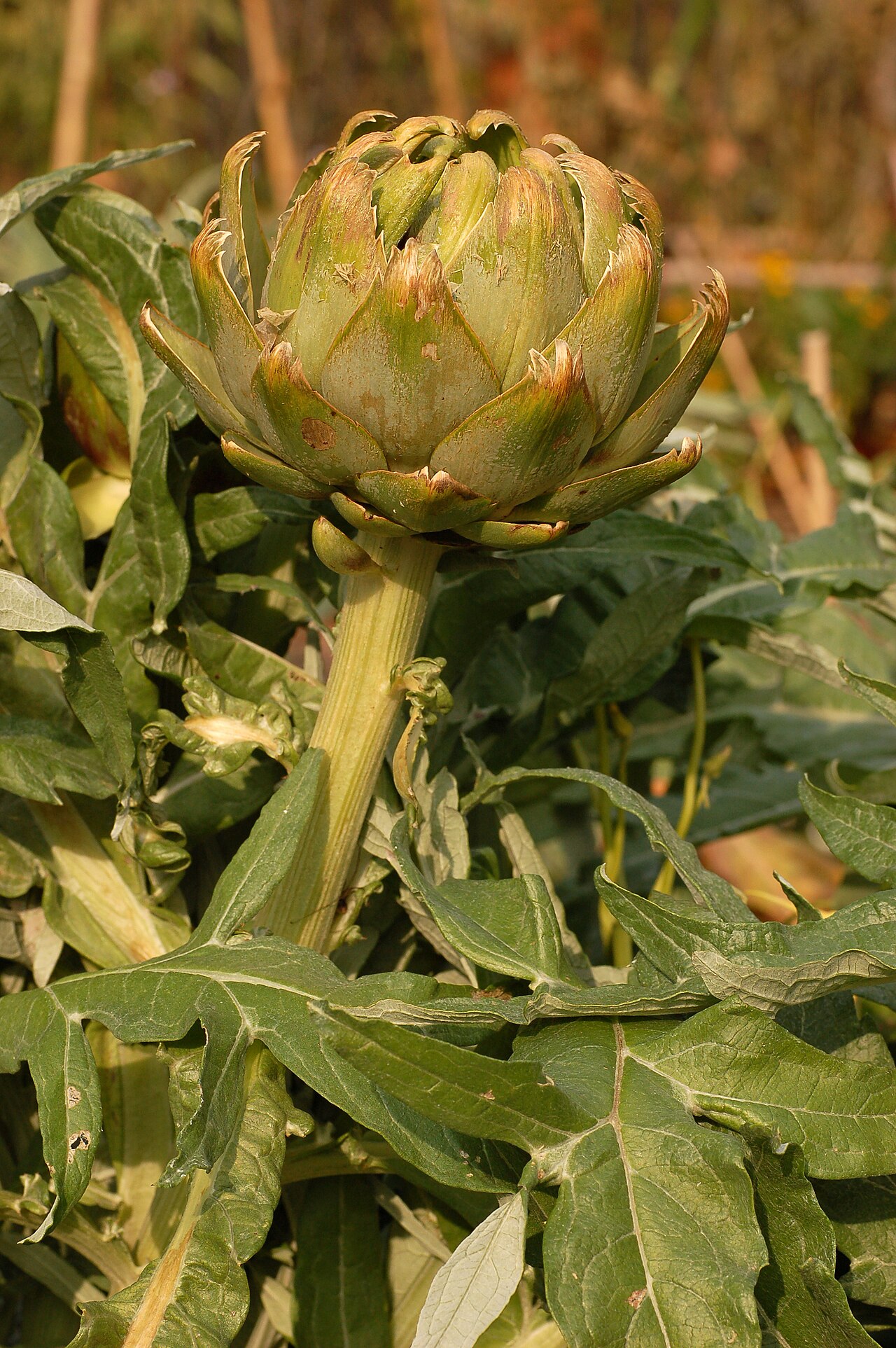
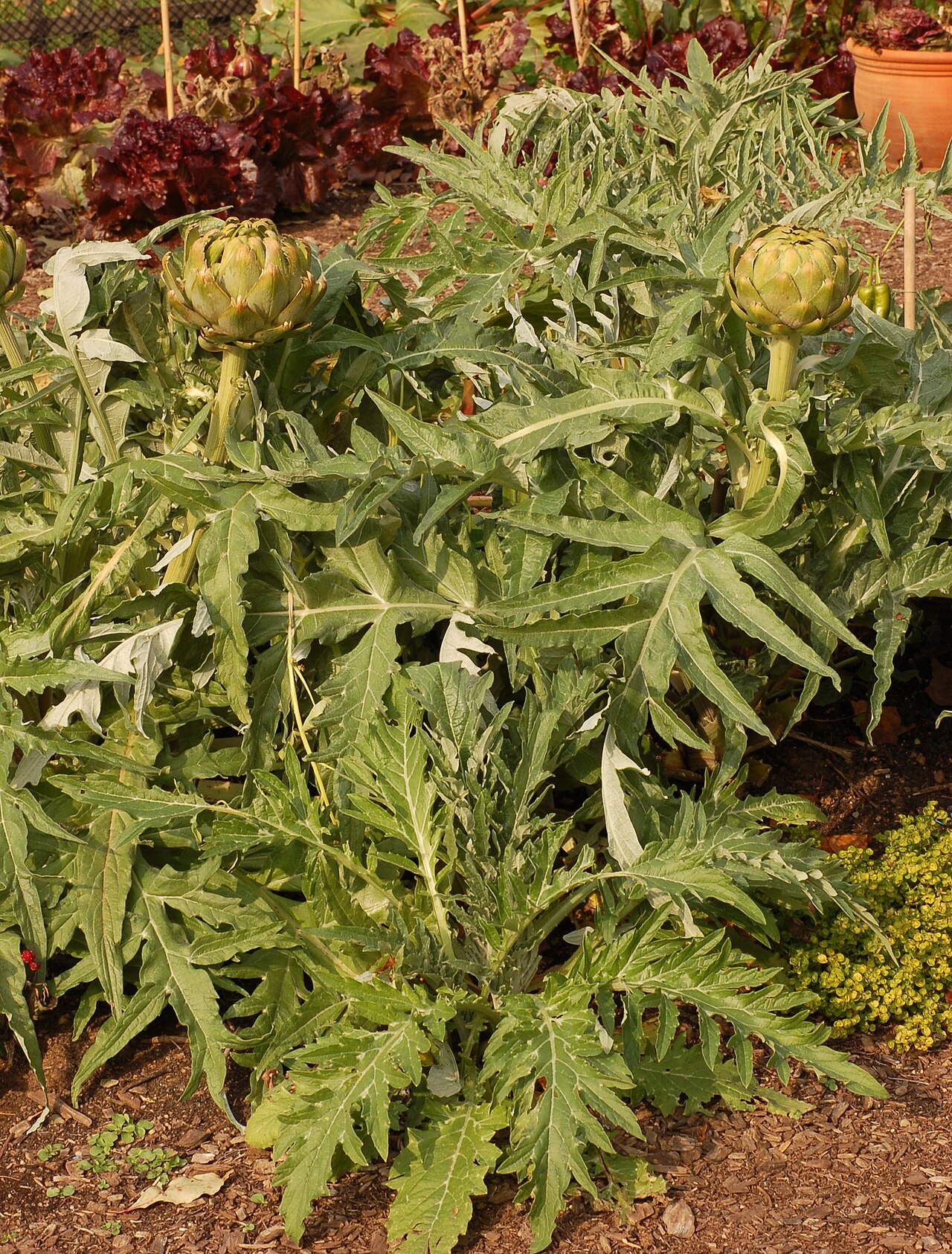
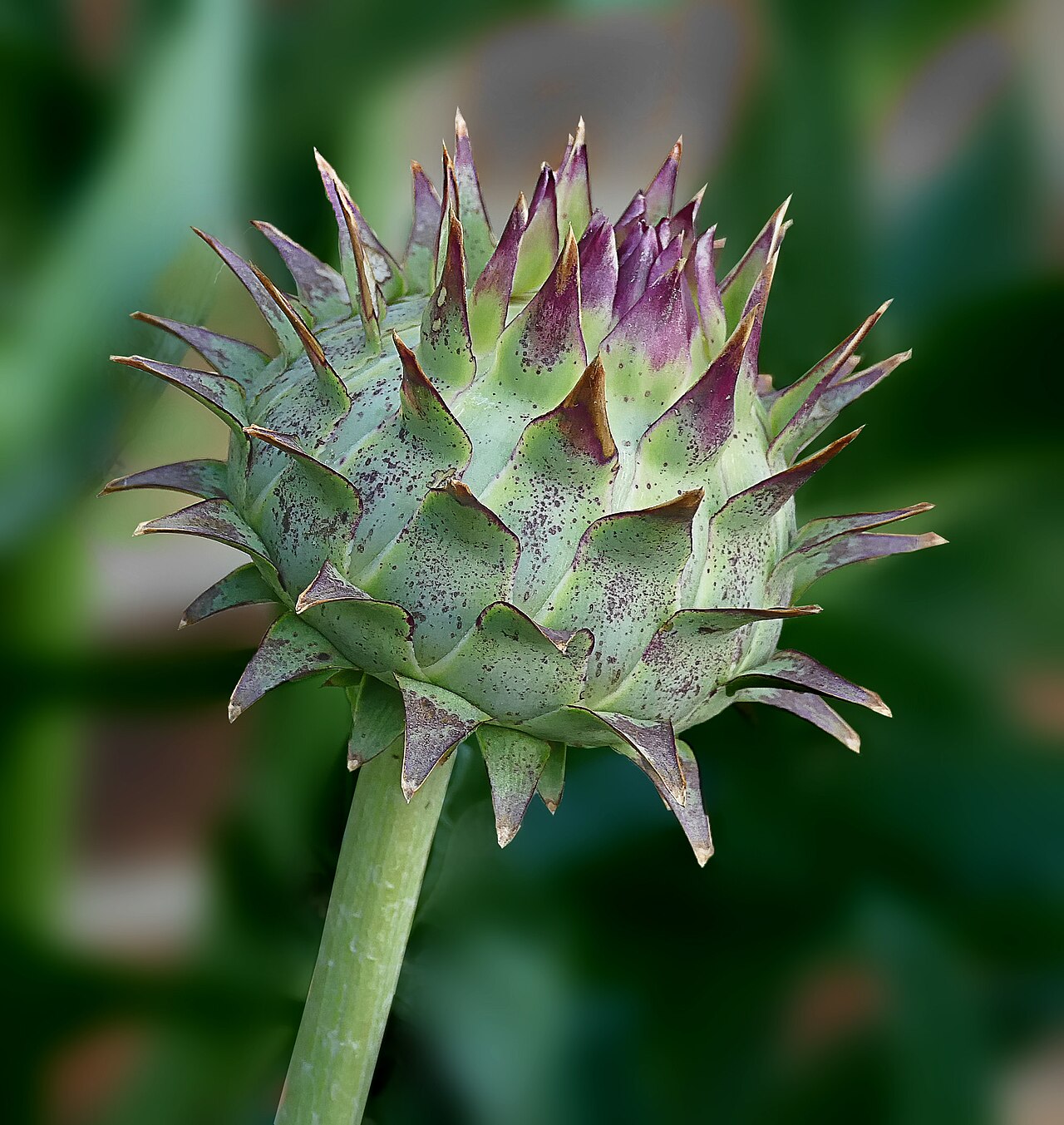
Bianco Avorio is the other classic Italian cardoon: Seeds from Italy describes it as a mid-late, very large, vigorous plant with large white stalks and thinner ribs than Gobbo di Nizza, and lists it at 110 days. If Gobbo is the flavor pick, Bianco Avorio is the production pick — bigger plants, straighter growth, and plenty of ribs.
Thinner ribs are not a drawback: they cook faster, need less peeling, and are easier to handle in the kitchen. And a straighter, more upright plant is easier to tie and wrap for blanching, which is a real consideration when you are wrestling a 5-foot thistle.
If you are new to choosing between cultivars, the Varieties Matter guide explains why the name after the plant matters as much as the plant itself. And if you want the whole clan at a glance, the broader Cardoon guide covers cardoon generally.
How to grow
In Florida, cardoon is a big, architectural perennial for the northern and central parts of the state, and a spectacular cool-season annual farther south. Give it room — this is not a plant for a tight bed — and blanch the stalks before harvest if you want them mild.
Grow like other cardoons: start indoors, transplant into rich soil 3–4 feet apart, water deeply, and blanch by tying and wrapping for several weeks before harvest. Give it sun and room — a crowded cardoon is a sulky cardoon.
Water & feeding
Cardoon wants deep, regular water and rich soil; it sulks in drought and turns tough and bitter when dry. Mulch heavily, feed with compost through the growing season, and keep the crown mulched over winter in the cooler parts of the state.
Common problems
Aphids, slugs, and drought are the main issues, same as for all cardoons. Watch for the plant bolting in its second year: once it flowers, stalk quality drops, so harvest the stalks you want before the flower stalk shoots up.
Harvest
Harvest after blanching, cutting stalks from the outside in or taking the whole plant at the base. Peel, trim, and cook by boiling or braising — and save the cooking water for soup stock, because it carries a surprising amount of artichoke flavor.
Nerdy fact: The ‘bianco’ in the name is literal: blanched cardoon ribs are pale ivory, and the whiter the rib, the milder the flavor — which is why the wrapping step, tedious as it looks, is worth every minute.
Saving seeds
Bianco Avorio is a traditional open-pollinated variety, so it comes true from seed — save seed from your best plants, and keep it away from other cardoons to avoid crossing. The full method is in the Saving seeds section of the Cardoon guide.