
🌿 Cardoon
What it looks like
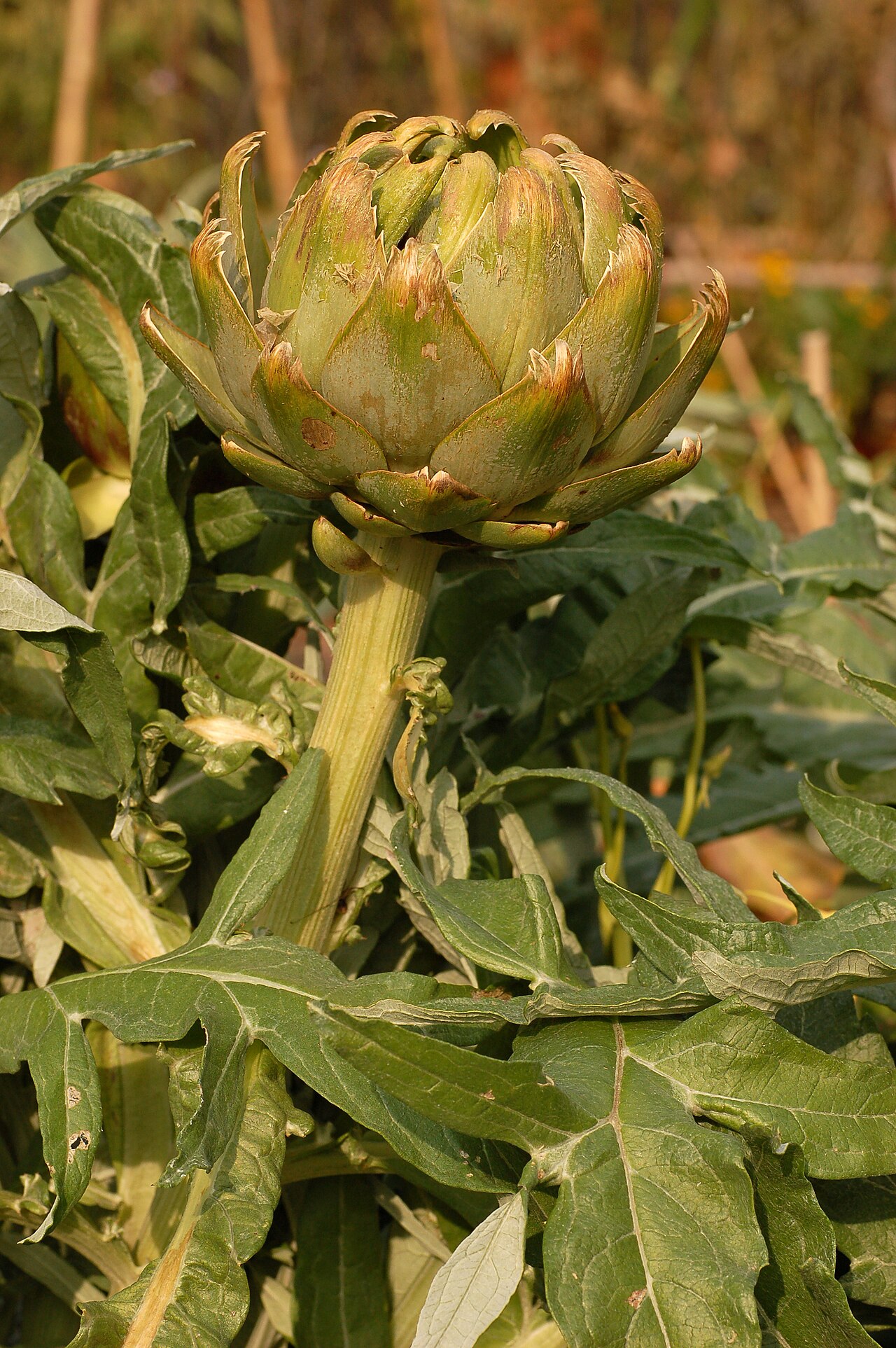
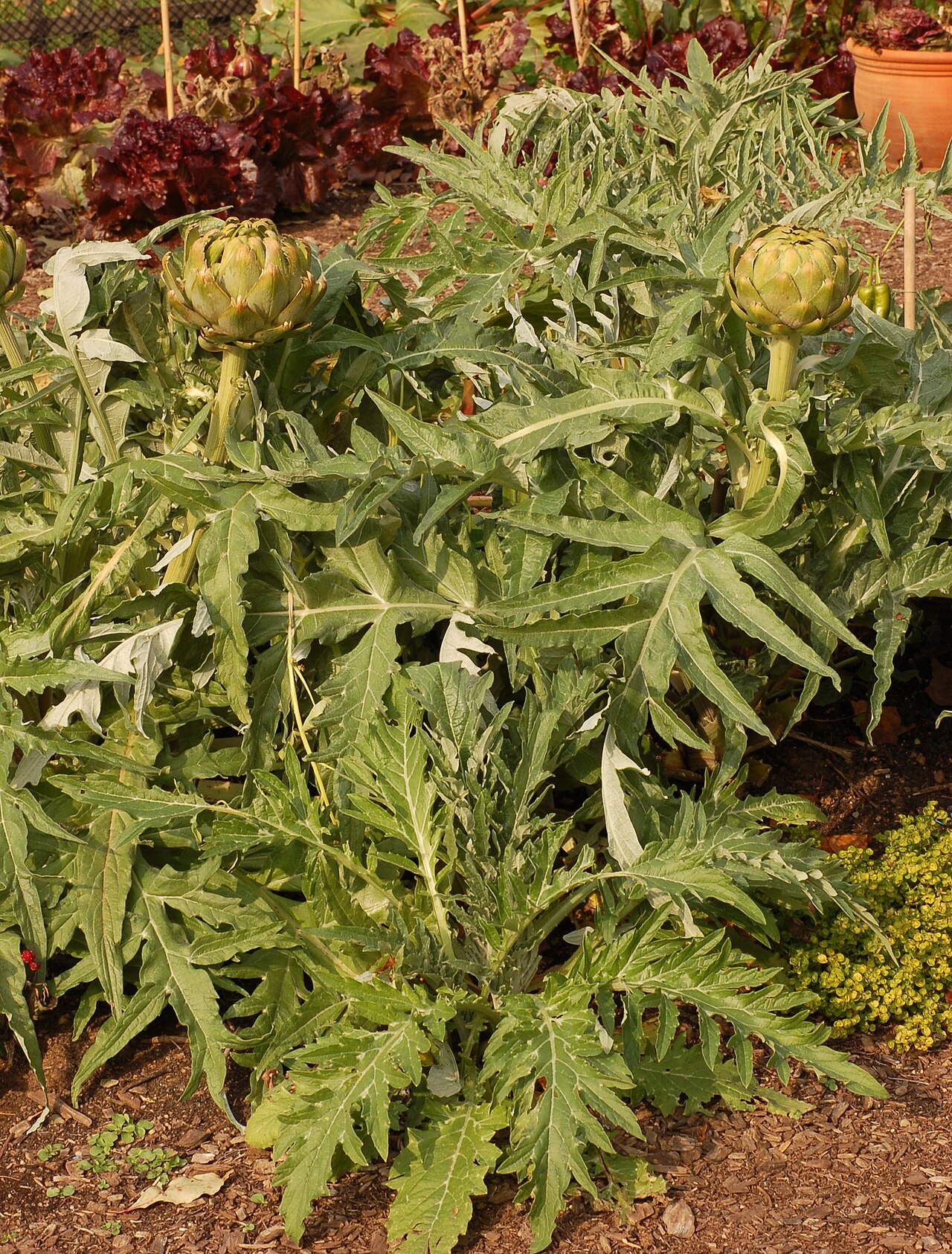
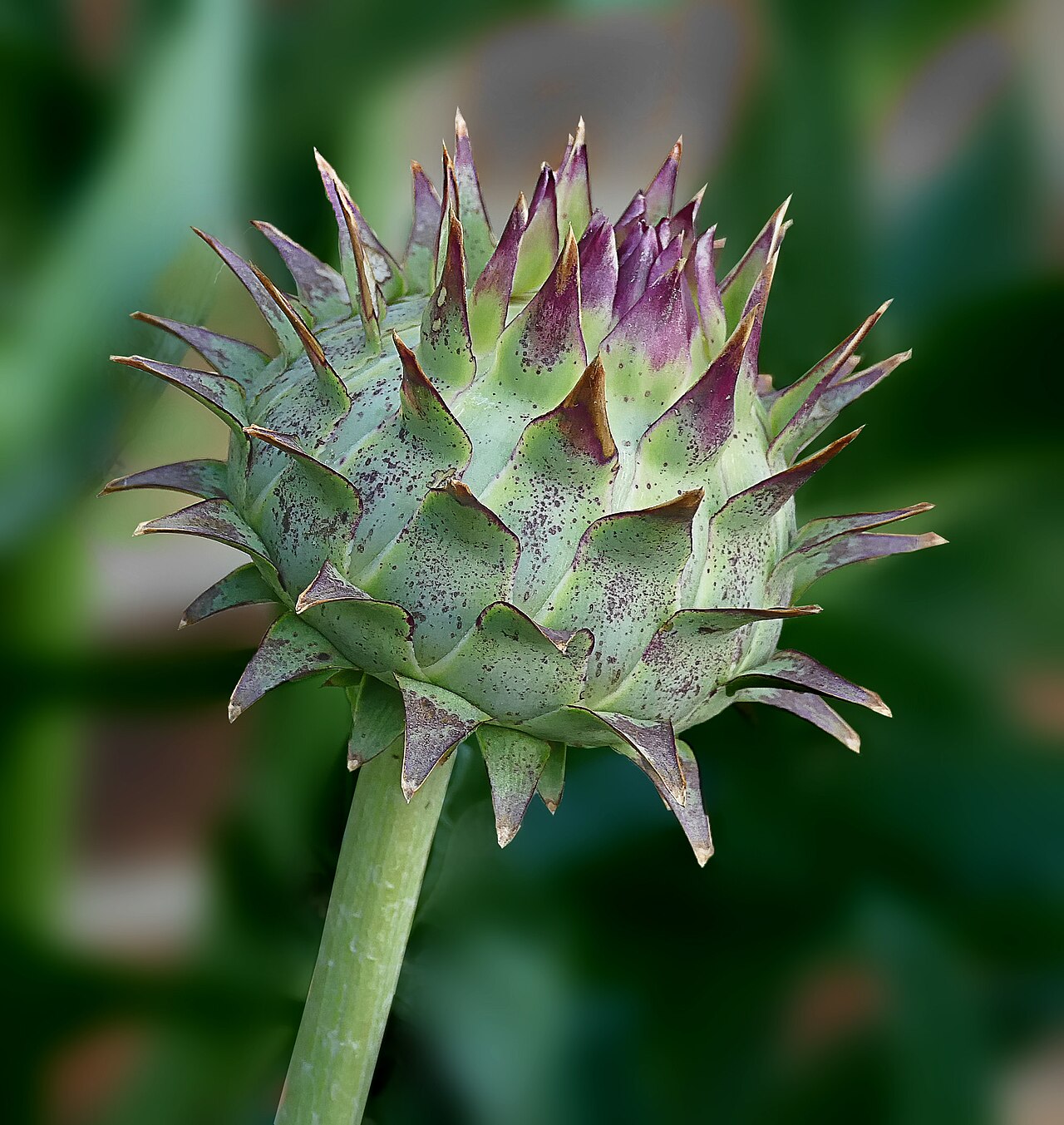
How to grow
Cardoon is a large Mediterranean perennial, closely related to globe artichoke but grown for its thick, edible leaf stalks rather than its flower buds. Start seed indoors 6–10 weeks before the last frost and transplant 3–4 weeks after the last frost, when soil is warm — cardoon is frost-sensitive when young. Plants get huge, 3–4 feet tall and wide, so give each plant 3–4 feet of space and its own bed; it is not a plant to squeeze between carrots. It is perennial in zones 7–10, where it can live for years, and grown as an annual in colder zones, sometimes overwintered with heavy mulch. Choose a spineless variety like ‘Gigante’ or ‘Porto Spineless’ if you dislike spines, and wear gloves — the stalks carry tiny, irritating spines.
Water & feeding
Water about an inch a week; big plants are fairly drought-tolerant but produce the juiciest stalks with steady moisture. Feed with compost at planting and again midseason, or liquid feed every couple of weeks during summer growth. High heat makes cardoon bitter, so it does best with long, mild summers.
Common problems
- Aphids — blast with water or pinch out infested foliage.
- Powdery mildew in crowded, humid plantings — space widely for airflow.
- Bitter stalks — almost always caused by skipping blanching or by heat stress.
- Bolting and flowering — plants may flower in their second year; enjoy the thistle-like purple blooms for pollinators, but stalk quality drops.
Harvest
About 3–4 weeks before harvest, when plants are about 3 feet tall, blanch the stalks: tie leaves together in a bunch and wrap paper, burlap, or cardboard around the stems to about 18 inches high, or hill soil around the stems. This blocks light, making stalks pale, tender, and less bitter. Harvest 4–6 weeks after blanching by cutting stalks at ground level, trimming off leaves and spiny bits. Cut stalks into pieces, peel the stringy surface, and boil about 20 minutes until tender before using in gratins, soups, and braises.
Saving seeds
Saving cardoon seed asks for one sacrifice up front: a plant grown for seed is not a plant grown for stalks. The flower stalk is the whole point of the exercise, and once a cardoon bolts, its stalks turn tough and the kitchen harvest is over. Pick your strongest plant, or two, and hand them over to the bees. Cardoons usually flower in their second year, and seed producers traditionally pull out any plant that flowers in its first year, since early bolters pass on the urge to bolt early.
The pollination story is where the care comes in. Cardoon flowers are insect-pollinated and self-sterile, meaning a lone flower cannot fertilize itself; it needs pollen from another flower, carried by bees. That same openness means cardoon crosses freely with its own close relatives: other cardoon varieties, and globe artichokes, which are the same species, Cynara cardunculus, wearing a different job description. Sources disagree on how far apart is far enough, and the disagreement is worth stating plainly. One seed-saving reference calls for a kilometer between varieties, dropping to 500 meters with a hedge barrier; a seed company advises at least 800 feet. For a home garden, the honest translation is this: grow one variety of cardoon and no artichokes if you want pure seed, or cage a flowering head in fine mesh and hand-pollinate it. Anything less is a gamble, and the gamble shows up as artichoke-flavored surprises in the next generation.
Collect about two months after pollination, when the bracts around the thistle-like purple head have turned brown and silvery-gray plumes, the pappus, begin to poke out of the top. Cut the heads and finish drying them indoors, because a head left to dry on the plant will happily release its parachutes on the first breeze. Wear gloves: the heads are spiky, and the spines do not negotiate. Once the heads are crunchy and fully brown, break them open, pull the seeds free, and separate each seed from its plume. Rubbing the heads together over a tray, or beating them gently inside a bag, does most of the work; a light winnow or a careful breath across the tray removes the last chaff.
Store the clean seed in an airtight container in a cool, dark place, with a desiccant packet if you garden in Florida humidity, where a merely dry-looking jar can quietly go damp. One seed-saving reference puts average cardoon germination at around seven years under good storage, which is generous by vegetable standards, but treat that as an average, not a warranty, and sow your oldest seed first. Saved seed from an open-pollinated variety, properly isolated, grows true to that variety. If your packet said F1 or hybrid, do not expect the same plant back; save seed from it anyway if you enjoy surprises, but label the jar honestly. And if purity matters more than adventure, remember the old practice: cardoons are also propagated from suckers, and a sucker is a clone, no bees required.
Browse all plant & pest guides
Varieties
Every named variety of Cardoon with its own growing guide:
- Gobbo di Nizza Cardoon — The 'Hunchback of Nice' — thick, curving ribs, the best flavor of the cardoons, and a blanching champion.
- Bianco Avorio Cardoon — The big, vigorous white-ribbed cardoon — thinner ribs than Gobbo, but a larger, straighter plant.
- Blanc Amélioré Cardoon — The French improved white cardoon — excellently flavored, bred for the table rather than the flower bed.