
🌿 Gobbo di Nizza Cardoon
What it looks like
Why this variety
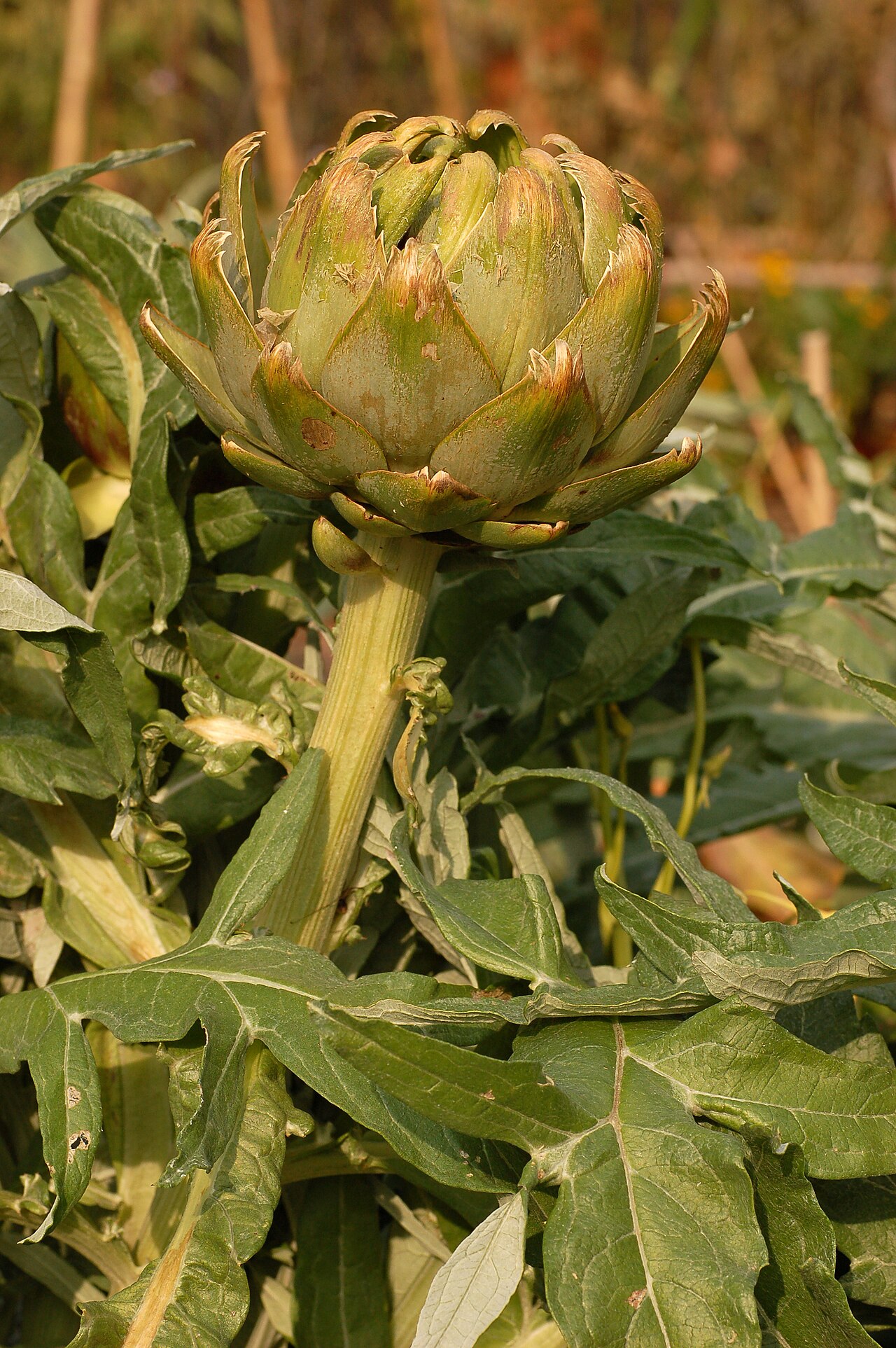
Gobbo di Nizza — the ‘Hunchback of Nice’ — is the cardoon most often named as the best-tasting: Seeds from Italy lists it at 110 days with thick, curving ribs, and growers consistently rank it first for flavor and tenderness. The ribs blanch beautifully, turning mild and nutty, with a flavor that lands somewhere between artichoke heart and celery.
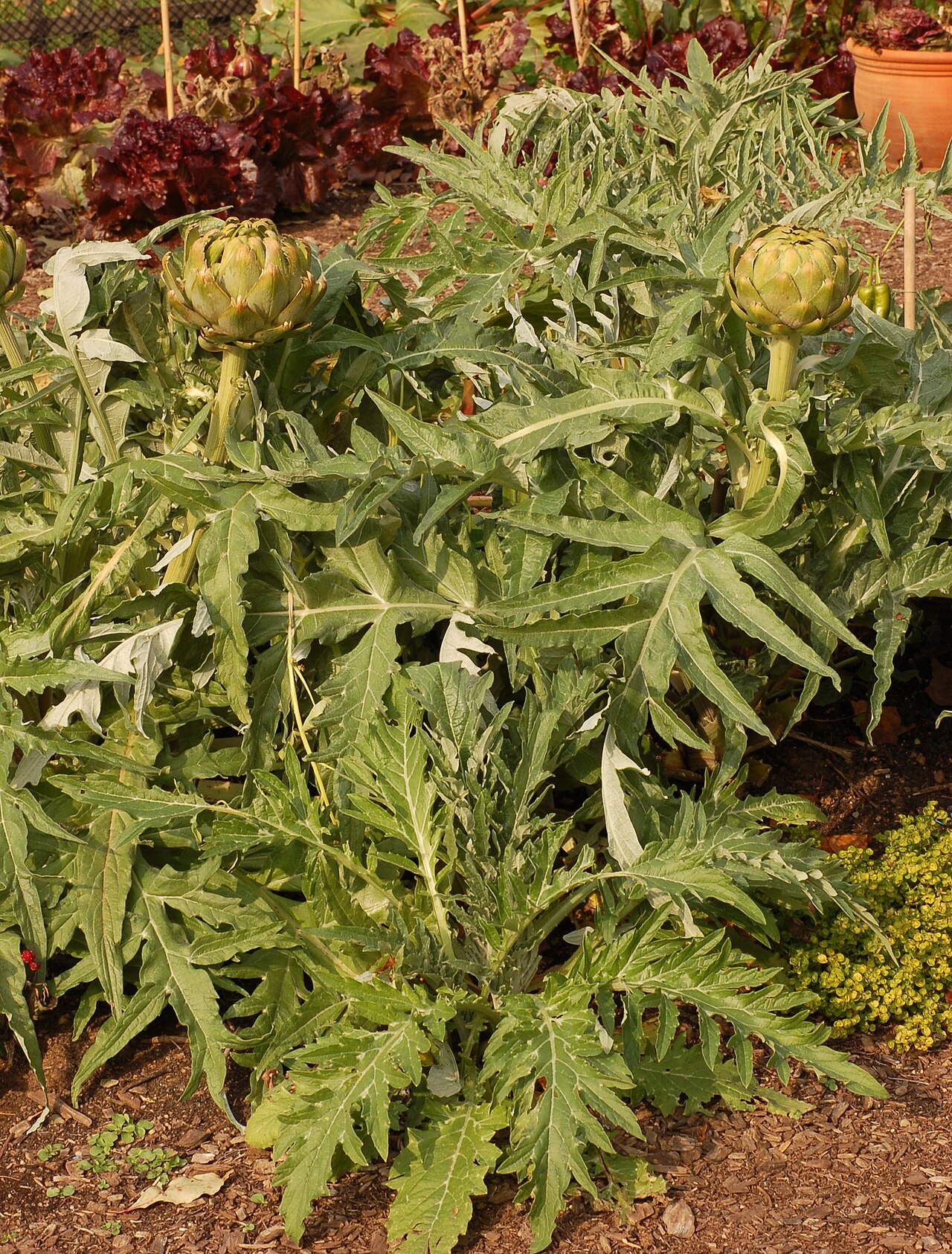
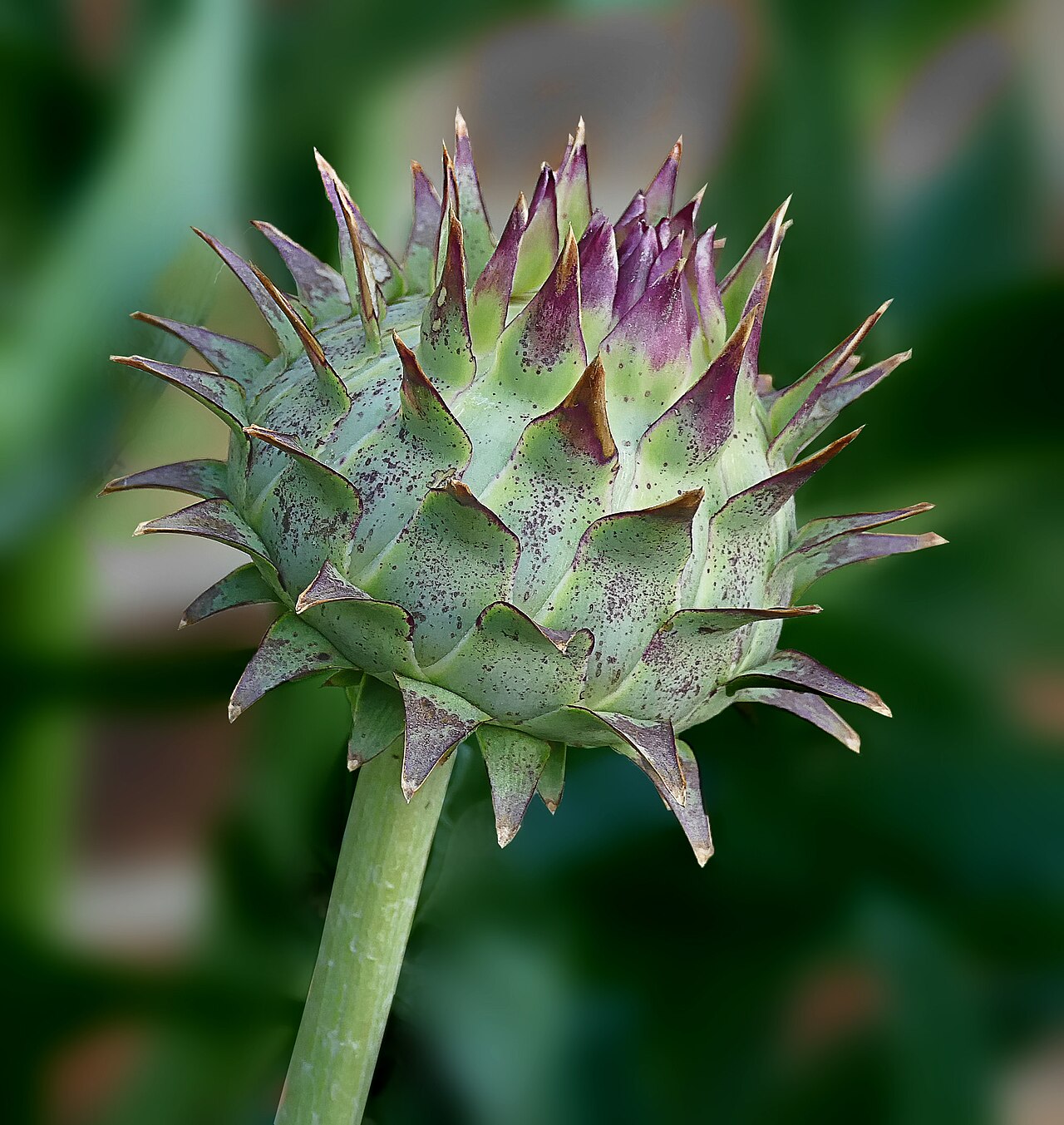
It is also ornamental enough to earn its bed space twice over: silvery, deeply cut leaves on a plant that can top 5 feet, with thistle flowers that bees adore if you let one plant go to bloom. A cardoon patch is a statement, and Gobbo di Nizza is the statement variety.
If you are new to choosing between cultivars, the Varieties Matter guide explains why the name after the plant matters as much as the plant itself. And if you want the whole clan at a glance, the broader Cardoon guide covers cardoon generally.
How to grow
In Florida, cardoon is a big, architectural perennial for the northern and central parts of the state, and a spectacular cool-season annual farther south. Give it room — this is not a plant for a tight bed — and blanch the stalks before harvest if you want them mild.
Start seed indoors 6–10 weeks before the last frost and transplant after it, spacing 3–4 feet apart in rich, deep soil. To blanch, tie the leaves together in fall and wrap the stalks in cardboard or sacking for 3–4 weeks before harvest — this is what turns the ribs tender and mild.
Water & feeding
Cardoon wants deep, regular water and rich soil; it sulks in drought and turns tough and bitter when dry. Mulch heavily, feed with compost through the growing season, and keep the crown mulched over winter in the cooler parts of the state.
Common problems
Aphids love the young growth, and slugs like the damp base of a blanched plant — check under the wraps. Cardoon is otherwise tough, but it needs water: drought makes the ribs stringy and bitter, which no amount of blanching fixes.
Harvest
Cut individual stalks as needed after blanching, or cut the whole plant at the base like a giant head of celery. Peel the strings from the back of each rib before cooking, and boil or braise until tender — cardoon is never eaten raw.
Nerdy fact: Cardoon and globe artichoke are the same species, Cynara cardunculus: one bred for its flower buds, the other for its stalks. Growing both is growing two crops from one wild ancestor, the wild cardoon of the Mediterranean.
Saving seeds
Gobbo di Nizza — the ‘Hunchback of Nice’ — is a traditional Italian cardoon, so saved seed comes true; let a plant go to bloom and collect the seed, and isolate it from artichokes and other cardoons, which cross readily. The full method is in the Saving seeds section of the Cardoon guide.