
🫐 Dwarf Everbearing Mulberry
What it looks like
Why this variety
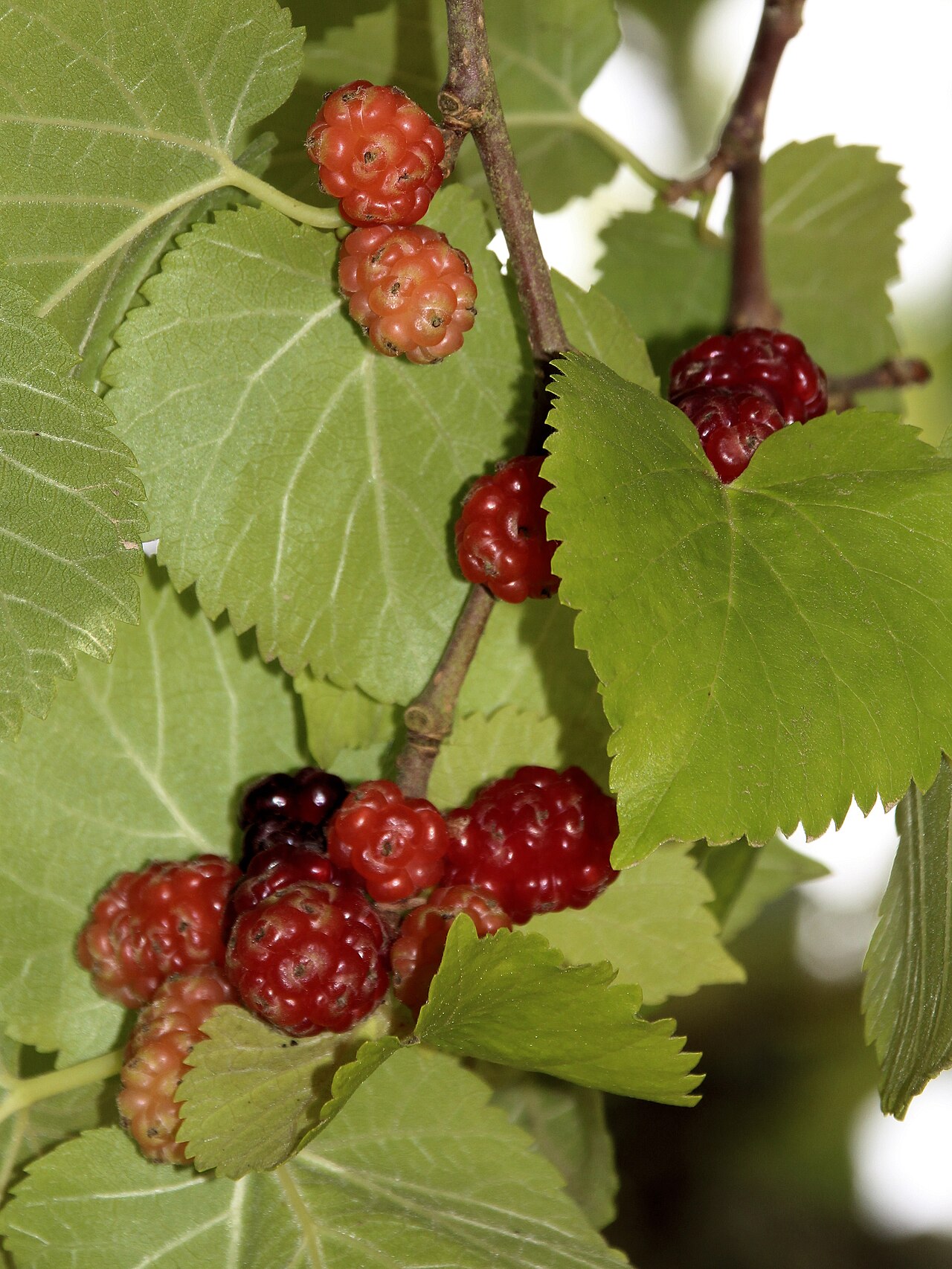
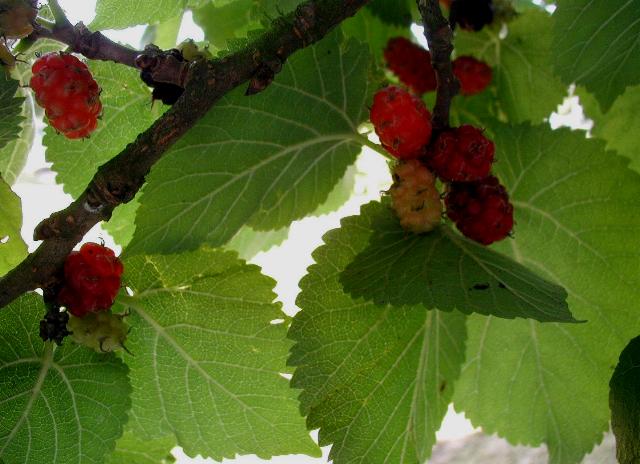
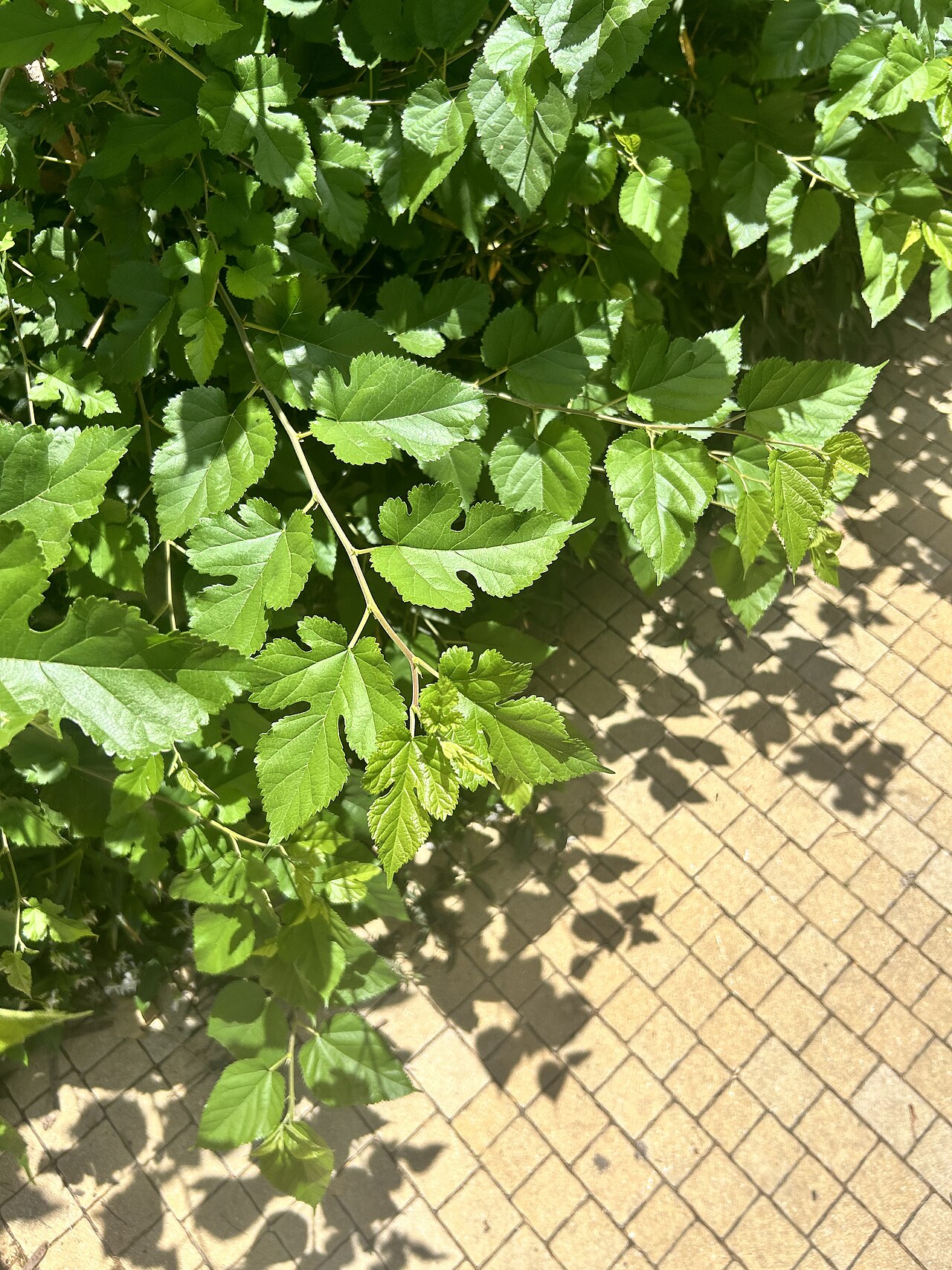
Dwarf Everbearing is the mulberry for small gardens, patios, and gardeners who do not want a 30-foot tree raining fruit on their roof. It is a compact Morus alba variety that can be kept under 6 feet with pruning, fruits through the summer rather than in one short burst, and produces medium-sized black fruit with a rich, sweet flavor. It is self-fertile, fast-growing, and — for a fruit tree — almost embarrassingly easy to grow, which is why it is common in Florida gardens.
The everbearing habit is the real feature: instead of one frantic few weeks of fruit, Dwarf Everbearing gives you berries over months, which means fresh fruit for breakfast through summer and a harvest you can actually keep up with. The fruit is sweet when fully black — pick underripe and it is tart in a way that disappoints — and it is excellent fresh, in pies, and as jam, though much of the crop, honestly, gets eaten standing under the tree.
How to grow
Here is the honest Florida part first: mulberry is one of the easiest fruit trees in Florida, and the varieties below are chosen because they actually fruit here. The catch is not cold but mess and size: ripe fruit stains everything it lands on, and an unpruned tree gets big fast. Plant it away from patios, cars, and laundry lines, prune it to a height you can actually pick from, and you will have fruit by the bucket.
Plant in fall or spring in full sun, in well-drained soil enriched with compost. Space 10–15 feet apart in the ground, or grow in a large container (15 gallons or more) where pruning keeps it truly dwarf. Water through establishment, mulch, and prune each winter to maintain size and shape — mulberry responds to hard pruning with vigorous regrowth, so do not be shy, but do not prune during heavy sap flow in late winter if you dislike the mess. Plant away from patios, driveways, and laundry lines: ripe mulberries stain.
Water & feeding
Water about an inch a week while establishing and fruiting, less once mature, and feed lightly with castings or compost in spring; mulberry tolerates poor soil but fruits better with a little care. In Florida sand, mulch is essential — bare sand dries out between waterings, and a thirsty mulberry drops fruit early. Container plants need more frequent water and feeding than in-ground trees.
Common problems
- Birds are the main competition, and they are enthusiastic: net a small tree if you want a serious harvest, or plant it as a shared tree and enjoy what is left.
- Mulberry is notably disease-free compared with most fruit trees, though bacterial blight and canker can appear in wet conditions; prune out affected wood.
- In Florida, the other consideration is not a pest but a neighbor: white mulberry (Morus alba) can naturalize and hybridize with the native red mulberry, so do not plant it where seedlings will invade natural areas, and remove volunteers.
Harvest
Pick when fruit is fully black, soft, and sweet — taste one first, because color alone can mislead, and red fruit is tart. Pick daily at peak season into a shallow container, eat fresh, freeze on trays, or cook immediately; mulberries do not store fresh for more than a day or two. Shake branches over a sheet for a fast harvest, and wear clothes you do not love — mulberry juice stains with real commitment.
Browse all plant & pest guides
Saving seeds
Dwarf Everbearing is a compact Morus alba variety, so seedlings won’t hold its dwarf habit and everbearing fruit — propagate it by cuttings instead. The Saving seeds section of the Mulberry guide covers seed for the species generally.