
🌿 Blanc Amélioré Cardoon
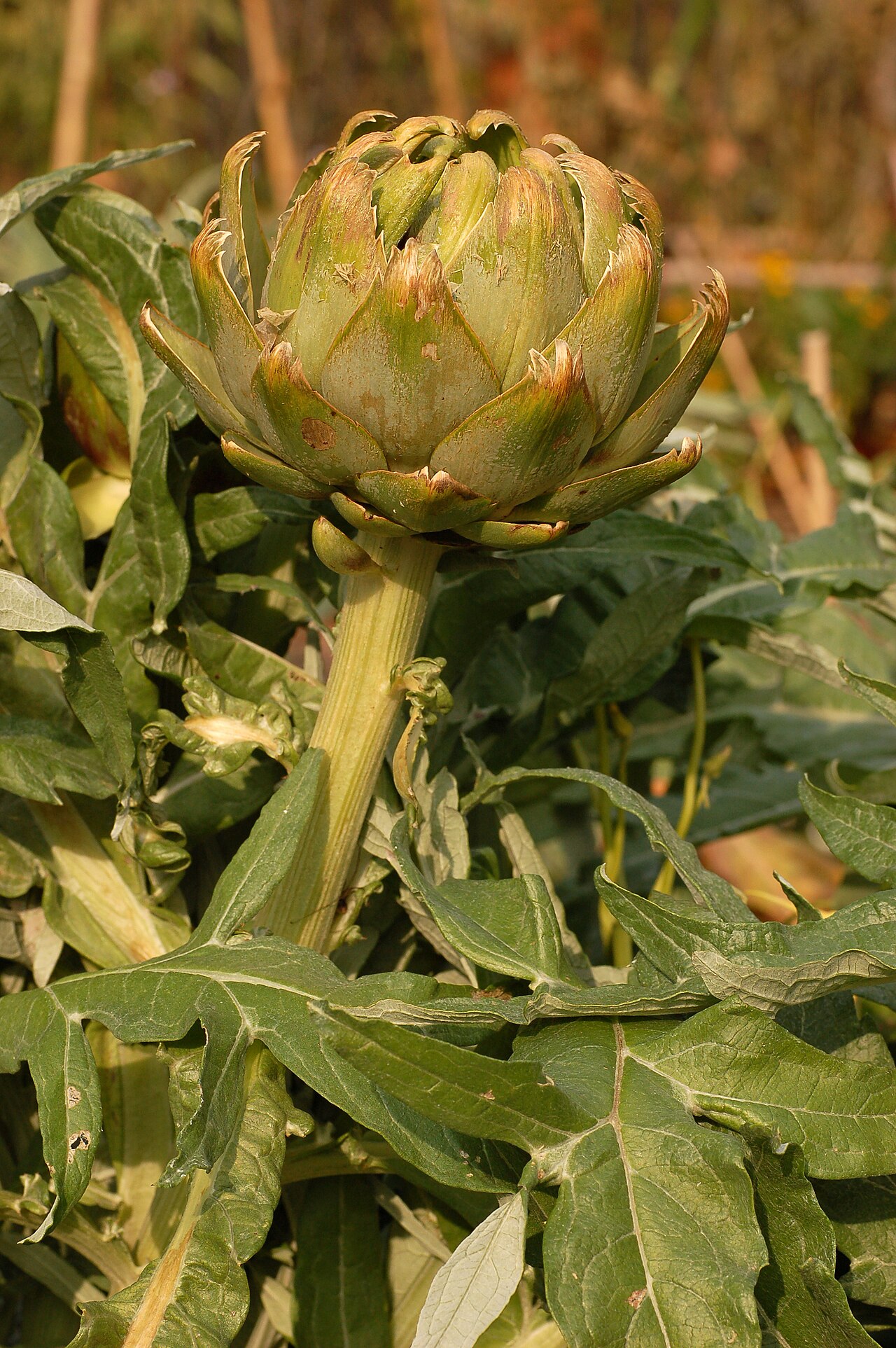
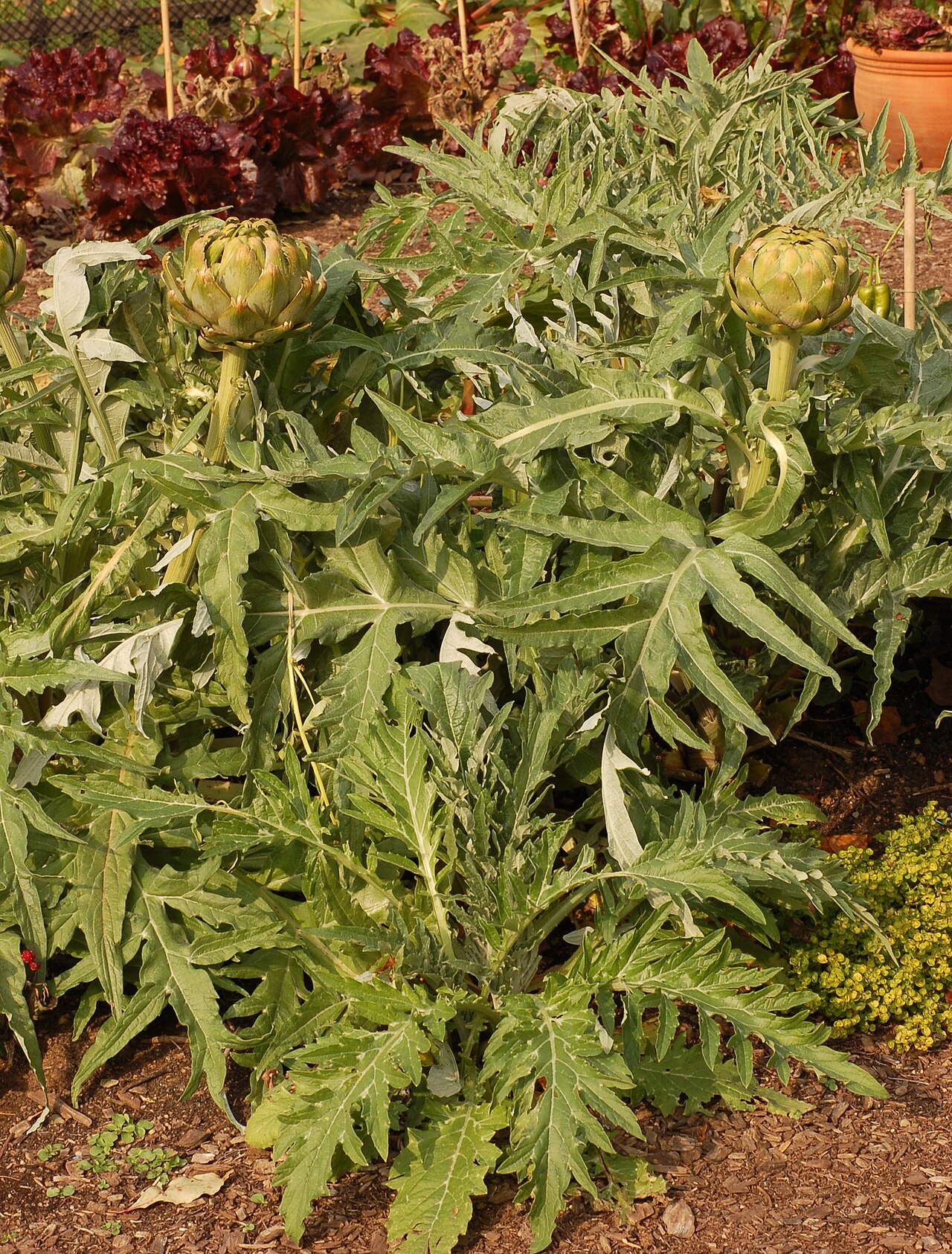
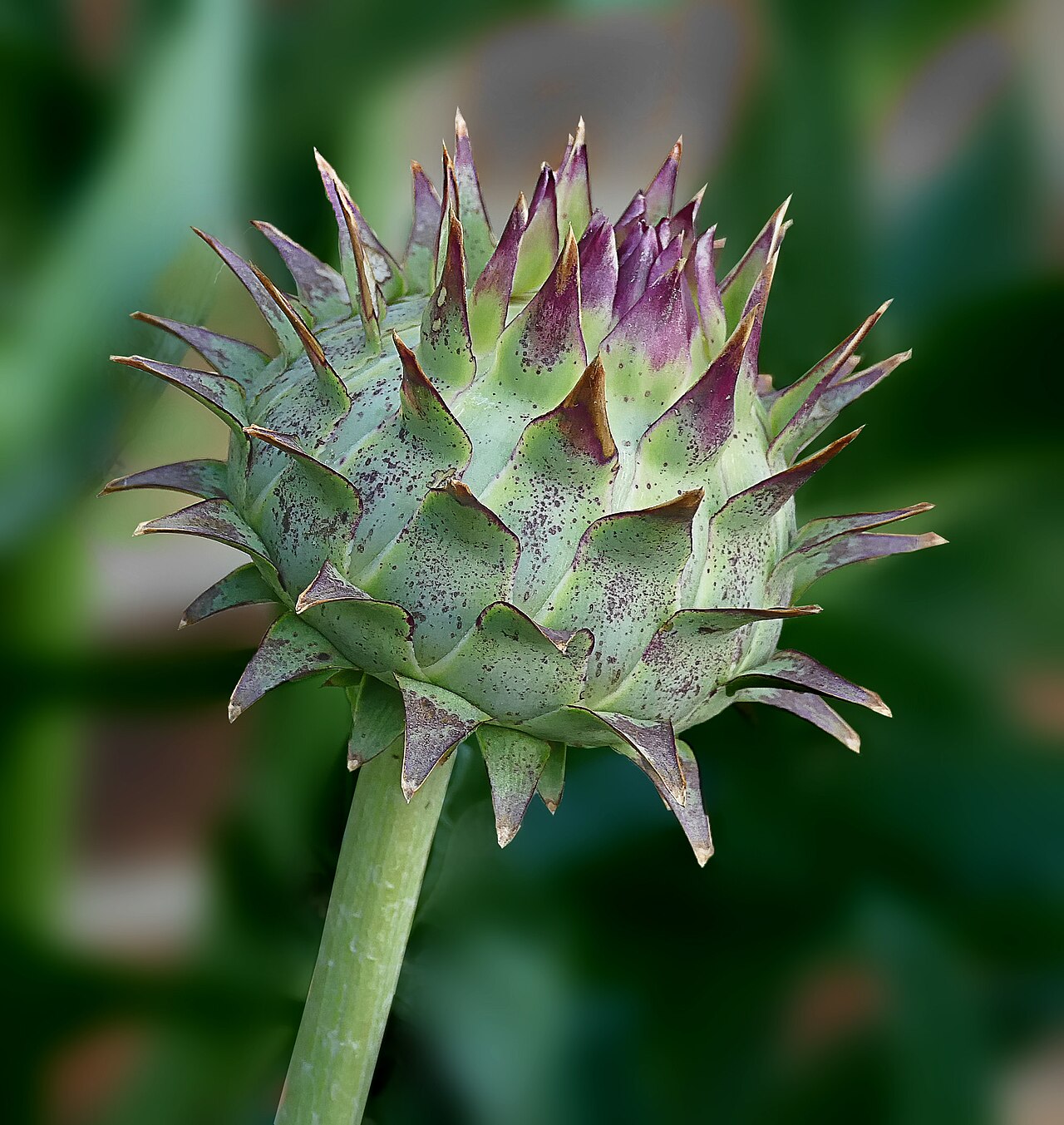
What it looks like
Why this variety
Blanc Amélioré — ‘improved white’ — is the French cardoon selection, described in variety references as an excellently flavored selection from France. Where the Italian varieties are regional heirlooms, Blanc Amélioré is a deliberate improvement: selected for flavor and for ribs that blanch to a clean, pale color.
For the cook, that means a cardoon that needs less coaxing: the ribs are naturally milder and more tender than a wild-type cardoon, so even a shorter blanch gives a good result. If you have grown cardoon before and found it too bitter or too stringy, this is the variety that answers that complaint.
If you are new to choosing between cultivars, the Varieties Matter guide explains why the name after the plant matters as much as the plant itself. And if you want the whole clan at a glance, the broader Cardoon guide covers cardoon generally.
How to grow
In Florida, cardoon is a big, architectural perennial for the northern and central parts of the state, and a spectacular cool-season annual farther south. Give it room — this is not a plant for a tight bed — and blanch the stalks before harvest if you want them mild.
Culture matches other cardoons: indoor start, transplant into deep, rich soil, 3–4 feet apart, steady water, and a blanching wrap for 3–4 weeks before harvest. In mild-winter areas it returns as a perennial from the crown; cut back old growth in spring.
Water & feeding
Cardoon wants deep, regular water and rich soil; it sulks in drought and turns tough and bitter when dry. Mulch heavily, feed with compost through the growing season, and keep the crown mulched over winter in the cooler parts of the state.
Common problems
Aphids and slugs are the usual pests, and drought is the main quality killer. In cold winters, mulch the crown heavily — cardoon is hardy to about zone 7, and a hard freeze can kill an unprotected crown.
Harvest
Cut blanched stalks as needed, peel the fibrous strings, and cook thoroughly — boiled, braised, or battered and fried, the classic holiday preparation. The inner, youngest ribs are the most tender; the outer ones need the longest cooking.
Nerdy fact: Cardoon ribs were once a winter luxury in France and Italy, forced and blanched through the cold months — a vegetable that takes work is a vegetable that tastes like a celebration, and Blanc Amélioré is the variety bred for exactly that table.
Saving seeds
Blanc Amélioré is a French selection, so it comes true from seed — save seed from your best plants, and keep it away from other cardoons to avoid crossing. The full method is in the Saving seeds section of the Cardoon guide.