
🫐 Illinois Everbearing Mulberry
What it looks like
Why this variety
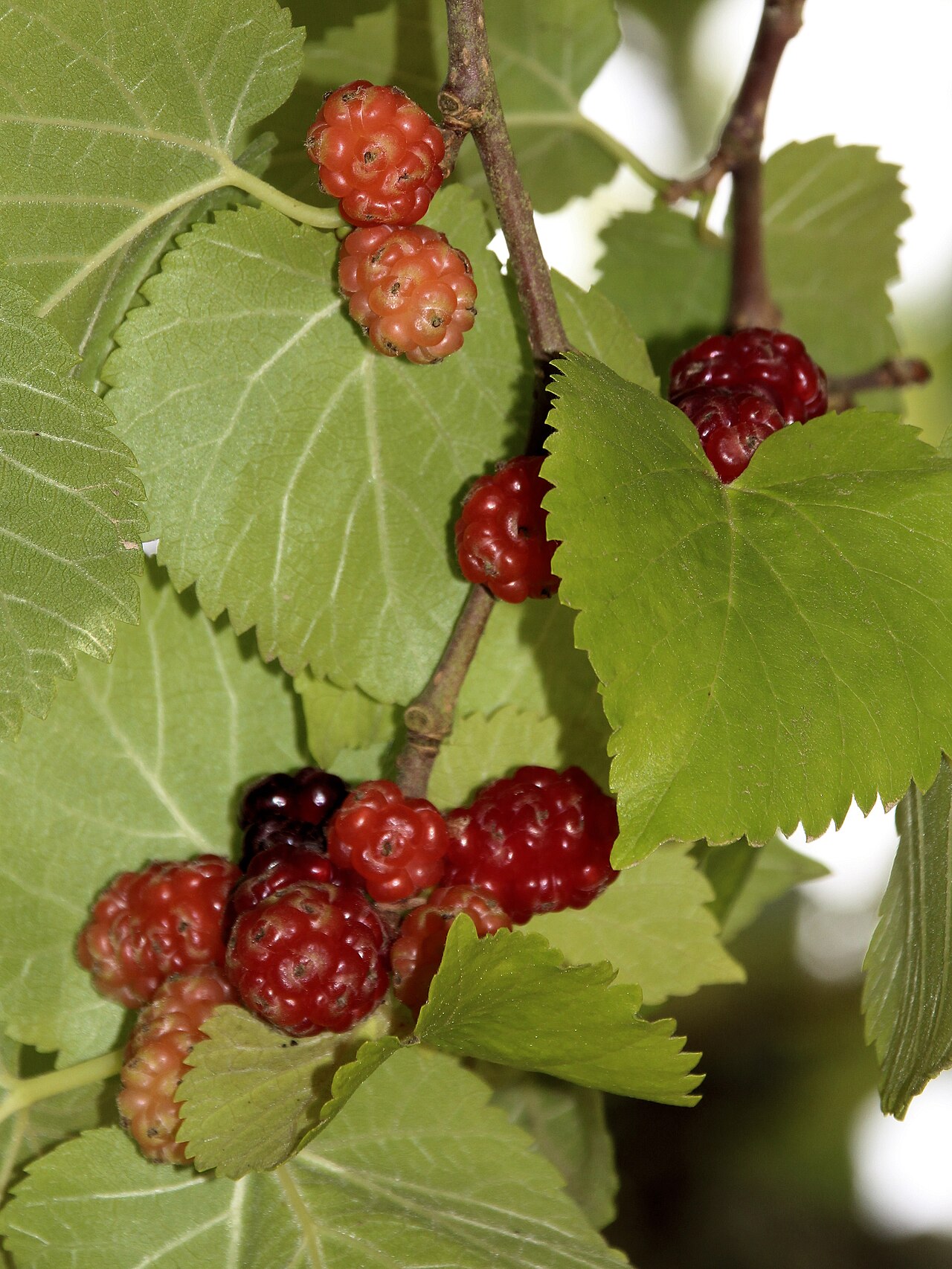
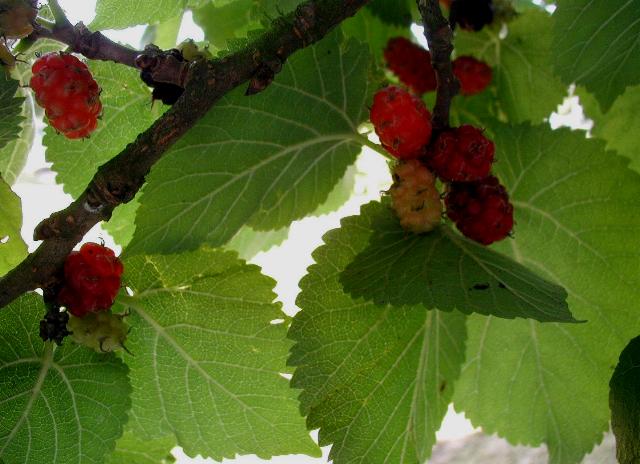
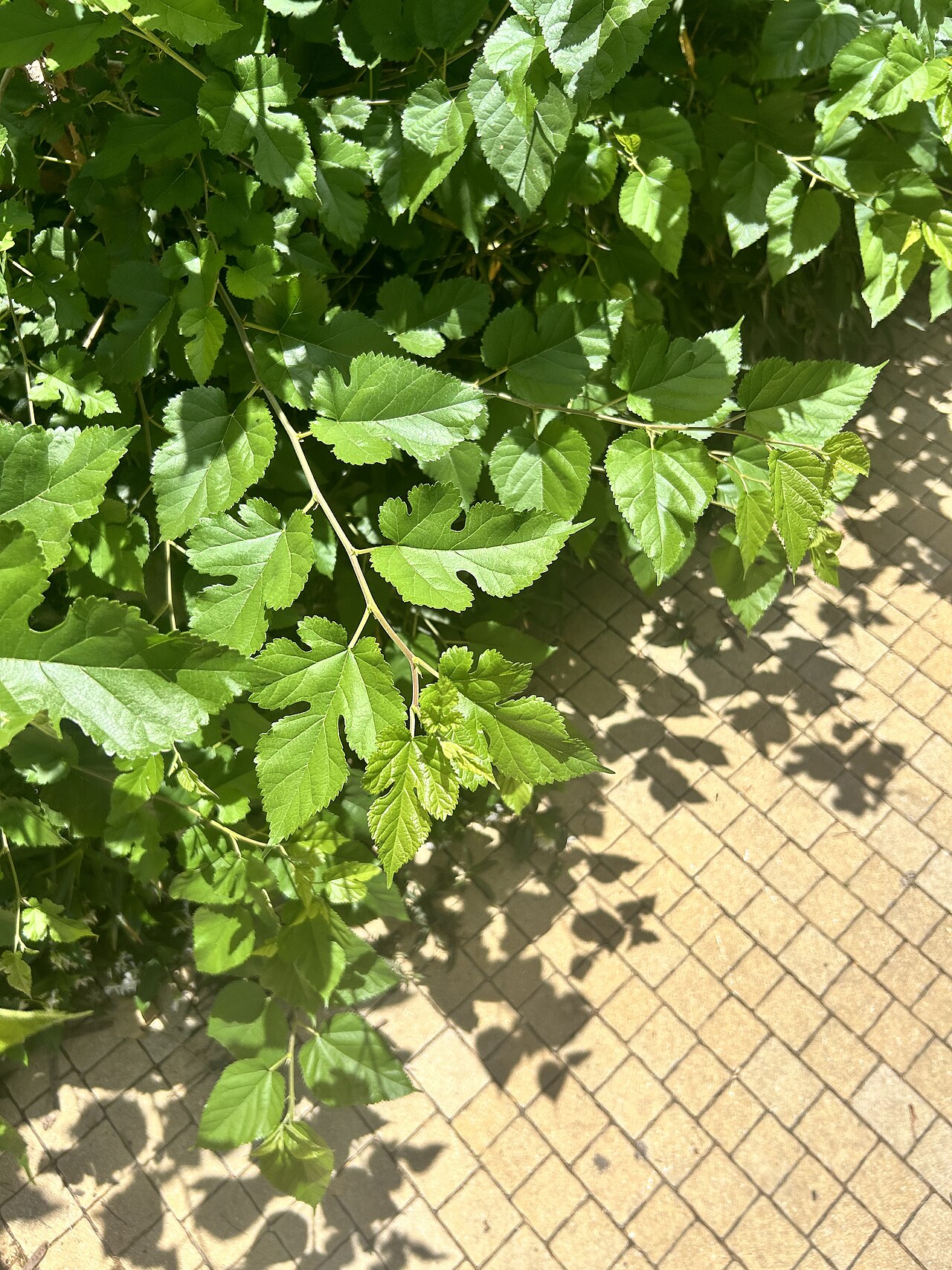
Illinois Everbearing is the mulberry that American growers have measured all others against since 1958. It originated in Illinois, as a hybrid of white mulberry (Morus alba) and native red mulberry (Morus rubra), and it produces large, black, nearly seedless fruit — about 12 berries per ounce — with a good to very good, very sweet flavor, maturing over a long season. Nursery descriptions call it extremely hardy and productive, and decades of grower experience back that up.
The long season is the point: Illinois Everbearing does not give you one frantic week of fruit, it gives you months, which means fresh berries for breakfast through summer and a harvest pace a household can actually manage. The fruit holds well on the tree, which is a mercy — you can pick every few days rather than every day — and it is excellent fresh, dried, or as jam and pie filling.
How to grow
Here is the honest Florida part first: mulberry is one of the easiest fruit trees in Florida, and the varieties below are chosen because they actually fruit here. The catch is not cold but mess and size: ripe fruit stains everything it lands on, and an unpruned tree gets big fast. Plant it away from patios, cars, and laundry lines, prune it to a height you can actually pick from, and you will have fruit by the bucket.
Plant in fall or spring in full sun, in well-drained soil, spacing 15–20 feet apart, and prune to a pickable height each winter; the tree is vigorous and somewhat dwarfed compared with species mulberries, but ‘dwarfed’ here still means a real tree, not a shrub. Water through establishment, mulch, and plant away from patios and cars. In Florida, the zone listing is the honest limit: nursery sources list Illinois Everbearing for zones 5–8, so it belongs in north Florida only — central and south Florida are too warm for a variety bred in Illinois, and a tree planted there may grow beautifully and fruit poorly.
Water & feeding
Water about an inch a week while establishing and fruiting, feed lightly with castings or compost in spring, and mulch. In north Florida sand, mulch and steady water during fruiting are what keep berries large and sweet; a dry spell gives you smaller, less sweet fruit, which defeats the reason to grow this variety.
Common problems
- Birds are the competition; net a young tree, share with birds on a mature one.
- Disease pressure is low, with bacterial blight and canker as occasional wet-weather visitors — prune out affected wood.
- As with other mulberries, remove volunteers and avoid planting near natural areas where white-mulberry hybrids can naturalize and hybridize with native red mulberry.
Harvest
Pick when fully black and sweet, over the long season, shaking branches over a sheet or picking by hand, and eat fresh, freeze on trays, or dry — Illinois Everbearing’s nearly seedless, sweet fruit dries particularly well, which is a use most mulberry growers discover only after the fresh-eating season has overwhelmed them.
Browse all plant & pest guides
Saving seeds
Illinois Everbearing is a mulberry that originated in Illinois as a hybrid of white mulberry, Morus alba, and native red mulberry, Morus rubra, and it is planted as a nursery tree — a seedling won’t hold the large, black, nearly seedless fruit or the long season. The Saving seeds section of the Mulberry guide covers seed for the species generally.