
🥬 Spring Tower Celtuce
What it looks like
Why this variety
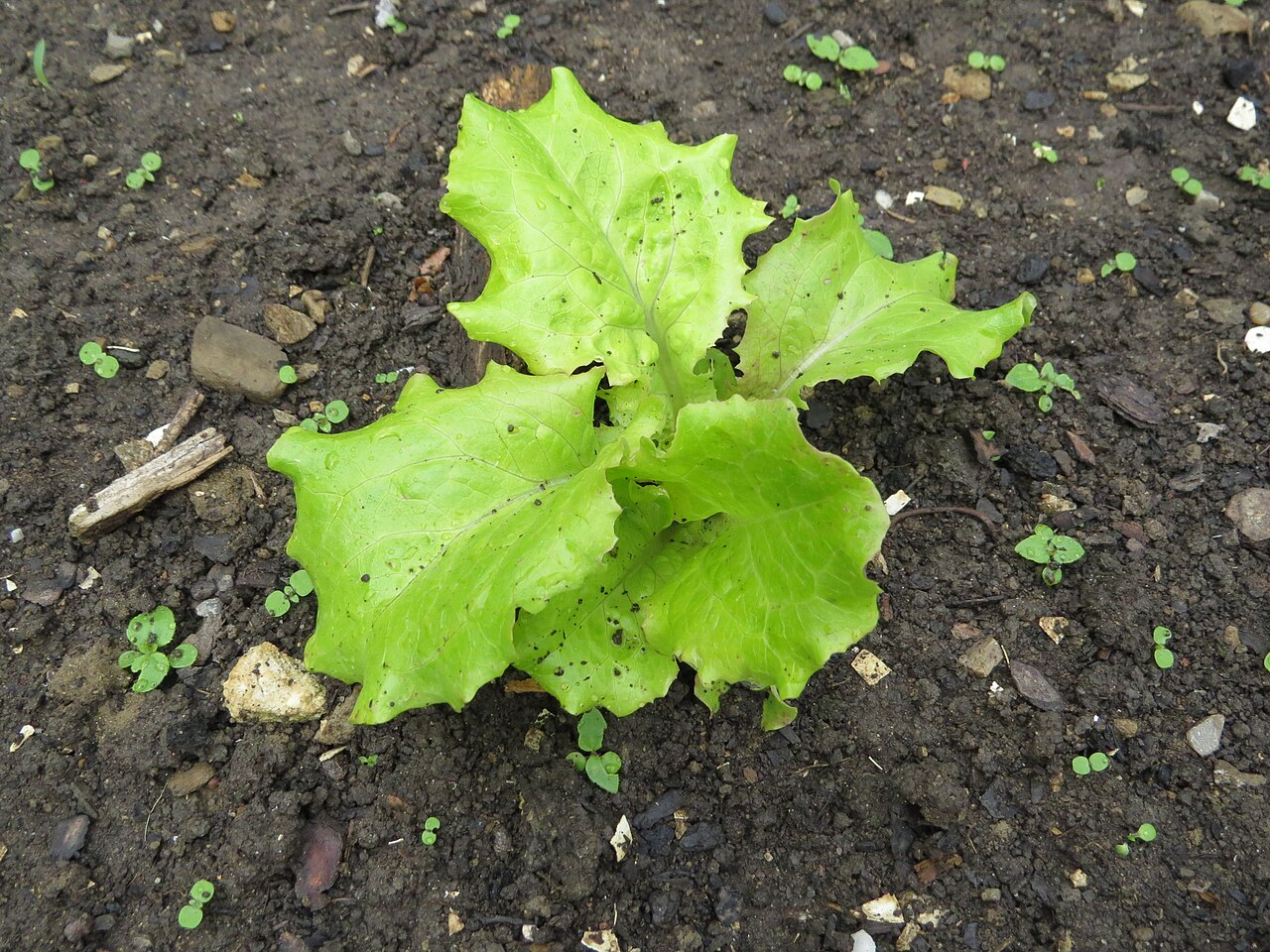
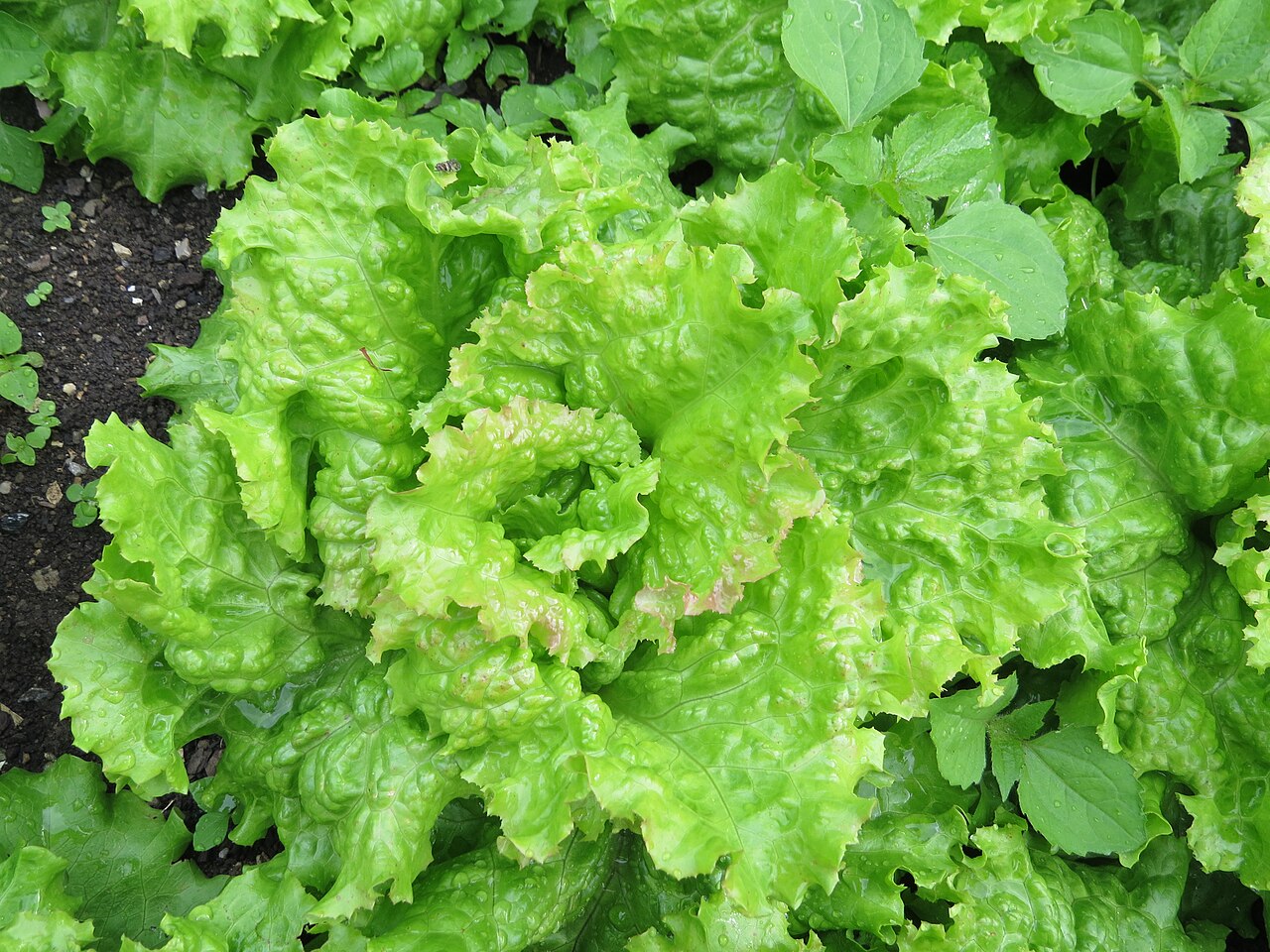
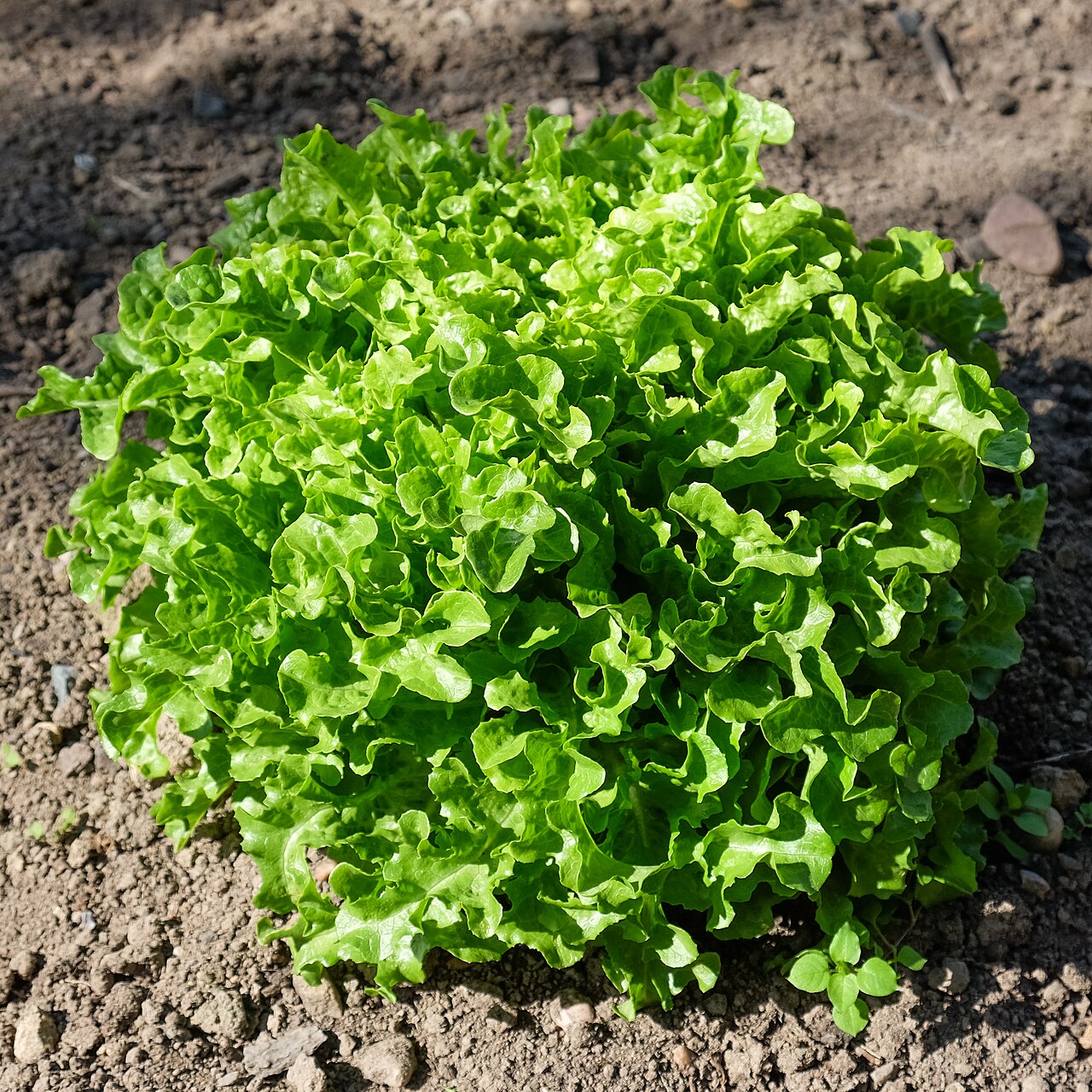
Spring Tower is the celtuce seed houses recommend when you want reliability: True Leaf Market lists it at 75–85 days, notes good tolerance to both heat and cold, and calls it slow-bolting and early-maturing. Greenish-white stems, bright green leaves, and a stem grown mainly for its tasty stalk.
It is the variety for the gardener who wants celtuce without the drama: an heirloom-type stem lettuce that handles a wider weather range than most, so a spring sowing that runs into an early warm spell and a fall sowing that runs into a cold snap both still produce.
If you are new to choosing between cultivars, the Varieties Matter guide explains why the name after the plant matters as much as the plant itself. And if you want the whole clan at a glance, the broader Celtuce guide covers celtuce generally.
How to grow
In Florida, celtuce is a cool-season curiosity worth the bed space: sow in fall, harvest leaves as you go, and cut the stem in winter when it is thick and crisp. Heat and drought are its enemies, so a fall sowing with steady water is the winning formula.
Sow shallow — celtuce seed needs light to germinate, so press it into the surface rather than burying it — and transplant or thin to 12–18 inches apart. Water evenly and mulch; the stem’s quality is a direct report on your watering consistency.
Water & feeding
Steady, even moisture is everything with celtuce — a plant checked by drought and then flooded makes a tough, fibrous stem instead of a crisp one. Mulch, water regularly, and feed lightly with compost; this is a lettuce, and it wants lettuce treatment.
Common problems
Bolting, aphids, and slugs are the usual issues. Spring Tower’s slow bolting buys you time, but once the plant starts to flower, the stem’s days as food are numbered — harvest before the flower stalk elongates.
Harvest
Pick outer leaves as needed, then cut the whole plant before flowering, when the stem is at least an inch across. Peel and slice the core for stir-fries, or eat it raw with a dip — the crunch is the point.
Nerdy fact: Spring Tower’s stems are pale because they are meant to be: the greenish-white core is the tender part, and the greener the stem, the more light it caught and the tougher it may be — which is why celtuce is sometimes blanched by earthing up.
Saving seeds
Spring Tower is the celtuce seed houses recommend when you want reliability: True Leaf Market lists it at 75–85 days, notes good tolerance to both heat and cold, and calls it slow-bolting and early-maturing. Greenish-white stems, bright green leaves, and a stem grown mainly for its tasty stalk. It is the variety for the gardener who wants celtuce without the drama: an heirloom-type stem lettuce that handles a wider weather range than most, so a spring sowing that runs into an early warm spell and a fall sowing that runs into a cold snap both still produce. As an open-pollinated celtuce it comes true from seed: in Florida, celtuce is a cool-season curiosity worth the bed space — sow in fall, harvest leaves as you go, and cut the stem in winter when it is thick and crisp. Heat and drought are its enemies, so a fall sowing with steady water is the winning formula. Sow shallow — celtuce seed needs light to germinate, so press it into the surface rather than burying it — and transplant or thin to 12–18 inches apart. Water evenly and mulch; the stem’s quality is a direct report on your watering consistency. The full method is in the Saving seeds section of the Celtuce guide.