
🥒 Celtuce
What it looks like
How to grow
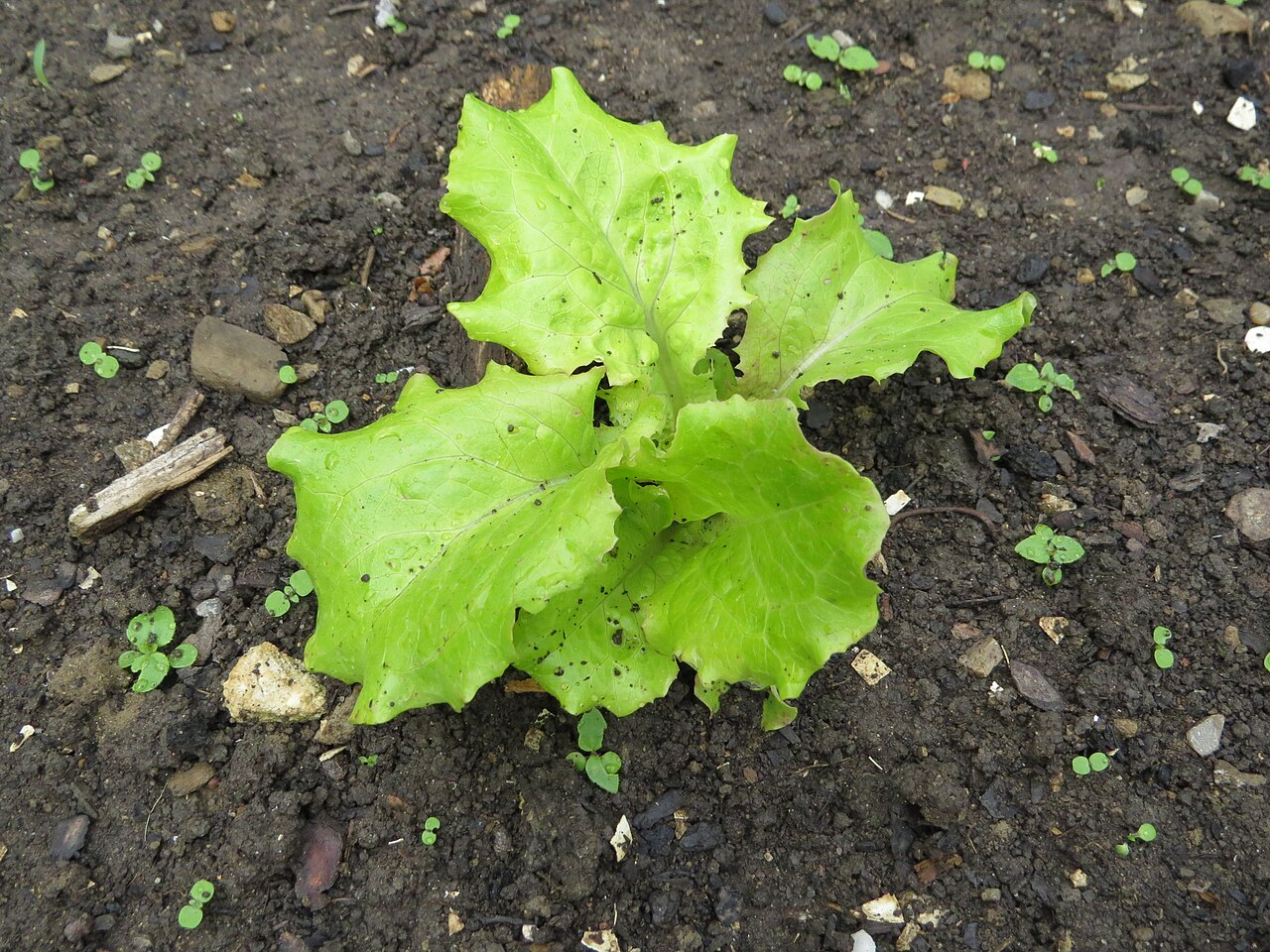
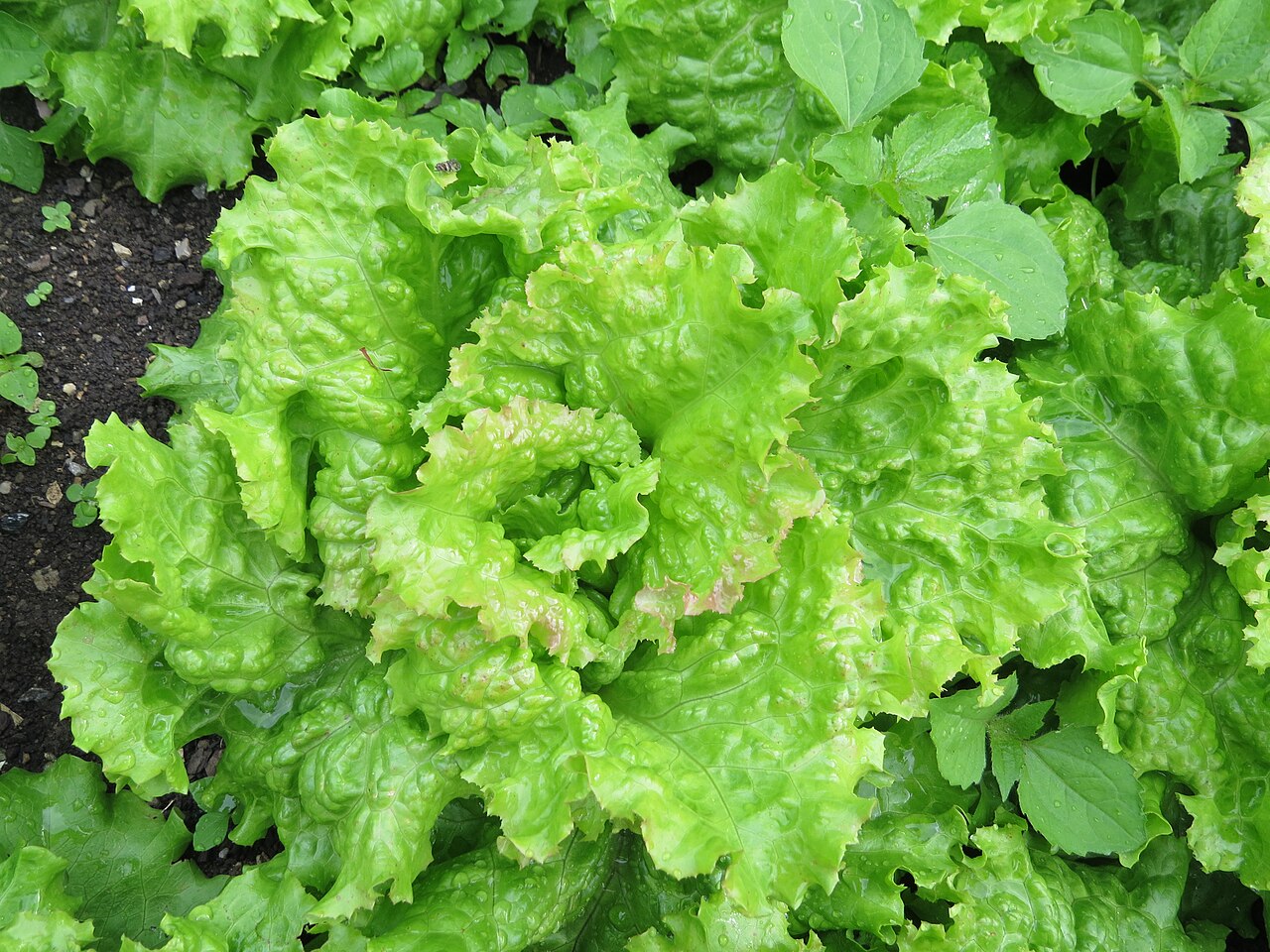
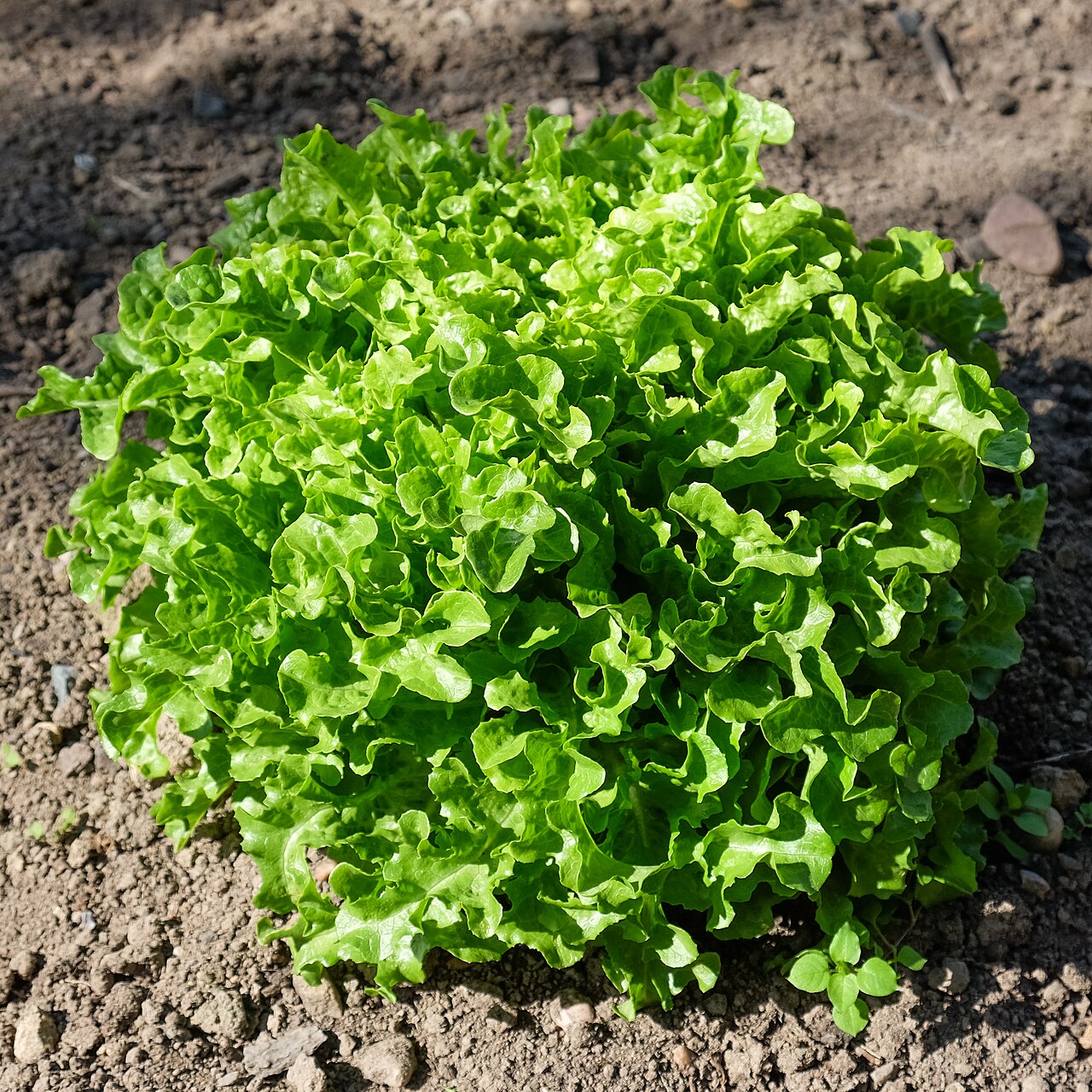
Celtuce, also called stem lettuce or asparagus lettuce, is a lettuce variety grown for its thickened central stem rather than its leaves — though the leaves are edible too. Sow like lettuce: start indoors 4–6 weeks before the last frost or direct-sow in early spring or late summer, planting 1/4 inch deep. Germination is best at 60–70°F and stalls in heat above the mid-70s, so treat celtuce as a spring and fall crop, with afternoon shade in warm climates. Thin to 12–18 inches apart so each plant has room to build a thick stem. It needs a longer season than leaf lettuce because you are growing the stem, not just leaves.
Water & feeding
Even, unbroken moisture is the whole secret: a plant checked by drought and then watered makes a tough, fibrous, bitter stem, while steady moisture in rich soil keeps the core crisp and mild. Water deeply 1–2 times a week and mulch. Feed with compost at planting and a balanced feed every 3–4 weeks; avoid excess nitrogen, which hurts stem quality.
Common problems
- Bolting in heat — sow in cool seasons and harvest before flower stalks form.
- Woody stems — harvested too late; cut when stems are about an inch across and before bolting.
- Bitter leaves — normal as plants mature; use young leaves and peel stems.
- Slugs and aphids — the usual lettuce pests; hand-pick and keep beds clean.
Harvest
Pick young outer leaves from about 30–40 days. Harvest stems at 60–90 days, when they are about a foot tall and an inch or more across but before the plant bolts — cut at soil level. Peel away the tough outer skin and any stringy layer to reveal the pale, translucent core. Eat it raw, stir-fried, blanched, pickled, roasted, or in soups; it holds its crunch in cooking.
Browse all plant & pest guides
Saving seeds
Celtuce asks you to make a small sacrifice for seed, and it is worth naming plainly: the plant you save seed from is not the plant you eat. Celtuce (Lactuca sativa var. asparagina) is a stem lettuce, and the thick, crisp stem is the whole point of growing it — but a plant left to flower puts its energy into a tall seed stalk instead, and the stem turns woody and bitter in the process. So choose one or two plants to be your seed plants, stop harvesting them entirely, and let the rest of the row feed you. The seed plants are working a different job now.
Pick those plants the way a breeder would, not the way a hungry gardener would. Save from the plants that bolted last, not first, because bolting late is the trait you want more of, especially in Florida heat — every generation saved from the slowest bolters nudges the line toward holding longer. Rogue out anything sickly, since lettuce mosaic virus and other diseases can ride along on seed, and a plant that looks off is not a legacy worth passing on. Then just wait for heat and long days to do their work: the plant sends up a tall central stalk, branches, and opens dozens of tiny pale-yellow flowers like miniature dandelions.
Each flower, once pollinated, closes and reopens as a small puff of white fluff, and the seed is tucked at the base of that fluff. Here is the part that rewards attention: the heads do not ripen all at once, but stagger over several weeks, and ripe seed drops easily. Check every few days, shake ripe heads into a paper bag or bend the stalk over a bucket, or cut the whole stalk once about half the heads have gone fluffy and finish drying it upside down in a bag. Individual flowers are ready roughly two to three weeks after they open, so watch the fluff, not the calendar.
Cleaning lettuce seed is famously fiddly — the seed is small, the chaff is light, and the two cling like old friends — so rub the dried heads between your hands or through a fine screen, then winnow with a gentle breeze or a fan on low until the fluffy chaff floats away and the heavier seed stays. Then the Florida rule: dry the seed fully, a week in a cool, airy spot if needed, before it goes anywhere near a sealed container. Store in a labeled envelope inside an airtight jar with a desiccant packet, cool and dark. Well-stored lettuce seed generally stays viable around five to six years, with some sources reporting shorter or longer spans depending on storage.
The crossing news is the best news in this section. Lettuce is largely self-pollinating — each flower usually pollinates itself before it even opens — so different varieties can grow fairly close together with only a small isolation gap, on the order of a few yards, and still come true. The one real exception is wild lettuce growing nearby, which can cross with the cultivated kind, so pull any weedy Lactuca volunteers near your seed plants. Seed from an open-pollinated celtuce variety, saved this way, grows back true; seed from an F1 hybrid will not. One last quirk: freshly harvested lettuce seed can sit dormant for a couple of months, so do not sow it the week you collect it and declare it dead — give it time to wake up, and it will reward you with a row of stem lettuce that cost nothing but patience.
Varieties
Every named variety of Celtuce with its own growing guide:
- Summer 38 Celtuce — The slow-bolt celtuce — bred for heat, with stems ready in about 80 days.
- Spring Tower Celtuce — The early, slow-bolting stem lettuce — greenish-white stems, good heat and cold tolerance, 75–85 days.
- Purple Sword Celtuce — The purple-leaved celtuce — greenish-purple leaves, cold and crack tolerance, and a stem worth showing off.