
🥬 Summer 38 Celtuce
What it looks like
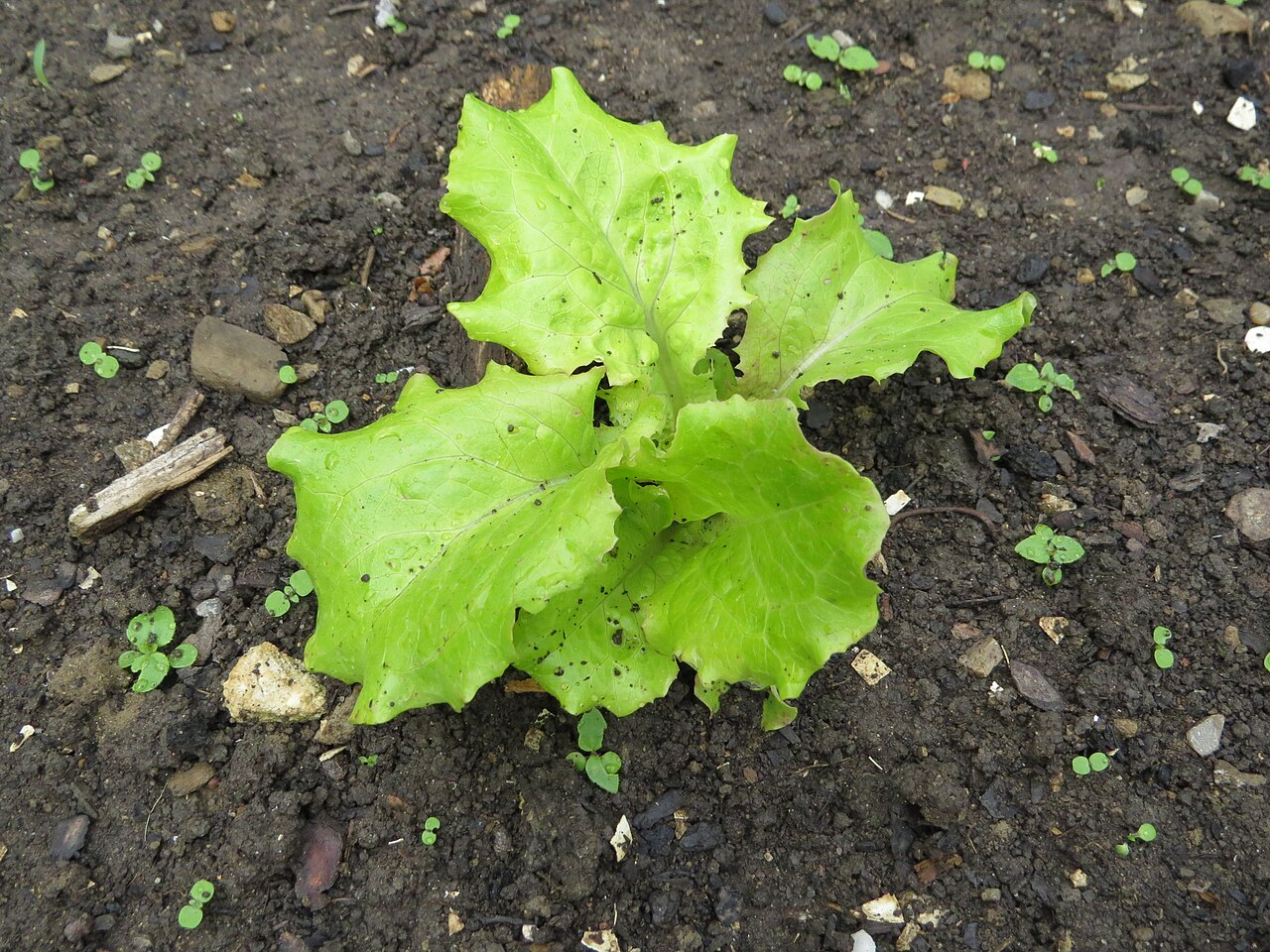
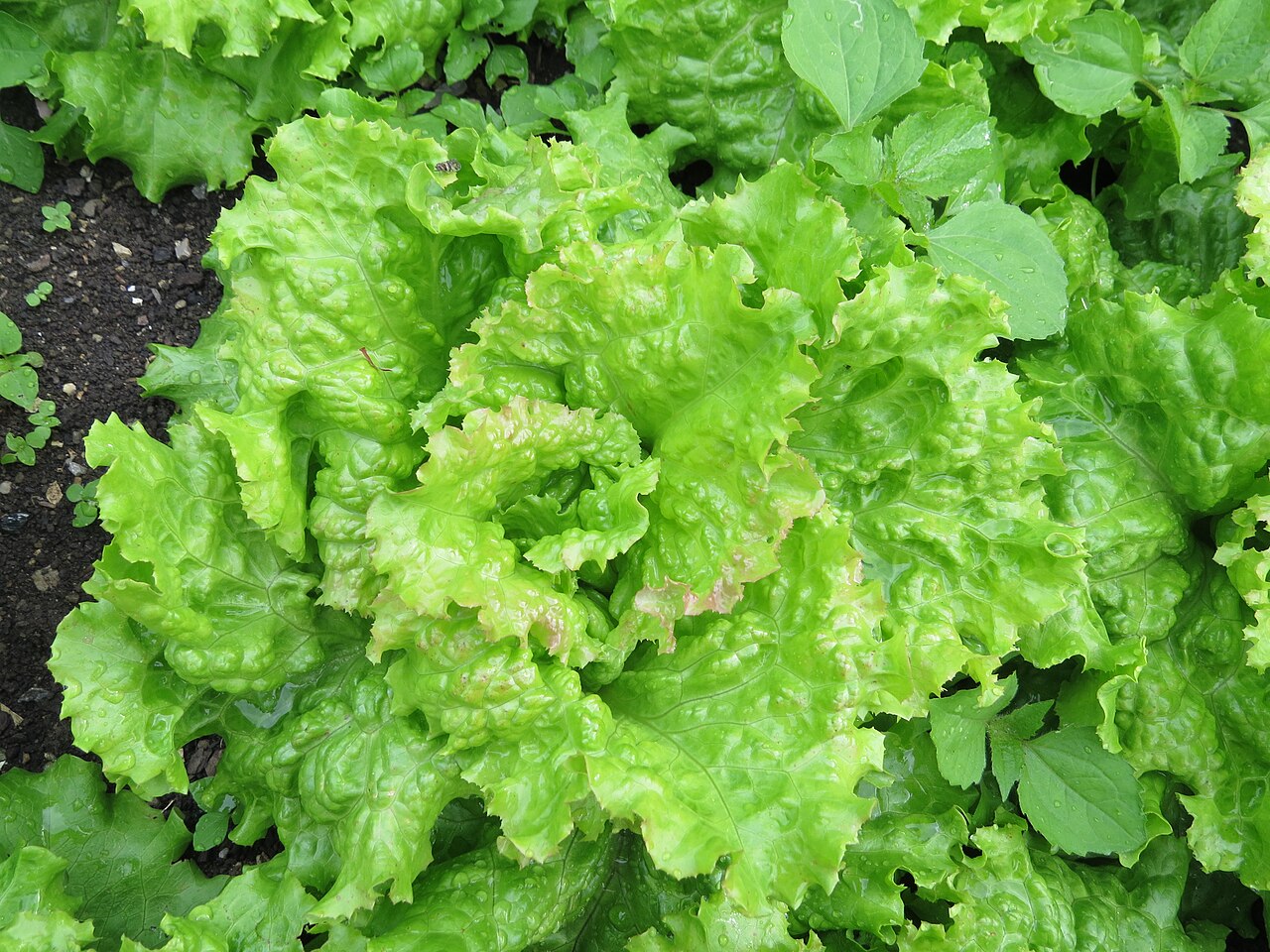
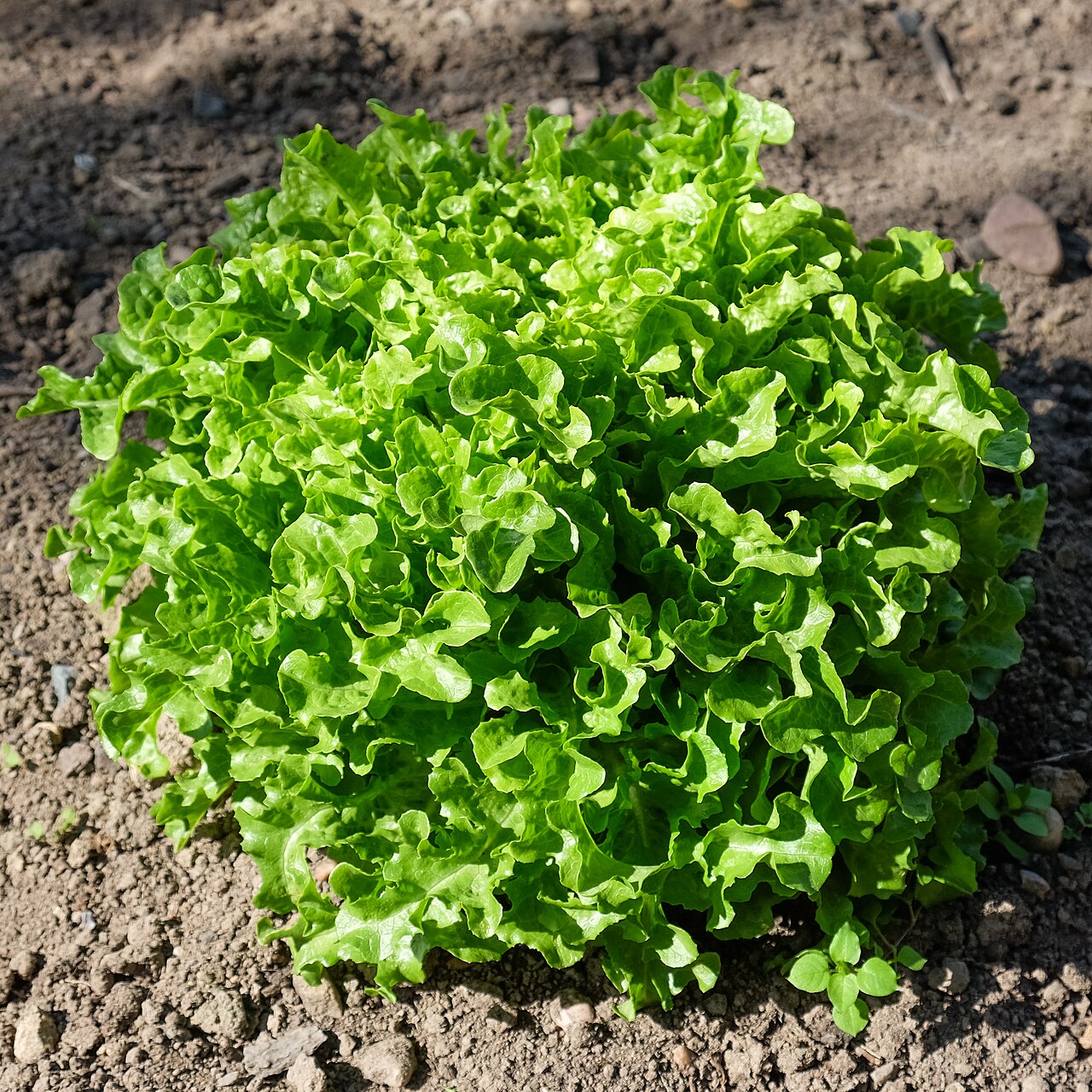
Why this variety
Summer 38 is the celtuce for gardeners who have watched lettuce bolt: a slow-bolting variety, listed at 80 days to stems, that holds up better when temperatures climb past the range where most lettuces give up. The name is the promise — summer, and the number is the attitude.
Celtuce is lettuce grown for its stem, and Summer 38 gives you both harvests: pick young outer leaves from about a month in, then cut the whole stem when it is 8–12 inches tall and firm. Peeled and sliced, the stem is crisp and nutty, somewhere between celery and water chestnut, and it cooks without collapsing.
If you are new to choosing between cultivars, the Varieties Matter guide explains why the name after the plant matters as much as the plant itself. And if you want the whole clan at a glance, the broader Celtuce guide covers celtuce generally.
How to grow
In Florida, celtuce is a cool-season curiosity worth the bed space: sow in fall, harvest leaves as you go, and cut the stem in winter when it is thick and crisp. Heat and drought are its enemies, so a fall sowing with steady water is the winning formula.
Sow like lettuce — shallow, in cool soil, or start indoors and transplant — spacing 12–18 inches apart. Keep the water absolutely even: a drought-checked celtuce makes a tough, fibrous stem, and no amount of peeling fixes that.
Water & feeding
Steady, even moisture is everything with celtuce — a plant checked by drought and then flooded makes a tough, fibrous stem instead of a crisp one. Mulch, water regularly, and feed lightly with compost; this is a lettuce, and it wants lettuce treatment.
Common problems
Bolting in heat is the main risk, and Summer 38 resists it better than most, but it is still a cool-season plant at heart — in a hot climate, plant for fall and winter. Aphids and slugs are the usual lettuce pests; a damp, mulched bed helps with both.
Harvest
Cut the stem at the base when it is thick — about an inch or more across — and before the plant flowers, because a flowering stem turns pithy and bitter fast. Peel the tough outer layer to reach the crisp, pale green core, and use it raw or stir-fried.
Nerdy fact: Celtuce’s stem is not a stalk the plant grew by accident: it is a thickened seed stalk, deliberately bred to stay tender — which is why the harvest window is narrow and the timing matters so much.
Saving seeds
Summer 38 is the celtuce for gardeners who have watched lettuce bolt: a slow-bolting variety, listed at 80 days to stems, that holds up better when temperatures climb past the range where most lettuces give up. The name is the promise — summer, and the number is the attitude. Celtuce is lettuce grown for its stem, and Summer 38 gives you both harvests: pick young outer leaves from about a month in, then cut the whole stem when it is 8–12 inches tall and firm. Peeled and sliced, the stem is crisp and nutty, somewhere between celery and water chestnut, and it cooks without collapsing. As an open-pollinated celtuce it comes true from seed: in Florida, celtuce is a cool-season curiosity worth the bed space — sow in fall, harvest leaves as you go, and cut the stem in winter when it is thick and crisp. Heat and drought are its enemies, so a fall sowing with steady water is the winning formula. Sow like lettuce — shallow, in cool soil, or start indoors and transplant — spacing 12–18 inches apart. Keep the water absolutely even: a drought-checked celtuce makes a tough, fibrous stem, and no amount of peeling fixes that. The full method is in the Saving seeds section of the Celtuce guide.