
🥬 Purple Sword Celtuce
What it looks like
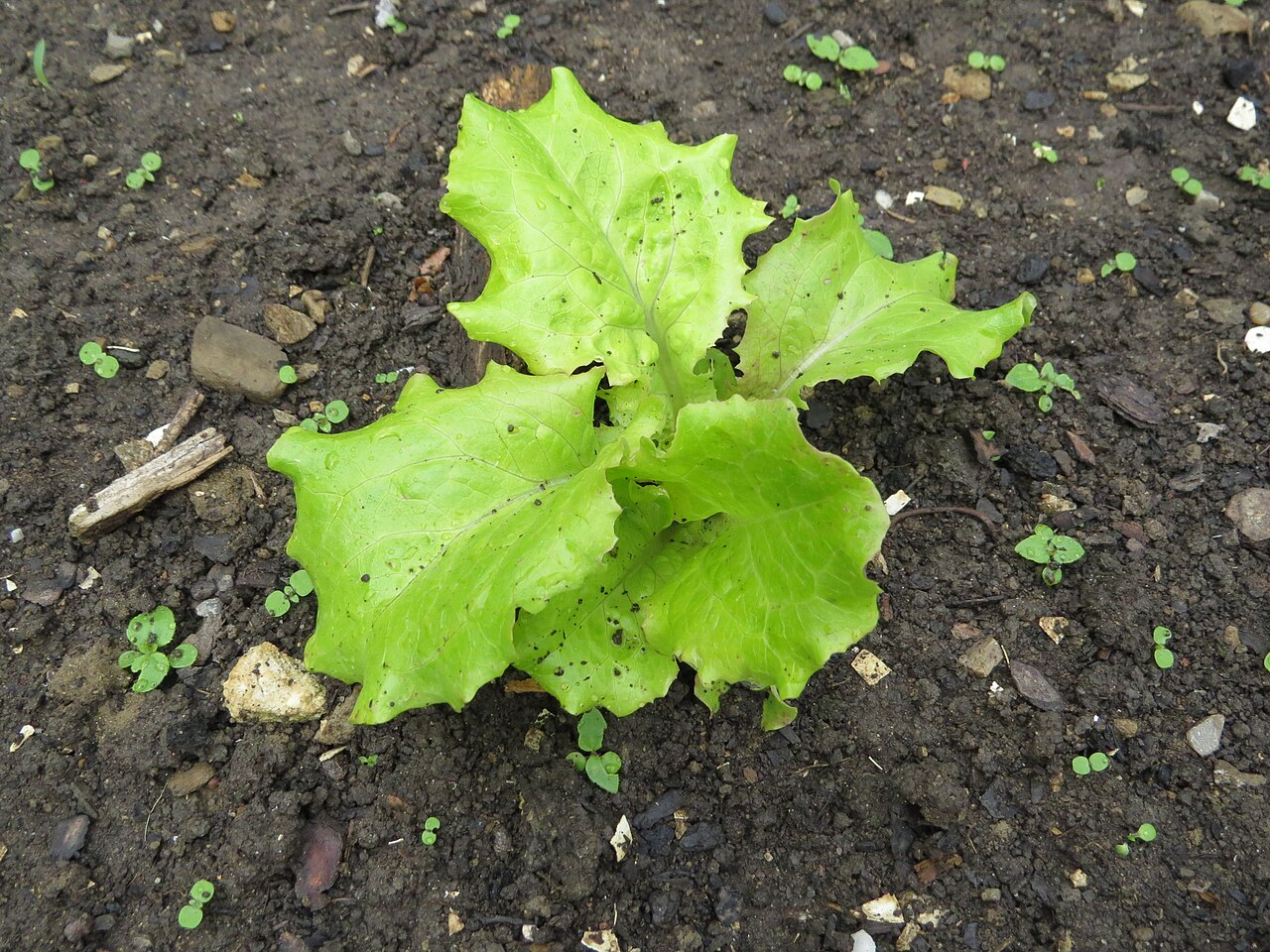
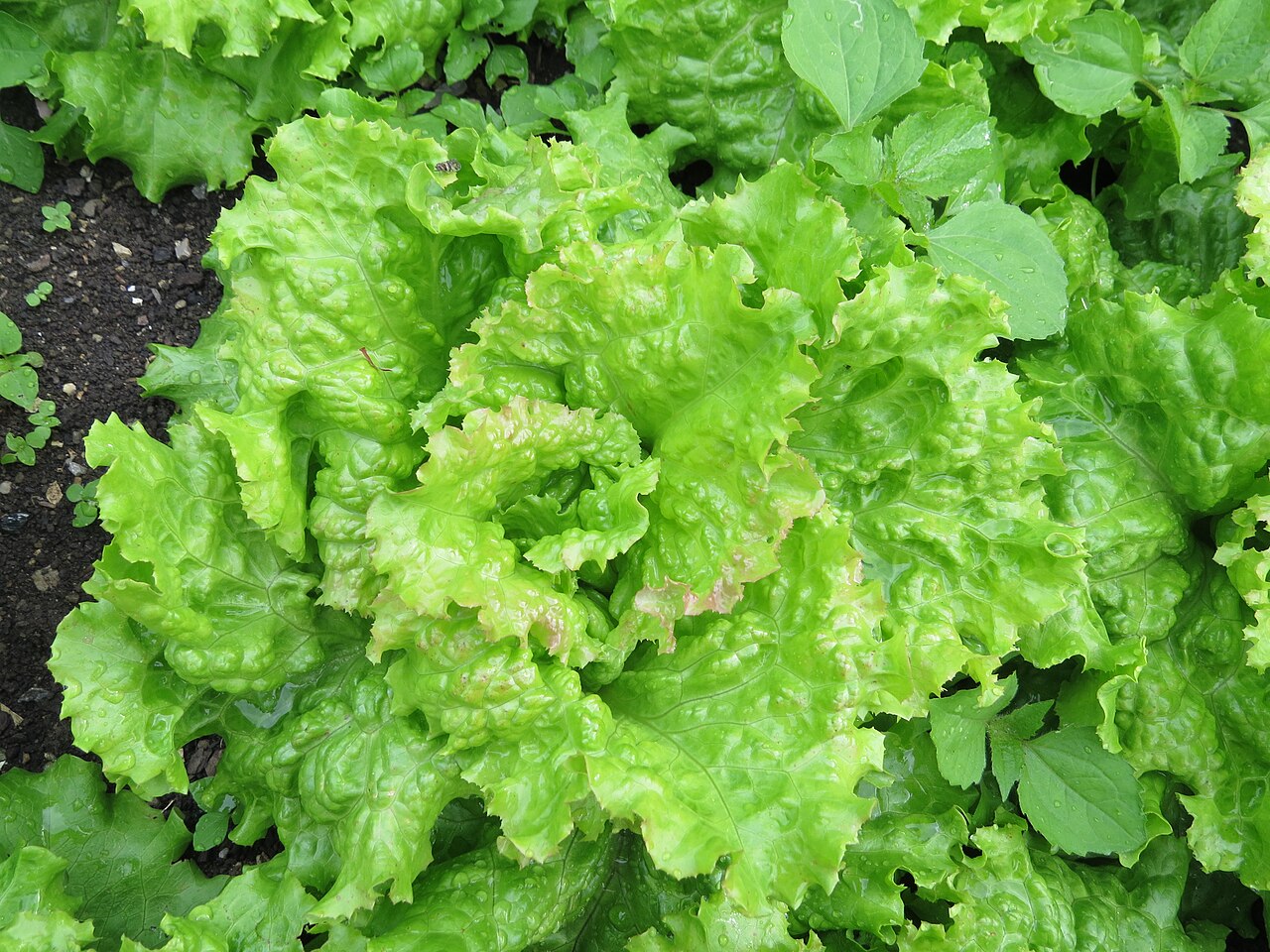
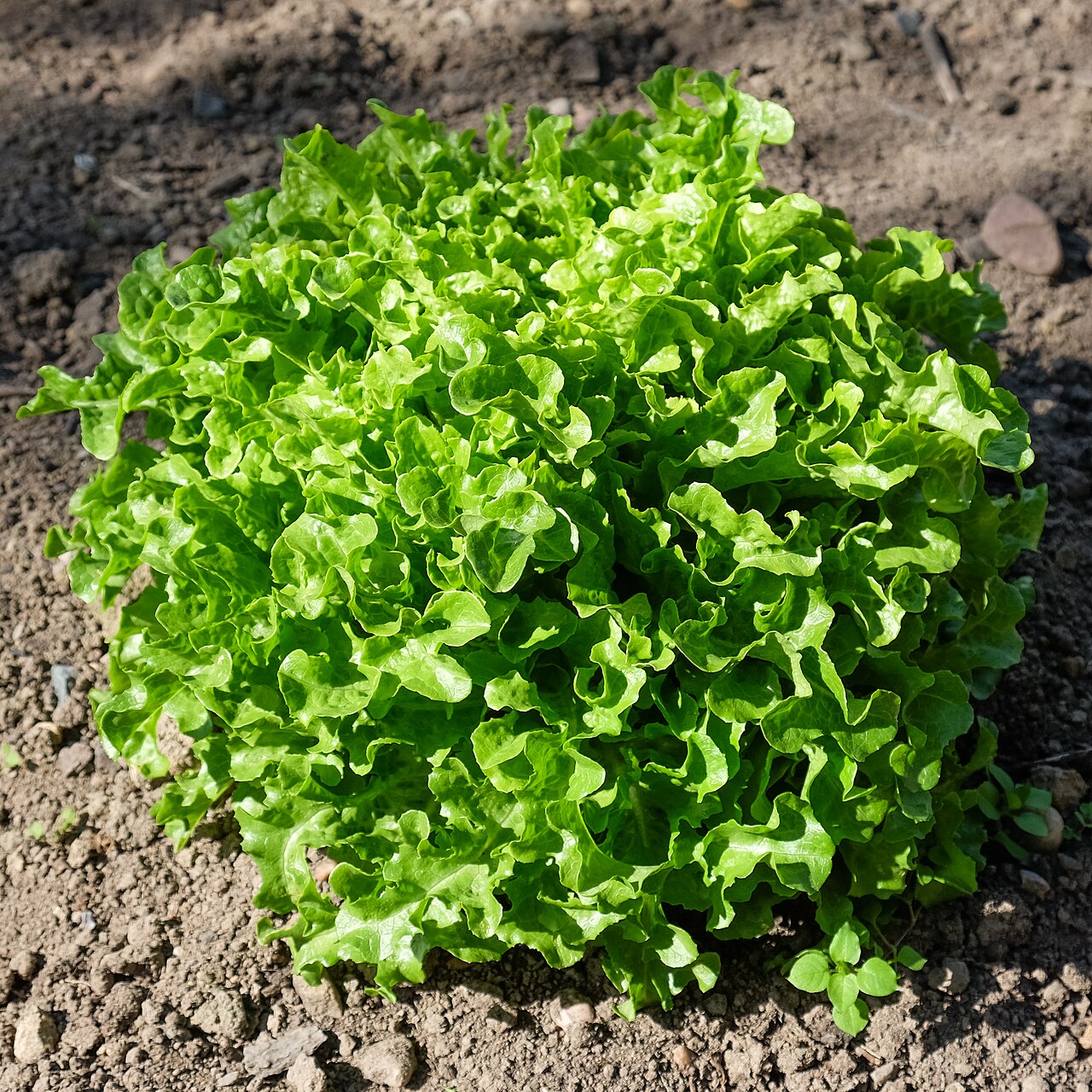
Why this variety
Purple Sword is celtuce with flair: a stem lettuce with greenish-purple leaves, listed at 75–85 days, with good tolerance to cold and to cracking — the stem splitting that ruins a celtuce after heavy rain. It is the variety that looks as good as it eats.
The color is not just decoration. Purple-leaved varieties carry anthocyanins, the same pigments that color red cabbage, and the leaves are flavorful enough to cook or eat fresh alongside the stem. You get a two-part harvest that is also a garden showpiece.
If you are new to choosing between cultivars, the Varieties Matter guide explains why the name after the plant matters as much as the plant itself. And if you want the whole clan at a glance, the broader Celtuce guide covers celtuce generally.
How to grow
In Florida, celtuce is a cool-season curiosity worth the bed space: sow in fall, harvest leaves as you go, and cut the stem in winter when it is thick and crisp. Heat and drought are its enemies, so a fall sowing with steady water is the winning formula.
Sow shallow in cool soil, thin or transplant to 12–18 inches apart, and water evenly — the crack tolerance helps after rain, but steady moisture is still what makes a crisp stem. Best for spring and fall planting, like other celtuces.
Water & feeding
Steady, even moisture is everything with celtuce — a plant checked by drought and then flooded makes a tough, fibrous stem instead of a crisp one. Mulch, water regularly, and feed lightly with compost; this is a lettuce, and it wants lettuce treatment.
Common problems
Aphids, slugs, and bolting in heat are the main troubles. Purple Sword’s cold tolerance makes it a good fall choice, but in a hot climate it still wants the cool months — plant it for winter harvest, not summer.
Harvest
Harvest leaves as needed and cut the stem before flowering, when it is thick and firm. Peel the outer layer and slice the core — the contrast of purple leaves and pale stem on the plate is half the pleasure.
Nerdy fact: Purple Sword’s crack resistance is a bigger deal than it sounds: a celtuce stem that splits after a downpour is an open door to rot, so a variety that holds together in wet weather is a variety that actually makes it to the kitchen.
Saving seeds
Purple Sword is celtuce with flair: a stem lettuce with greenish-purple leaves, listed at 75–85 days, with good tolerance to cold and to cracking — the stem splitting that ruins a celtuce after heavy rain. It is the variety that looks as good as it eats. The color is not just decoration. Purple-leaved varieties carry anthocyanins, the same pigments that color red cabbage, and the leaves are flavorful enough to cook or eat fresh alongside the stem. As an open-pollinated celtuce it comes true from seed: in Florida, celtuce is a cool-season curiosity worth the bed space — sow in fall, harvest leaves as you go, and cut the stem in winter when it is thick and crisp. Sow shallow in cool soil, thin or transplant to 12–18 inches apart, and water evenly. The full method is in the Saving seeds section of the Celtuce guide.