
🌼 Milky Way Kousa Dogwood
What it looks like
Why this variety
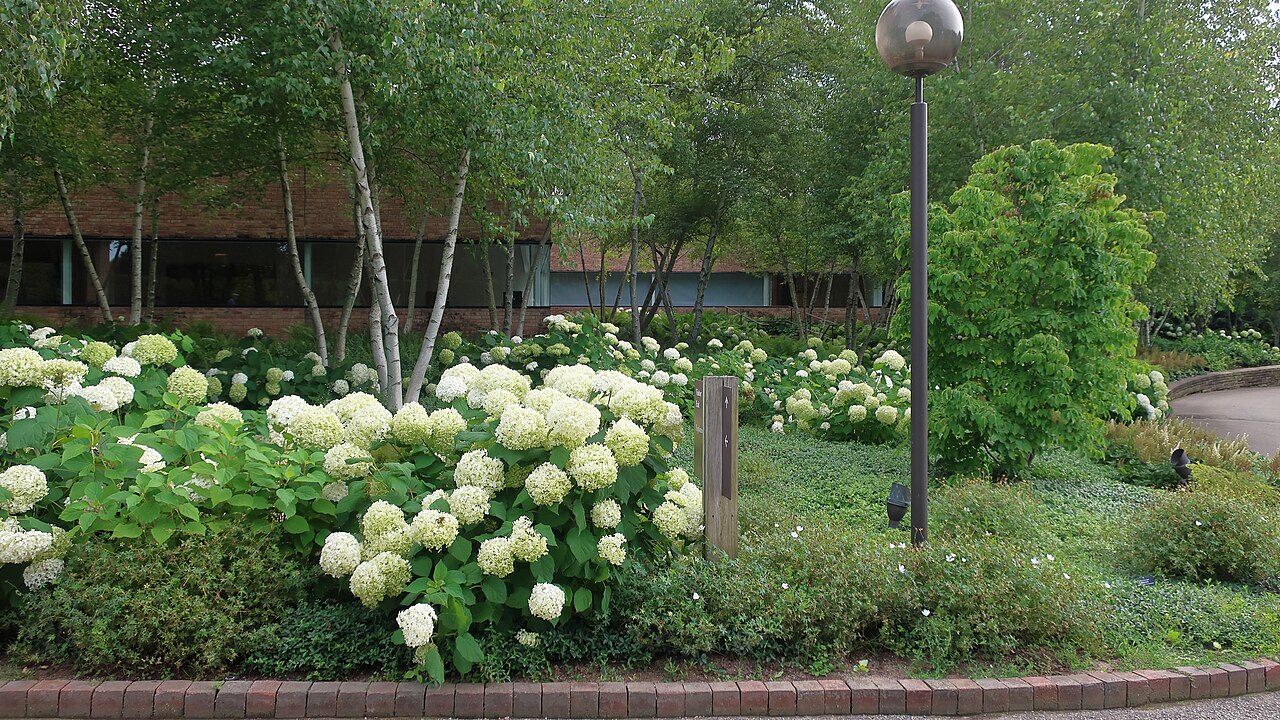
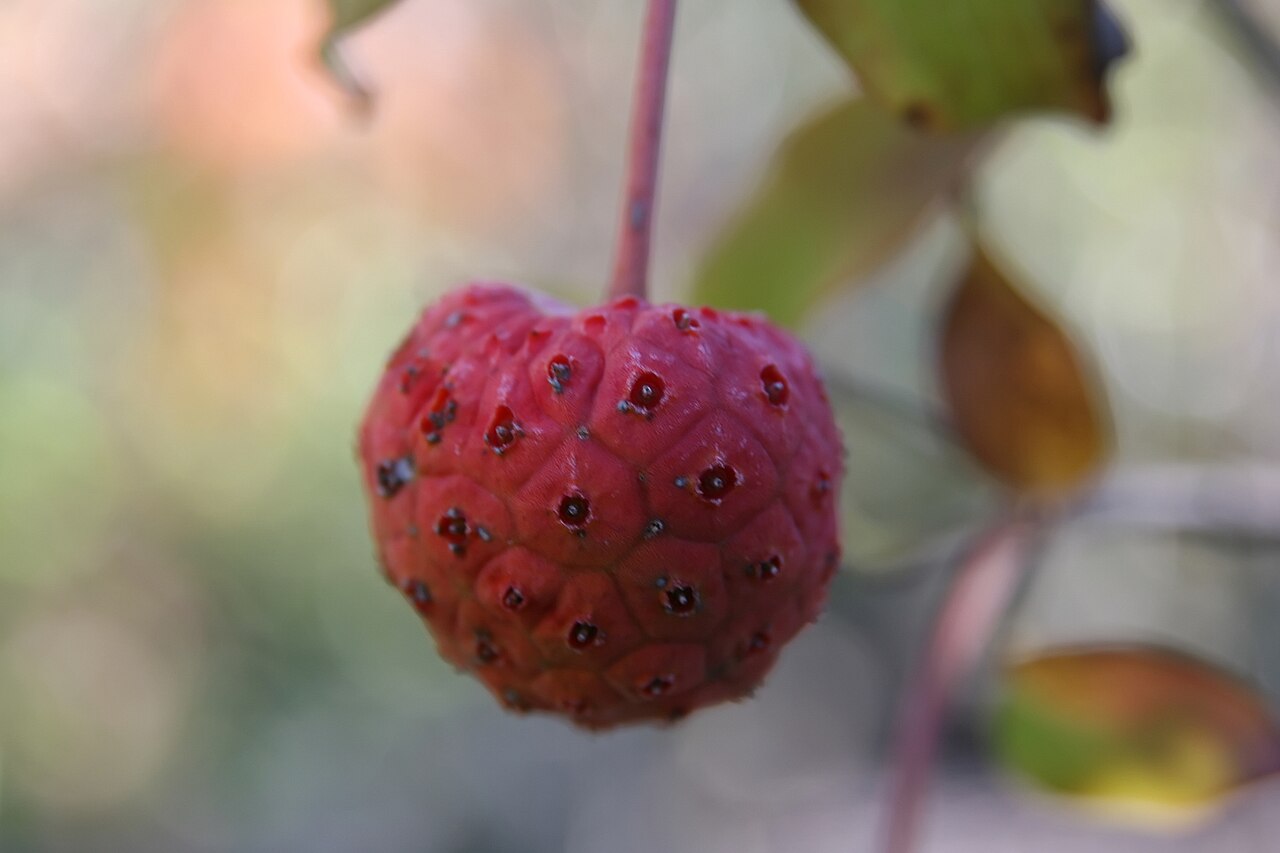
Milky Way is the kousa dogwood that made the species famous in American gardens: a small tree, 15–25 feet tall, that in early summer — after the leaves are out, later than other dogwoods — covers itself in masses of pointed white bracts that look like stars, hence the name. It is also one of the heaviest fruiting kousas, finishing with raspberry-like pink-red fruit in late summer that birds devour and humans can taste (soft, sweet, a little gritty — a curiosity, not a crop). And it carries kousa’s real advantage: resistance to dogwood anthracnose and powdery mildew, the diseases that plague native flowering dogwood.
In Florida, Milky Way is a north-Florida trial: morning sun and afternoon shade, rich, moist, well-drained acidic soil, and faithful watering. A dry, hot Florida summer is its real enemy, and a struggling Milky Way in central or south Florida is a climate verdict, not a care failure.
How to grow
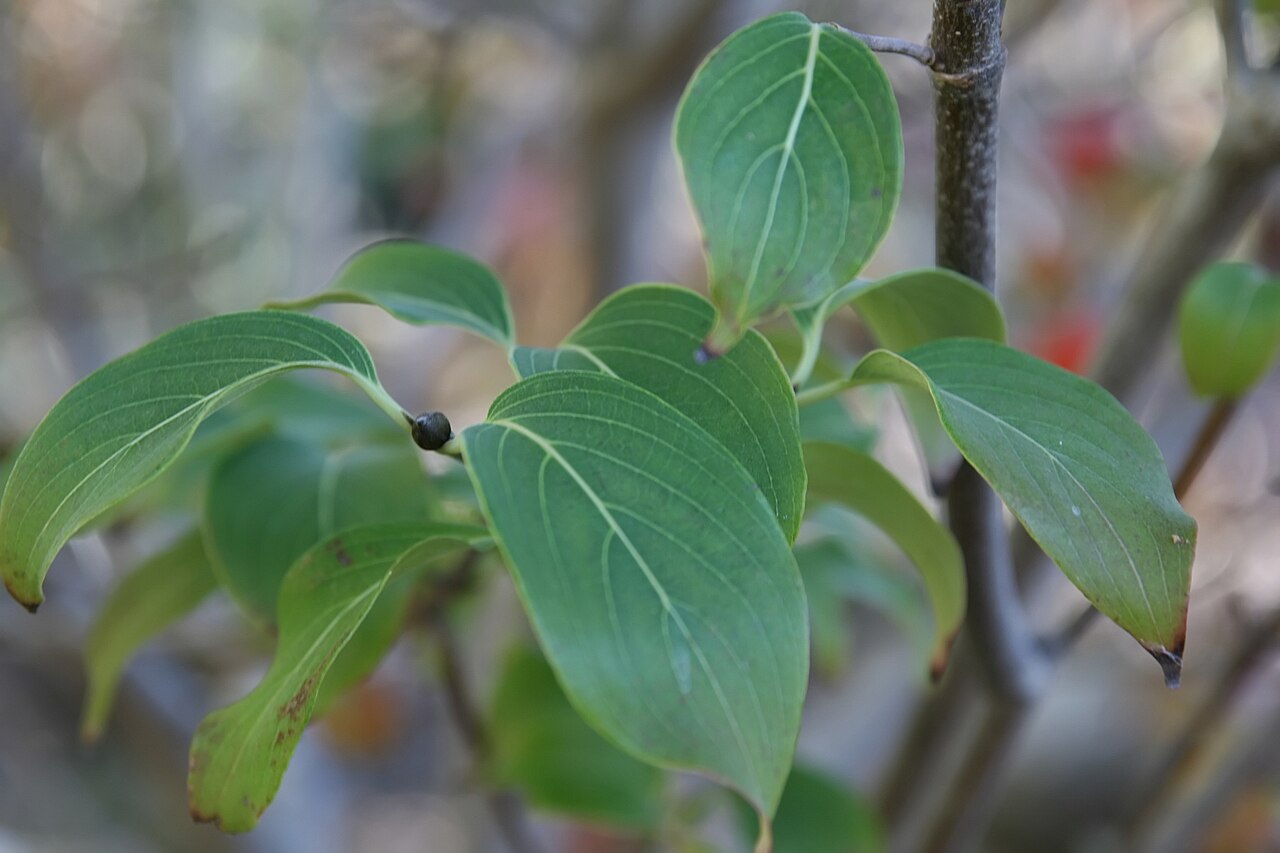
Kousa dogwood is a small East Asian tree, 15–30 feet tall and wide, and it is the answer if you love dogwoods but not their diseases: unlike native flowering dogwood, kousa is resistant to dogwood anthracnose and powdery mildew, blooms later (after the leaves, in early summer), and finishes with edible raspberry-like fruit in late summer. Florida honesty first: kousa is a zone 5–8 tree, so plant it only in north Florida, in morning sun and afternoon shade, in rich, moist, well-drained acidic soil, and water deeply and consistently — a dry, hot Florida summer is its real enemy. Space it 15–25 feet from structures and let its layered, horizontal branching develop naturally.
Water & feeding
Water deeply and regularly, especially through the first two years and in dry spells; kousa wilts fast and recovers slowly, and a dry root ball is the most common killer. Mulch thickly with pine bark to hold moisture and keep roots cool, and keep the soil acidic — alkaline soil yellows it no matter how much you water.
Common problems
Far fewer disease problems than flowering dogwood, which is the point of planting it. Leaf scorch from sun, wind or drought is the main Florida complaint, and it is a siting problem. A kousa that struggles in central or south Florida is a climate verdict, not a care failure.
Harvest
The harvest is the summer flower show, then the fruit — for the birds, mostly, though a taste is harmless and interesting. Prune lightly for shape while young; kousa’s layered, horizontal branching is its beauty, and heavy pruning ruins it. The fruit drops in late summer, so site it over mulch or lawn.
Nerdy fact: Kousa’s ‘flowers’ are not flowers at all but bracts — modified leaves around the true flowers, which are tiny and clustered in the centre — and the same trick is used by poinsettias and bougainvillea, which is why those plants’ ‘blooms’ last so long: they are leaves, not petals.
Saving seeds
Milky Way is the kousa dogwood that made the species famous in American gardens: a small tree, 15 to 25 feet tall, that in early summer — after the leaves are out, later than other dogwoods — covers itself in masses of pointed white bracts that look like stars, hence the name. It is also one of the heaviest fruiting kousas, finishing with raspberry-like pink-red fruit in late summer that birds devour and humans can taste. As a named cultivar it is kept true by grafting, not by seed — seedlings would not hold the heavy bloom or the starry form. In Florida it is a north-Florida trial: morning sun and afternoon shade, rich, moist, well-drained acidic soil, and faithful watering. The full method is in the Saving seeds section of the Kousa Dogwood guide.