
🥗 Catalogna Cutting Chicory
What it looks like

Why this variety
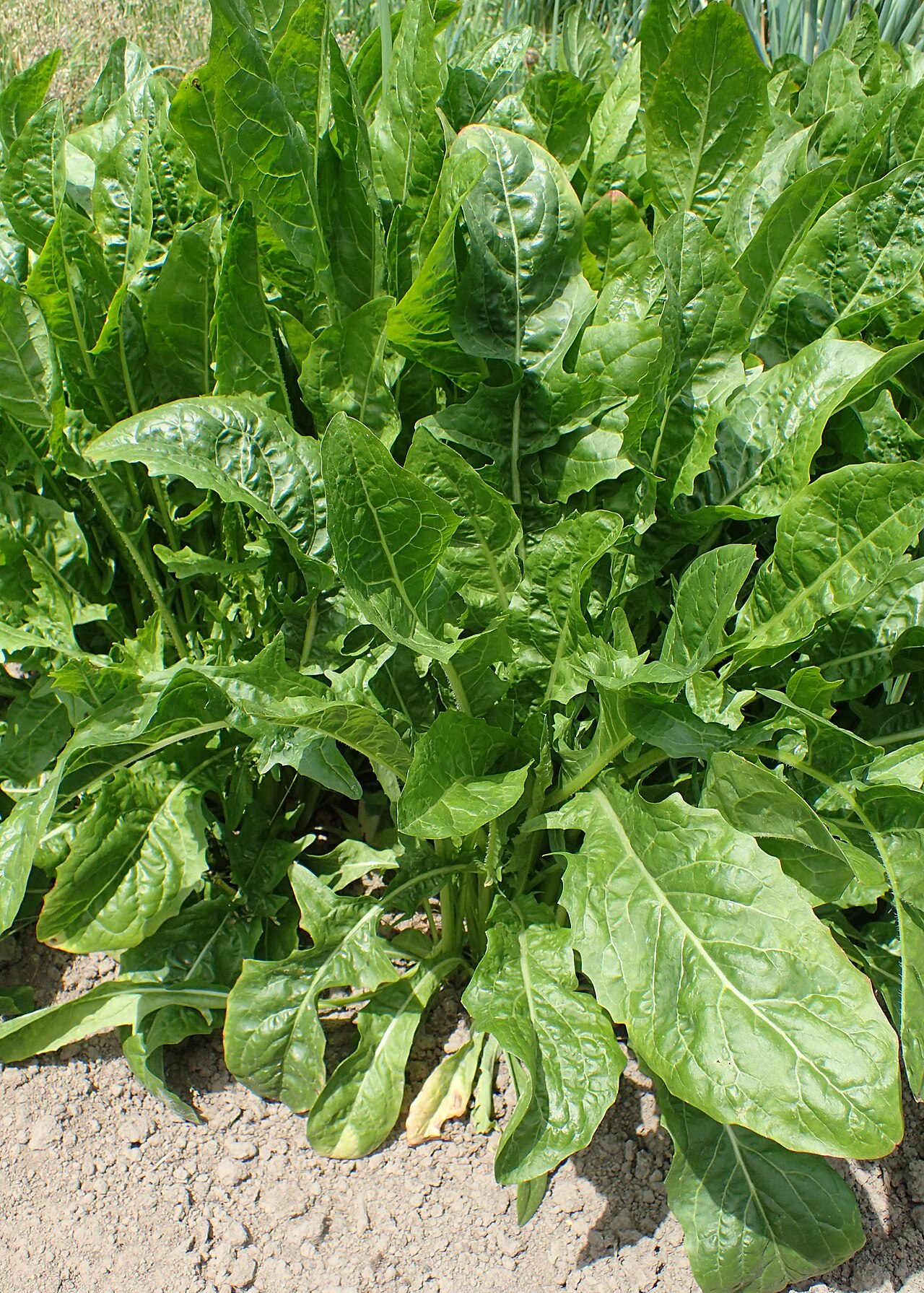
Catalogna is the cutting chicory itself: Cornell’s variety database lists it at 52–83 days, a tall, open, green-leaved chicory grown for its long, jagged leaves rather than for a head. It is the leaf chicory of Italian cooking — sautéed with garlic and oil, wilted into beans, or eaten young in salads — and it is famously cut-and-come-again.
The flavor is the point: pleasantly bitter, green, and robust, the kind of green that stands up to strong flavors instead of disappearing into them. A light frost improves it, sweetening the leaves the way cold sweetens kale, which makes it a genuine winter green rather than a summer one hanging on.
If you are new to choosing between cultivars, the Varieties Matter guide explains why the name after the plant matters as much as the plant itself. And if you want the whole clan at a glance, the broader Cutting Chicory guide covers cutting chicory generally.
How to grow
In Florida, cutting chicory is a fall-and-winter cut-and-come-again green: sow in fall, snip leaves as you need them, and let a light frost sweeten what is left. It handles the cool months with ease and asks for very little in return.
Sow in rows, thin to 8–12 inches apart, or broadcast for baby greens and thin as you harvest. Sow in fall for winter picking, and cut leaves from the outside, leaving the crown intact so new growth keeps coming.
Water & feeding
Chicory is drought-tolerant once established but gives its best, least-bitter leaves with steady water. Water regularly, mulch to keep the soil cool, and feed lightly — this is a plant that thrives on a little neglect, but not on drought.
Common problems
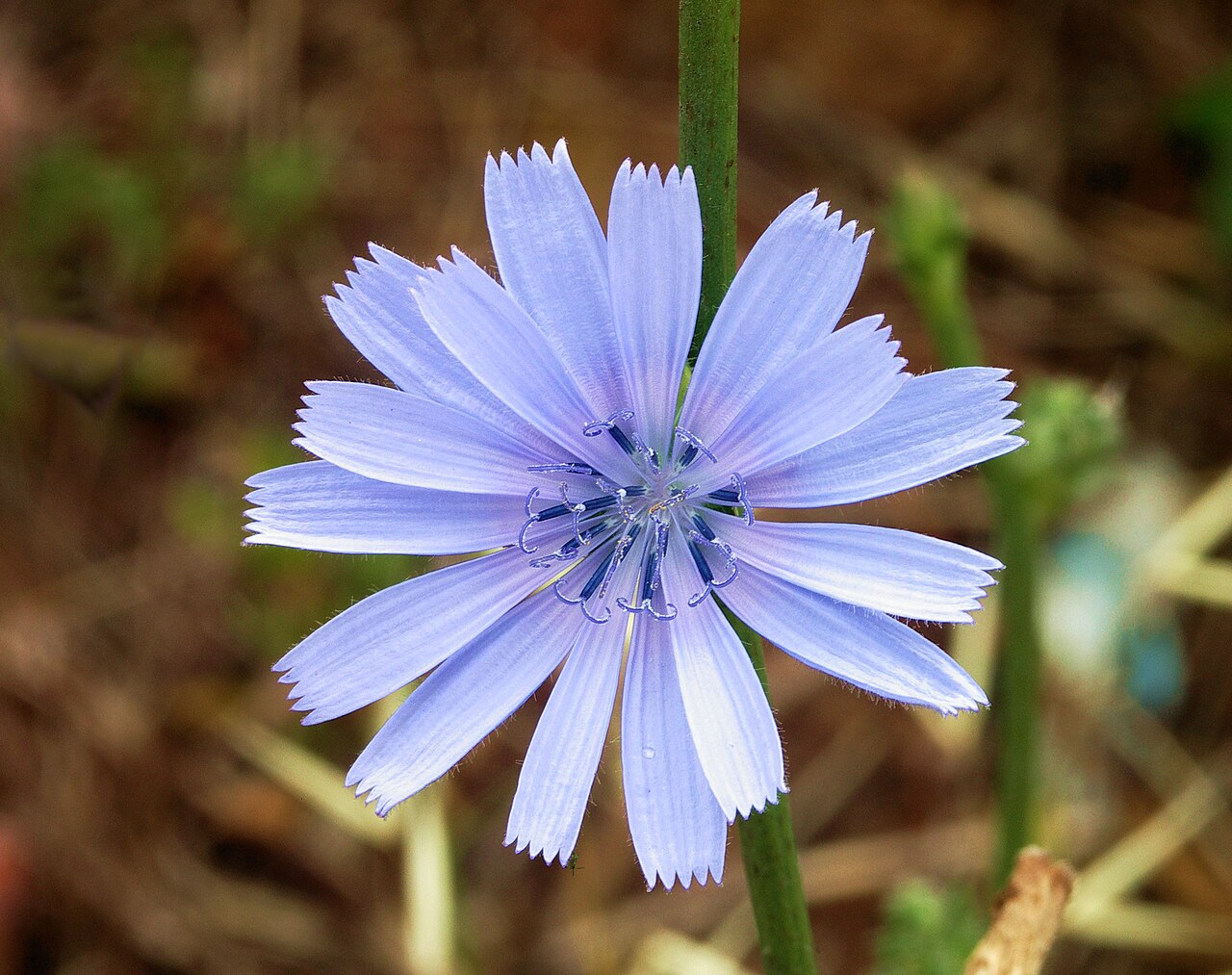
Bolting in heat is the main issue — Catalogna is a cool-season crop, and a hot spell sends it to flower. Aphids and slugs are the usual pests; the plant is otherwise tough and disease-resistant.
Harvest
Snip outer leaves as needed, cutting at least an inch above the base and never into the crown, and the plant regrows for months. Baby leaves are mild at 24–28 days; mature leaves are bolder and better cooked than raw.
Nerdy fact: Catalogna is also sold as Italian dandelion, and the resemblance is real: both are in the aster family with jagged leaves and bitter sap — but Catalogna is the domesticated, garden-sized version, bred for the table rather than the lawn.
Saving seeds
Catalogna is the classic cutting chicory, so it comes true from seed — save seed from your best plants and let them dry fully before storing. The full method is in the Saving seeds section of the Cutting Chicory guide.