
🥗 Cutting Chicory
What it looks like

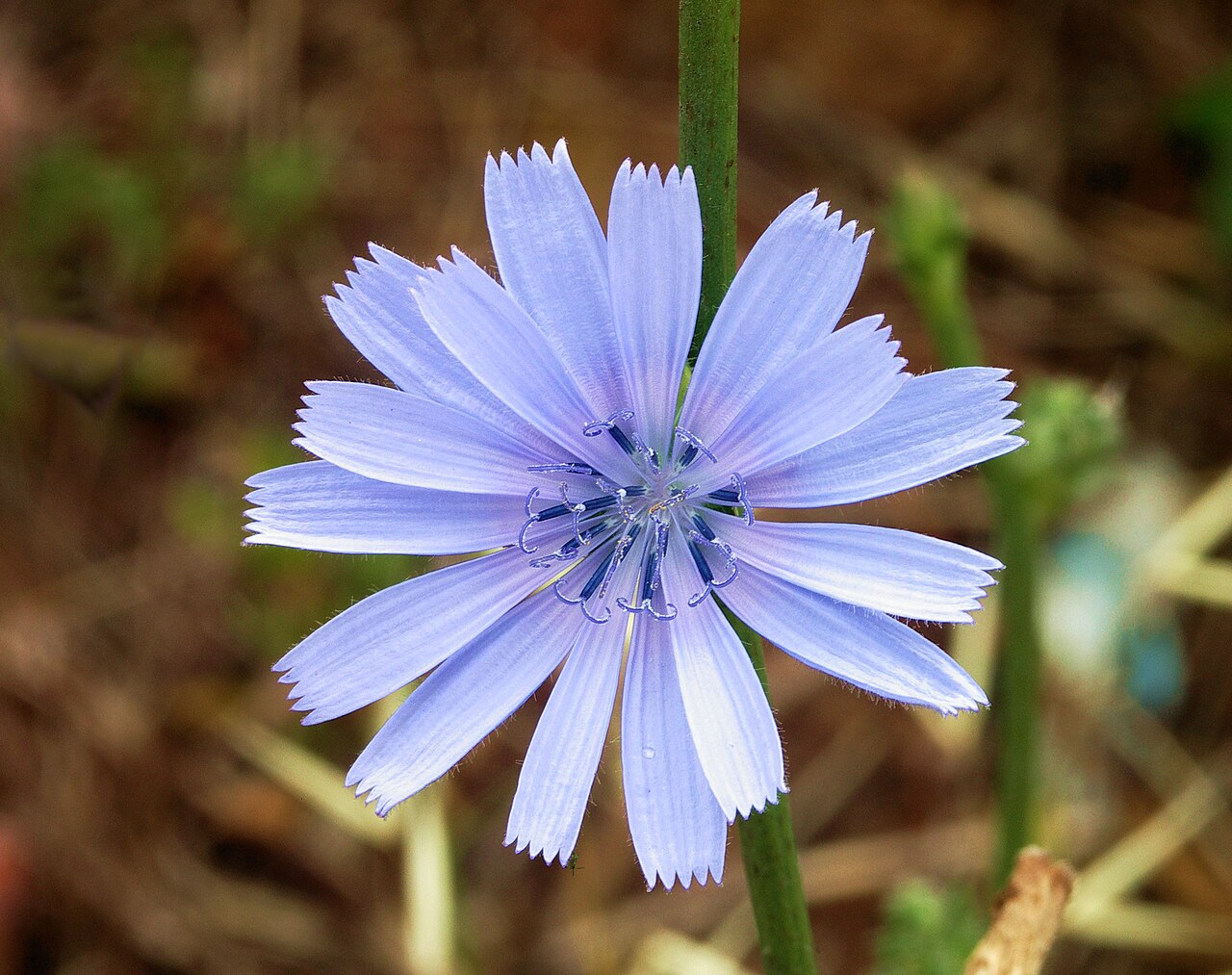
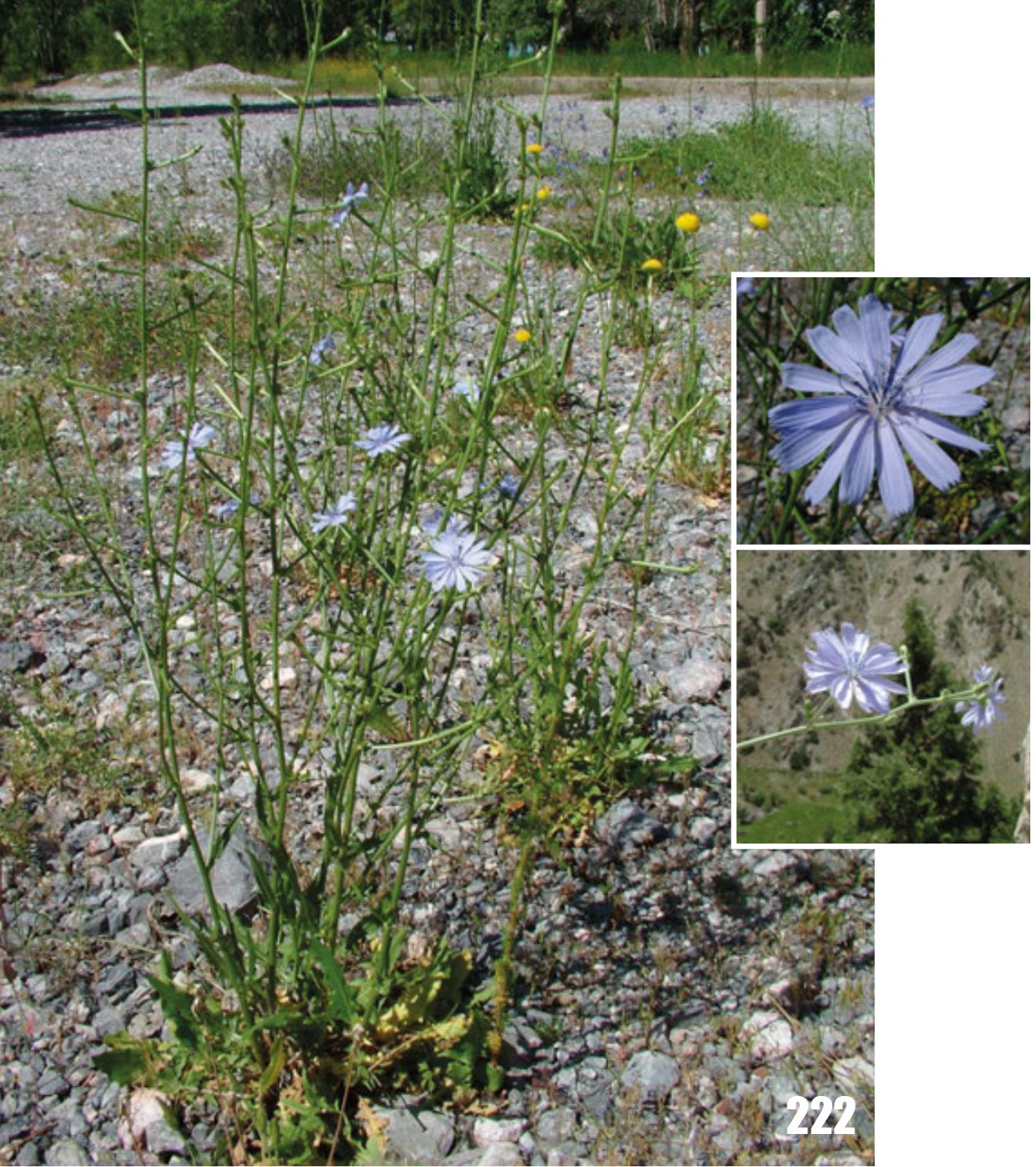
How to grow
Cutting chicory is the leaf form of chicory, grown for upright, dark-green leaves with a pleasant bitter bite — not for the tight red heads of radicchio or the forced white chicons of Belgian endive, though all are the same species. Grow it like lettuce: sow as soon as soil can be worked in spring, then every two weeks for a continuous supply, sowing about 1/8 inch deep in rows 18 inches apart. Germination takes 7–14 days. Thin to 8–12 inches apart. Cutting chicory is a cool-season biennial usually grown as an annual; it tolerates light frost, and a light frost actually improves its flavor. In warm climates, sow for fall through spring.
Water & feeding
An even supply of moisture through the whole growing period is essential — dry chicory turns harshly bitter and bolts. Water about an inch a week and mulch to hold moisture. Feed with compost at planting; a midseason side-dress helps regrowth after cutting.
Common problems
- Bitterness — harvest young, keep plants watered, and use frost or an ice-water soak to mellow leaves.
- Bolting in heat — sow in cool seasons and cut before flower stalks form.
- Aphids, slugs, and flea beetles — row cover, hand-pick slugs, and blast aphids with water.
- Cutting too low — leave at least an inch above the crown so new leaves can regrow.
Harvest
Harvest by cutting leaves from the main stem at least an inch above the base, without cutting into the crown — new sprouts will emerge and extend the harvest. Pick outer leaves when they are 6–8 inches long, or cut whole young plants for baby greens. Use cutting chicory raw in Italian-style salads, wilted with garlic, or in soups and risottos; cooking tames the bitterness considerably.
Browse all plant & pest guides
Saving seeds
Here is the deal with cutting chicory: the leaves you snip all season come from a plant that is playing a longer game than you are. Cutting chicory is a biennial, which means it spends its first year making leaves and its second year making flowers and seed — and if you keep cutting it back to the crown, it never gets to the second act. Saving seed means deliberately sacrificing a few plants to the cause. Pick your best performers — the ones that regrew fastest, stayed sweetest longest, and shrugged off the heat — and let them bolt. Stop cutting them, let the tall stalks rise, and enjoy the sky-blue flowers, which are absolute bee magnets while they last. Each bloom only opens for a day, so the show runs for weeks, and the seed ripens gradually rather than all at once.
That gradual ripening is the main fiddly bit. The seed heads turn brown and dry one by one, and if you wait until the whole stalk looks finished, the earliest seed will already have shattered onto the ground. Check the plants every few days once the heads start browning, and snip each head as it dries, or cut whole stalks once most heads are brown and finish drying them indoors in a paper bag. Either way, do the cutting on a dry day — damp heads mold fast, and mold is the end of the story. Once the heads are crisp, crush and rub them over a tray; the small, ridged seeds fall out of their papery hulls with a bit of persuasion, and a gentle winnow in front of a fan (or a careful puff across a shallow bowl) separates seed from chaff. You do not need surgical cleanliness here. A little chaff in the jar hurts nothing.
Now the genetics, because chicory does not keep secrets well. The flowers are insect-pollinated and largely self-sterile, so your seed plants need pollinator visits and they will happily cross with any wild chicory, radicchio, witloof, or endive flowering nearby. If you want seed that grows true to your cutting type, you need real isolation — published figures vary from a few hundred yards behind a hedge up to half a mile in open ground, which is a polite way of saying most home gardens cannot guarantee purity. The honest home-garden approach: save seed from a patch grown well away from any other chicory or endive, rogue out any plant that bolts in year one (early bolters pass that impatience to their children), and save from a dozen or so plants rather than one lonely hero, so the next generation keeps some genetic depth. Seed saved this way stores well: dry it thoroughly, tuck it in an airtight jar with a little desiccant packet, and keep it cool and dark. In Florida humidity that desiccant is not optional — it is the difference between seed that lasts several years and seed that quietly gives up by spring. Properly stored chicory seed is commonly reported to stay viable for several years, so one good seed year can cover many salad years.
Varieties
Every named variety of Cutting Chicory with its own growing guide:
- Catalogna Cutting Chicory — The classic cutting chicory — tall, jagged leaves, cut-and-come-again, and better after a frost.
- Catalogna Puntarelle Cutting Chicory — The puntarelle chicory — narrow leaves and hollow shoots, the raw-salad star of the chicory family.