
🥗 Catalogna Puntarelle Cutting Chicory
What it looks like
Why this variety
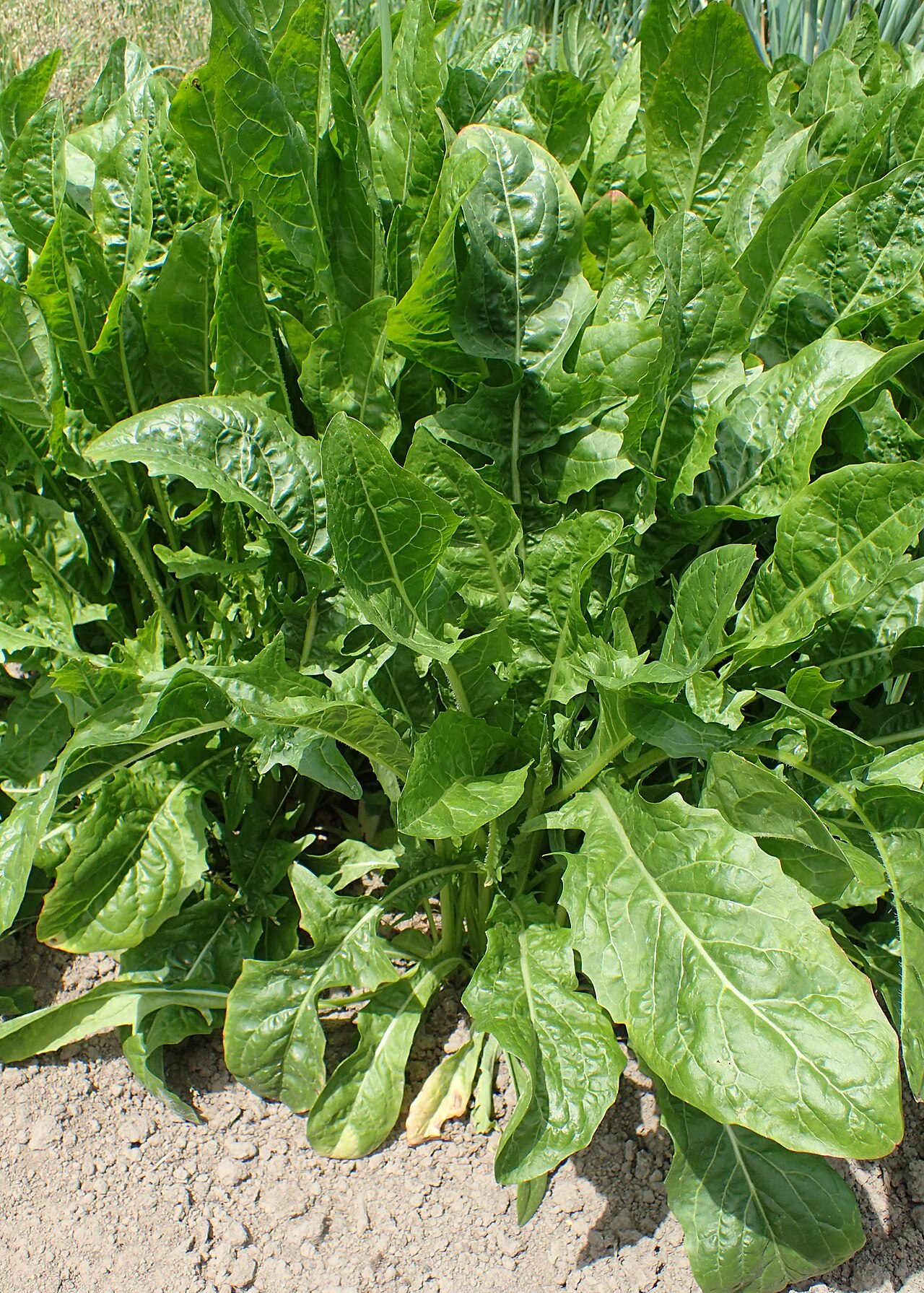
Catalogna Puntarelle is the chicory grown for its shoots: Cornell’s database lists it at 28 days for baby leaves and 65 days full size, with narrow, dark green, strap-shaped leaves and a slow-to-bolt habit. As the plant matures, it produces the hollow, tentacle-like shoots called puntarelle — the part that, cut thin, soaked in ice water, and dressed with anchovy and garlic, is one of Italy’s great salads.
Puntarelle is a different harvest from leaf chicory: you are waiting for the plant to do its controlled bolting trick, forming a firm, pale-centered head of shoots instead of running straight to flower. That is why it is slow to bolt in the leaf sense and generous in the shoot sense — two harvests from one plant, leaves first, shoots second.
If you are new to choosing between cultivars, the Varieties Matter guide explains why the name after the plant matters as much as the plant itself. And if you want the whole clan at a glance, the broader Cutting Chicory guide covers cutting chicory generally.
How to grow
In Florida, cutting chicory is a fall-and-winter cut-and-come-again green: sow in fall, snip leaves as you need them, and let a light frost sweeten what is left. It handles the cool months with ease and asks for very little in return.
Sow and thin like other cutting chicories, 8–12 inches apart, in the cool season. Keep the water steady and the soil rich; puntarelle shoots are at their best when the plant has never been stressed.
Water & feeding
Chicory is drought-tolerant once established but gives its best, least-bitter leaves with steady water. Water regularly, mulch to keep the soil cool, and feed lightly — this is a plant that thrives on a little neglect, but not on drought.
Common problems
Heat bolting past the shoot stage is the risk — once the shoots elongate into flower stalks, the moment passes. Aphids and slugs are the usual pests, and the plant is otherwise notably tough.
Harvest
Harvest baby leaves from 28 days, then cut the shoot head when it is firm and the shoots are still tender and hollow. Slice the shoots thin, soak in ice water until they curl, and dress boldly — puntarelle without a strong dressing is a missed opportunity.
Nerdy fact: Puntarelle shoots curl in ice water because the cut cells take up water unevenly — the same trick that makes celery curl, and the reason a bowl of ice water is part of the recipe, not just a garnish.
Saving seeds
Catalogna Puntarelle is a classic puntarelle type, so it comes true from seed — save seed from your best plants and let them dry fully before storing. The full method is in the Saving seeds section of the Cutting Chicory guide.