
🌲 Leighton Green Leyland Cypress
What it looks like
Why this variety
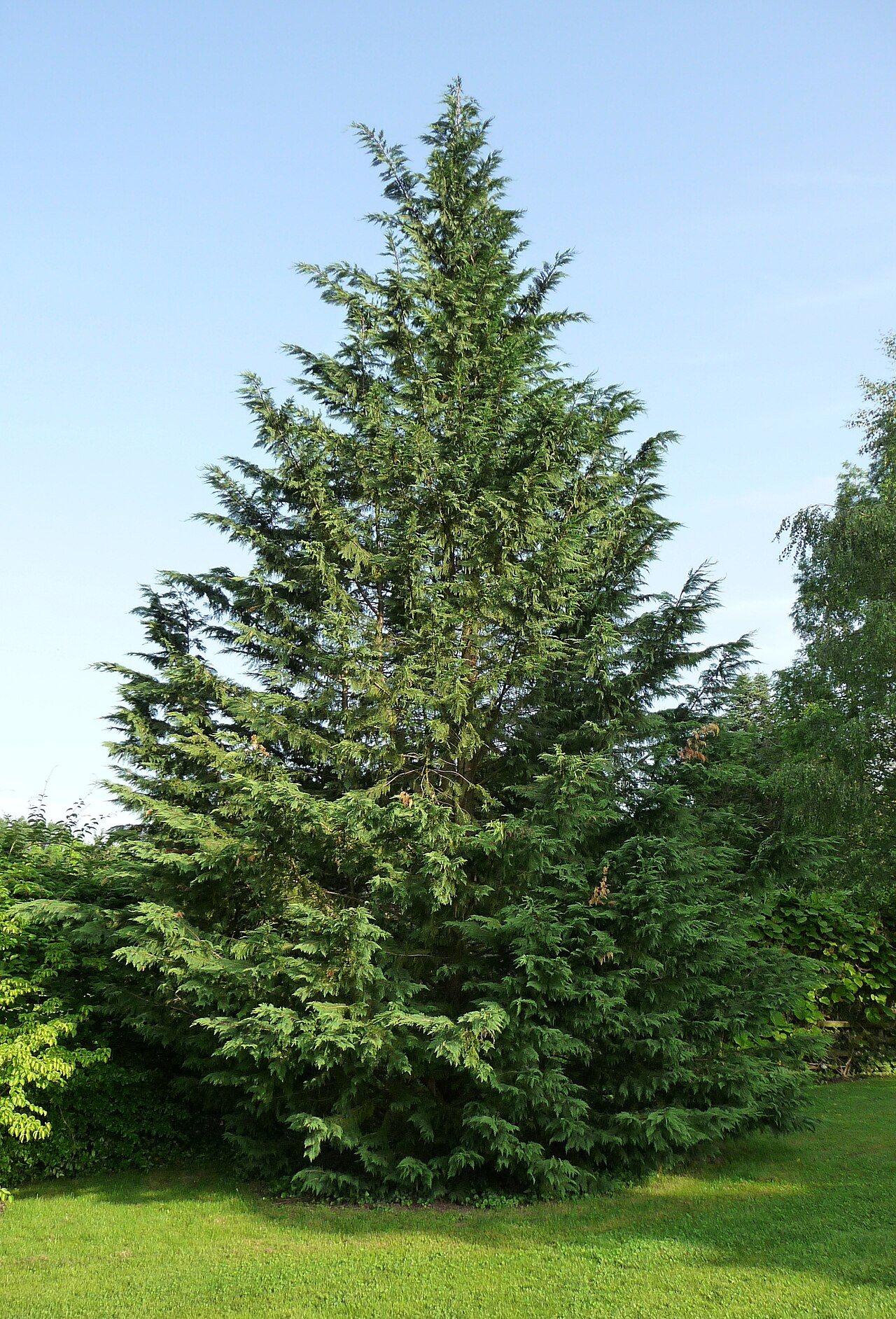
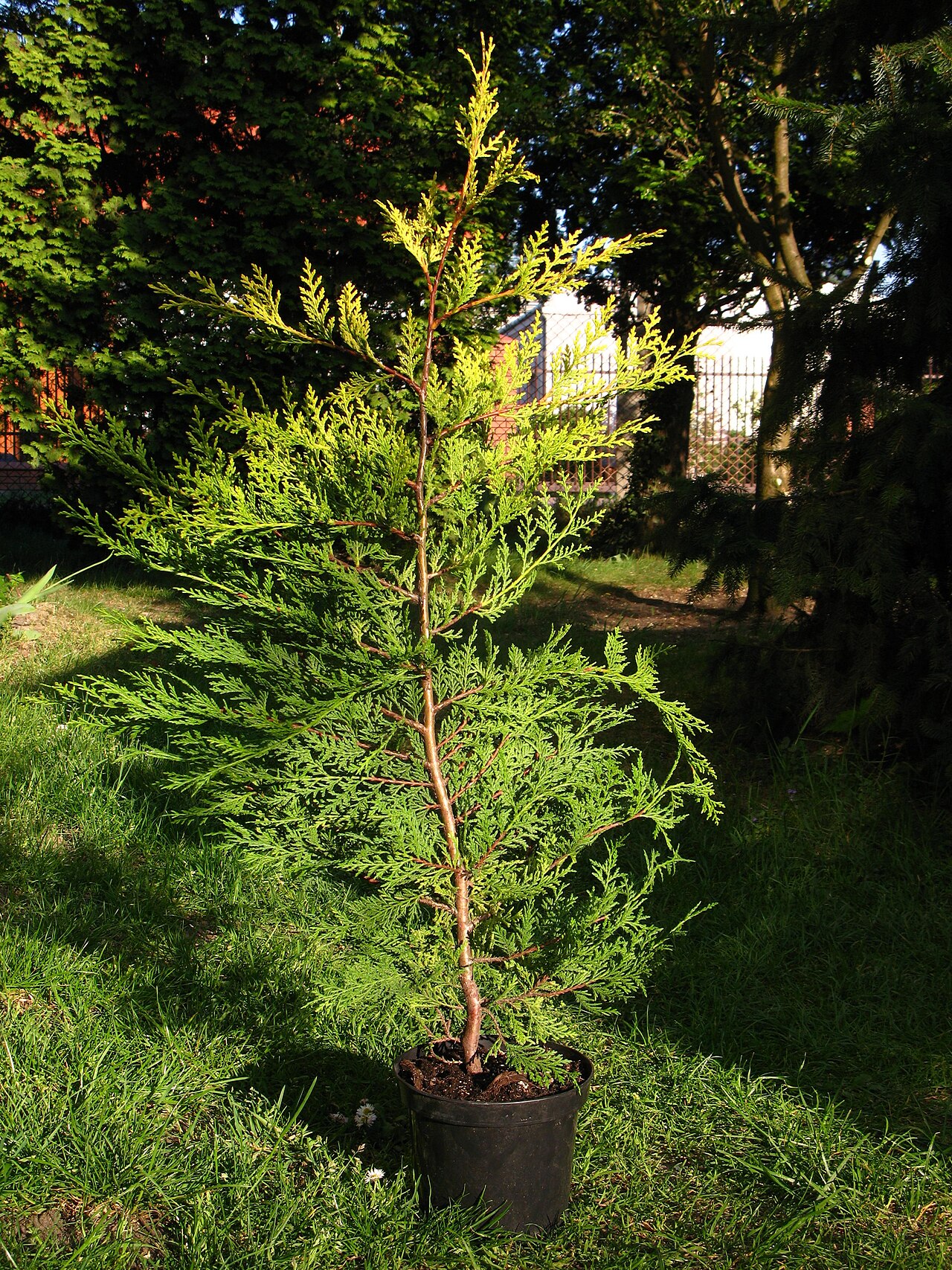
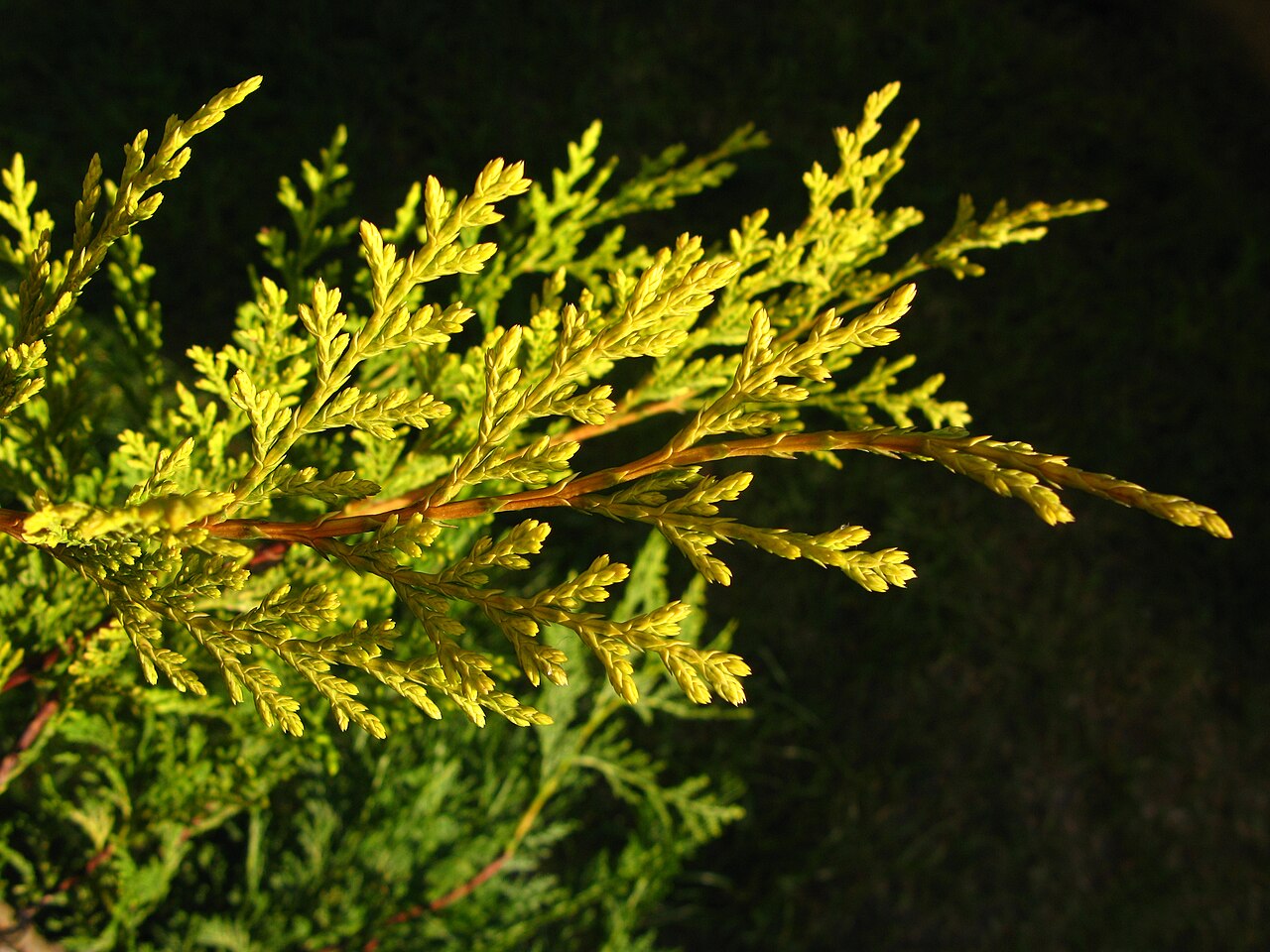
Leighton Green is the original Leyland cypress — the clone from which the Leyland story started, a sterile hybrid of Monterey cypress and Nootka cypress that grows 2–3 feet a year into a dense, dark-green screen. It is the fastest privacy hedge in the nursery trade, and the reason it works is density: scale-like foliage packed tight enough to block a view year-round, on a tree that grows fast enough to do it in a few years rather than a decade.
In Florida, Leighton Green works as a screen with two conditions: drainage and air. Plant in full sun in moist, well-drained soil — standing water invites the root rot that kills Leylands — space trees 8–10 feet apart for a dense screen or 12–15 feet for a windbreak with better air, and plant well inside your boundary, because a mature Leyland is a 60-foot tree, not a fence. Shear young hedges lightly and often; a mature hedge hacked back to bare wood does not regrow well.
How to grow
Leyland cypress is the fastest privacy screen in the nursery trade — a sterile hybrid conifer that can grow 2–3 feet a year and reach 55–75 feet if left alone, with dense, dark-green, scale-like foliage. Plant in full sun in moist, well-drained soil; drainage matters more than pH, because standing water invites the root rot that kills Leylands. Space trees 8–10 feet apart for a dense screen or 12–15 feet for a windbreak with better air movement, and plant well inside your boundary: a mature Leyland is a big tree, not a fence, and neighbours on both sides will eventually notice. Shear young hedges lightly and often rather than hacking a mature hedge back to bare wood, which does not regrow well.
Water & feeding
Water deeply through establishment, then in dry spells; Leyland likes steady moisture but hates standing water. Mulch widely. Feed lightly in spring if growth is pale. In Florida, the balance is moisture without sogginess — a raised planting or a well-drained site is worth more than any fertiliser.
Common problems
Root rot in wet soil and canker diseases (Seiridium and Botryosphaeria) in stressed, crowded hedges are the real threats — the prevention is drainage, spacing for air, and not shearing in wet weather. Bagworms may appear; pick them off. A Leyland hedge planted too tight, too wet and never pruned is a management verdict, and the fix starts with air and drainage.
Harvest
The harvest is privacy, year-round, and fast. The gardener’s job is shearing: light, frequent cuts on young hedges, never a hard cut into old wood, and a watch for canker in stressed, crowded hedges — the prevention is drainage, spacing and not shearing in wet weather.
Nerdy fact: Leyland cypress is a sterile hybrid — it sets no viable seed — which is why every Leighton Green in the world is a cutting of a cutting of the original trees, clones of a chance hybrid that first appeared in a Welsh garden in the nineteenth century.
Saving seeds
Leighton Green is the original Leyland cypress — the clone from which the Leyland story started, a sterile hybrid of Monterey cypress and Nootka cypress that grows 2 to 3 feet a year into a dense, dark-green screen, and being sterile it sets no seed — plant nursery-grown trees in full sun in moist, well-drained soil, and space trees 8 to 10 feet apart for a dense screen. The Propagation section of the Leyland Cypress guide covers propagation for the species.