
🟤 Pantin Mamey Sapote
What it looks like
Why this variety
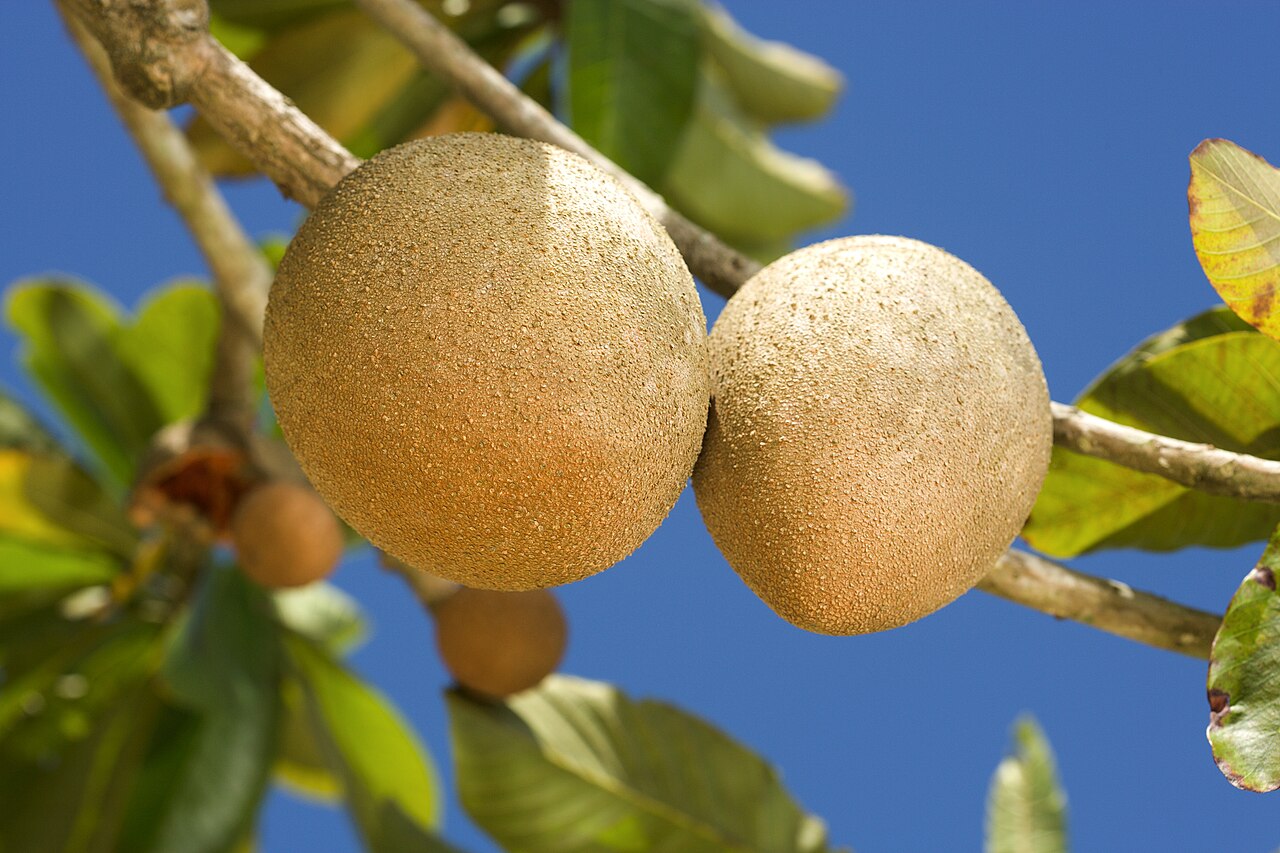
If South Florida has a default mamey, it is ‘Pantin’. Along with ‘Magaña’, it makes up 95-98% of the mamey acreage in Florida, and ‘Pantin’ accounts for the largest share — the cultivar the industry standardized on because it delivers, year after year, in South Florida conditions. The fruit is smaller than ‘Magaña’ (1 to 2 pounds, oval) with salmon-to-red flesh that is sweet, creamy, and famously cherry-almond in flavor — the taste people mean when they say ‘mamey’.
‘Pantin’ matures most of its crop in July and August, with lighter fruit before and after, which puts peak mamey season squarely in summer — milkshakes in August, if you are planning correctly. Planting ‘Pantin’ alongside ‘Magaña’ stretches the season from spring into late summer, which is why commercial growers plant both.
How to grow
Here is the honest Florida part first: mamey sapote is a zone 10-11 tree, and commercial production in the United States is limited to South Florida, mainly Miami-Dade County. It tolerates limestone soil better than many tropicals — a genuine advantage in South Florida — but it is a large tree (40 feet in Florida, taller in the tropics) that needs its 25-30 feet and a frost-free site. Do not plant it where a freeze will find it, and do not plant it where a 40-foot tree will fight the house.
Plant grafted, in full sun, and prune young trees to a manageable canopy — a mamey allowed to run wild becomes a harvesting problem, not a tree. Grafted trees fruit in three to five years; seedlings take longer and vary, which is why the named cultivars dominate the industry.
Water & feeding
Water deeply but infrequently once established — a long soak that reaches the root zone, then a drying interval, beats daily sprinkles that keep the surface wet and the roots shallow. Young trees need steady water for their first year or two; mulch 3-4 inches deep (kept off the trunk) to hold moisture in sandy soil. Feed with worm castings worked into the mulch ring a few times a year plus a balanced citrus/tropical-fruit fertilizer on the schedule your local extension recommends — and go easy on nitrogen, which grows leaves at the expense of fruit.
Common problems
- Freeze damage — zone 10-11; a large tree cannot be covered, so site selection is the entire freeze strategy.
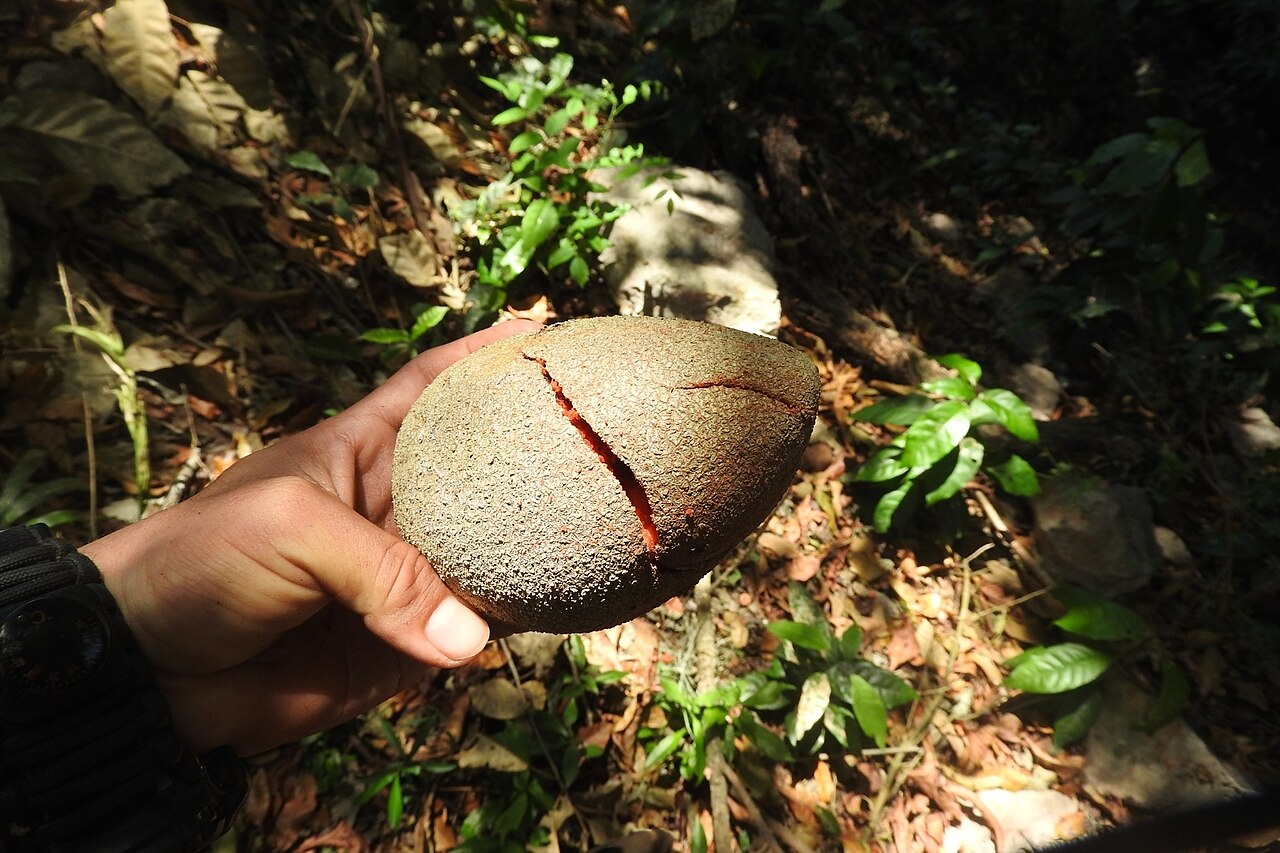
- Fruit maturity guessing — mamey is hard to judge from outside; learn the scratch test (mature flesh shows salmon-red under a nick in the skin) rather than picking by color alone.
- Scale insects — mamey hosts several scale species; check stems and leaves and treat with horticultural oil.
- Wind damage — large canopy plus shallow-ish roots in storms; prune for a strong structure early.
Harvest
Mamey is picked mature — not soft — and ripened indoors until it yields to pressure. The scratch test is the reliable guide: nick the skin lightly and look for salmon to red flesh beneath; green flesh means wait. ‘Pantin’ picked right softens in days into creamy, sweet, cherry-almond pulp.
Eat fresh with a spoon, or blend into the milkshake that made mamey famous in South Florida. One ‘Pantin’ fruit feeds several people, so a summer crop is a neighborhood event — plan accordingly.
Browse all plant & pest guides
Saving seeds
If South Florida has a default mamey, it is ‘Pantin’. Along with ‘Magaña’, it makes up 95 to 98 percent of the mamey acreage in Florida, and ‘Pantin’ accounts for the largest share — the cultivar the industry standardized on because it delivers, year after year, in South Florida conditions. The fruit is smaller than ‘Magaña’ (1 to 2 pounds, oval) with salmon-to-red flesh that is sweet, creamy, and famously cherry-almond in flavor — the taste people mean when they say ‘mamey’. As a named mamey cultivar it is kept true by grafting, not by seed: plant grafted, in full sun, and prune young trees to a manageable canopy — a mamey allowed to run wild becomes a harvesting problem, not a tree. Grafted trees fruit in three to five years; seedlings take far longer and would not be Pantin anyway. The full method is in the Saving seeds section of the Mamey Sapote guide.