
🟤 Mamey Sapote
What it looks like
How to grow
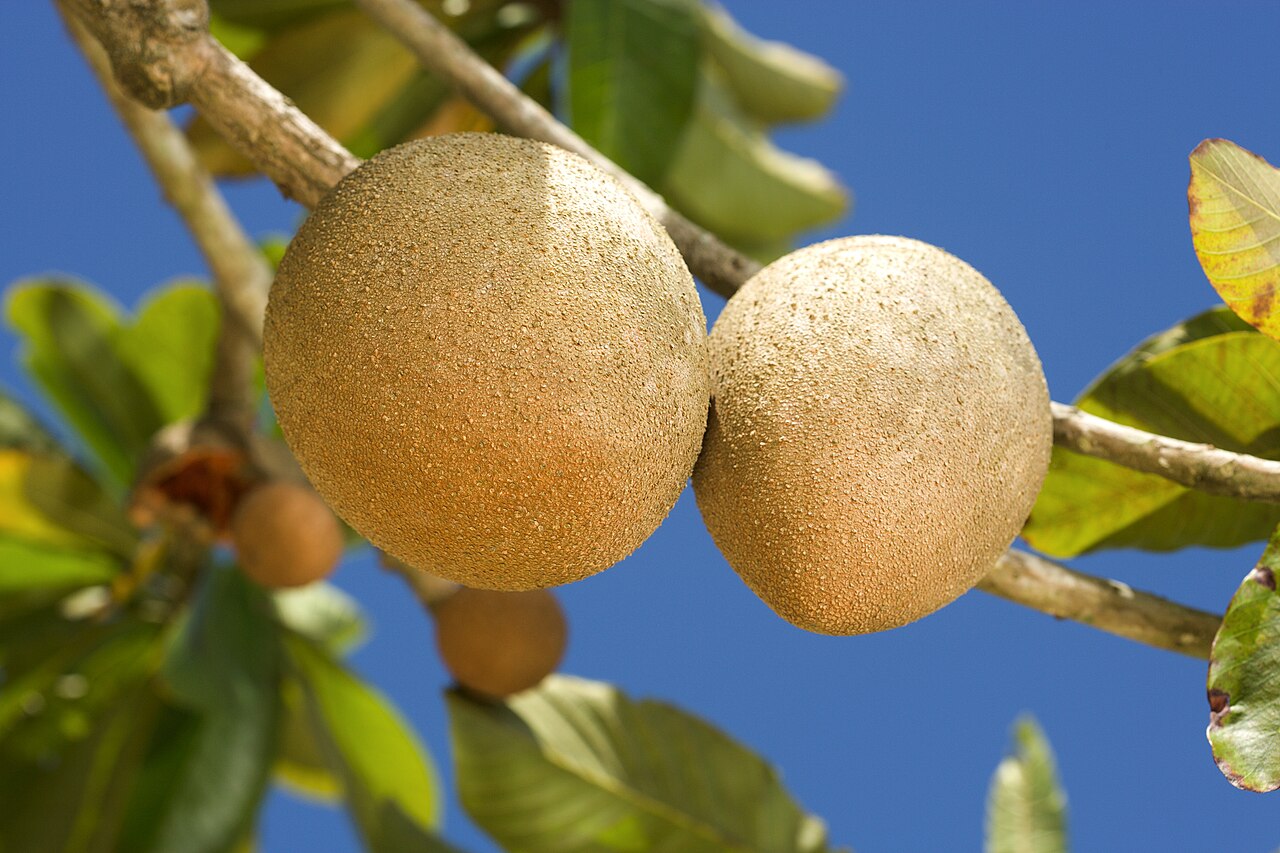
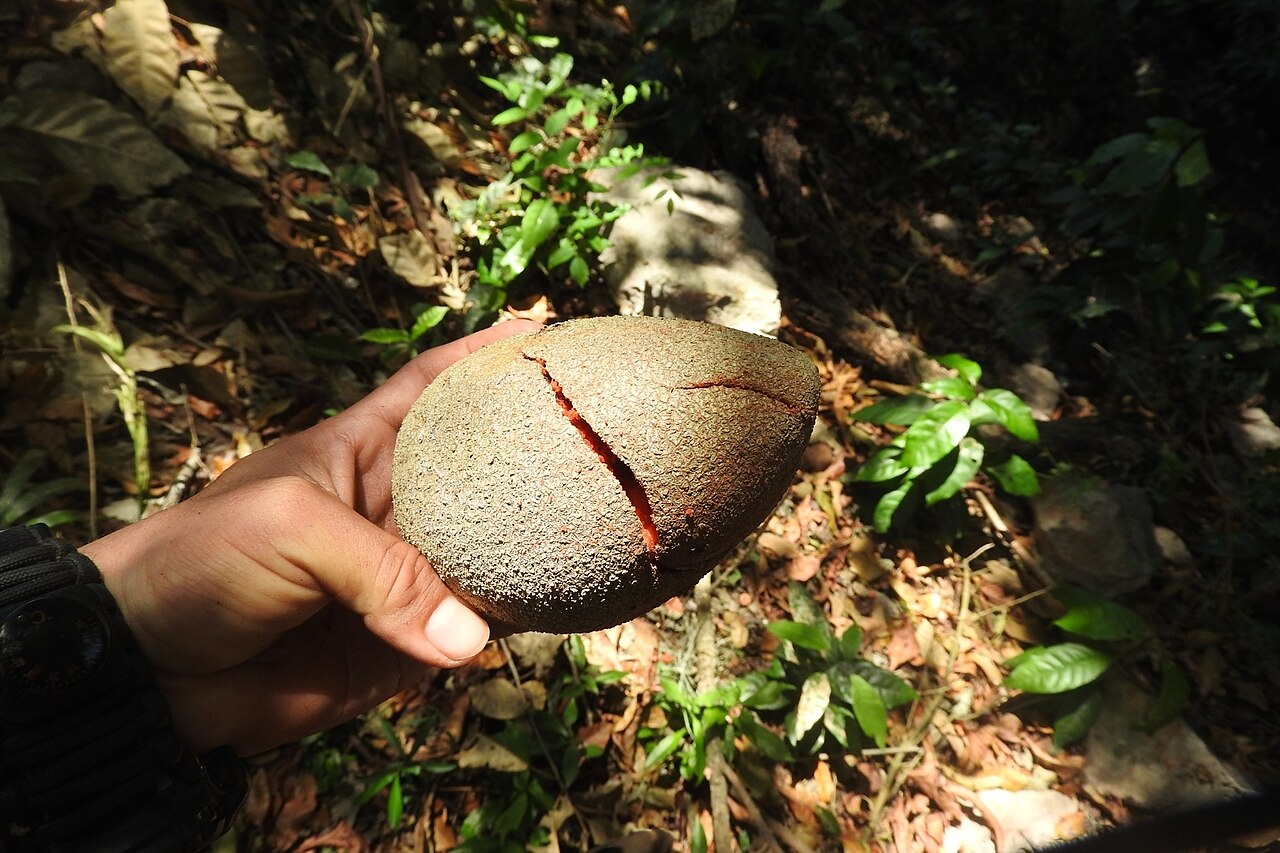
Mamey sapote is a large tropical tree from Central America that produces football-sized fruit with thick brown skin and vivid salmon-orange flesh — sweet, dense, and reminiscent of sweet potato, pumpkin, and almond. Plant a grafted variety (‘Pantin’, ‘Magana’) in spring in well-drained soil; mamey tolerates the limestone soils of south Florida well. It is self-fertile, so one tree fruits, but the tree is big — 40 feet or more at maturity — so give it room and prune to keep it pickable. Mamey is slow from seed (a decade or more) and variable, so grafted trees are worth the price. The fruit takes a long time to mature on the tree (over a year from flower to ripe fruit), which means patience is part of the crop.
Water & feeding
Water deeply during establishment and dry spells; mature trees are moderately drought-tolerant but fruit better with steady moisture. Mulch and feed in spring. Protect young trees from frost — mamey is damaged by freezes.
Common problems
- Frost — a true tropical; zone 10–11 outdoors is the honest range
- Long time from flower to ripe fruit — over a year, so do not judge a tree by its first season
- Size — a mature mamey is a large tree; site it where it has room
- Fruit flies in some regions — pick at the right stage and clean up fallen fruit
Harvest
Pick when the fruit gives slightly and a scratched patch of skin shows no green — then ripen indoors for a week or more until soft throughout. Eat fresh with a spoon, or blend into milkshakes (batidos), where mamey is legendary.
Browse all plant & pest guides
Saving seeds
Mamey sapote seed is a use-it-or-lose-it proposition. The seed is recalcitrant, which means it cannot be dried and stored the way a bean or a tomato seed can. Once it dries out, it dies. If you want to grow mamey from seed, you sow it fresh, within days of eating the fruit, and you do not put the project off until next month.
Clean the pulp off the large brown seed, and sow it promptly in a deep pot of moist, free-draining mix, about an inch deep. Mamey makes a taproot early, so a deep pot matters more than a wide one. Keep it warm and evenly moist, and be patient. Germination usually comes in a few weeks, but a seedling is a long-term commitment: it will be years before it fruits, and the fruit it makes will not necessarily taste like the fruit you ate. Seedlings are variable, and a seedling mamey can be drier, blander, or seedier than its parent.
Named cultivars like Pantin, Magana, and Tazumal do not come true from seed, full stop. If you want a particular fruit — the salmon-pink flesh that tastes like sweet potato pie — grafting is the only sure route, and grafted trees are what the guide’s harvest timing is based on. Seed is genuinely good for two things: rootstock to graft onto, and the experiment of growing a tree from a fruit you loved.
Isolation is a non-issue for most gardeners, since mamey is a rare tree in most neighborhoods and any seedling grafts fine. What matters is freshness. A seed that has sat on a counter for a month is a dead seed, and a seed stored in a jar is a dead seed too. Eat the fruit, plant the seed, and let the tree surprise you in the better part of a decade.
Florida honesty: mamey sapote is a zones 10 to 11 tree, which means South Florida, and a cold-sensitive one. A hard freeze will finish a young tree, so grow it in a sheltered spot or in a pot you can protect. In Central Florida it is a sheltered-spot gamble, and in North Florida it is a container plant.
Varieties
Every named variety of Mamey Sapote with its own growing guide:
- Pantin Mamey Sapote — The mamey that built South Florida’s industry: smaller, oval, July-August fruit with sweet, cherry-almond flesh.
- Magaña Mamey Sapote — The giant mamey: 2-to-4-pound fruit with cherry-almond flesh, heaviest in April and May.