
🟤 Magaña Mamey Sapote
What it looks like
Why this variety
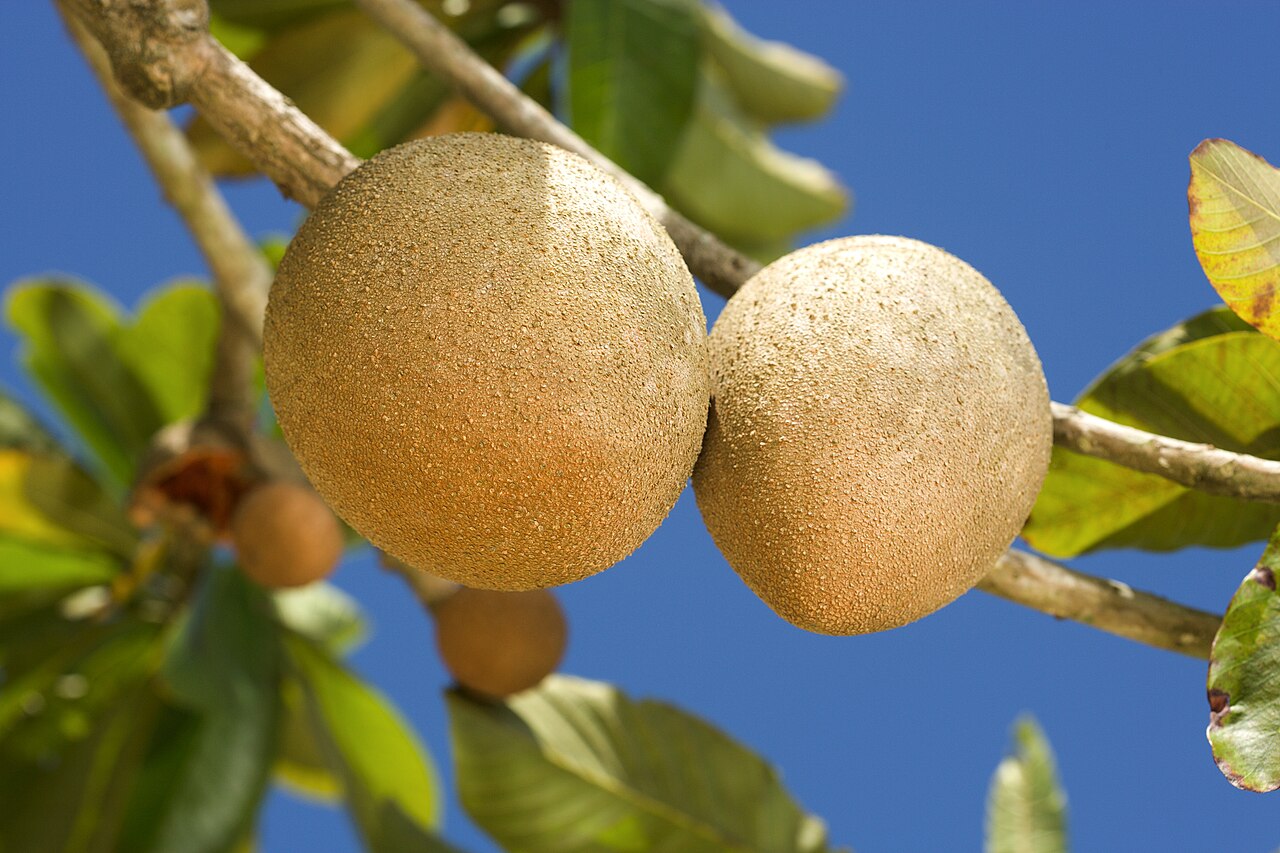
‘Magaña’ is the other half of Florida’s mamey industry — and the big half, literally. Where ‘Pantin’ makes 1-to-2-pound oval fruit, ‘Magaña’ makes 2-to-4-pound elliptic fruit with a slightly pointed end, salmon-to-deep-red flesh, and the same sweet, creamy, cherry-almond flavor. In Puerto Rico trials, ‘Magaña’ was among the highest-yielding cultivars by weight, with a notably low seed fraction — more pulp per pound, which is the metric that matters when the fruit weighs as much as a small dog.
‘Magaña’ peaks in April and May, ahead of ‘Pantin’s July-August wave, so the two together give a spring-to-summer mamey season instead of a single glut. If you have room for one mamey and want the biggest fruit, ‘Magaña’ is the pick; if you have room for two, plant both and eat mamey for months.
How to grow
Here is the honest Florida part first: ‘Magaña’ is a zone 10-11 tree for South Florida, tolerant of limestone soil but intolerant of freezes and of small yards — this is a 40-foot tree at maturity, and its giant fruit falls with authority. Site it where falling four-pound fruit is a harvest, not a hazard, and where its canopy has decades of room.
Plant grafted in full sun, prune young trees for structure, and support heavy limbs if a branch sets an especially heavy crop. ‘Magaña’ fruit size makes thinning worthwhile: fewer fruit per branch means larger, better-filled fruit and less breakage.
Water & feeding
Water deeply but infrequently once established — a long soak that reaches the root zone, then a drying interval, beats daily sprinkles that keep the surface wet and the roots shallow. Young trees need steady water for their first year or two; mulch 3-4 inches deep (kept off the trunk) to hold moisture in sandy soil. Feed with worm castings worked into the mulch ring a few times a year plus a balanced citrus/tropical-fruit fertilizer on the schedule your local extension recommends — and go easy on nitrogen, which grows leaves at the expense of fruit.
Common problems
- Freeze damage — zone 10-11; site selection is the freeze plan for a tree this size.
- Falling-fruit hazard — four-pound fruit over walkways or parking is dangerous; site accordingly and harvest promptly.
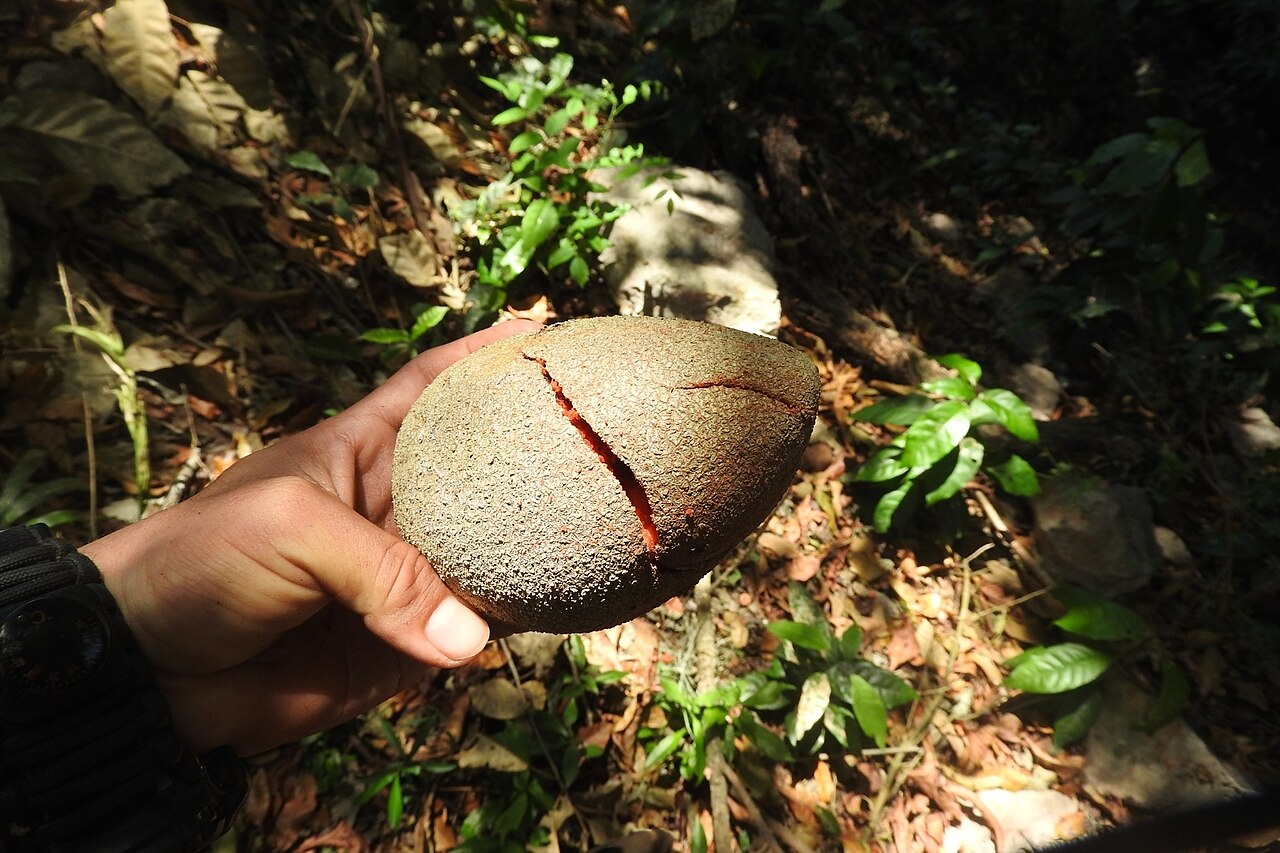
- Maturity guessing — use the scratch test (salmon-red flesh under a nick) rather than color alone.
- Scale insects — check stems and leaves; horticultural oil for infestations.
Harvest
Pick ‘Magaña’ mature and ripen indoors until it yields to pressure — a four-pound fruit that softens evenly is a triumph. The low seed fraction means more edible pulp per fruit, so one ‘Magaña’ makes a full blender of milkshake or a dessert for a table.
Peak season April to May in South Florida makes ‘Magaña’ the spring mamey — the one that arrives when the winter garden is ending and summer fruit has not started. Freeze pulp in bags; mamey freezes beautifully for shakes all year.
Browse all plant & pest guides
Saving seeds
Magaña is the other half of Florida’s mamey industry — and the big half, literally: 2-to-4-pound elliptic fruit with salmon-to-deep-red flesh, peaking in April and May. Like all named mamey cultivars it is kept true from a grafted tree, not from seed — the guide says to plant grafted in full sun — and this is a 40-foot tree at maturity, so site it where falling four-pound fruit is a harvest, not a hazard. The Saving seeds section of the Mamey Sapote guide covers seed for the species generally.