
🟢 Suebelle White Sapote
What it looks like
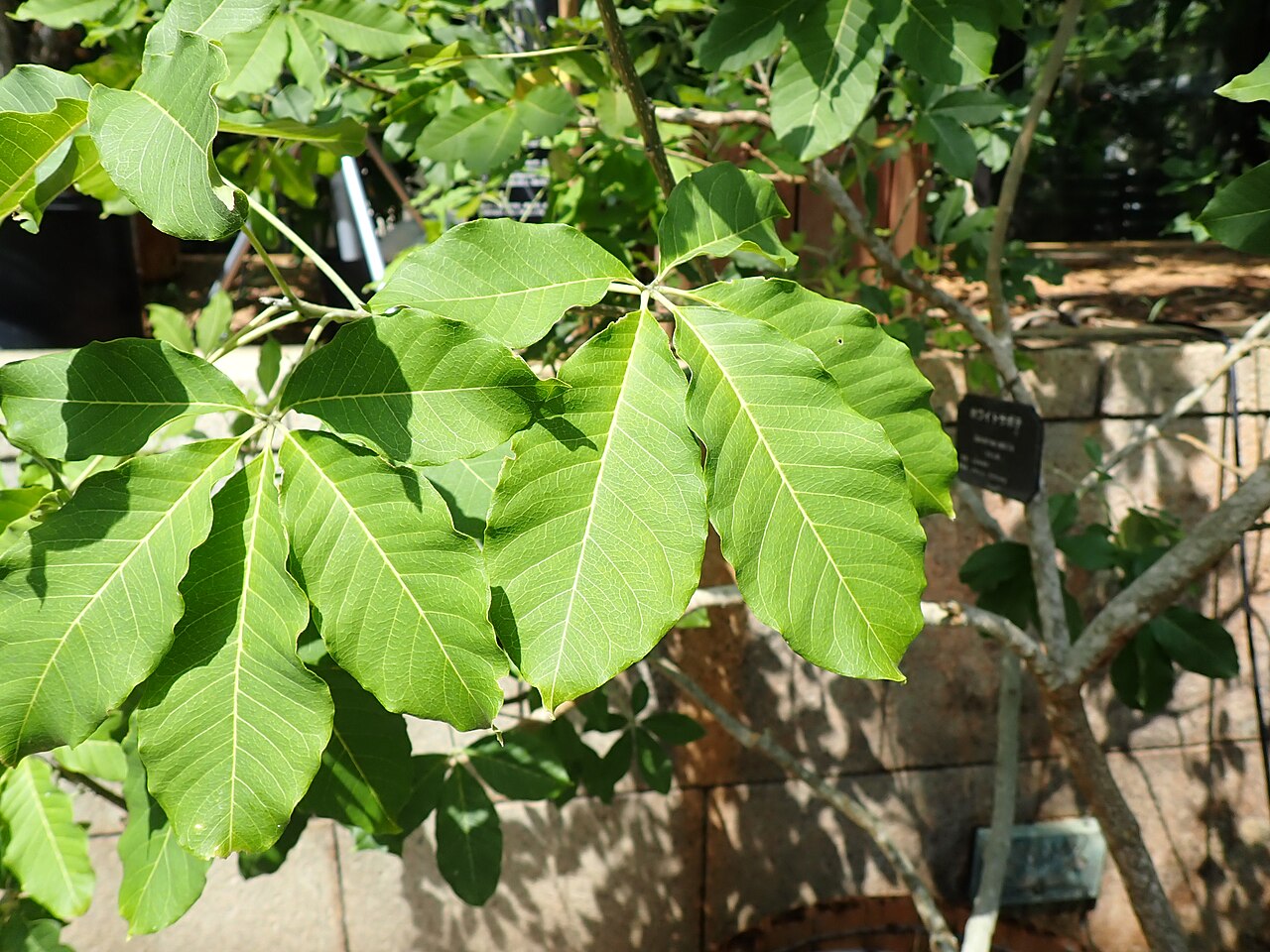
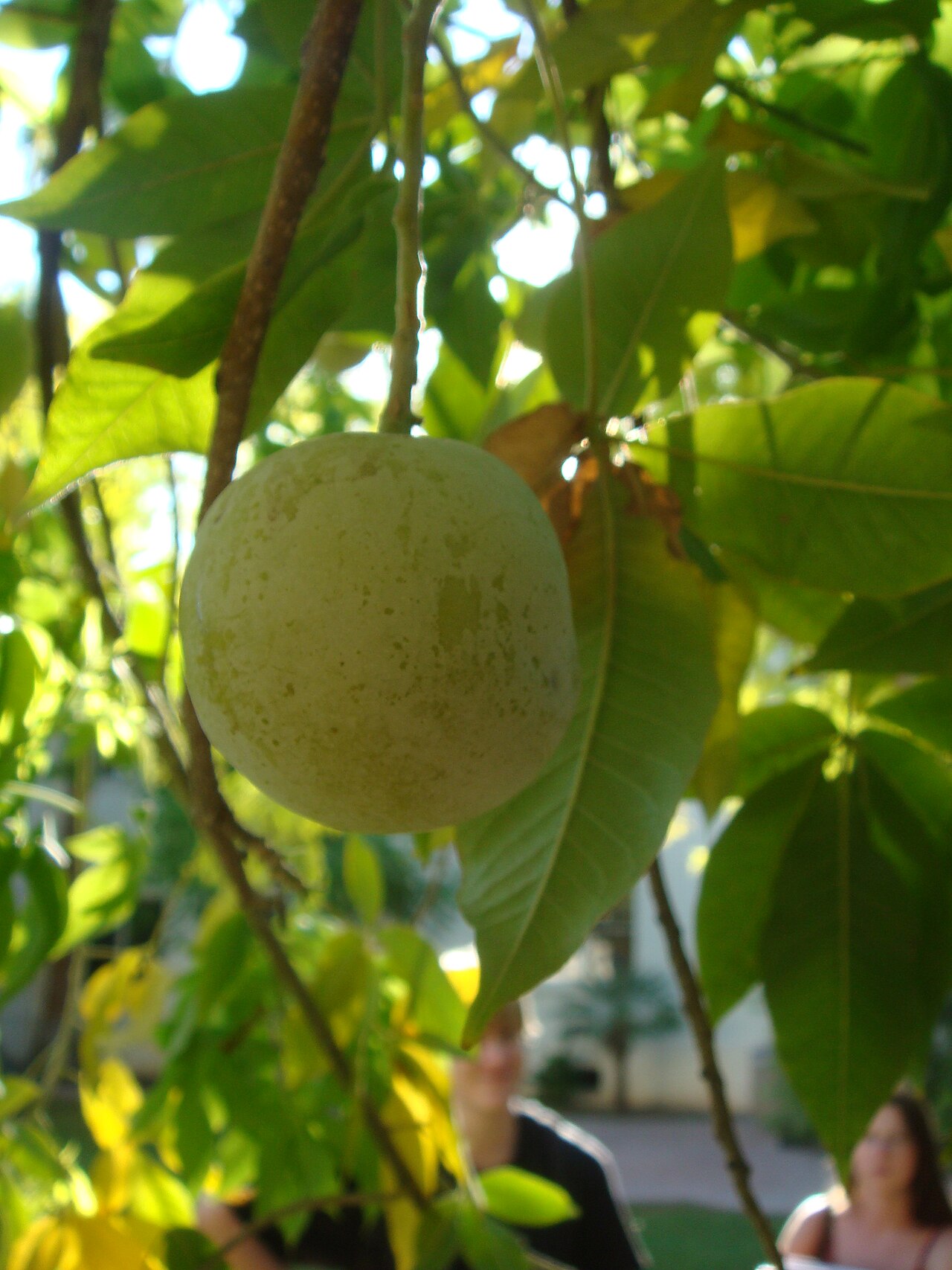
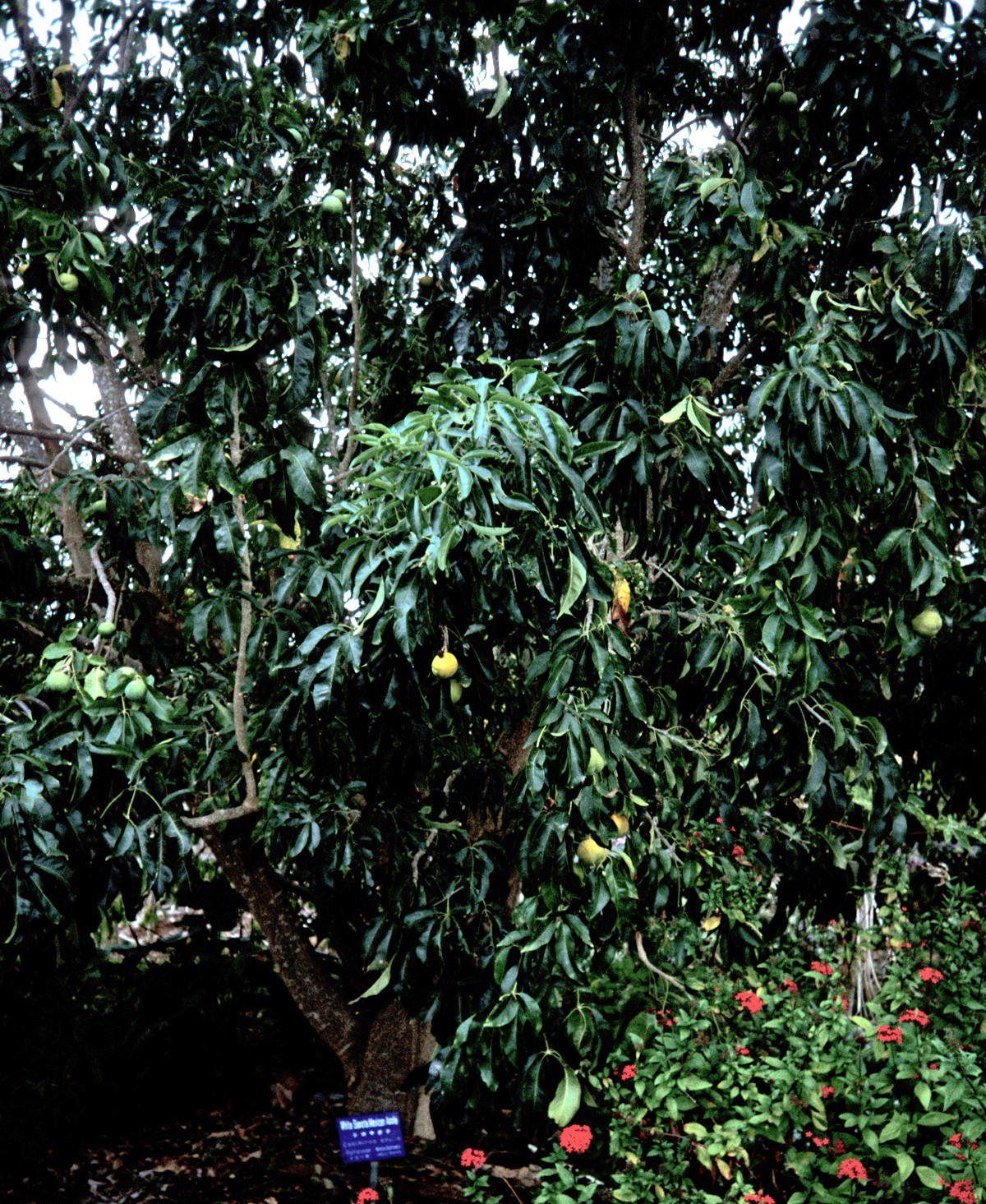
Why this variety
‘Suebelle’ is the white sapote everyone has heard of, and the reputation is earned: introduced in California in 1931, it remains, in the classic cultivar literature’s judgment, the best-known white sapote and ‘still not surpassed in performance’ for home culture. The fruit is variable in size and usually small, yellow, asymmetrical, and sweet — pick when soft — on a medium tree for home gardens. In mild coastal climates it bears some fruit nearly year-round, which is a remarkable trick for a tree fruit.
White sapote is also the sapote that shrugs at light frost — zones 9-11, the hardiest of the sapotes in this wave — which makes ‘Suebelle’ the tropical fruit for gardeners just outside the frost-free zone. It is not fully hardy, but it is the closest thing the sapote family offers to a cold shoulder.
How to grow
Here is the honest Florida part first, and it is good news for once: white sapote grows in zones 9-11, which in Florida means a much wider range than mamey or sapodilla — including parts of Central Florida with light frosts. UF/IFAS lists ‘Suebelle’ among the varieties commonly available in Florida. It still needs a warm microclimate and protection in a hard freeze, but a light frost that would end a mamey is a shrug for ‘Suebelle’.
Plant grafted in full sun and well-drained soil. The pollination warning matters for white sapotes generally: many cultivars have partial to total pollen sterility, so a single tree of a sterile type may flower beautifully and set nothing. ‘Suebelle’ is widely grown as a home tree, but if fruit set disappoints, a second cultivar nearby (a known pollinator type like ‘Vernon’ or ‘Dade’) is the standard fix — plant the pair if you have room.
Water & feeding
Water deeply but infrequently once established — a long soak that reaches the root zone, then a drying interval, beats daily sprinkles that keep the surface wet and the roots shallow. Young trees need steady water for their first year or two; mulch 3-4 inches deep (kept off the trunk) to hold moisture in sandy soil. Feed with worm castings worked into the mulch ring a few times a year plus a balanced citrus/tropical-fruit fertilizer on the schedule your local extension recommends — and go easy on nitrogen, which grows leaves at the expense of fruit.
Common problems
- Pollination failure — the classic white sapote disappointment. Many cultivars are pollen-sterile; if your tree flowers but never sets, add a pollinator cultivar rather than blaming the tree.
- Over-ripe bitterness — some white sapote fruit turns bitter when over-ripe; pick when soft, not mushy, and taste-test the first few.
- Freeze damage in hard freezes — light frost is fine; a hard freeze still damages young trees, so cover them.
- Fruit drop from inconsistent water — mulch and steady watering through fruit development.
Harvest
Pick ‘Suebelle’ when the fruit is soft to pressure and yellow, and eat promptly — white sapote waits for no one, and over-ripe fruit can turn bitter. The flesh is creamy, vanilla-pudding-like, eaten fresh with a spoon. In mild climates, expect fruit over a long season rather than a single glut.
Chill before eating; white sapote is at its best cold, like a pudding that grew on a tree. Surplus fruit blends into smoothies and ice cream, where its vanilla character shines.
Browse all plant & pest guides
Saving seeds
‘Suebelle’ is the white sapote everyone has heard of, and the reputation is earned: introduced in California in 1931, it remains, in the classic cultivar literature’s judgment, the best-known white sapote and ‘still not surpassed in performance’ for home culture. The fruit is variable in size and usually small, yellow, asymmetrical, and sweet — pick when soft — on a medium tree for home gardens. In mild coastal climates it bears some fruit nearly year-round, which is a remarkable trick for a tree fruit. White sapote is also the sapote that shrugs at light frost — zones 9-11, the hardiest of the sapotes in this wave — which makes ‘Suebelle’ the tropical fruit for gardeners just outside the frost-free zone. As a named white sapote it is kept true by grafting, not by seed — plant grafted in full sun and well-drained soil. The pollination warning matters for white sapotes generally: many cultivars have partial to total pollen sterility, so a single tree of a sterile type may flower beautifully and set nothing. Here is the honest Florida part, and it is good news for once: white sapote grows in zones 9-11, which in Florida means a much wider range than mamey or sapodilla — including parts of Central Florida with light frosts. UF/IFAS lists ‘Suebelle’ among the varieties commonly available in Florida. The full method is in the Saving seeds section of the White Sapote guide.