
🟢 White Sapote
What it looks like
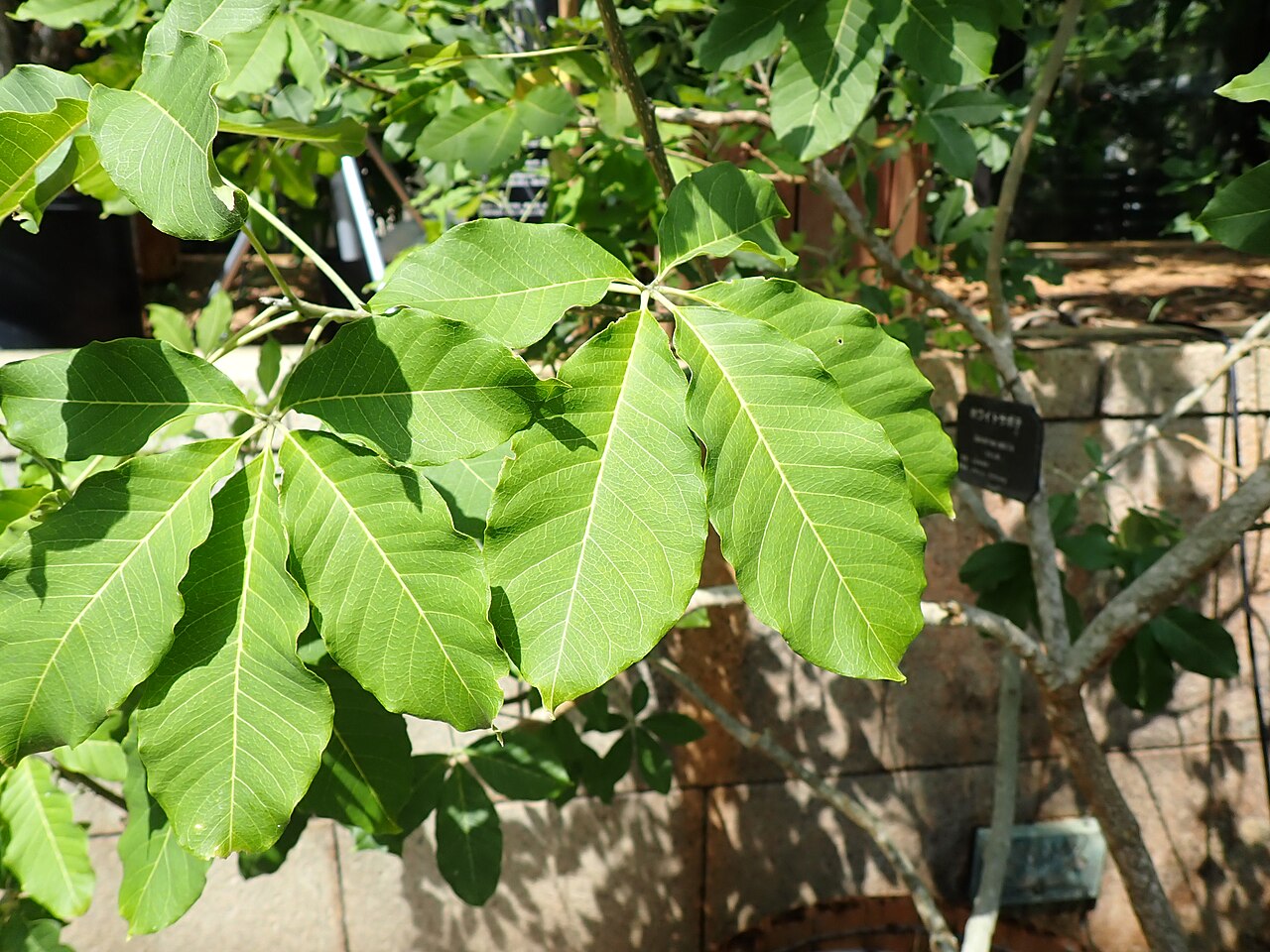
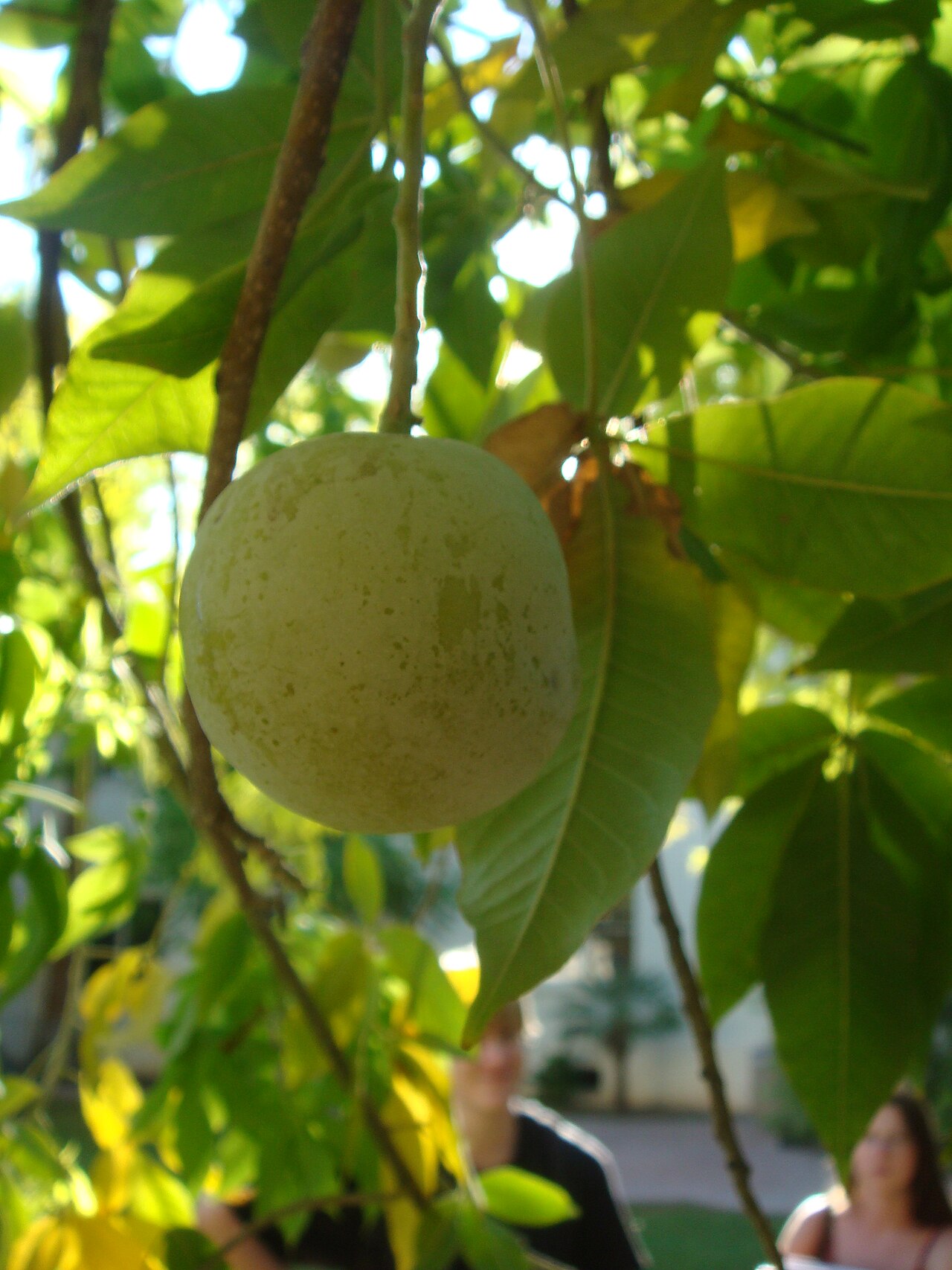
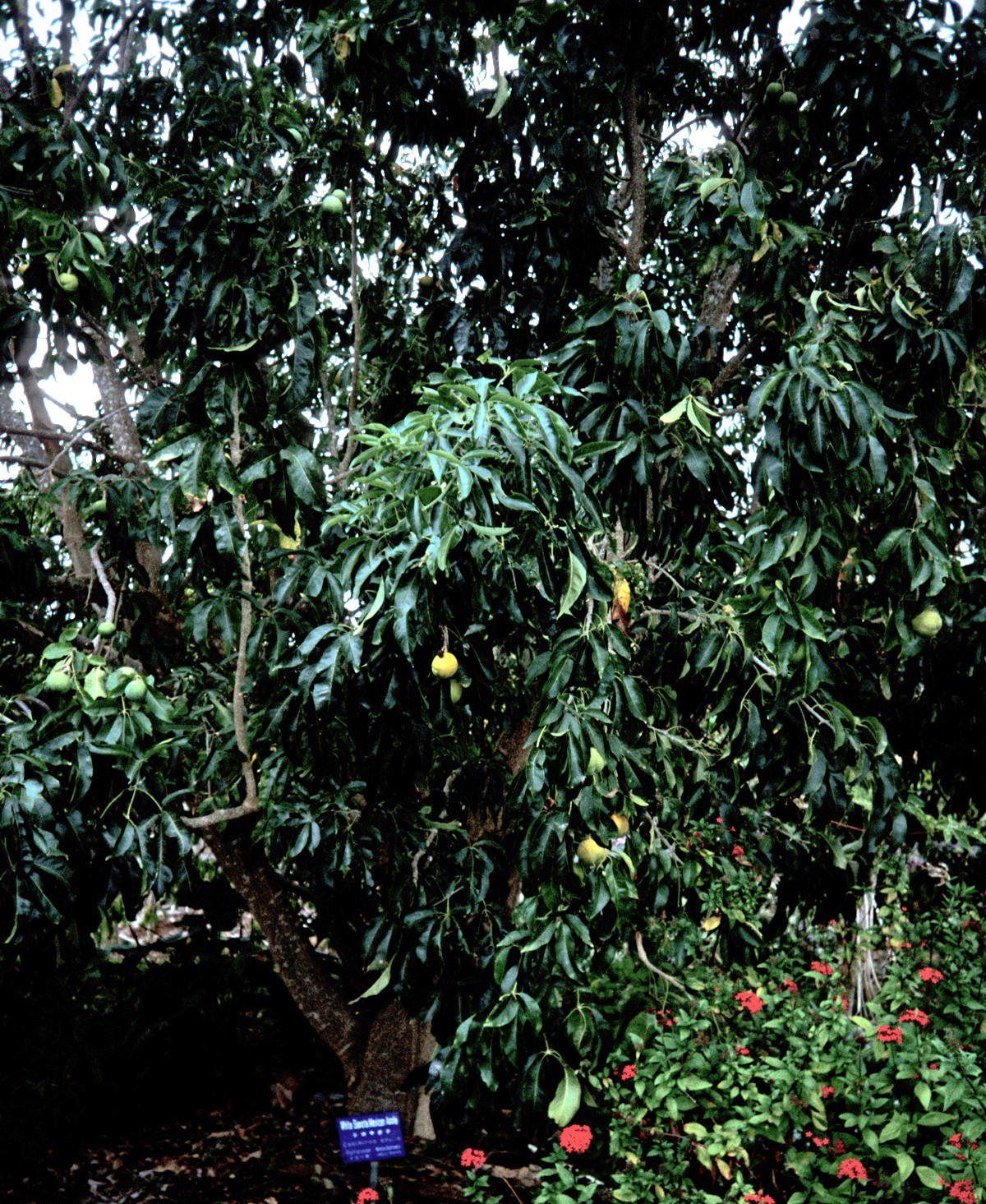
How to grow
White sapote is a Mexican evergreen tree that produces round, green fruit with creamy, vanilla-custard flesh — and it is the most cold-tolerant of the sapotes, handling light frosts that would damage mamey or sapodilla. Plant a grafted variety (‘Suebelle’, ‘Vernon’) in spring in well-drained soil; white sapotes are self-fertile, so one tree fruits, though cross-pollination can improve yields. The tree grows fast and large (25–40 feet), so prune to keep it pickable and site it with room. White sapote fruit ripens over a long season, and the flavor varies by variety from mild vanilla to rich caramel — taste before you commit to a variety if you can. The seeds and leaves have traditional medicinal uses, but the fruit is the reason to plant it.
Water & feeding
Water during establishment and dry spells; mature trees are moderately drought-tolerant but fruit better with steady moisture. Mulch and feed in spring. Young trees need frost protection on cold nights in zone 9.
Common problems
- Frost on young trees — mature trees handle light frost, young ones need cover
- Size — a fast-growing large tree that needs pruning to stay pickable
- Fruit drop in drought during development
- Overripe fruit fermenting on the tree — pick promptly when soft
Harvest
Pick when the fruit gives slightly and the skin has yellowed — ripen indoors for a few days until soft throughout, then eat with a spoon. Overripe white sapote is mushy and fermented-tasting, so the window matters: soft, not collapsed.
Browse all plant & pest guides
Saving seeds
White sapote seed comes with a deadline: it is recalcitrant, and it does not wait. Clean the pulp off the seed, rinse it, and sow it the same day or within a few days — it loses viability fast once it dries out. Sow warm, in moist mix, barely covered, and germination usually comes in two to four weeks. Do not store the seed, and do not dry it out.
Save seed from the best tree — the sweetest, most custardy fruit, the healthiest canopy — and sow more than you need, since germination is uneven. The seedlings will vary wildly in fruit size and flavor, and the named cultivars come only from grafting. Seed is for the species, for rootstocks, and for the patient gardener. A seed-grown white sapote takes five to seven years to fruit.
Keep the seedlings warm and moist, and protect them from frost — white sapote is a subtropical tree for zones 9 to 11, happiest in full sun and rich, moist soil. It wants the warm, humid air of a Florida summer, and it will sulk through a cold snap.
In Florida, white sapote is a dooryard fruit tree for the southern part of the state, happiest where the frost is light and the summers are long. Plant it in a sunny spot with room to grow, and be patient — a white sapote grown from your own seed is a fruit tree with a story.
Varieties
Every named variety of White Sapote with its own growing guide:
- Suebelle White Sapote — The best-known white sapote: small, sweet, yellow fruit on a medium tree — still not surpassed for home culture.
- Vernon White Sapote — The heavy-bearing white sapote: large, vigorous, creamy and high-sugar — and a good pollinator for other cultivars.