
🟢 Vernon White Sapote
What it looks like
Why this variety
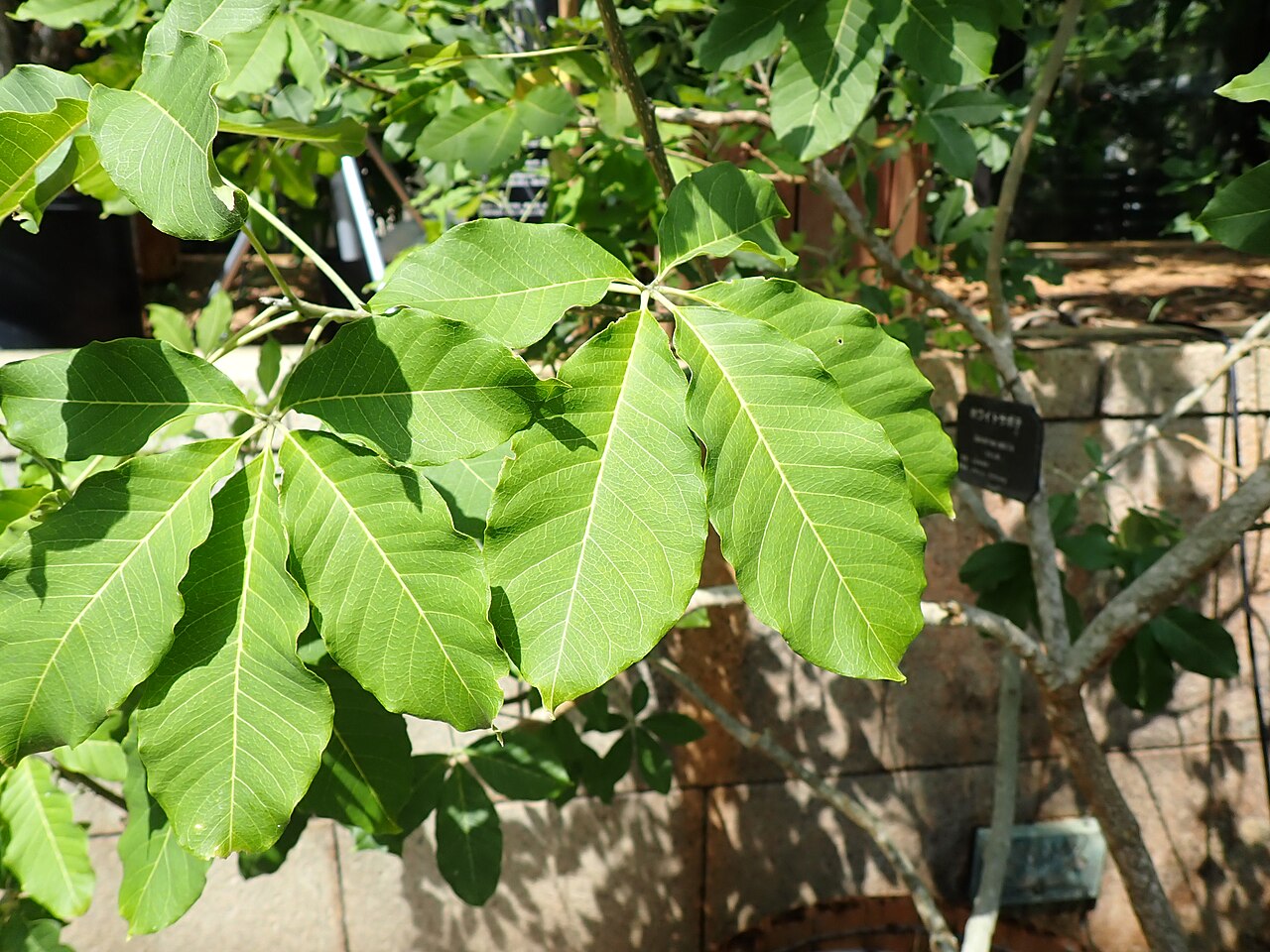
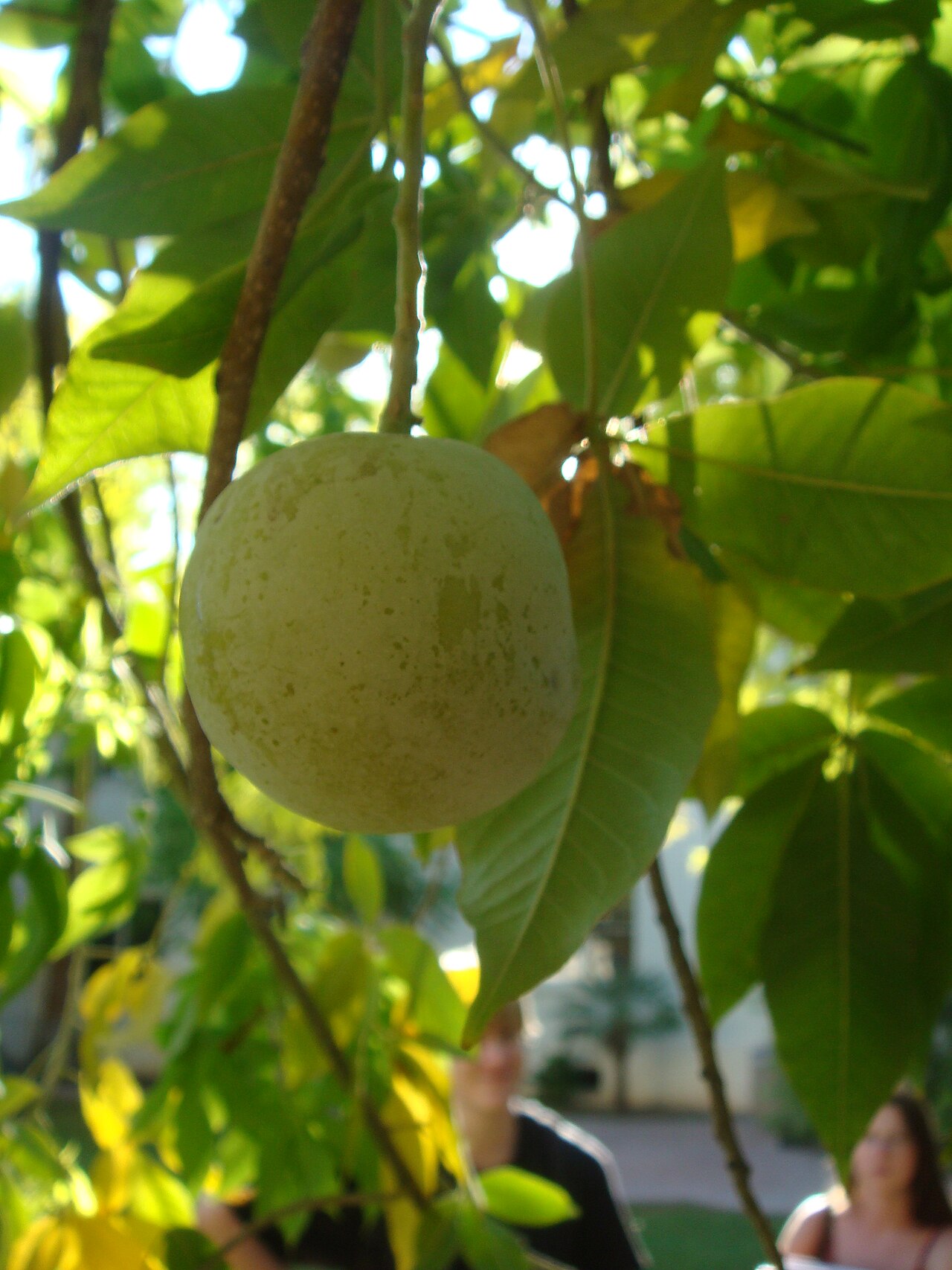
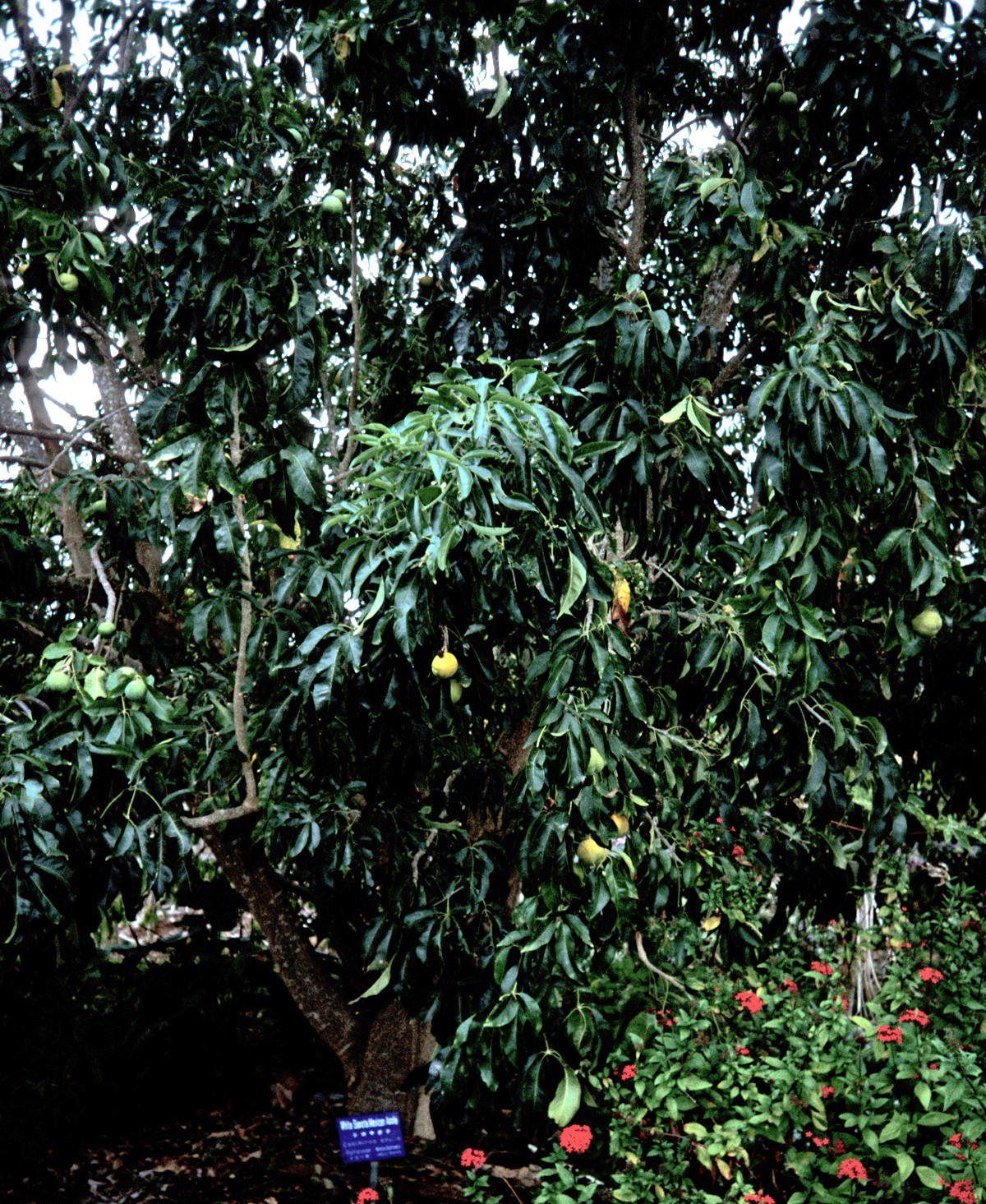
‘Vernon’ is the white sapote for gardeners who want a crop, not a curiosity: a large, rounded, vigorous tree with heavy crops of green, round-oblate fruit with white flesh that does not turn bitter when over-ripe — a genuine virtue in a family where over-ripeness can punish you. The flesh is creamy and high-sugar, and ‘Vernon’ is also recognized as a good pollinator for other white sapote cultivars, which makes it the strategic second tree in any white-sapote planting.
The trade-offs are honest: ‘Vernon’ is alternate-bearing (a heavy year followed by a light one, over the winter months), and it is reported difficult to graft, which can make grafted trees scarcer. But as a pollinator and a producer, it earns its space — plant ‘Vernon’ with ‘Suebelle’ and both trees do better than either alone.
How to grow
Here is the honest Florida part first: ‘Vernon’ shares white sapote’s zone 9-11 hardiness — the widest range of any sapote in this wave, including light-frost parts of Central Florida. It is a large tree, so give it its 20-25 feet and prune for structure; a vigorous white sapote left unpruned becomes a neighborhood canopy.
Plant grafted in full sun and well-drained soil. If you are planting white sapotes as a pair for pollination, ‘Vernon’ is the pollinator half of the team — position it within bee range of the other cultivar, not across the yard.
Water & feeding
Water deeply but infrequently once established — a long soak that reaches the root zone, then a drying interval, beats daily sprinkles that keep the surface wet and the roots shallow. Young trees need steady water for their first year or two; mulch 3-4 inches deep (kept off the trunk) to hold moisture in sandy soil. Feed with worm castings worked into the mulch ring a few times a year plus a balanced citrus/tropical-fruit fertilizer on the schedule your local extension recommends — and go easy on nitrogen, which grows leaves at the expense of fruit.
Common problems
- Alternate bearing — heavy one year, light the next. Thin heavy sets and feed consistently to even out the cycle.
- Pollination needs of neighbors — ‘Vernon’ helps others, but a lone sterile cultivar still needs it nearby; plant the pair, not the single.
- Hard-freeze damage — light frost is fine; protect young trees in a hard freeze.
- Large-tree management — prune annually or ‘Vernon’ outgrows its welcome.
Harvest
Pick ‘Vernon’ when fruit yields to pressure and the green skin gives slightly; the flesh stays sweet even if you overshoot ripeness by a day, which is forgiving by white-sapote standards. Eat fresh and chilled, or blend into desserts.
Expect the main crop over the winter months, with alternate-bearing swings year to year. Freeze pulp in the heavy years and you will have white-sapote ice cream in the light ones — the home orchard version of saving for winter.
Browse all plant & pest guides
Saving seeds
‘Vernon’ is the white sapote for gardeners who want a crop, not a curiosity: a large, rounded, vigorous tree with heavy crops of green, round-oblate fruit with white flesh that does not turn bitter when over-ripe — a genuine virtue in a family where over-ripeness can punish you. The flesh is creamy and high-sugar, and ‘Vernon’ is also recognized as a good pollinator for other white sapote cultivars, which makes it the strategic second tree in any white-sapote planting — plant ‘Vernon’ with ‘Suebelle’ and both trees do better than either alone. Seed will not repeat this named cultivar, so ‘Vernon’ is kept true by grafting: plant a grafted tree in full sun and well-drained soil, giving it its 20–25 feet, and note that ‘Vernon’ is reported difficult to graft, which can make grafted trees scarcer. The full method is in the Saving seeds section of the White Sapote guide.