
🌿 Golden Jubilee Anise Hyssop
What it looks like
Why this variety
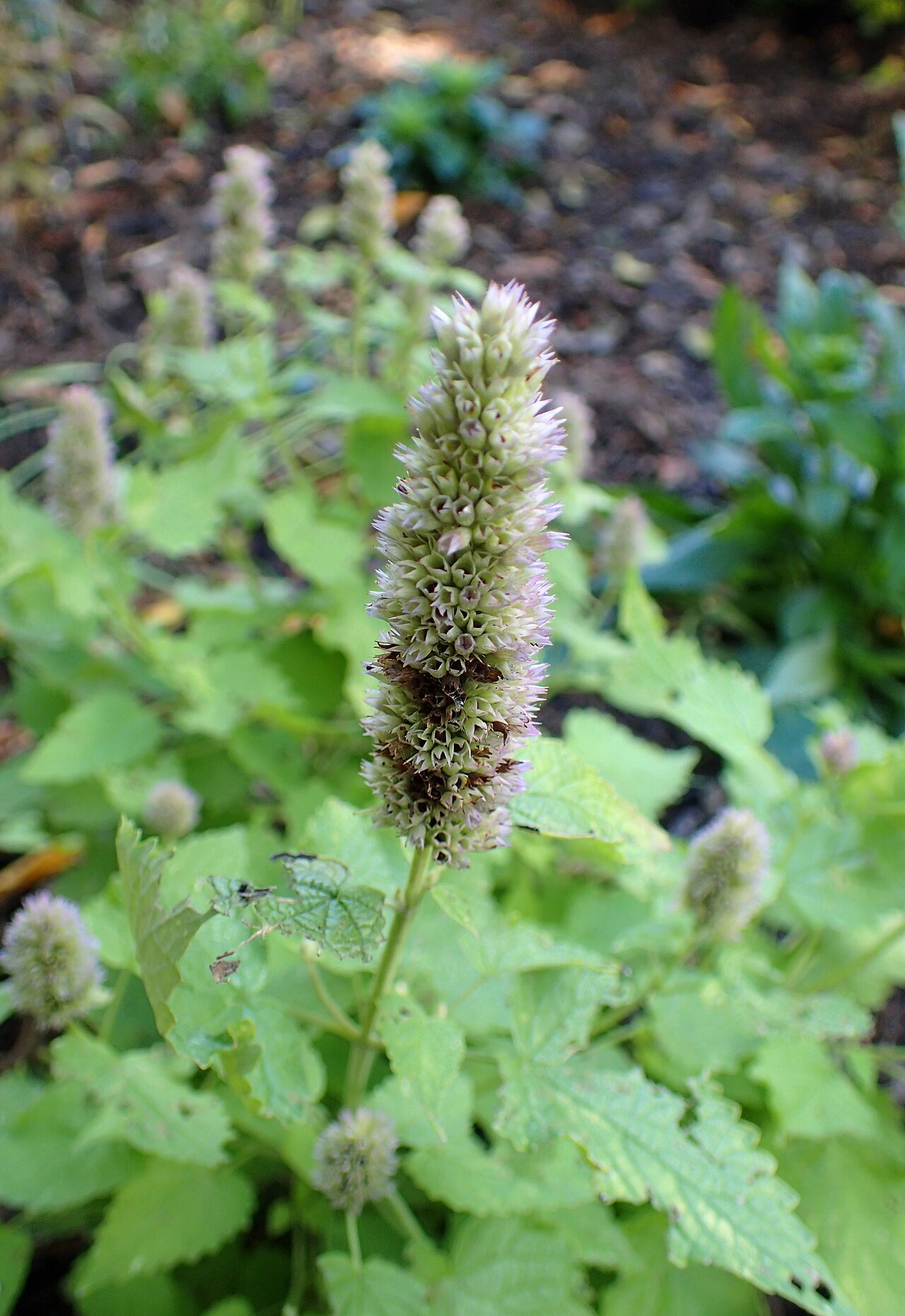
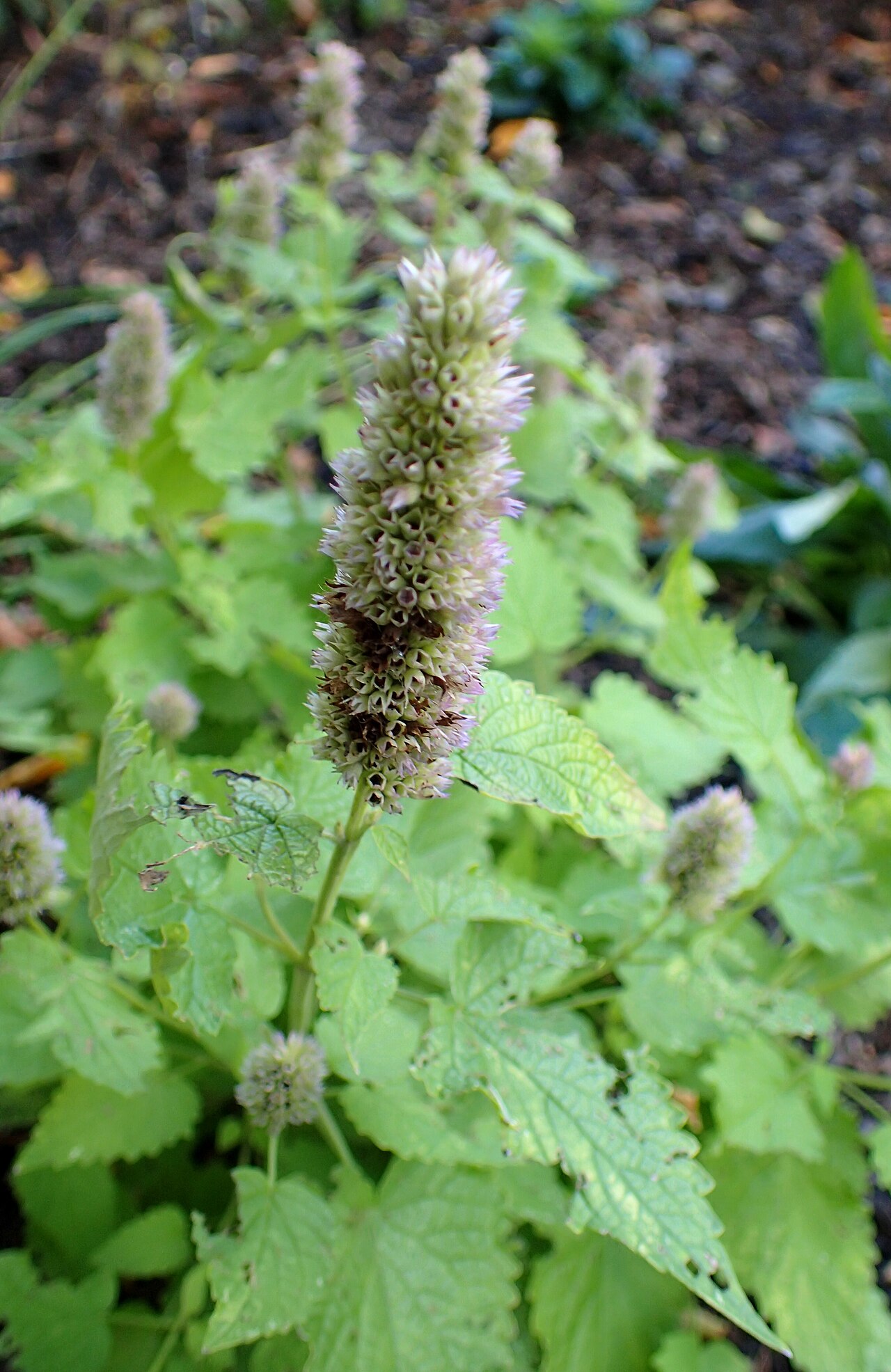
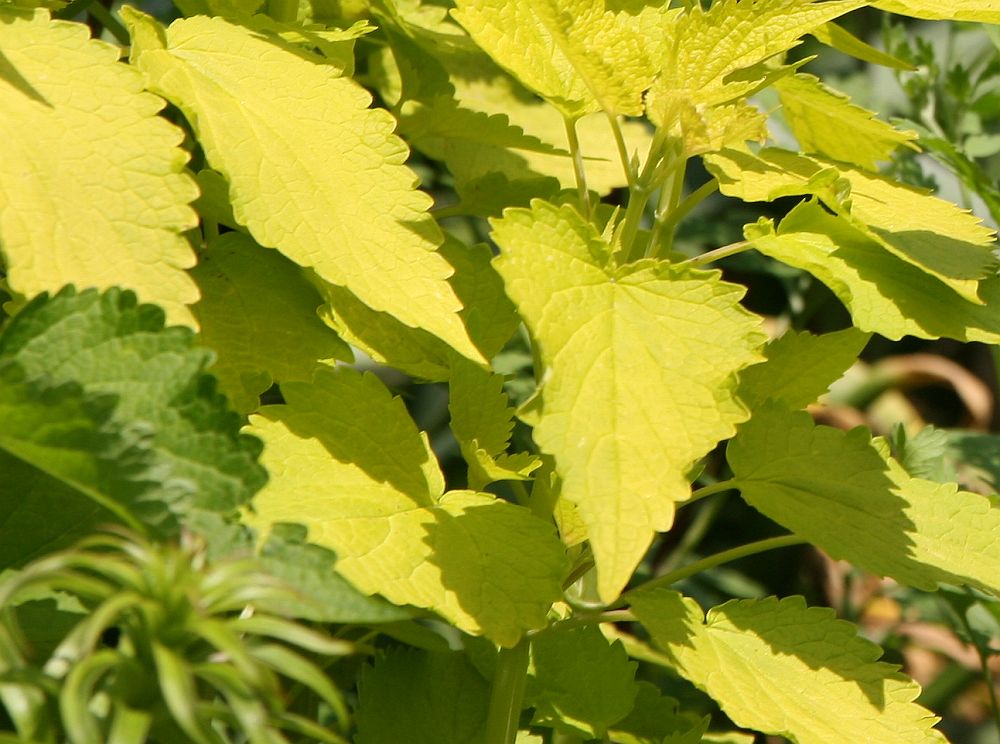
Golden Jubilee is anise hyssop with the lights turned up. It is a seed-grown selection of the true species, Agastache foeniculum, with golden-chartreuse foliage that is brightest in spring and in light shade, topped by the familiar dense spikes of lavender-blue flowers. Planted where its gold can catch the light — the front of a border, a pot by a path — it reads like a flower even when it is not blooming.
It won a major All-America Selections award in 2003, which is a useful signal: this is not a novelty that fades after one season. The foliage color is the point, but the plant behind it is still the tough, drought-tolerant, pollinator-magnet herb of the species, with licorice-scented leaves for tea. Grow it for the gold, keep it for everything else.
How to grow
Start seed indoors 6–8 weeks before last frost, pressing seed onto the surface of moist mix — agastache seed needs light to germinate — or buy plants. Transplant after frost into full sun in cool climates or light afternoon shade in Florida, in well-drained soil. The gold foliage scorches in harsh, unrelenting sun, so a spot with morning sun and afternoon shade is the sweet spot in hot gardens.
Space 12–18 inches apart and water in well. Unlike sterile hybrids, Golden Jubilee sets seed, so deadhead if you do not want volunteers, or let a few spikes ripen and enjoy the self-sown patch. Cut back in late winter and expect a fresh flush of gold with spring growth.
Water & feeding
Water at planting and through establishment, then water only when the top inch of soil dries. Golden Jubilee tolerates drought once rooted but sulks in soggy soil, so drainage matters more than frequency. A mulch layer helps hold moisture in summer, kept away from the crown.
Feed lightly with castings at planting; heavy feeding pushes soft, green growth and dulls the gold color you planted it for. Lean soil keeps both the color bright and the stems sturdy.
Common problems
- Leaf scorch in hot, full sun — the gold foliage is more sun-sensitive than green foliage. Afternoon shade in Florida is prevention, not pampering.
- Crown rot in wet, heavy soil — plant in raised beds or gritty mix where summer rain pools, and never let mulch bury the crown.
- Self-sowing — Golden Jubilee seeds freely. Deadhead spent spikes if volunteers would be unwelcome, or treat the patch as a self-renewing colony and thin seedlings in spring.
- Aphids and powdery mildew in crowded, still air — space for airflow, water at the base, and remove affected growth early.
Harvest
Harvest leaves from year one, picking the top sets through the season; the licorice flavor is the same as the species, and the gold leaves make a strikingly pretty tea garnish. For the brightest foliage color, harvest lightly in spring when the gold is most intense.
Cut flower spikes as they open for bouquets, and dry leaves for winter tea by spreading them in a single layer in a warm, airy spot. Leave some late spikes for pollinators and for seed if you want the patch to renew itself.
Browse all plant & pest guides
Saving seeds
Golden Jubilee is a seed-grown anise hyssop selection — a 2003 All-America Selections winner — and unlike sterile hybrids it sets seed, so saved seed grows plants, mostly golden; a few seedlings come up green, so rogue those out to keep the gold. The full method is in the Saving seeds section of the Anise Hyssop guide.