
🌿 Anise Hyssop
What it looks like

How to grow
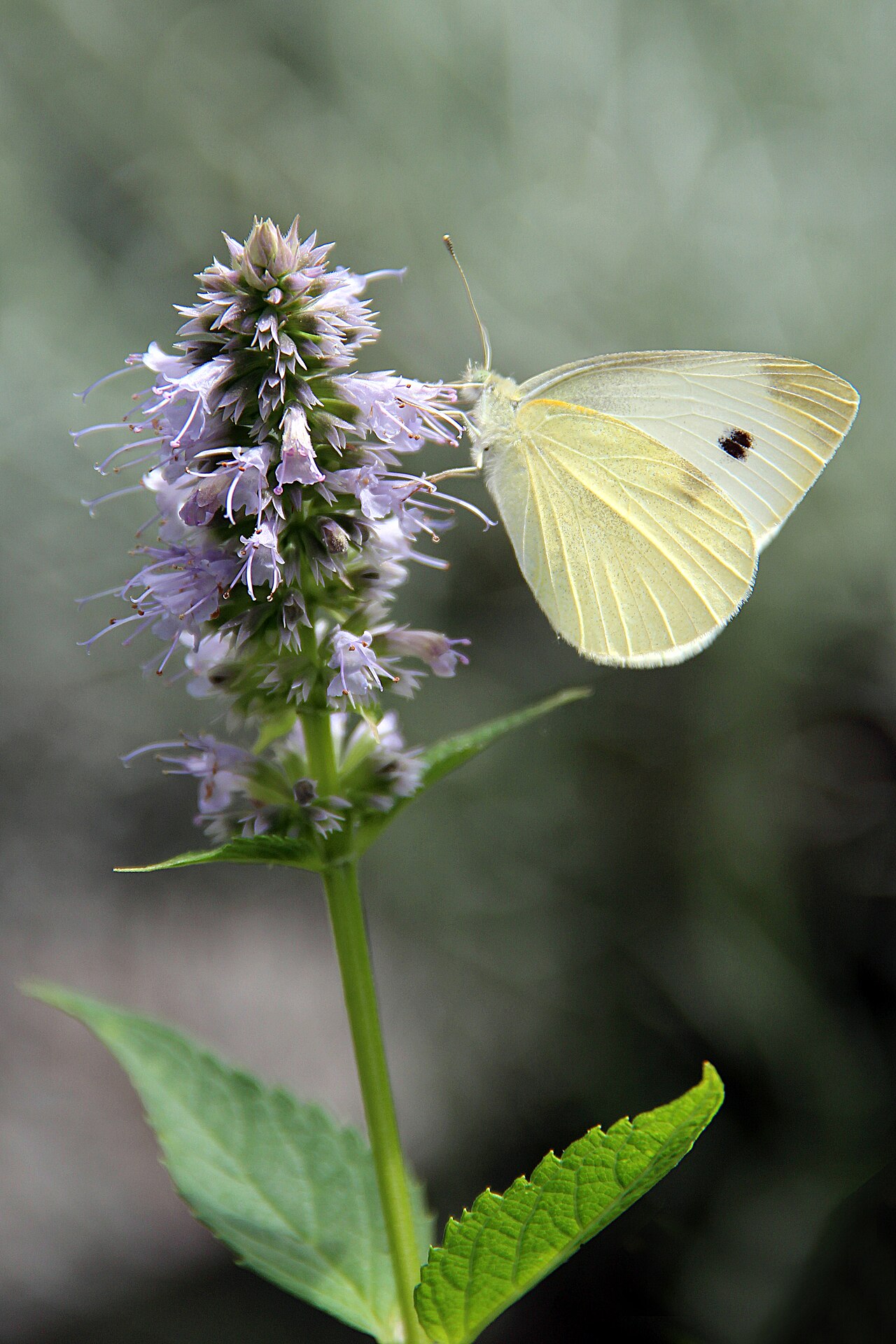
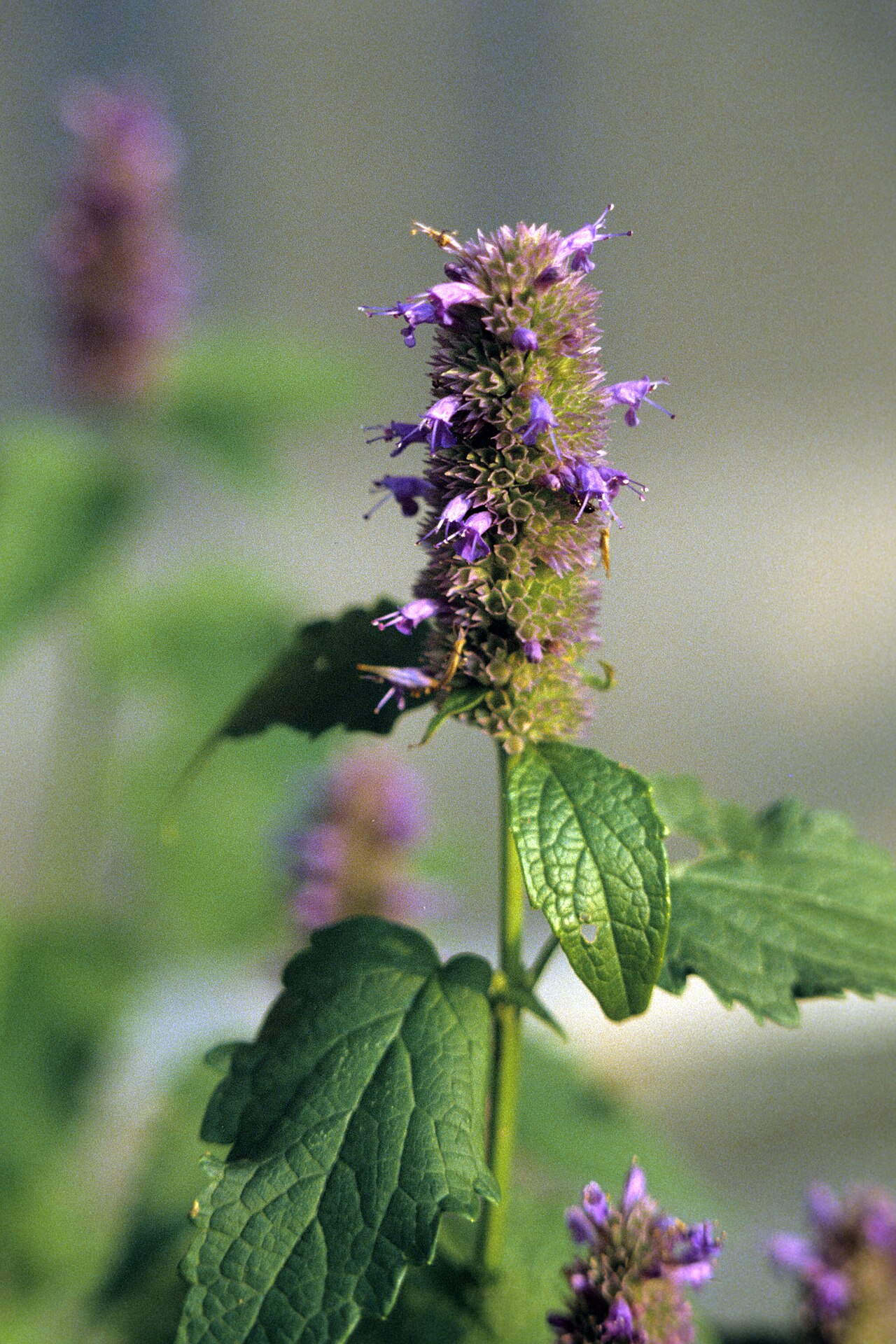
Anise hyssop is a mint-family perennial with tall spikes of purple flowers and leaves that smell and taste like licorice and mint — despite its name, it is not a true hyssop (Hyssopus officinalis) but an agastache, a North American native genus. Its leaves make excellent tea, flavor salads and desserts, and attract bees, butterflies, and hummingbirds in such numbers that a blooming patch hums audibly. Anise hyssop is a tough, drought-tolerant plant that prefers full sun and well-drained soil, tolerates poor soil, and dislikes wet feet — in heavy clay or humid climates, grow it in a raised bed. Start from transplants, cuttings, or seed (seed is easy and plants often flower the first year from an early start). From seed, start indoors about six weeks before your last expected frost — the seed is tiny, so surface-sow it and keep it moist and bright. It also grows well in containers and rock gardens, though container plants stay smaller than in-ground ones. Despite the mint family, it sends no underground runners, so it stays where you put it — and its strong scent makes it one garden plant deer and rabbits generally leave alone, which makes it handy planted beside things they do bother. Plants reach 2-4 feet, and they are short-lived perennials, typically lasting 3-4 years before declining — let some plants self-sow and you will have replacements without trying. Deadhead to prolong bloom, or let flowers go to seed for goldfinches, which eat anise hyssop seed in fall. Leave the last stems standing over winter — the hollow stalks shelter overwintering insects — then cut back hard in spring, to about eight inches, and it comes back fast. In Florida and the humid South, anise hyssop is shorter-lived and best grown as a cool-season perennial with maximum airflow.
Water & feeding
Water to establish, then water sparingly — anise hyssop is drought-tolerant once rooted. About half an inch to an inch a week is plenty. It is a light feeder: worm castings at planting is enough, and rich soil makes floppy plants with weaker scent.
Common problems
- Short lifespan — plants decline after 3-4 years; let some self-sow for replacements.
- Root rot in wet soil — use well-drained soil and raised beds in heavy clay.
- Powdery mildew in humid, crowded conditions — space for airflow and water at soil level.
- Self-seeding — deadhead if you do not want volunteers, or embrace the patch.
Harvest
Harvest leaves as needed once plants are established, picking young leaves for the best licorice flavor. For tea, use fresh or dried leaves — anise hyssop dries well and keeps its scent. Harvest flower spikes for tea and garnish when fully open. For the best iced tea, steep a generous handful of fresh leaves for 10 minutes and chill; anise hyssop tea needs no sweetener for most drinkers. Beyond tea, chop fresh leaves into lemonade and salads, mash them into herb butter, or dry and crumble them into a spiced salt. The seeds work scattered over bread, bagels, and oatmeal the way poppy seeds do, and a sachet of dried leaves keeps a drawer smelling sweet.
Browse all plant & pest guides
Saving seeds
Anise hyssop (Agastache foeniculum) practically begs you to save its seed. It is a mint-family perennial that self-sows with enthusiasm, feeds goldfinches from its drying spikes all winter, and produces its seed in tidy little nutlets along the flower spike — the same structures that make the mint family so good at colonizing a garden. Your job is mostly to intervene at the right moment and then get out of the way.
Let the last flower spikes of the season stand instead of deadheading everything. Deadheading through summer keeps the blooms coming, but the final flush is your seed crop — and the birds’ winter pantry, so leave some spikes even if you are saving from others. When the spikes have turned brown and dry and the little dark nutlets rattle loose at a touch, cut the spikes on a dry day and drop them into a paper bag. Leave the bag open indoors for a few days so everything dries completely, then shake and rub the spikes to free the seed. Anise hyssop seed is small and fiddly to separate from the chaff, and here is a liberating truth: you do not have to. A little chaff sown along with the seed does no harm at all, and chasing perfect cleanliness wastes an afternoon you could spend gardening.
Before sowing, give the seed a winter. Germination improves after a period of cold, moist stratification — about thirty days in the fridge, sealed in a bag with a damp paper towel, is the figure most sources agree on — or you can simply sow outdoors in fall and let a real winter do the work. In Florida, the fridge method is the reliable one, since our winters may not deliver a long enough chill. Either way, the seed needs light to germinate, so surface sow: press it onto moist seed-starting mix and barely cover it, if at all. Keep it moist and bright, and expect sprouts in roughly one to four weeks. Seedlings can bloom in their first year, and self-sown volunteers around the parent plant can be moved while small if you want them elsewhere — they wilt dramatically when moved and then recover within days, so do not panic at the flop.
Store saved seed cool, dark, and dry — airtight with a desiccant packet in Florida humidity — and it should stay viable for a few years. Now the true-to-type warning, which matters more here than with many herbs: anise hyssop crosses readily with other Agastache species and varieties flowering nearby, thanks to the same bees and butterflies you planted it for. Seed from a lone species planting will broadly come true, but seed from a garden full of different hyssops will produce variable seedlings — often lovely, never guaranteed. If you have a named cultivar whose exact scent and flower color you want to preserve, divide the plant instead: lift the clump in spring or fall, split it into pieces each with roots and a few shoots, and replant immediately. Division is also the cure for the bald center older clumps develop. Seed is for abundance and happy accidents; division is for keeping a favorite exactly itself. And remember the standing rule: open-pollinated seed grows true if isolated, while seed from an F1 hybrid will not.
Varieties
Every named variety of Anise Hyssop with its own growing guide:
- Blue Fortune Anise Hyssop — The workhorse anise hyssop: fat powder-blue spikes, a sterile habit that never self-sows into a weed patch, and the best humidity tolerance in the family.
- Golden Jubilee Anise Hyssop — Anise hyssop in highlighter yellow: chartreuse-gold foliage that glows in shade, under the same licorice-blue flower spikes as the species.
- Black Adder Anise Hyssop — Smoky-violet buds that open lavender-blue: the moody, tall anise hyssop hybrid for the back of the border and the front of the pollinator parade.