
🌿 Black Adder Anise Hyssop
What it looks like

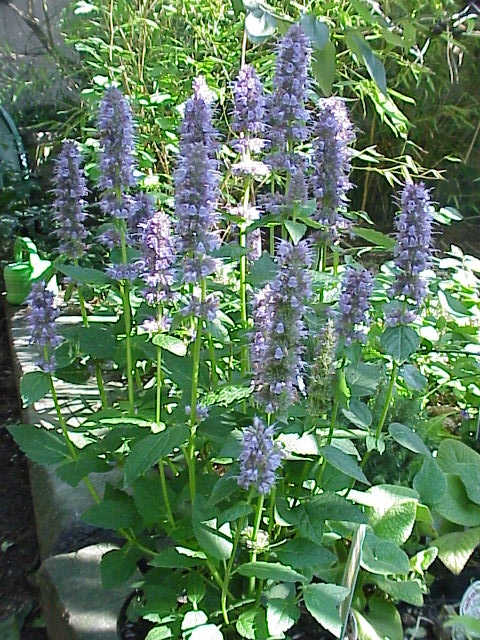

Why this variety
Black Adder is the drama queen of the anise hyssop family, and it earns the title. It is a hybrid of anise hyssop and Korean mint, carrying dark, smoky-violet buds that open into soft lavender-blue flowers on tall stems, 2–3 feet high. The bud color is the show: before the flowers open, the whole spike looks like it has been dipped in ink.
It is a touch less vigorous than the straight species, which in a garden context is often a compliment — it stays a well-behaved clump instead of a sprawling colony. The leaves still smell of licorice and mint, the flowers still pull in bees and hummingbirds by the dozen, and the dark buds give a border a depth that plain blue spikes cannot. Plant it where the evening light hits the buds and watch it steal the bed.
How to grow
Buy plants, since hybrid seed will not come true. Set transplants in spring after frost, in full sun and well-drained, lean soil. In Florida, a raised bed or large pot with gritty mix gives it the drainage it needs through the rainy season; flat, wet ground is its enemy.
Space 18–24 inches apart and stake only if your site is windy — stems are generally sturdy. Deadhead spent spikes to encourage side blooms, and cut the clump back in late winter. Divide every few years if the center thins, and replant the vigorous outer pieces.
Water & feeding
Water deeply at planting and while establishing, then let the soil dry between waterings. Black Adder is drought-tolerant once rooted and prefers lean conditions; overwatering and rich soil produce floppy stems and fewer flowers.
A spring side-dress of castings is all the feeding it needs. Skip the heavy fertilizer — this is a plant that performs best when slightly neglected, like most Mediterranean and prairie herbs.
Common problems
- Crown rot in wet soil — the main Florida risk. Sharp drainage, raised beds, and mulch kept off the crown are the whole prevention plan.
- Powdery mildew in still, humid air — space for airflow, water at the base, and thin crowded stems in spring.
- Flopping in rich, wet soil or deep shade — give it full sun and lean soil; a plant that flops was almost certainly overfed or underwatered in the drainage sense.
- Shorter life than the species in some gardens — treat Black Adder as a 3–5 year perennial and keep a division or two coming on as insurance.
Harvest
Pick leaves through the season for tea, taking top sets and leaving plenty behind. The licorice-mint flavor is classic anise hyssop, and the dark-budded spikes make unusual, long-lasting cut flowers — cut them just as the first florets open.
Dry leaves on a screen away from direct sun, or use fresh. Leave the last spikes for pollinators in fall, then cut back in late winter before spring growth.
Browse all plant & pest guides
Saving seeds
Black Adder is a hybrid, so seed saved from it won’t come true — buy plants instead. The Saving seeds section of the Anise Hyssop guide covers seed for the straight species.