
🌿 Blue Fortune Anise Hyssop
What it looks like


Why this variety
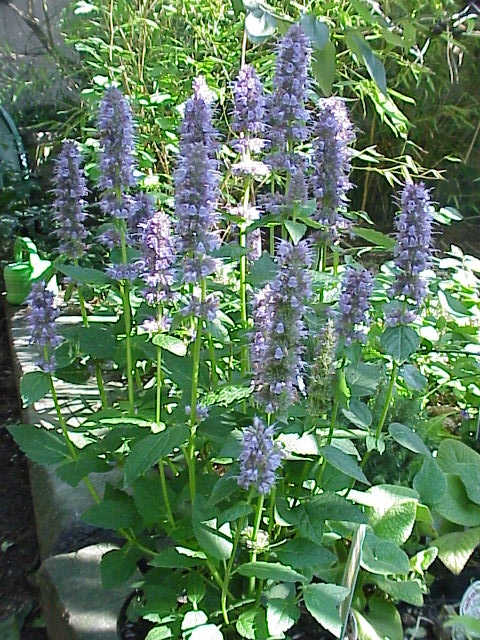
Blue Fortune is the anise hyssop to plant when you want the look without the aftermath. It is a hybrid of anise hyssop and Korean mint, bred for dense, thick spikes of powder-blue flowers that bloom from summer into fall and draw bees, butterflies, and hummingbirds in numbers that make a quiet garden sound busy. Because it is sterile, it sets no seed, so unlike the species it never pops up in paths, lawns, and neighboring beds — the clump you plant is the clump you keep.
It also handles humidity better than most agastaches, which is the whole ballgame in Florida. Give it sun, air, and soil that drains fast after a downpour, and it will hold a tidy 2–3 foot mound where fussier hyssops melt. The leaves still carry the classic licorice-mint scent for tea, so you lose nothing in the kitchen by gaining manners in the bed.
How to grow
Buy plants, not seed — a sterile hybrid cannot be grown true from seed, and seed sold under this name will not be Blue Fortune. Set transplants in spring after the last frost, in full sun and lean, well-drained soil worked with worm castings. In Florida, plant in a raised bed or a large pot with a gritty mix; flat ground that stays wet after summer storms is the one thing this plant genuinely resents.
Space plants 18–24 inches apart and pinch the tips once when young to encourage branching. Deadhead spent spikes through the season and you will get fresh side blooms into fall. Cut the whole clump back in late winter before new growth starts, and divide every 3–4 years if the center thins — division, not seed, is how this cultivar multiplies.
Water & feeding
Water deeply at planting and while plants establish, then back off. Blue Fortune is drought-tolerant once rooted and prefers soil that dries between waterings; constant wet feet invite crown rot, the agastache killer in humid climates. Morning watering at the soil line keeps foliage dry overnight.
Feed lightly: castings at planting and a modest side-dress in spring is plenty. Rich soil and heavy fertilizer buy floppy stems and fewer flowers, which is the opposite of what anyone plants this for.
Common problems
- Crown and root rot in wet soil — the main risk in Florida. Raised beds, gritty mix, and no mulch piled against the crown are the prevention; there is no rescue for a rotted crown, so site it right the first time.
- Powdery mildew in still, humid air — give plants space and airflow, water at the base, and cut out affected stems rather than spraying your way out of a spacing problem.
- Aphids on tender new growth — usually a small, self-limiting problem; a strong jet of water knocks them off, and the pollinators this plant attracts will handle the rest.
- Self-sowing confusion — none here. If seedlings appear around a Blue Fortune clump, they came from a neighboring agastache, not this sterile plant.
Harvest
Pick leaves any time once plants are established, taking the top sets and leaving plenty of foliage behind so the plant keeps blooming. Leaves are best before flowering for tea, when the licorice scent is strongest, but they stay usable all season. Dry leaves on a screen in a warm, airy spot out of direct sun, or freeze them for winter tea.
Cut flower spikes for bouquets as they open; deadheading for the vase doubles as deadheading for rebloom. Leave the last flush of spikes standing into fall for pollinators, then cut the clump back in late winter.
Browse all plant & pest guides
Saving seeds
Blue Fortune is a sterile hybrid, so there is no viable seed to save — buy plants instead. The Saving seeds section of the Anise Hyssop guide covers seed for the straight species.