
🌿 Aurea Bay
What it looks like
Why this variety
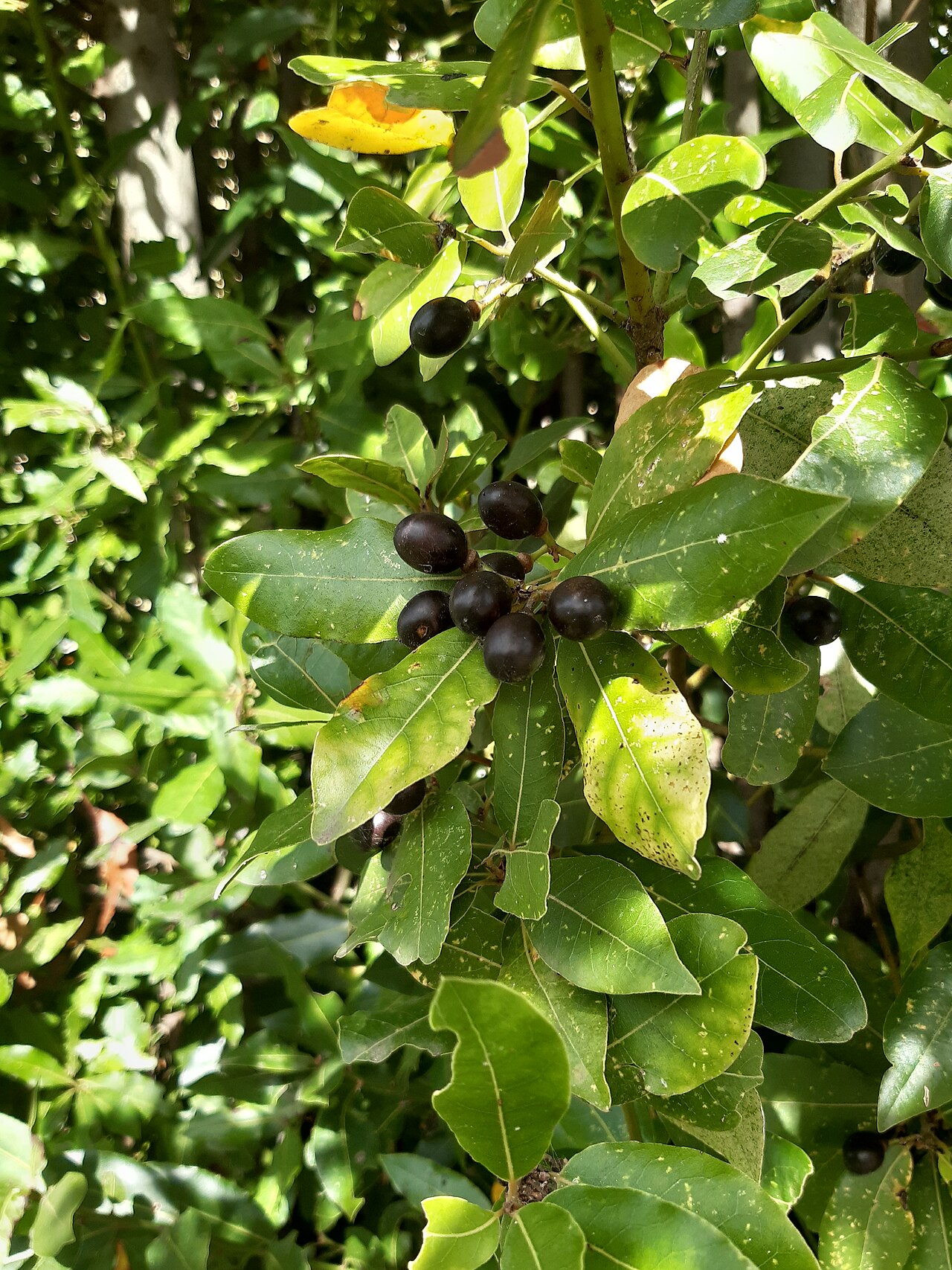
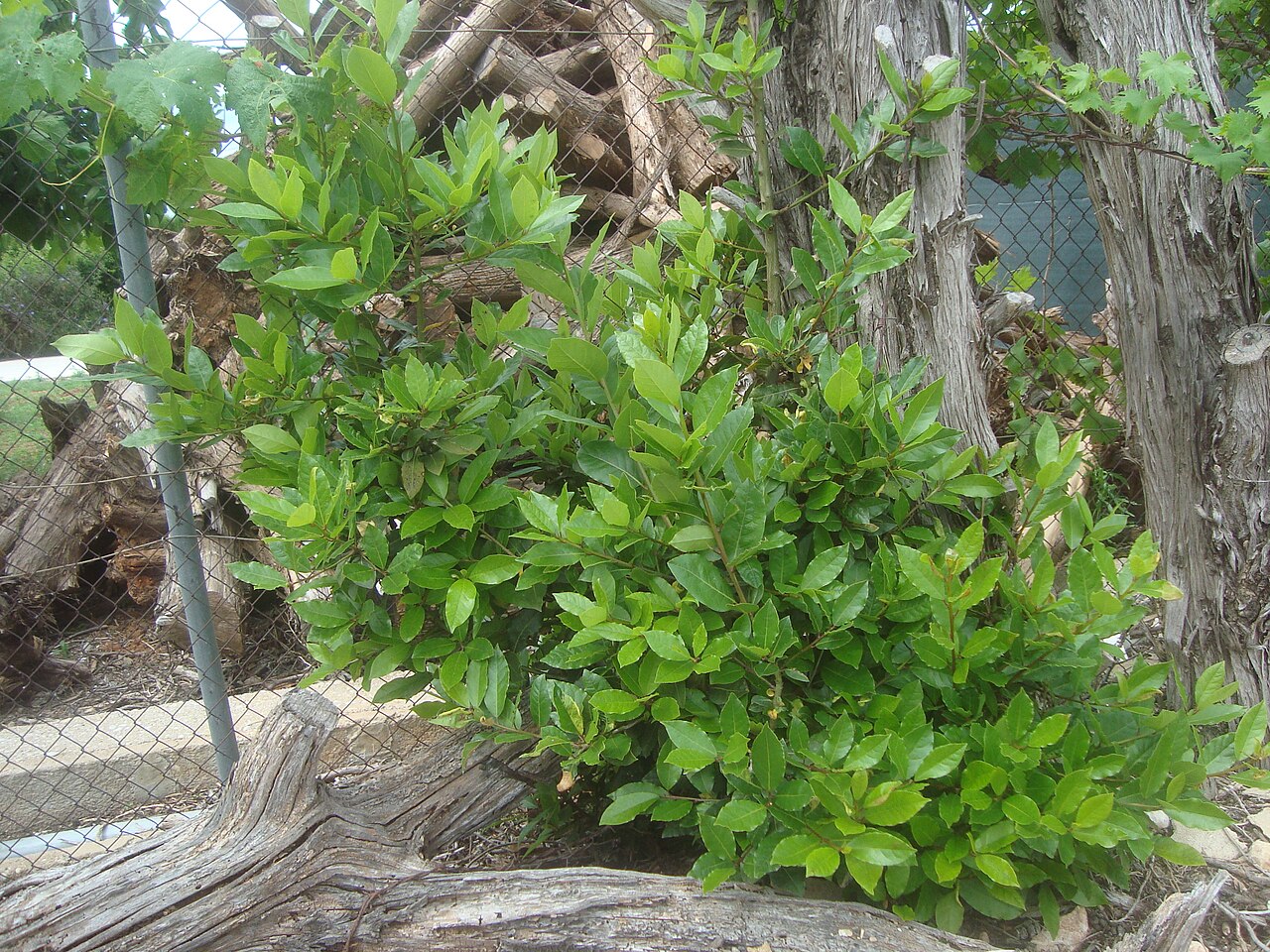
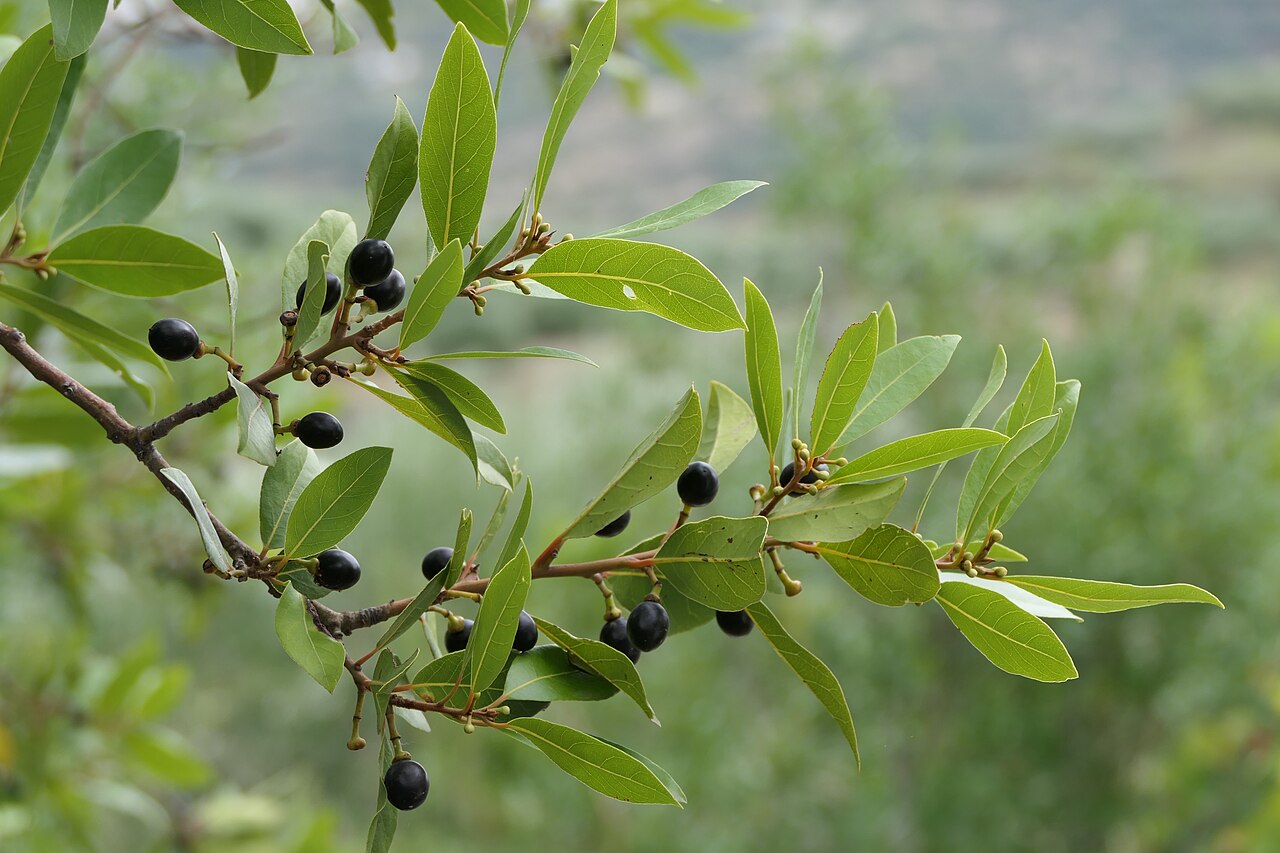
Aurea is bay laurel with a spotlight on it. The leaves emerge yellow-gold and mature to green-gold, so the whole tree glows in spring and again with each flush of new growth, while still being the true culinary bay — Laurus nobilis — whose dried leaves flavor soups, stews, and braises. It is the rare ornamental that you can also cook with, and the rare culinary herb that doubles as a patio specimen.
Like all bays, it is slow. A nursery plant may add only a few inches a year, and that is normal, not a problem — bay plays the long game and outlives faster herbs by decades. Aurea’s gold is brightest in good light but scorches in brutal, unshaded heat, so it rewards a spot with morning sun and a little afternoon shelter. Patience plus a pot is the whole recipe.
How to grow
Buy a nursery plant; bay is slow from seed and cultivars must come from cuttings to stay true. Plant in a large pot with well-drained, loamy mix, or in the ground in zones 8–11 in a sheltered spot out of cold wind. In Florida, a pot is often the smarter move: it lets you control drainage through the rainy season and move the plant if a cold snap threatens.
Water in well and mulch lightly, keeping mulch off the trunk. Prune in spring to shape — bay tolerates clipping into standards, cones, and hedges, and Aurea’s gold makes a clipped shape genuinely striking. Feed sparingly; bay in a pot needs a light balanced feed in spring, and bay in the ground needs almost nothing.
Water & feeding
Water deeply but infrequently, letting the top inch or two of mix dry between waterings. Bay hates wet feet more than it hates drought, and in Florida that means drainage holes that actually drain and a pot that never sits in a saucer of water.
Feed lightly in spring with castings or a balanced organic feed. Overfeeding pushes soft growth that is more cold-sensitive and less flavorful — bay leaves are best when the plant grows slowly.
Common problems
- Root rot in waterlogged soil or pots without drainage — the number one bay killer. Fix the drainage, not the watering schedule, and the plant usually recovers.
- Cold damage below about 20°F — in marginal zones, move pots under cover before frost; in the ground, a sheltered wall and a frost cloth on the coldest nights buy several degrees.
- Scale insects on stems and leaf undersides — check in spring, rub off light infestations, and treat heavy ones with horticultural oil; healthy, unstressed bays are rarely bothered.
- Leaf scorch in harsh, unshaded sun — Aurea’s gold foliage is more sun-sensitive than green bay; afternoon shade in the hottest gardens prevents bleached, crisped leaf edges.
Harvest
Harvest leaves sparingly from year two onward, picking individual mature leaves rather than stripping branches — a slow tree needs its solar panels. Fresh leaves are milder than dried; dry them on a screen in a warm, airy spot for a week or two and the flavor deepens and concentrates.
One or two dried leaves per pot of soup or stew is the classic dose, removed before serving since the stiff leaf does not soften. Prune for shape in spring and dry the prunings — a shaping cut is also a harvest.
Browse all plant & pest guides
Saving seeds
Aurea is a golden-leaf cultivar, so seed saved from it won’t come true — buy a nursery plant instead. The Saving seeds section of the Bay guide covers seed for the straight species.