
🌿 Citriodora Catnip
What it looks like
Why this variety
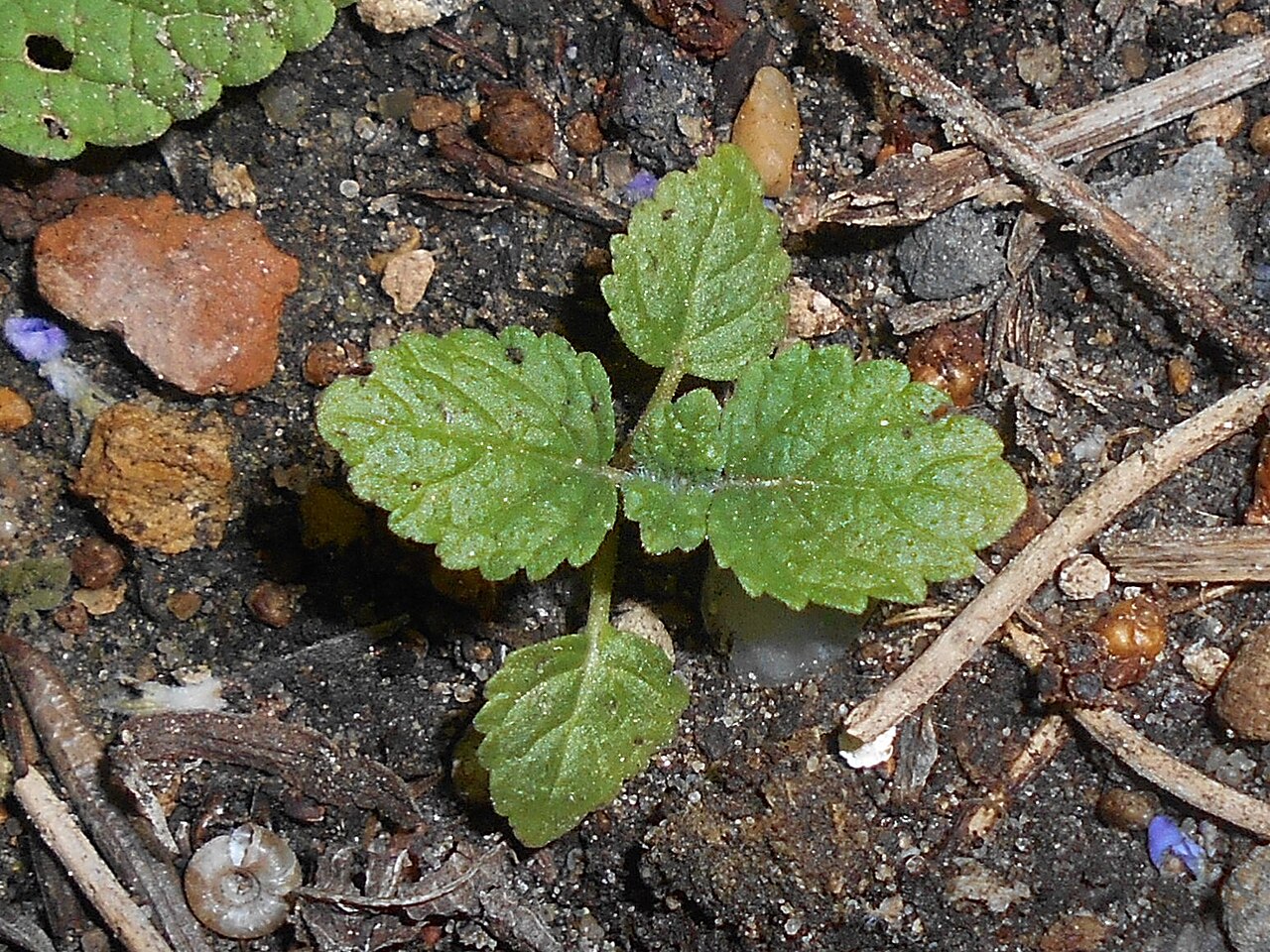
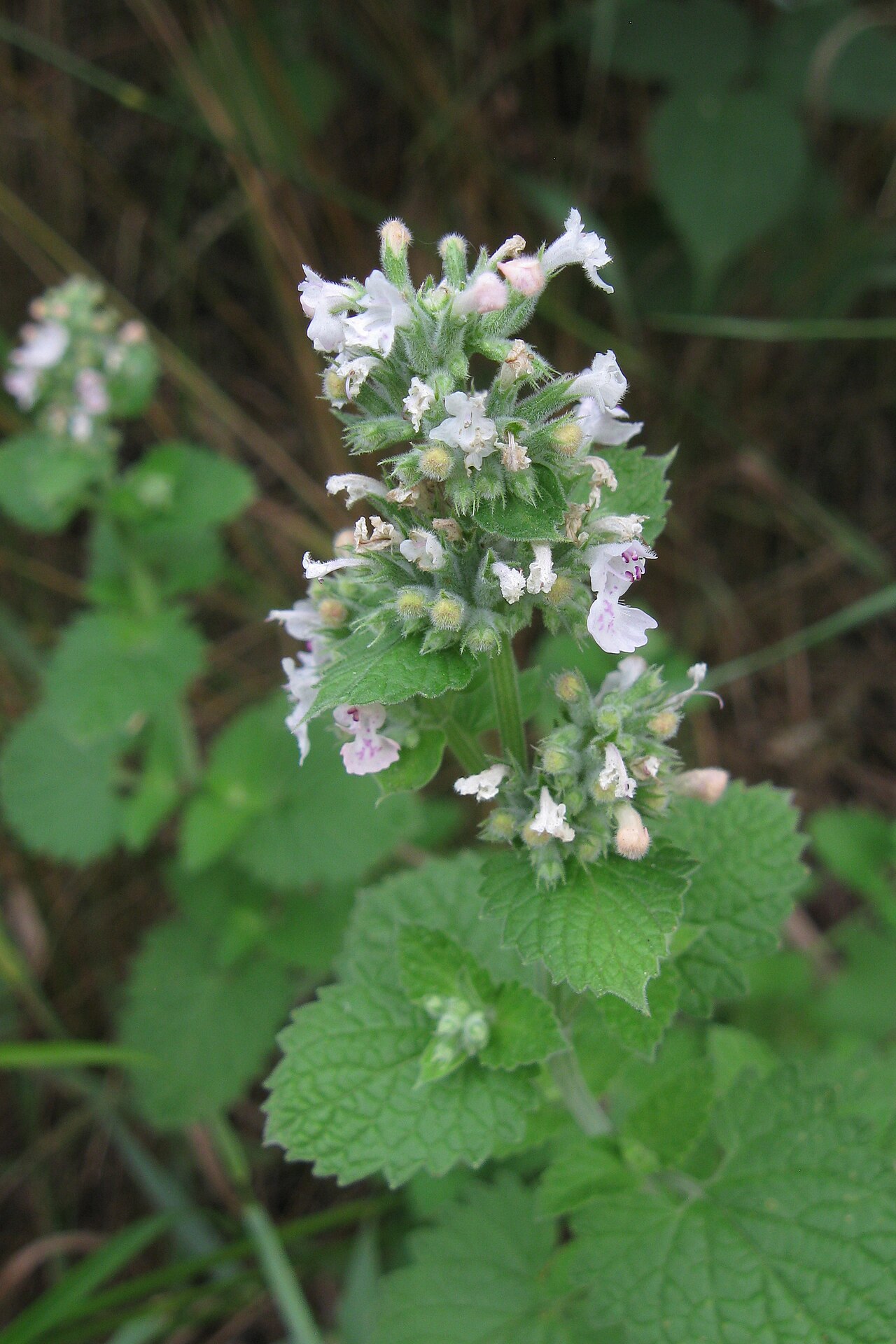
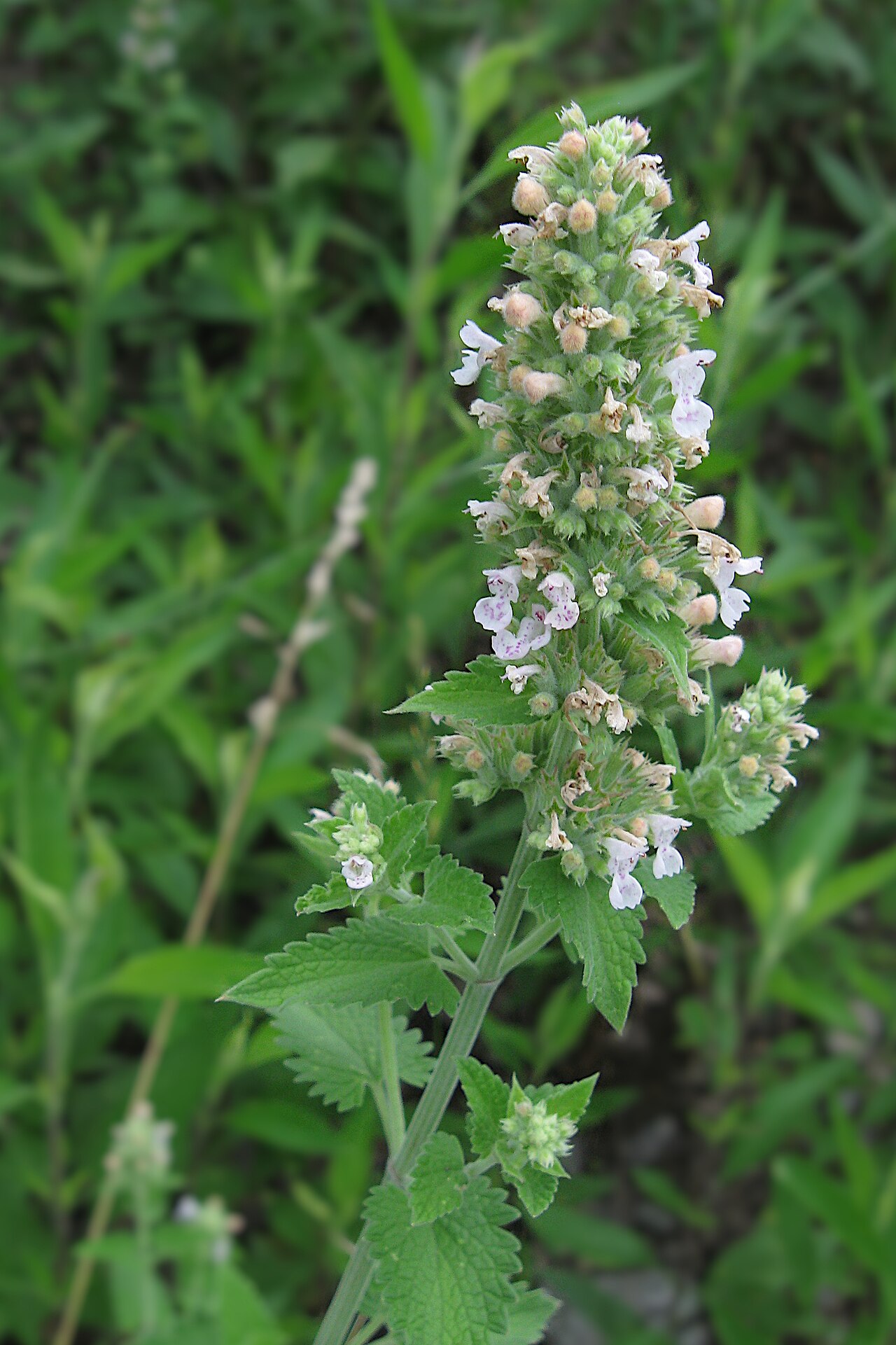
Citriodora is catnip with an identity swap. It looks exactly like true catnip — soft, gray-green, slightly fuzzy leaves on a mint-family perennial — but it smells of lemon instead of the musky, minty scent that sends cats into rolling fits. The lemon scent comes from a different mix of essential oils, and most cats find it far less interesting, which makes Citriodora the catnip you can actually grow in the open without a wire cage and a neighborhood audience.
For the kitchen, that trade is a win: lemon-scented leaves make a bright, citrusy tea and flavor fish, fruit salads, and desserts the way lemon balm does, without lemon balm’s urge to take over the bed. Grow it in a pot anyway — old mint-family habits die hard — and you have a lemon herb that behaves, smells wonderful when brushed, and does not come with a fan club of flattened foliage.
How to grow
Start seed indoors 6–8 weeks before last frost or sow direct after frost; note that seed-grown plants vary in scent, so buy a named plant if the lemon character matters to you. Transplant into full sun to part shade in well-drained, average soil, in a pot or a bed you are willing to deadhead. In Florida, afternoon shade helps it through the hottest months.
Space 12–18 inches apart and pinch tips to keep plants bushy. Deadhead flower spikes before they seed unless you want volunteers — catnip self-sows readily — and cut plants back by half after the first flush to encourage fresh, soft growth. Divide every few years if the center thins.
Water & feeding
Water at planting and through establishment, then water when the top inch of soil dries. Citriodora tolerates drought once rooted and prefers soil on the dry side; soggy soil invites root rot and floppy growth. A pot with real drainage holes is the simplest insurance.
Feed lightly with castings at planting; rich soil and heavy fertilizer produce lush, weak growth with diluted scent. Like most mint-family herbs, Citriodora is more fragrant when grown lean.
Common problems
- Cats — fewer than with true catnip, but not zero. A pot on a table or a wire cage for young plants still beats a flattened patch if your neighborhood has enthusiastic felines.
- Self-sowing — deadhead before seed ripens if volunteers would be unwelcome; seedlings are easy to pull when small and much less fun when established.
- Root rot in wet, heavy soil — plant in well-drained mix or raised beds, especially where summer rain pools.
- Aphids and spider mites in hot, dry weather — a strong jet of water usually clears them, and stressed, overfed plants are the ones that get hit hardest.
Harvest
Pick leaves from 6–8 weeks after planting, taking top sets and leaving plenty behind. Leaves are best before flowering for tea, when the lemon scent is strongest; dry them on a screen in a warm, airy spot or use fresh in teas, salads, and desserts.
Cut stems for drying just as flower buds form, and deadhead the rest for a second flush. A plant cut back by half after the first harvest will regrow soft, fragrant foliage for a fall picking.
Browse all plant & pest guides
Saving seeds
Citriodora is a lemon-scented catnip variety, and seed-grown plants vary in scent — buy a named plant if the lemon character matters to you. The Saving seeds section of the Catnip guide covers seed for the straight species.